
Is the distance in your relationship showing up in the bedroom? For many women, emotional closeness is essential for desire. If you’re dealing with trust issues, a lack of connection, or unresolved conflicts, it can directly impact your sexual health and hormones. This isn’t just in your head—it’s a real, physical response to emotional stress. The good news is that an effective low libido treatment plan considers these factors. The best low libido in women treatment looks at your whole life, not just a single symptom, to help you rediscover your passion.
However, fear not. Please know that there are actionable steps you can take to boost your sexual health.
Women who suffer from low sexual desire or hormone deficiency don’t have to face their problems alone any longer. I specialize in women’s sexual health and have a vast amount of experience in treating women who live with hypoactive sexual desire, women who go through menopause, experience hormone deficiency, and more.
When women need comprehensive, compassionate low libido therapy from an experienced urologist, they come to me. I’m world-renowned as a leading authority in the field of women’s sexual health.
Symptoms of Low Libido
Low libido, or a decreased sex drive, is more than just occasionally not being in the mood. It’s a persistent lack of interest in sexual activity that can leave you feeling disconnected from your body and your partner. You might notice that sexual thoughts or fantasies are rare, or that you no longer initiate intimacy. For many women, this can also bring feelings of guilt, frustration, or sadness about the change in their desire. According to the Cleveland Clinic, a key sign is not just wanting sex less often, but also feeling distressed by this lack of desire. Recognizing these signs is the first step toward understanding what’s happening and finding effective treatments for low libido that can help you feel like yourself again.
How Dr. Berman Approaches Low Libido Treatment
Not only am I a NY Times best-selling author and a mainstay expert for the media when it comes to women’s sexual health, I’m also featured regularly on hugely popular shows, like Dr. Phil, The Today Show, and Good Morning America. I also co-host the CBS Emmy award-winning TV show, The Doctors.
Contact me today to schedule your consultation with a credible and relatable authority in women’s sexual and menopausal health. I work to create custom-tailored treatment plans that will get you back on track while making a lasting, positive change in your life.
*Female Urologist Dr. Jennifer Berman has written information about Low Libido that has been carefully reviewed. If you have any questions, feel free to contact us using our form.
Why You Have a Right to a Healthy Sex Drive
It Is Estimated That 1 in 10 Women Suffer from Distressing Low Sexual Desire. With the Right to Desire Movement, Dr. Berman Takes the Fight to HSDD.
“As a leading women’s sexual health expert, I am proud to be part of the initiative along with Right to Desire to change the statistic of women affected by this condition. ”
What Is Hypoactive Sexual Desire Disorder (HSDD)?
Hypoactive Sexual Desire Disorder, including low sexual desire and related distress, can negatively impact personal attitudes, such as body image and self confidence, which also serves as a contributing factor to difficulties connecting with a partner.
It can lead to interpersonal difficulties, such as feeling less connected to a partner.
Brain scan studies have revealed a slowdown in activity in areas of the brain that are important in sexual response for women affected by HSDD
Physical and Medical Causes
Your sexual desire is intricately linked to your overall physical health. When your body isn’t functioning at its best, your libido is often one of the first things to be affected. Think of it as your body’s way of signaling that its energy and resources are being directed elsewhere to manage a more pressing issue. This can range from chronic conditions that cause pain and fatigue to the side effects of necessary medications. Understanding these physical drivers is a critical first step in addressing a low sex drive, as it allows you to see the issue not as a personal failing but as a valid health concern that deserves attention and care. A thorough evaluation with a specialist can help pinpoint if an underlying physical factor is at play.
Underlying Health Conditions
A wide range of health problems can contribute to a decreased interest in sex. Conditions such as diabetes, heart disease, high blood pressure, and thyroid issues can all play a role by affecting blood flow, nerve function, and energy levels. Chronic pain is another significant factor; when you’re constantly hurting, it’s difficult to feel relaxed and open to intimacy. It’s important to manage these conditions not just for your overall well-being but for your sexual health, too. Addressing the root cause is essential, and a comprehensive approach to your health can often lead to a natural return of your desire as your body begins to heal and rebalance.
Medication Side Effects
Sometimes, the solution to one health problem can create another. Certain medications are known to have a dampening effect on libido. These can include some antidepressants, blood pressure medications, and treatments like chemotherapy. While these drugs are often vital for your health, their impact on your sex drive is a real and valid side effect. It’s crucial not to stop taking any prescribed medication on your own. Instead, have an open conversation with your doctor. They can help you understand if your medication is a contributing factor and explore whether alternative treatments or dosage adjustments might be possible without compromising your health.
Hormonal Changes
Hormones are the body’s powerful chemical messengers, and they play a starring role in regulating your sex drive. When your hormones are in balance, everything tends to run more smoothly. However, fluctuations are a natural part of a woman’s life, from monthly cycles to major life stages like pregnancy and menopause. When these levels shift dramatically, particularly estrogen and testosterone, it can lead to a noticeable drop in sexual desire. Recognizing that these changes are biological—not a reflection of you or your relationship—is key. Fortunately, there are effective ways to address these imbalances, such as Biote Hormone Therapy, which can help restore your body’s natural equilibrium.
Menopause, Pregnancy, and Breastfeeding
Major life events like menopause, pregnancy, and breastfeeding bring significant hormonal shifts that can directly impact libido. During perimenopause and menopause, the natural decline in estrogen can lead to physical changes like vaginal dryness and a lower sex drive. Similarly, the hormonal rollercoaster of pregnancy and the postpartum period, combined with physical exhaustion and the demands of a new baby, can push sexual desire to the back burner. These are common experiences, and it’s important to give yourself grace during these transitional times. Seeking support can make a world of difference in managing these symptoms and reclaiming your sexual self.
Reproductive Health Conditions
Conditions affecting the reproductive system can also have a profound effect on your desire for intimacy. Issues like endometriosis and PCOS often come with chronic pain, fatigue, and hormonal imbalances that make sex feel like the last thing on your mind. Even the cyclical discomfort of premenstrual syndrome (PMS) can temporarily lower your libido each month. The physical and emotional toll of these conditions is significant. Getting an accurate diagnosis and an effective pelvic pain treatment plan is not only crucial for your physical health but can also be a major step toward restoring your interest in sex.
Psychological and Emotional Factors
Your mind is your most important sex organ. Your mental and emotional state has a direct and powerful influence on your physical desires. When you’re feeling weighed down by stress, anxiety, or low self-worth, your brain may not be in a receptive state for sexual intimacy. It’s difficult to connect with a partner and be present in the moment when your mind is cluttered with worries or negative self-talk. Addressing these psychological factors is just as important as looking at physical causes. Creating mental space and fostering a positive emotional environment is fundamental to a healthy and fulfilling sex life.
Stress, Anxiety, and Depression
The pressures of daily life—from a demanding job to family responsibilities—can create chronic stress that puts your body in a constant state of “fight or flight,” leaving little room for sexual desire. Mental health conditions like anxiety and depression can also significantly diminish libido, as they often involve feelings of sadness, hopelessness, and a general loss of interest in pleasurable activities. When your emotional energy is depleted, your sex drive often is, too. Prioritizing your mental health through therapy, mindfulness, or other stress-management techniques is a powerful way to support your overall well-being, including your sexual health.
Self-Esteem and Body Image
How you feel about yourself and your body can dramatically impact your willingness to be intimate. If you’re struggling with low self-esteem or a negative body image, it can be challenging to feel confident and desirable. These feelings can create a barrier to connecting with a partner, as you may be more focused on your perceived flaws than on the pleasure of the moment. Cultivating self-compassion and working toward a healthier body image is a vital part of sexual wellness. Feeling good in your own skin is often the first step toward feeling comfortable and open with someone else.
Lifestyle and Relationship Factors
Beyond your individual health, the context of your life and relationship plays a huge role in your sex drive. Unresolved conflicts, poor communication, or a lack of emotional connection with your partner can be major roadblocks to intimacy. For many women, feeling emotionally close and safe is a prerequisite for sexual desire. If trust has been broken or you feel unheard, it’s natural for your interest in sex to wane. On the other hand, fostering open and honest communication can strengthen your bond and lead to better sex. Taking a look at your lifestyle, including habits around alcohol and exercise, and the health of your relationship is a critical piece of the puzzle when seeking treatment for low libido.
Diagnosing the Cause of Low Libido
If a low sex drive is causing you distress or impacting your quality of life, the most important first step is to talk to a doctor. It can feel vulnerable to discuss your sex life, but finding the right expert means you’ll be heard in a safe, confidential, and non-judgmental space. The goal of a diagnosis is to understand the complete picture of your health—physical, emotional, and hormonal—to identify the root cause of your low libido. This isn’t just about one symptom; it’s about your overall well-being. A comprehensive evaluation allows for a treatment plan that is tailored specifically to you, addressing the unique factors that are contributing to your experience and helping you feel more like yourself again.
Your Initial Consultation
Your first appointment is primarily a conversation. A specialist like Dr. Berman will want to understand your experience in your own words. She will ask about your specific symptoms, your general health history, and any medications you’re taking. The discussion will also likely cover your relationships, stress levels, and how you feel about sex in general. This dialogue is crucial because low libido is complex and can be influenced by many different aspects of your life. Being open and honest during this consultation provides the foundation for an accurate diagnosis and an effective, personalized treatment plan. It’s the starting point for getting the answers and support you need.
Physical Exams and Blood Tests
After discussing your history and symptoms, your doctor may recommend a few diagnostic steps to get a clearer picture of your physical health. This often includes a physical exam, a pelvic exam, and blood tests. These tests are not just routine; they provide vital information. Blood work is especially important for checking your hormone levels, as imbalances in estrogen, progesterone, and testosterone are common culprits behind a decreased sex drive, particularly around menopause. These diagnostic tools help rule out underlying medical conditions and pinpoint the specific physiological factors at play, ensuring that your treatment plan is based on solid medical evidence and tailored to your body’s needs.
How Dr. Berman Approaches Low Libido Treatment
Once the underlying causes of your low libido have been identified, the focus shifts to creating a treatment plan that works for you. There is no one-size-fits-all solution, which is why Dr. Berman’s approach is so personalized. Treatment often involves a combination of strategies that address the physical, hormonal, and emotional factors contributing to your low sex drive. This can range from lifestyle adjustments and hormone therapy to FDA-approved medications and treatments for related physical conditions. The ultimate goal is to restore not only your desire but also your confidence and overall sense of well-being, empowering you to enjoy a fulfilling and healthy sex life.
Lifestyle and Home Remedies
Sometimes, powerful changes can begin with small, consistent adjustments to your daily routine. Managing stress is a huge factor, as high cortisol levels can suppress your sex drive. Incorporating practices like meditation, regular exercise, or even just setting aside quiet time for yourself can make a significant difference. Open communication with your partner about your feelings and desires can also help rebuild intimacy and connection. Prioritizing sleep and eating a balanced diet supports your overall hormonal health. These lifestyle strategies can improve your mood and energy levels, creating a strong foundation for a renewed interest in sex and enhancing the effectiveness of other medical treatments.
Hormone Replacement Therapy
Hormonal fluctuations are one of the most common reasons for a dip in female libido, especially during perimenopause and menopause. When your body’s production of estrogen and testosterone declines, it can directly impact sexual desire and function. Hormone Replacement Therapy (HRT) is designed to replenish these hormones, bringing your body back into balance. By restoring hormones to their optimal levels, many women experience a significant return of their sex drive, along with relief from other menopausal symptoms like hot flashes, night sweats, and vaginal dryness. It’s a highly effective medical approach for addressing the physiological root of low libido.
Bioidentical Hormone Replacement Therapy (BHRT)
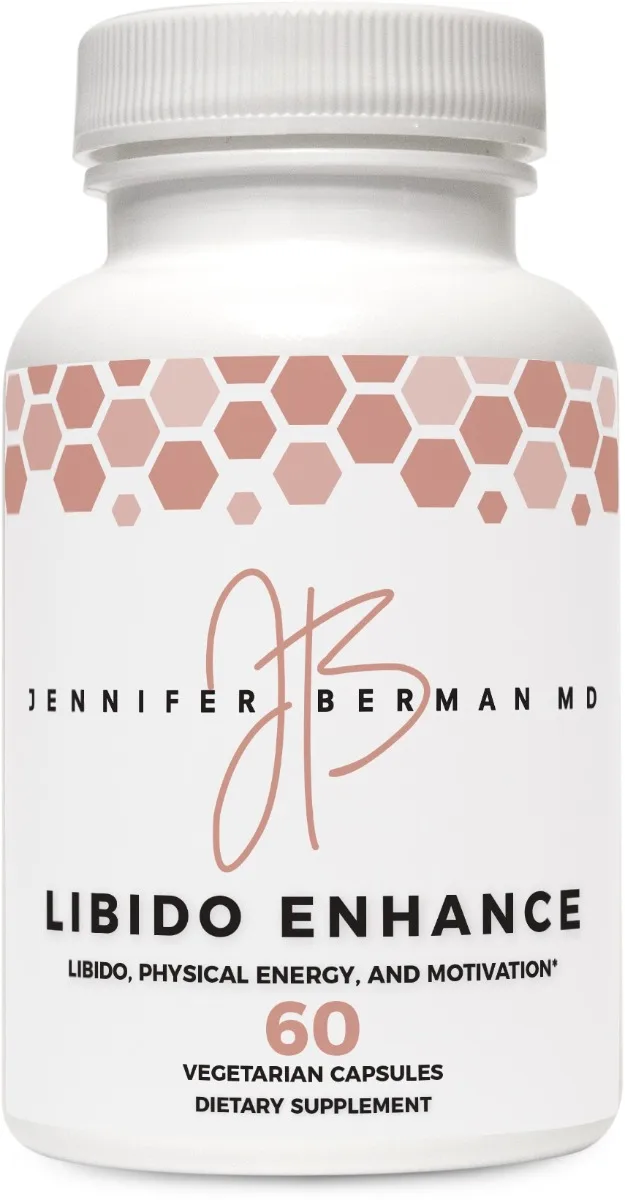
For women seeking a more natural approach to hormone balance, Bioidentical Hormone Replacement Therapy (BHRT) is an excellent option. Unlike synthetic hormones, bioidentical hormones are derived from plant sources and are designed to be structurally identical to the hormones your body produces naturally. This allows them to function in the same way, potentially leading to fewer side effects. Dr. Berman specializes in creating customized BHRT plans, often using pellet therapy, to deliver a steady, consistent dose of hormones tailored to your unique needs, helping to restore desire and vitality.
Testosterone for Women
While often thought of as a male hormone, testosterone is crucial for female sexual function, playing a key role in desire, arousal, and satisfaction. As women age, testosterone levels naturally decline, which can lead to a noticeable drop in libido. Though not yet FDA-approved specifically for female sexual dysfunction in the U.S., many experts prescribe testosterone for women off-label because of its proven effectiveness. Under the guidance of a specialist, low-dose testosterone therapy can safely help rekindle your sex drive and improve your overall sexual experience.
FDA-Approved Medications
For some women, particularly those whose low libido isn’t related to hormonal issues, an FDA-approved medication may be the right choice. These treatments work differently from hormone therapy, typically by targeting the neurotransmitters in the brain that are responsible for sexual excitement and desire. This approach addresses the issue at a neurochemical level, helping to correct imbalances that may be inhibiting your sex drive. A thorough consultation with a specialist like Dr. Berman can determine if you are a good candidate for one of these targeted medical treatments.
Addyi (Flibanserin)
Approved for premenopausal women with Hypoactive Sexual Desire Disorder (HSDD), Addyi (Flibanserin) is a non-hormonal pill taken once daily at bedtime. It works by altering the balance of key brain chemicals, increasing dopamine and norepinephrine (responsible for excitement) while decreasing serotonin (which can inhibit desire). Unlike medications that you take just before sex, Addyi works over time to restore a natural level of sexual desire. As with any medication, it’s important to discuss potential side effects, such as low blood pressure or dizziness, with your doctor to ensure it’s the right fit for you.
Therapies for Associated Conditions
Low libido doesn’t always exist in a vacuum. Often, it’s linked to other physical conditions that make sex uncomfortable or even painful. Issues like vaginal dryness, thinning vaginal tissues (atrophy), or pelvic pain can create a cycle where you avoid intimacy because of the discomfort, which in turn lowers your desire. Addressing these underlying physical problems is a critical part of a comprehensive treatment plan. By making sex pleasurable and pain-free again, you can naturally rediscover your desire and enthusiasm for intimacy.
Treatments for Vaginal Dryness and Painful Sex
If pain or discomfort is a barrier to your sex life, there are many innovative and effective solutions available. Conditions like vaginal dryness and atrophy are common but highly treatable. Dr. Berman offers a range of advanced, minimally invasive therapies designed to restore vaginal health and function. Treatments like Votiva and Forma V use gentle radiofrequency energy to improve blood flow and stimulate collagen production, enhancing lubrication and tissue elasticity. The O-Shot uses your own platelet-rich plasma to rejuvenate vaginal tissue. These therapies directly address the physical causes of painful sex, helping to make intimacy enjoyable again.
Your Next Steps for Low Libido Treatment
Low Libido FAQ
Q: Help! My sexual appetite has completely vanished! I cannot remember the last time I enjoyed, or actually wanted to have sex. What is happening? Is there a treatment for this?
A: So, your libido is not what it once was… well guess what? YOU are not alone! Whether it’s hormonal, or a change in brain chemistry, as we age, many women have trouble shutting off their everyday brains to prioritize pleasure, which can put major stress on a marriage and affect a woman’s self- esteem. Sexual chemistry is not just about you and your partner, it’s all about your relationship with your brain and the chemicals necessary to increase your interest and heighten your arousal when it comes to sex.
If your lack of desire in the “sex department” has lasted more than 6 months, you could be suffering from a condition called Hypoactive Sexual Desire Disorder (HSDD) which affects 1 in 10 premenopausal women.
We offer a wide variety of treatments for women experiencing a low libido, and can custom create a solution to bring back your passionate play.
Key Takeaways
- Your libido reflects your total well-being: A low sex drive is rarely about just one thing. It’s a complex interplay between your physical health, hormonal balance, emotional state, and even your relationship dynamics.
- A professional diagnosis is essential for clarity: Moving past the guesswork starts with a confidential conversation with a specialist. A proper evaluation is the only way to pinpoint the specific reasons for your low desire and create an effective plan.
- Effective treatment is always personalized: There is no one-size-fits-all solution. Your path forward might include hormone therapy, lifestyle adjustments, FDA-approved medications, or treatments for related conditions like painful sex, all tailored to your unique needs.