01
Low desire
Hypoactive sexual desire disorder (HSDD). Reduced libido after pregnancy, perimenopause, antidepressants, or hormonal contraception.
A 60–90 minute new-patient consult with Dr. Berman. We listen, we work it up, we make a plan together.
Low desire. Painful sex. Difficulty with arousal or orgasm. These are medical symptoms with measurable physiological causes — and they are treatable.
Hypoactive sexual desire disorder (HSDD). Reduced libido after pregnancy, perimenopause, antidepressants, or hormonal contraception.
Reduced genital sensitivity, lubrication issues, vascular insufficiency. Diagnostic workup includes hormonal panel and physical exam.
Dyspareunia, vaginismus, vulvodynia. Causes range from atrophy to pelvic floor dysfunction to nerve hypersensitivity.
Difficulty reaching orgasm, delayed orgasm, anorgasmia. Often hormonal, neurological, or pharmacologically induced.
Persistent symptoms 6+ months after delivery — laxity, sensation changes, scar tissue, hormonally driven libido shifts.
Sexual dysfunction following cancer treatment, hysterectomy, or chronic medication use. Restoration plan tailored to history.
A 60–90 minute first appointment with Dr. Berman. Detailed medical, hormonal, surgical, sexual, and pharmacological history.
Comprehensive hormone panel. Pelvic exam where indicated. Vascular and neurological assessment. Medication review.
A written plan covering pharmacological, regenerative, device, hormonal, and behavioral options — with rationale for each.
Re-evaluation at 4–6 weeks, then quarterly. Plans adjust based on labs, symptom response, and patient preference.
Detailed health intake (~30 min) submitted online before the first appointment so the visit isn’t spent paperwork-ing.
60–90 min in-person or telehealth. History, exam where indicated, lab orders. Treatment plan drafted on the spot.
Brief virtual review once labs are back. Plan refined. First prescriptions or in-office procedures scheduled.
Symptom review. Lab recheck where applicable. Adjustments to dosing, modality, or protocol.
By this point most patients have a clear sense of what’s working. Focus shifts to maintenance and long-term plan.
Yes. The DSM-5 and ICD-10 both list multiple FSD diagnoses (HSDD, female orgasmic disorder, genito-pelvic pain disorder, etc). The challenge is that most clinicians aren’t trained to evaluate them — not that they aren’t real.
The practice operates out-of-network. We provide superbills you can submit to your insurance for partial reimbursement under your out-of-network benefits. We accept HSA/FSA cards.
Every initial consultation is conducted by Dr. Berman. Follow-ups may be conducted by Dr. Berman or a member of the clinical team based on the visit type, but Dr. Berman remains the supervising physician for every patient on the panel.
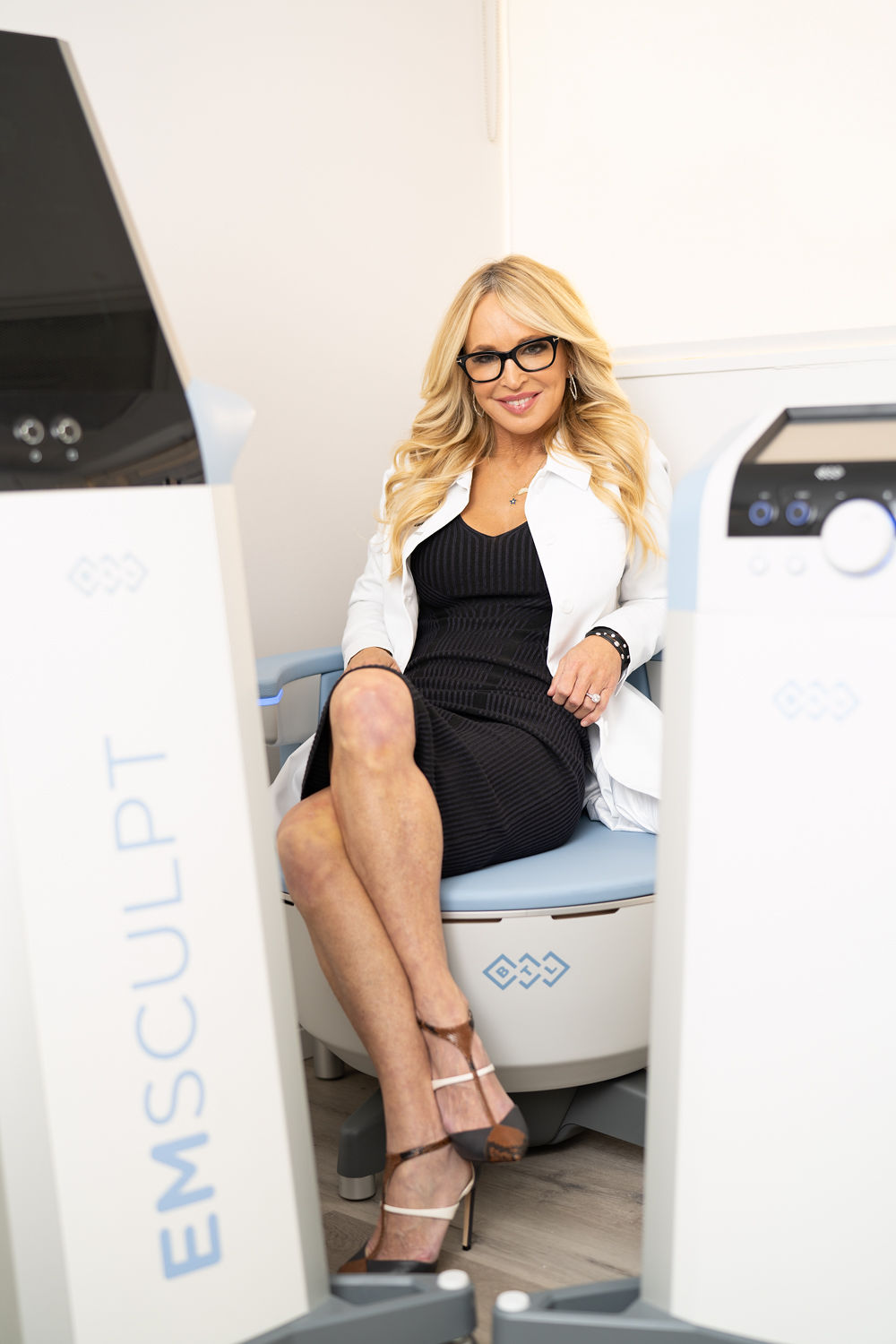
Initial consultations and most follow-ups can be done virtually. Procedures (Emsella, MonaLisa Touch, O-Shot, exams requiring physical evaluation) require an in-person visit.
Depends on modality. Hormonal protocols usually show measurable change in 4–8 weeks. Peptides like PT-141 are dose-of-event. Energy device protocols (Emsella, MonaLisa Touch) typically show change after the third session, with full effect at three months.