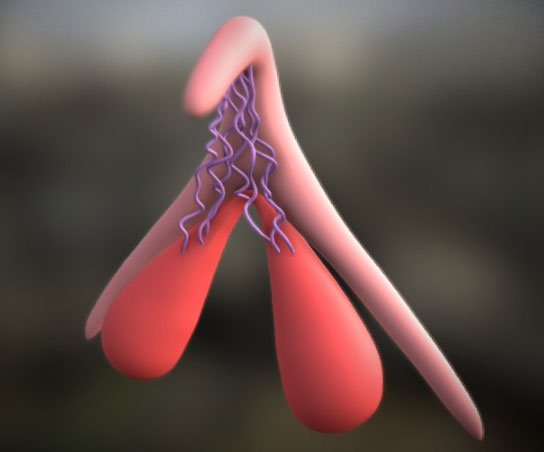
For most of my life, I thought the clitoris was just a small, sensitive button. That’s what we were all taught, right? It turns out, that’s like describing an iceberg by only its tip. The truth is so much more complex, extensive, and frankly, incredible. When I first saw a complete clitoris diagram showing its full internal structure—the wishbone-shaped legs and bulbs that extend deep into the pelvis—it completely changed my perspective on my own body and pleasure. This isn't just a minor anatomical correction; it's a fundamental piece of knowledge that can transform your relationship with your sexuality.
Below is an interactive 3D model of the clitoris created by French science teacher Philippe Cosentino. The rendering was done according to the sketches and instructions of Odile Fillod, French researcher responsible for developing a life-size, 3D printable model. 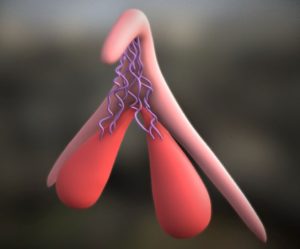 The importance of understanding the anatomy of the clitoris, its structure and function in relation to female pleasure cannot be overstated. For centuries medical, educational and popular literature have described it as a small, pea-sized female organ or omitted it from discussion all together thus limiting how we view women’s sexuality. A 3D model of the clitoris can help rectify our education. You can get the files necessary to make your own printable 3D model of the clitoris here. Recently, the anatomical facts of the female genitalia have been completely updated exposing its complexity and impressive sensory capacity. The public now has free access to a stylized, life-sized printable 3D model of the clitoris showing the glans, the visible part of the clitoris, and the hidden legs and bulbs. This 3D view of the clitoris is contributing to the knowledge about sensual pleasure for both men and women, reaching far beyond what has been defined before. Every woman’s pleasurable anatomy is completely unique to her. It varies in shape, size, color and texture. It is also always changing, which means there is much to learn and notice day-to-day about a woman’s pleasure. Viewing this model can provide a foundation for understanding women’s bodies.
How a 3D Clitoris Model Changed My Perspective on Pleasure
When I first grasped the full size and shape of the clitoris in a woman’s body, it not only transformed my perspective on female orgasm, but it expanded the experiences my partner and I were having in our research in Deliberate Orgasm. I could compare the change in my perception of the clitoris to the way humankind changed its perception of the Earth when we first saw it from space. It was like the difference between perceiving the Earth by standing on the beach in San Francisco looking out at the Pacific Ocean and the view that the early astronauts had when they first orbited the Earth. One may know intellectually that the earth is round but until one actually witnesses the earth as a three-dimensional sphere floating in space, one doesn’t fully understand the true scope and power of mother earth. The other day, I was having a Deliberate Orgasm date with my partner. During the date, I recalled the first moment years ago when I had a realization of the whole extent of the clitoris. At that time I didn’t have a 3D model of the clitoris available, but my partner described to me what she had learned about it. I became aware that I was stroking the rounded end of this long, bifurcated tubular structure that was mostly situated inside her body. Similar to that instance years ago, I suddenly saw the whole dragonfly shaped clitoris in my mind’s eye, while noticing the reflection of its full size and extent in the visible engorgement of her pussy. As I stroked her clitoral glans with my left index finger, the fingers of my right hand were resting on her right labia majora. As I felt her labia engorge, I knew that this engorgement was largely the engorgement of the right clitoral leg and bulb directly underneath. I maintained the awareness of this internal structure. It was as if I was holding her whole clitoris between both of my hands. At that moment, when my index finger moved across the surface of her glans, it rang out with sensation. My awareness of the full extent of her clitoris added depth to the feeling of the orgasm. Touching a small part of the externally exposed portion of the organ was echoing throughout the whole organ. I thought of it like my index finger was plucking a guitar string. The finger touches the string, a minute part of the instrument, but the entire sound box reverberates.
What Male Aroual Teaches Us About Female Pleasure
A bit later, it dawned on me, that women and men are different but also alike. Two major differences are that her clitoris is largely internal, and its sole function is pleasure. But when I considered the actual size of her whole organ, I realized it was comparable in size to my cock, and it also engorges like my cock. I thought of what it feels like when I or a partner strokes only the head, or even just the sensitive apex with one finger, compared to how it feels when she includes my whole shaft, balls, and bottom cock in her stroke, while still focusing on the apex. This latter choice, which includes the whole organ rather than a small part of it is by far my preference. I compared this to stroking a woman’s glans with one finger versus stroking her glans with awareness of her whole clitoris. In the case of a woman, you may not physically touch her whole clitoris, but you can touch it indirectly through external structures and by focusing your attention on it. Then I had an even more basic and profound realization. Although I find it pleasurable to cuddle and kiss or roll around with a woman when my cock is flaccid, it can be more fun and more fun things are possible when it is hard. So why wouldn’t it be the same for a woman? Wouldn’t it be much more pleasurable for her if her whole pussy, including her whole clitoris were properly engorged? Wouldn’t it be friendlier of me to do whatever it takes to have her whole pussy and whole clitoris engorge during whatever kind of sex act we might be getting into? Wouldn’t she feel more sensation with proper engorgement, whether we happened to be engaged in Doing, intercourse, or even just kissing? Well, it seems logical that for proper engorgement to happen, being aware of her whole clit and putting attention on it would be advantageous.
Why Your Focus Is the Key to Better Orgasms
Deliberate Orgasm or Doing is, not simply stroking the clitoris, but it involves two people putting their full attention on one person’s body to produce the maximum amount of sensation. This is the most effective way I’ve learned to produce female orgasm, crystallizing the fact that attention is a key factor in producing pleasure. By my training and my research, I have also found that when both my partner and I increase our attention on her pussy even more by continuously describing the changes it undergoes in Doing, the sensation will expand. When her glans engorges, this is just the visible tip of the entire engorging clitoral structure. When her labia majora engorge, this is mainly the engorgement of her clitoral bulbs. So I could say that describing the engorgement in this area is actually putting my attention on a woman’s clitoris. I feel that becoming aware of all these elements of her pleasurable anatomy has given me more appreciation for the full depth and richness of the pleasure that she can experience. Continuing to learn about the clitoris has been a lifelong journey as well as a love affair with the craft of Deliberate Orgasm, and with the women who relate with me over it. With the 3D model of the clitoris available as a new visual educational tool, a much better view of female pleasurable anatomy is accessible to anyone interested in learning about it. From the moment when I had the realization of this whole three dimensional structure, I noticed that the ride called female orgasm and the friendship based on it became richer, fuller, and more gratifying. It was a milestone in learning to take a woman on a ride. The magnificent feelings and expanded consciousness resulting from this sensual education have now become a part of life.
A Detailed Look at Clitoral Anatomy
For a long time, our understanding of the clitoris was surprisingly limited, often described as just a small, pea-sized nub. But thanks to modern science and imaging, we now know it's a complex and extensive organ primarily dedicated to pleasure. Think of it like an iceberg—the small part you see on the surface is just a hint of the much larger structure that lies beneath. Understanding its full anatomy is the first step in appreciating its incredible role in sexual response and overall well-being. This knowledge empowers you to better understand your own body, communicate your needs, and explore what feels good to you, transforming your relationship with pleasure from the inside out.
Getting familiar with both the external and internal parts can be a game-changer. The external glans is packed with nerve endings, but the internal body, crura, and bulbs make up a wishbone-shaped structure that wraps around the urethra and vagina. This internal network is why different types of stimulation can feel so varied and why arousal can feel like a full-body experience. When you realize the sheer scope of this organ, it reframes the conversation around female pleasure, moving it beyond a single point of contact to a whole region of sensitivity and potential. Let's explore these different parts and how they work together to create sensation.
The External Parts: Glans and Hood
When we talk about the clitoris, we're often referring to the parts we can see and touch. These external components, the glans and the hood, are the most accessible areas and play a huge role in sexual arousal and pleasure. The clitoral glans is the visible tip, renowned for its sensitivity, while the hood acts as its protective covering. Together, they form the gateway to the clitoris's extensive internal network. Understanding their specific functions helps demystify clitoral stimulation and provides a clear starting point for personal exploration or communication with a partner about what feels best for you.
The Clitoral Glans
The clitoral glans is the small, visible part at the top of the vulva where the inner labia meet. It's typically about the size of a pea and is the most sensitive part of the entire organ. This is because it's densely packed with thousands of nerve endings, making it exceptionally responsive to touch. The glans is the external tip of the much larger internal clitoral body. Its sole purpose is pleasure, and for many women, direct or indirect stimulation of the glans is essential for reaching orgasm. Getting to know this area is fundamental to understanding your own sexual response.
The Clitoral Hood
Covering the glans is the clitoral hood, a small fold of skin that serves a dual purpose. Primarily, it protects the highly sensitive glans from constant friction and overstimulation from clothing or daily activities. During arousal, the hood can retract, exposing more of the glans to make it more accessible to touch. For some, stimulation of the hood itself can be incredibly pleasurable, offering a more gentle, indirect sensation compared to touching the glans directly. The movement of the hood can also enhance pleasure, making it an integral part of the arousal experience for many women.
The Internal Structure: Body, Crura, and Bulbs
The true marvel of the clitoris lies beneath the surface. The internal structure is a complex, wishbone-shaped network that extends deep into the pelvis. This includes the clitoral body, which connects to the external glans, and two "legs" known as the crura, which run along the pubic bone. Additionally, two vestibular bulbs, often described as being heart-shaped, sit on either side of the vaginal opening. These erectile tissues swell with blood during arousal, contributing to the feeling of fullness and sensitivity throughout the entire genital region. This internal system is why stimulation can be felt so deeply and why pressure on surrounding areas can also be intensely pleasurable.
What Happens During Arousal
When you become sexually aroused, a fascinating physiological process begins. Blood rushes to the erectile tissues of the clitoris, causing the entire structure—both internal and external—to swell and become firm. This is essentially a clitoral erection, similar to a penile erection. The glans becomes more prominent and sensitive, and the internal bulbs and crura engorge, which can create a feeling of fullness in the vulva and around the vagina. This increased blood flow heightens sensitivity, making every touch more intense and pleasurable, ultimately building toward the potential for orgasm. This response is a key part of the sexual experience.
The Clitoris by the Numbers: Size and Sensitivity
When you look at the numbers, the clitoris is truly an anatomical powerhouse. Its design is focused entirely on pleasure, and the statistics behind its sensitivity are astounding. While its visible part is small, its total size is comparable to that of a penis, and its concentration of nerve endings is unmatched anywhere else on the body. These facts aren't just trivia; they highlight why clitoral stimulation is so central to female sexual pleasure and orgasm. Understanding the sheer sensory capacity of this organ can help validate your experiences and provide a scientific basis for prioritizing your pleasure. It emphasizes that sensitivity isn't just a feeling but a biological reality rooted in a complex and powerful neural network.
A Powerhouse of Nerve Endings
The sensitivity of the clitoris is legendary for a reason. The clitoral glans alone is estimated to contain more than 10,000 nerve endings. To put that in perspective, that's more than twice the number found in the glans of the penis. This incredible density of sensory nerves is what makes the clitoris so exquisitely sensitive to touch, pressure, and vibration. It's a structure built for receiving and processing pleasure signals, sending them directly to the brain. This biological fact underscores why direct clitoral stimulation is often the most effective and direct path to orgasm for the majority of women.
Understanding Clitoral Dimensions
While the visible glans is quite small, the entire clitoral organ is much larger. On average, the total length of the clitoris, including the internal body, is about 16 millimeters (or 0.63 inches). However, like all body parts, there is a wide range of normal variation in size and shape from person to person. The internal "legs" or crura can extend several inches into the body. Recognizing that the majority of this pleasure organ is internal helps explain why arousal can feel so widespread and why different types of pressure and stimulation, not just direct touch to the glans, can lead to intense pleasure.
The Clitoris and Orgasm: What the Science Says
The connection between the clitoris and orgasm is not just anecdotal; it's backed by extensive scientific research. For decades, female pleasure was often misunderstood or sidelined in medical and popular discourse, but modern science has firmly established the clitoris as the epicenter of female orgasm. Studies consistently show that the vast majority of women require clitoral stimulation to reach a climax. This understanding helps correct outdated myths about vaginal-only orgasms and validates the experiences of countless women. It also provides a clearer roadmap for achieving sexual satisfaction, placing the focus on the anatomy that is specifically designed for it.
Beyond just achieving orgasm, the science also sheds light on related concepts like the G-spot and the broader health benefits of sexual pleasure. Many researchers now believe the G-spot isn't a distinct entity but rather a region where the internal parts of the clitoris can be stimulated through the vaginal wall. Furthermore, the physiological release during orgasm has tangible health perks, from pain relief to stress reduction. This scientific perspective not only empowers individuals with knowledge but also encourages a healthier, more open conversation about female sexuality and the importance of pleasure for overall well-being.
The Truth About Female Orgasm
Let's clear up one of the biggest myths about female pleasure: research indicates that a significant majority of women, estimated between 70-80%, require some form of direct clitoral stimulation to achieve orgasm. The idea that orgasm should happen from penetrative sex alone is not the reality for most women. This is not a sign of dysfunction but a simple matter of anatomy. The vagina has far fewer nerve endings than the clitoris. Understanding and accepting this fact can be incredibly liberating, removing pressure and allowing you and your partner to focus on what actually feels good and leads to climax.
Solving the G-Spot Mystery
The G-spot has been a topic of debate for years, but many experts now believe it's not a separate, magical button but is intrinsically linked to the clitoris. The theory is that the G-spot is an area on the front wall of the vagina where the internal structures of the clitoris—specifically the vestibular bulbs and crura—can be stimulated. When this area is pressed, it's essentially indirect stimulation of the internal clitoral network. This explains why it can feel so intensely pleasurable for some and why it can lead to a different kind of orgasmic sensation. For those interested in enhancing this area, treatments like the G-Shot are designed to increase sensitivity.
Health Benefits Beyond Pleasure
Orgasms aren't just for fun; they come with some real health benefits. When you climax, your body releases a rush of endorphins, which are natural pain relievers and mood elevators. This hormonal cocktail can help reduce stress, improve sleep, and even alleviate menstrual cramps. The muscle contractions during orgasm can also help strengthen pelvic floor muscles. Embracing your sexuality and prioritizing pleasure is a form of self-care that contributes to both your mental and physical health, making it an important part of a holistic wellness routine.
Practical Advice for Clitoral Stimulation
Knowing the anatomy is one thing, but putting that knowledge into practice is where the magic happens. Exploring clitoral stimulation is a personal journey, and what works for one person might not work for another. The key is to approach it with curiosity, patience, and a focus on what feels good to you, rather than chasing a specific outcome. Creating a comfortable and relaxed environment is the first step. From there, understanding the roles of gentle touch, lubrication, and open communication can make the experience more enjoyable and satisfying, whether you're exploring on your own or with a partner.
Creating a Comfortable Experience
Because the clitoris is so sensitive, starting gently is always a good idea. Direct, intense stimulation right away can be overwhelming for some. Try beginning with touch on the surrounding areas, like the inner thighs or the labia, to build arousal gradually. When you do move to the clitoris, you might start by gently stroking the hood or the area beside the glans rather than the glans itself. Pay attention to your body's feedback and adjust the pressure, speed, and motion accordingly. The goal is to discover what brings you pleasure, and that often involves a slow and mindful approach.
The Role of Lubrication
Lubricant is your best friend when it comes to comfortable and enhanced stimulation. It reduces friction, which can prevent irritation and make every touch feel smoother and more pleasurable. Even if you produce natural lubrication, adding more can heighten sensation. There are many different types available—water-based, silicone-based, and oil-based—so you can experiment to find one you like. Using lubricant ensures that the focus remains on pleasure, not discomfort, allowing you to relax and fully immerse yourself in the experience without any distracting friction.
Managing Expectations and Communication
It's important to remember that pleasure is the journey, not just the destination. It's perfectly normal and okay if you don't orgasm every single time you're sexual. Putting too much pressure on reaching a climax can create anxiety and actually make it harder to relax and enjoy the moment. The most important thing is to focus on what feels good. If you're with a partner, open communication is crucial. Don't be afraid to guide their hand, tell them what you like (and what you don't), and make the experience a collaborative exploration of your pleasure.
The Bigger Picture: Science, History, and Culture
The story of the clitoris extends far beyond anatomy textbooks; it's deeply intertwined with science, history, and culture. For centuries, its true structure and function were overlooked or misrepresented, a reflection of broader societal views on female sexuality. Understanding this historical context is crucial because it helps explain why so many myths and so much misinformation have persisted for so long. It also highlights the importance of the recent scientific discoveries that have finally brought the full, complex picture of the clitoris to light, sparking a new era of education and empowerment for women everywhere.
A Shared Embryonic Origin
Here's a fascinating biological fact: the clitoris and the penis develop from the exact same embryonic tissue. In the early stages of fetal development, this tissue, called the genital tubercle, is identical. Depending on hormonal signals, it will differentiate to become either a clitoris or a penis. This shared origin explains the structural similarities, such as the glans and erectile tissue. It's a powerful reminder that female and male sexual anatomy are not polar opposites but variations on a common theme, both designed for sensitivity and pleasure.
The Long Road to Anatomical Accuracy
It might be shocking to learn, but the full, three-dimensional structure of the clitoris wasn't widely understood or accurately depicted in medical textbooks until the 1990s. For centuries, it was either ignored or described incompletely, focusing only on the small external glans. This historical oversight had profound consequences, contributing to a widespread lack of knowledge about female pleasure and orgasm. The work of researchers who used modern imaging to map its complete internal structure has been revolutionary, correcting a long-standing gap in medical science and paving the way for better sexual health education.
Why Clitoral Education Matters
Spreading accurate information about the clitoris is more than just an anatomy lesson; it's a crucial step toward sexual empowerment and equality. When people understand the clitoris's central role in female pleasure, it helps dismantle harmful stigmas surrounding female sexuality and masturbation. This knowledge empowers women to advocate for their own pleasure and provides everyone with the tools to have more satisfying sexual experiences. Better education fosters healthier attitudes, encourages open communication, and ultimately contributes to a culture where female pleasure is understood, valued, and prioritized.
Clitoral Health and When to See a Doctor
Just like any other part of your body, the clitoris can be affected by certain health conditions. While issues are relatively rare, it's important to be aware of potential concerns and know when it's time to seek professional medical advice. Changes in sensation, persistent pain, or unusual physical changes are all valid reasons to consult a specialist. A healthcare provider who specializes in sexual health can offer an accurate diagnosis and discuss treatment options. Prioritizing your sexual health is a vital component of your overall well-being, and you should never hesitate to seek help for any concerns you may have.
Hormonal fluctuations, particularly during menopause, can also impact clitoral sensitivity and tissue health. Furthermore, certain medical conditions can cause discomfort or changes in arousal that warrant a conversation with a doctor. A sexual health specialist, like Dr. Berman, can provide a safe, confidential space to discuss these sensitive issues. They can help you understand the underlying causes and explore personalized treatments, from hormone therapy to other innovative procedures, ensuring that your sexual health is managed with expert care and compassion, allowing you to maintain a fulfilling and pleasurable life.
Medical Conditions to Be Aware Of
While uncommon, there are specific medical conditions that can affect the clitoris. These can range from persistent, unwanted arousal to painful conditions that require medical intervention. Being aware of these possibilities is part of understanding your body and knowing when something isn't right. If you experience symptoms that are causing you distress or discomfort, it's essential to speak with a doctor who can provide a proper diagnosis and guide you toward the right treatment plan. Ignoring persistent issues can lead to further complications, so early consultation is always the best approach.
Persistent Genital Arousal Disorder (PGAD)
Persistent Genital Arousal Disorder, or PGAD, is a rare condition characterized by spontaneous, persistent, and unwanted feelings of genital arousal. These sensations can be distressing and intrusive, occurring without any sexual desire or stimulation and not relieved by orgasm. The exact cause of PGAD is not fully understood, but it's thought to be related to neurological, vascular, or psychological factors. It can significantly impact a person's quality of life, and treatment often requires a multidisciplinary approach from specialists who understand the complexities of sexual health and pelvic disorders.
Clitoral Priapism
Clitoral priapism is an extremely rare but serious condition involving a prolonged, painful erection of the clitoris that is not associated with sexual arousal. Similar to priapism in men, it's considered a medical emergency because the persistent blood flow can damage tissue if not treated promptly. It can be caused by certain medications, particularly some antidepressants, or other underlying health issues. If you experience a painful, persistent clitoral erection lasting for several hours, it is crucial to seek immediate medical attention to prevent long-term complications and preserve sexual function.
Hormonal Influences on the Clitoris
Hormones play a significant role in sexual health and can directly influence the clitoris. For example, androgens like testosterone are crucial for libido and clitoral sensitivity. During menopause, declining estrogen and testosterone levels can lead to vaginal atrophy and reduced clitoral sensation. Conversely, the use of anabolic steroids can cause the clitoris to enlarge, a condition known as clitoromegaly. Understanding your hormonal landscape is key to managing your sexual health, and treatments like Bioidentical Hormone Replacement Therapy can often help restore balance and improve function for women experiencing hormonal changes.
How a Sexual Health Specialist Can Help
If you have any concerns about your clitoral health, sensation, or overall sexual function, consulting a specialist is the best course of action. A sexual health expert like Dr. Jennifer Berman can provide a comprehensive evaluation to understand the root cause of your issues, whether they're related to hormonal imbalances, nerve issues, or other medical conditions. Modern medical approaches prioritize preserving sensation and function. A specialist can offer a range of personalized treatments and therapies designed to address your specific needs, helping you regain comfort, confidence, and pleasure in your sexual life.
A Detailed Clitoris Diagram: Visualizing the Full Anatomy
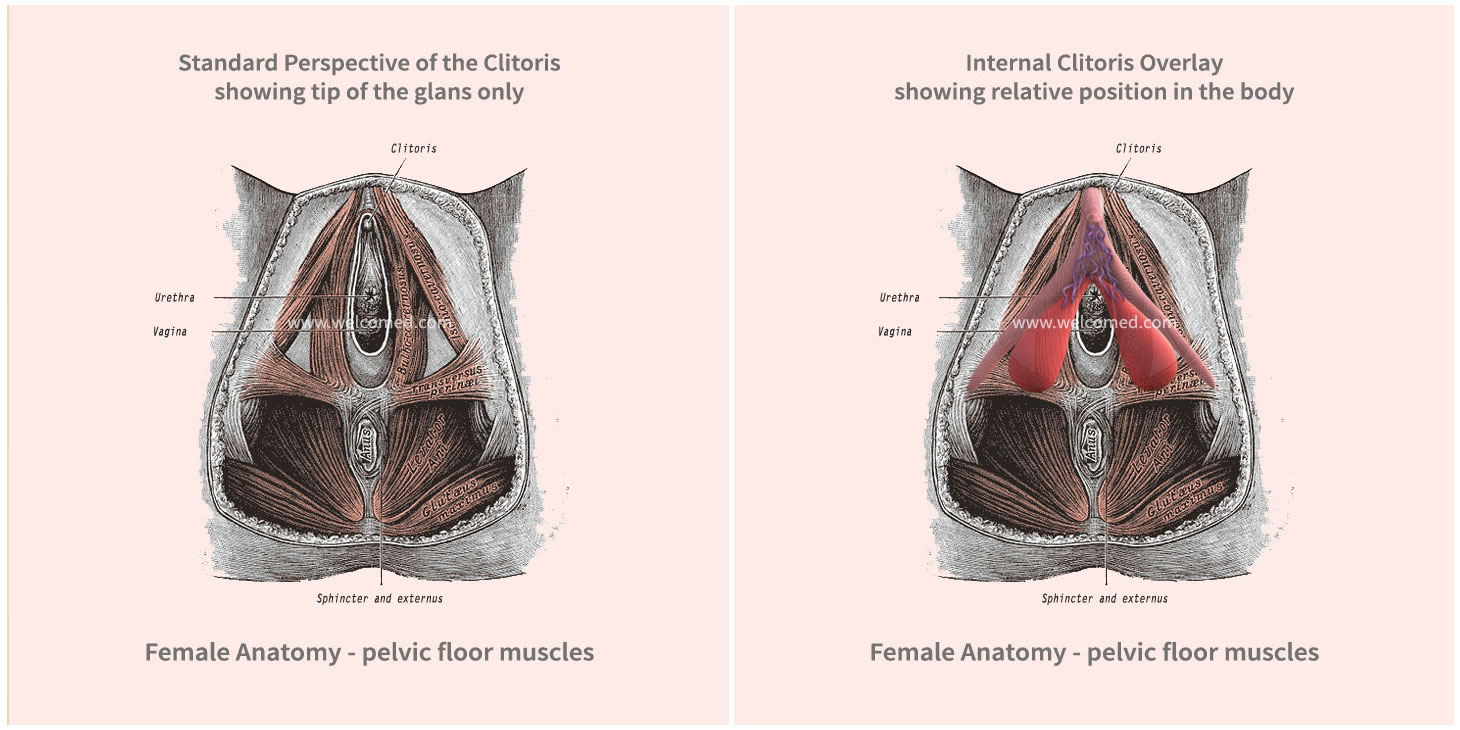
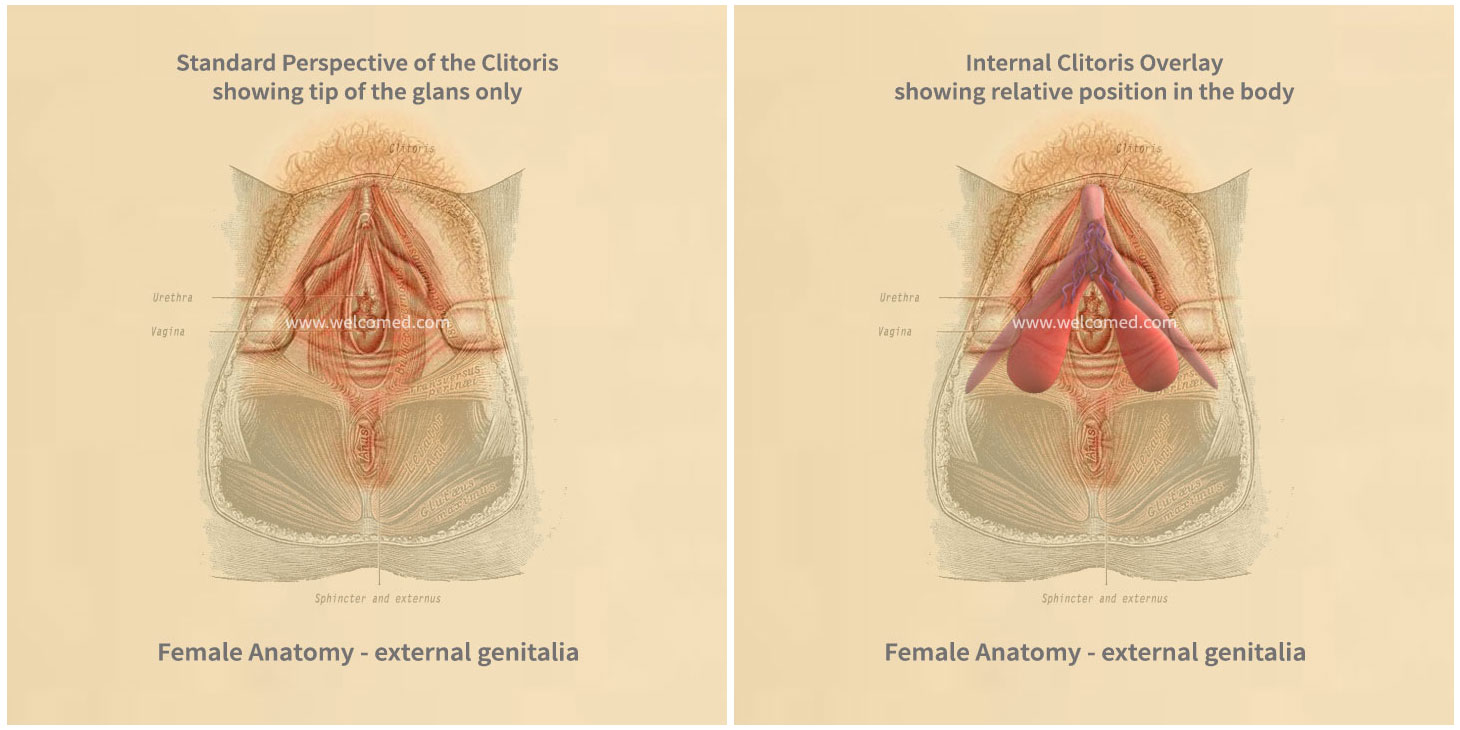 PHOTO CREDITS: welcomed.com
Frequently Asked Questions
If most of the clitoris is internal, how can I stimulate the whole thing? That's a fantastic question and gets to the heart of why this knowledge is so powerful. You don't need to physically touch the internal parts directly. Think of it like playing a guitar; you pluck a string, and the entire instrument resonates. When you stimulate the external glans, the sensation echoes throughout the entire internal network. You can also stimulate the internal legs and bulbs indirectly through pressure on the labia and the area around the vaginal opening. The key is awareness—simply knowing the full structure is there can deepen the experience for you and a partner.
Is it true that most women need clitoral stimulation to have an orgasm? Yes, and it's so important to know this isn't a personal failing but a simple fact of anatomy. The clitoris, particularly the external glans, has thousands more nerve endings than the vaginal canal. For the vast majority of women, stimulating this nerve-rich area is the most direct and reliable path to orgasm. Understanding this can be incredibly freeing, as it removes the pressure to climax from penetration alone and allows you to focus on what truly brings you pleasure.
You mentioned the G-spot is part of the clitoris. Does that mean a 'G-spot orgasm' is just a clitoral orgasm? Essentially, yes. The G-spot isn't a separate, magical button but rather an area inside the front wall of the vagina. When this spot is stimulated, you're actually applying pressure to the internal parts of the clitoris, like the bulbs and crura. So, a G-spot orgasm is really a clitoral orgasm that's achieved through internal stimulation. It can feel different because a different part of the same pleasure system is being engaged, but it all traces back to the same incredible organ.
My sensitivity seems to have decreased with age. Is this normal? It's completely normal to notice changes in your body and sexual response over time. Hormonal shifts, especially during perimenopause and menopause, can affect blood flow and tissue health, which can lead to decreased sensitivity. This is a very common concern, but it's not something you just have to live with. A sexual health specialist can help you understand the cause and explore options, such as hormone therapy, that can restore sensation and function.
Why is it so important to understand this anatomy? Isn't just doing what feels good enough? Following what feels good is always the most important rule! But think of this anatomical knowledge as a map for your pleasure. It gives you the language to understand your own body and communicate your needs more clearly to a partner. It helps explain why certain types of touch feel amazing and others don't. Knowing the full scope of the clitoris empowers you to explore with more intention and confidence, which often leads to discovering new and even better ways to experience pleasure.
Key Takeaways
- Your Anatomy is More Than You Think: The visible part of the clitoris is just the tip of a large, complex internal organ. Understanding its full structure is the first step to gaining a new perspective on your body and pleasure.
- Clitoral Stimulation is Key to Orgasm: With more than 10,000 nerve endings, the clitoris is the center of female pleasure. For most women, stimulating it directly or indirectly is essential for reaching orgasm, so don't hesitate to make it a priority.
- Communicate and Experiment with Confidence: Use your anatomical knowledge to guide your exploration. Start gently, use lubricant to enhance sensation, and talk openly with your partner about what feels good—pleasure is a journey, not a race.
Related Articles
- 3D Model of the Clitoris Exposes Pleasurable Female Anatomy | Dr. Jennifer Berman MD
- Beyond the G spot: Where do we go from here? | Dr. Jennifer Berman MD
- First Sex Toy to Effectively Treat Women with Orgasmic Difficulty
- How Does Cancer Affect Women's Sexual Health? | Dr. Jennifer Berman MD
- Female Sexual Dysfunction | Dr. Jennifer Berman MD



Leave A Comment
You must be logged in to post a comment.