If you’re exploring hormone replacement options, you’ve likely come across creams, patches, and pellets. Each method has its own routine and price point. While pellets might seem like a bigger upfront investment, it’s important to look at the complete picture. The cost of hormone pellet therapy reflects a “set it and forget it” approach that offers months of consistent relief without daily applications. This guide compares the long-term value and convenience of pellets to other HRT methods. We’ll look at how the predictable, twice-a-year expense of pellets stacks up against the ongoing monthly costs of prescriptions, helping you decide which approach best fits your lifestyle and budget.
Key Takeaways
- Budget for a complete care plan: The total cost of pellet therapy includes everything from your initial consultation and lab work to the procedure and follow-ups. Expect an annual cost of around $1,500 to $1,800 for a fully managed treatment.
- Your final cost is unique to you: Hormone pellet therapy is not a one-price-fits-all service. The final cost depends on your specific dosage needs, your provider’s experience, and your geographic location.
- Confirm your insurance coverage and payment options: Insurance typically covers initial consultations and lab work but often does not cover the pellets or insertion procedure. Plan to pay for the treatment directly and always ask your provider about payment plans or financing.
What Is Hormone Pellet Therapy?
Hormone pellet therapy is a straightforward way to restore your body’s natural hormone balance. Think of it as a tiny, long-lasting supplement. The therapy uses small pellets, about the size of a grain of rice, that are placed just under your skin. These pellets contain bioidentical hormones, which are designed to be structurally identical to the hormones your body produces on its own. This approach to hormone replacement can help manage the frustrating symptoms that often come with hormonal shifts from perimenopause, menopause, or other health conditions. It’s a popular choice for women seeking a consistent, low-maintenance solution to feel like themselves again.
How Do Hormone Pellets Work?
Once the pellet is inserted under your skin (usually in the upper hip area), it gets to work by slowly and consistently releasing hormones directly into your bloodstream. This method is designed to mimic your body’s natural hormone production, avoiding the daily fluctuations you might experience with pills, creams, or patches. The pellets deliver a steady dose of hormones like estradiol or testosterone for women over several months. The best part? The procedure is quick, and a single treatment can last for three to four months, giving you the freedom to live your life without thinking about your hormone therapy every day.
Is Hormone Pellet Therapy Right for You?
Deciding if pellet therapy is the right path for you is a personal decision that starts with a conversation. It’s an effective treatment for many women dealing with symptoms like fatigue, brain fog, vaginal dryness, or a frustratingly low libido. However, it’s not a one-size-fits-all solution. The first step is a comprehensive consultation with a specialist who will review your medical history and run lab tests to understand your specific hormonal needs. This ensures your treatment is completely customized. Together, you and your doctor can weigh the benefits and determine if this therapy aligns with your health goals and lifestyle.
Breaking Down the Cost of Hormone Pellet Therapy
When you’re considering a new treatment, understanding the financial investment is a huge piece of the puzzle. The cost of bioidentical hormone replacement therapy isn’t just a single price tag; it’s a combination of services designed to give you the most personalized and effective care. Think of it less like a one-time purchase and more like an ongoing wellness plan. The total cost typically includes your initial consultation, comprehensive lab work to assess your specific hormonal needs, the pellet insertion procedure itself, and any necessary follow-up appointments. Each step is essential for ensuring your treatment is tailored perfectly to you. By looking at these components individually, you can get a much clearer picture of the overall investment in your health and well-being. This approach helps you plan accordingly and feel confident in your decision, knowing exactly what to expect from start to finish.
Your Initial Consultation and Lab Work
The first step is a detailed consultation with your provider. This is where you’ll discuss your symptoms, health history, and goals. To create a treatment plan that’s right for you, we need to see what’s happening with your hormones. This requires comprehensive blood work. The initial consultation and required lab tests are fundamental to crafting your unique dosage. This foundational step ensures your therapy is safe, effective, and customized to your body’s precise needs. Expect this initial phase to be a key part of your startup costs, setting the stage for a successful treatment journey.
The Pellet Insertion Procedure
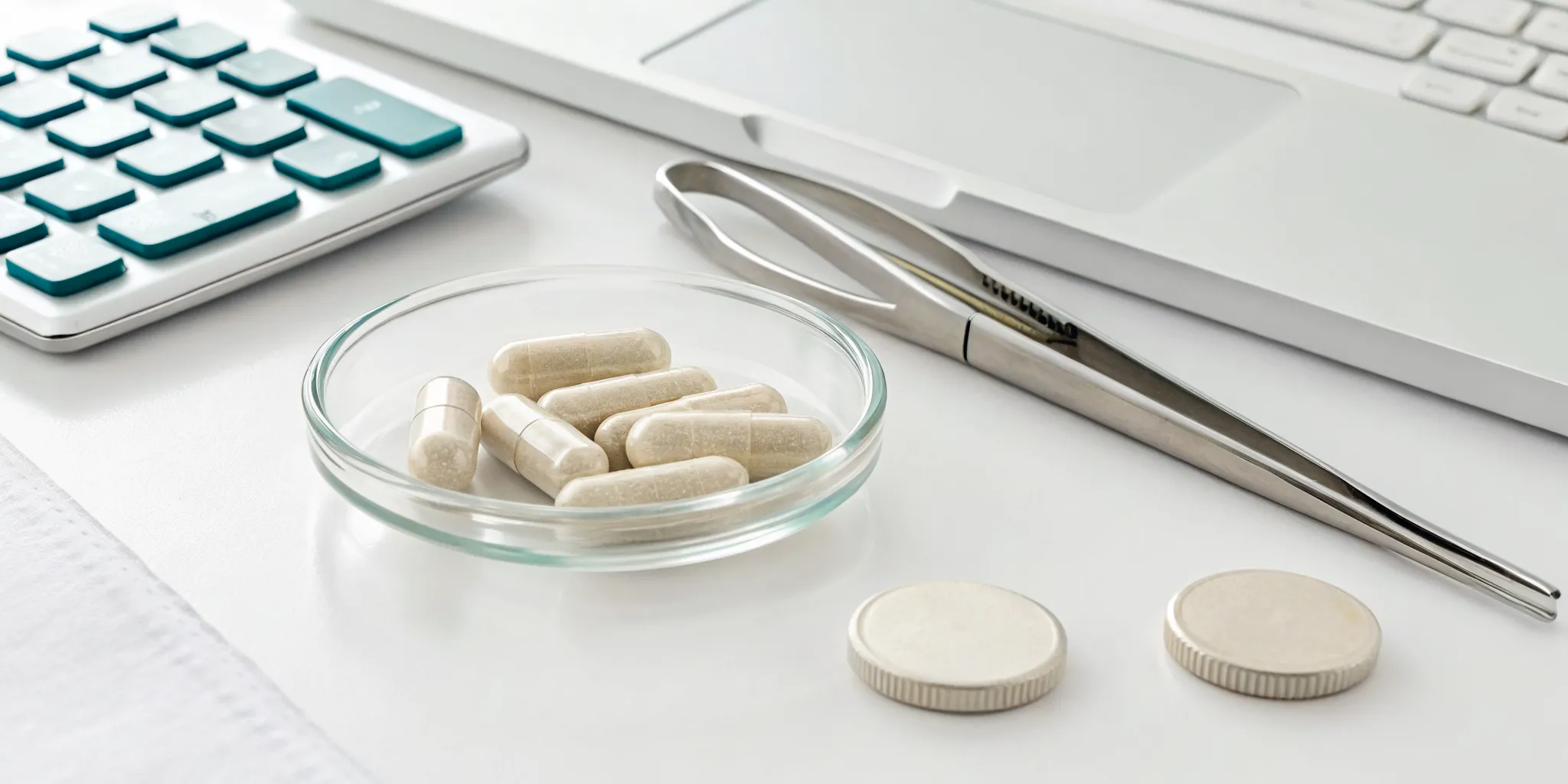
Once your personalized hormone dosage is determined, the next step is the pellet insertion. This is a simple, in-office procedure where the tiny pellets are placed under the skin. The cost for the procedure itself typically covers the pellets and the insertion. For women, a single pellet insertion costs around $600 and is generally needed every four to six months. When you break it down, this often comes out to an annual investment of about $1,800. This consistent schedule ensures you maintain stable hormone levels, helping you feel your best without daily pills or weekly creams.
Follow-Up Appointments
After your initial pellet insertion, your treatment plan includes follow-up care to monitor your progress. The pellets are designed to last between three and five months for women, delivering a steady stream of hormones. While you’ll need a new insertion procedure a few times a year, you won’t necessarily need a full consultation each time. Typically, a more in-depth follow-up appointment is scheduled about once a year to review your progress and make any adjustments to your dosage. This ensures your hormone therapy continues to meet your body’s changing needs over time.
How Often Will You Need New Pellets?
One of the best things about hormone pellet therapy is its “set it and forget it” nature. Once the pellets are inserted, they get to work balancing your hormones without you having to think about it every day. But to keep feeling your best, you’ll need to stick to a regular replacement schedule. This consistency is what makes the therapy so effective over the long term. Let’s look at what that schedule typically involves and how it translates to your annual budget.
Understanding Your Replacement Schedule
For most women, new pellets are needed every three to five months. This is because the tiny, custom-compounded pellets are designed to release a steady stream of hormones and then safely dissolve. Your personal replacement schedule will depend on a few factors, like how quickly your body metabolizes the hormones, your stress levels, and your physical activity. Dr. Berman will work with you to create a personalized hormone replacement therapy plan. Through follow-up appointments and monitoring, she’ll pinpoint the perfect timing for your next insertion, ensuring you never experience a dip in your hormone levels.
Calculating Your Annual Cost
When you think about budgeting, it helps to look at the big picture. For most women, the annual cost of hormone pellet therapy lands somewhere between $1,500 and $1,800. If you break that down, it’s about the price of a daily latte. Considering the relief from symptoms like fatigue, brain fog, and low libido, many women see it as a worthwhile investment in their daily quality of life. Your exact cost will depend on your specific dosage and how often you need new pellets, but this gives you a solid idea of what to expect as you explore your treatment options.
What Factors Affect the Cost?
When you start looking into hormone pellet therapy, you’ll quickly notice that there isn’t a single, universal price tag. The cost can vary quite a bit, and that’s because the treatment is tailored specifically to you. Think of it less like buying a product off the shelf and more like investing in a personalized wellness plan. Several key factors influence the final cost, from your body’s unique needs to the provider you choose.
Understanding these variables can help you see the full picture and make an informed decision that feels right for you and your budget. It’s not just about the pellets themselves; it’s about the comprehensive care that comes with them. The price reflects the level of expertise, the quality of the materials, and the personalized attention required to get your hormones balanced safely and effectively. Let’s walk through the main elements that shape the cost of your treatment, so you know exactly what to expect.
Your Location
Just like the cost of housing or a cup of coffee, medical treatment prices can change depending on where you live. A clinic in a major metropolitan area like Beverly Hills will likely have different pricing than one in a smaller town. This is often due to higher operational costs, including rent and staff salaries. The total cost of your pellet therapy will be influenced by the local market rates in your area. While it might be tempting to shop around for the lowest price, remember that convenience and access to top-tier care close to home are also valuable parts of your treatment experience.
Your Provider’s Expertise
When it comes to your health, the experience of your provider is paramount. The cost of hormone pellet therapy often reflects the practitioner’s level of specialization, training, and reputation. A provider like Dr. Jennifer Berman, who is a renowned expert in women’s sexual health and hormonal balance, brings a depth of knowledge that ensures your treatment is not only effective but also safe. Choosing a provider with extensive experience may come at a higher price point, but you’re paying for their skill in accurately diagnosing your needs, precisely dosing your pellets, and managing your care for the best possible outcome. This expertise is a crucial part of your investment in your well-being.
Your Unique Dosage Needs
Hormone pellet therapy is not a one-size-fits-all solution. Your body is unique, and your treatment plan will be created just for you based on comprehensive lab work and a thorough consultation. The specific type of hormones you need (like estrogen or testosterone) and the precise dosage required to bring your body into balance will directly affect the cost. Someone with a more significant hormonal imbalance might require a higher or more complex dosage, which can increase the price of the pellets. This personalization is what makes the therapy so effective, ensuring you get exactly what your body needs to feel its best.
The Type of Clinic
The environment where you receive your treatment also plays a role in the overall cost. A general practitioner’s office that offers pellet therapy as one of many services may have different pricing than a specialized clinic that focuses exclusively on hormonal and sexual health. Boutique or specialized clinics often invest in the latest technology, provide a more comfortable and private setting, and offer a suite of complementary services to support your wellness journey. This higher standard of care and dedicated focus is typically reflected in the price, giving you a more comprehensive and specialized experience.
Will Insurance Cover Hormone Pellet Therapy?
Let’s talk about a big question on everyone’s mind: the cost and what insurance will cover. Navigating insurance policies can feel like a maze, and when it comes to hormone pellet therapy, the path isn’t always straight. Coverage can vary widely depending on your specific plan and provider. While some parts of the process may be covered, others often are not. Understanding these distinctions ahead of time can help you plan financially and feel more in control of your health journey. Here’s a breakdown of what to expect when you look into your insurance benefits.
What Your Plan Might Cover
Most insurance plans draw a line between diagnostic services and the treatment itself. You’ll likely find that your initial consultation and the necessary blood work to assess your hormone levels are covered, at least in part. These steps are typically seen as standard diagnostic care. However, the hormone pellets and the insertion procedure are often categorized differently. Many insurance providers consider bioidentical hormone replacement therapy with pellets to be an elective or alternative treatment, which means they may not cover the cost. It’s essential to check your specific plan details to know for sure.
How to Talk to Your Insurance Provider
Advocating for yourself is key. Before you even schedule your procedure, call the member services number on the back of your insurance card. When you speak with a representative, be prepared to ask specific questions. You can ask for a list of covered and non-covered services related to hormone replacement therapy. It’s also helpful to get the specific billing codes for the consultation, lab work, and procedure from your doctor’s office beforehand. Being persistent and informed shows your provider you’re serious about the treatment. Document who you spoke to and what they said for your records.
Planning for Out-of-Pocket Costs
Since coverage for the pellets and insertion is not guaranteed, it’s wise to plan for out-of-pocket expenses. The initial consultation and lab work can range from $150 to over $300. The pellet insertion procedure itself is a separate cost that you will likely pay directly to the clinic. For many women, the total annual cost can be around $1,800, which breaks down to just a few dollars a day. While this is an investment, many find the profound improvements in their energy, mood, and overall well-being to be invaluable. A reputable provider like Dr. Jennifer Berman will be transparent about all costs upfront.
Are There Other Costs to Consider?
When you’re budgeting for hormone pellet therapy, it’s smart to look beyond the price of the pellets themselves. Think of it as an investment in your overall well-being, which sometimes involves a few extra components to ensure you get the best possible results. Being aware of these potential additional costs from the start helps you plan effectively and feel confident in your decision. These aren’t hidden fees; they’re part of a comprehensive approach to your health, designed to keep you safe, comfortable, and on track toward your goals.
Ongoing Lab Work and Monitoring
Your journey with hormone therapy doesn’t end after the pellet insertion. To ensure your treatment is both safe and effective, your provider will need to perform regular lab work. These tests monitor your hormone levels, allowing for precise adjustments to your dosage over time. This is a key part of what makes Bioidentical Hormone Replacement Therapy so personalized. While it is an ongoing expense, this monitoring is crucial for tailoring the treatment perfectly to your body’s needs and making sure you continue to feel your best. Think of it as a regular check-in to keep your wellness plan on the right track.
Managing Potential Side Effects
While many women adapt to hormone pellets smoothly, it’s possible to experience side effects as your body adjusts. A great provider will have a clear plan to manage any issues that come up, from minor tenderness at the insertion site to hormonal fluctuations. This might involve a follow-up visit or a simple adjustment to your care plan. Partnering with an expert like Dr. Jennifer Berman means you have a dedicated professional prioritizing your safety and comfort every step of the way. While you may not need extra appointments, it’s good to know that support is there if you do.
Additional Treatments
Restoring hormone balance can have a wonderful ripple effect on your overall health, but sometimes it’s just one part of the picture. Your provider might suggest additional therapies to address related concerns and help you achieve your wellness goals more fully. For instance, you might discuss treatments for sexual and urinary tract health or other issues that hormonal changes can influence. These complementary treatments aren’t always necessary, but they can be a powerful way to create a truly comprehensive care plan that addresses all aspects of your well-being, helping you feel vibrant and confident in every way.
How Does Pellet Therapy Compare to Other HRT?
When you’re exploring hormone replacement therapy, you’ll find several options, including creams, patches, injections, and pellets. Each comes with its own routine, benefits, and costs. Thinking about how a treatment fits into your daily life is just as important as looking at the price tag. While creams and patches might seem straightforward, they require daily or weekly attention. Pellets, on the other hand, offer a different approach. They are designed for convenience and consistency, which can be a game-changer for many women. Understanding these differences helps you choose the path that feels right for your body and your lifestyle. Dr. Berman offers personalized consultations to help you weigh these options, including specialized Biote Hormone Therapy. This comparison is about finding the best fit for your long-term wellness goals, not just a quick fix.
Comparing Costs: Pellets vs. Other Methods
Let’s talk numbers. The cost of hormone pellet therapy can seem higher upfront compared to other methods. An insertion procedure typically happens every three to six months, and the annual cost often falls between $1,000 and $1,800. When you break it down, it’s a predictable expense you can plan for a few times a year. In contrast, methods like creams or patches involve ongoing monthly pharmacy visits and copays, which can fluctuate. While a single prescription might look less expensive, those costs add up over the year. To get a true comparison, it’s helpful to calculate the total annual expense for each option, not just the cost per prescription or visit.
Looking at the Long-Term Value
Beyond the price, consider the long-term value. One of the biggest advantages of pellets is the consistent delivery of hormones. This helps you avoid the hormonal ups and downs that can sometimes occur with daily creams or weekly patches. Many women find this stability makes a huge difference in their mood, energy, and overall well-being. This investment in your health may also lead to savings in other areas. By balancing your hormones, you might reduce your need for other medications for issues like anxiety, high cholesterol, or poor sleep. The convenience factor is also significant. A simple, in-office procedure a few times a year means you don’t have to think about your hormone therapy every single day. This “set it and forget it” approach is a form of bioidentical hormone replacement therapy that gives you back time and mental energy.
How to Find the Right Provider and Price
Choosing to start hormone pellet therapy is a significant step, and finding the right provider is just as important as the treatment itself. You’re not just looking for a prescription; you’re looking for a partner in your health journey. The right expert will offer personalized care, transparent pricing, and ongoing support to ensure you feel your best. Here’s how to find a provider who fits your needs and understand the costs involved.
Questions to Ask During Your Consultation
Your initial consultation is the perfect time to get a feel for a provider and their approach. Don’t be afraid to come prepared with questions. This is your opportunity to ensure you feel comfortable and confident in their care. A great provider will welcome your questions and provide clear, thoughtful answers.
Consider asking things like:
- What is your specific experience with hormone pellet therapy for women?
- How do you determine the right dosage for each patient?
- What does the entire process look like, from initial testing to follow-up appointments?
- How do you monitor patients and adjust treatment over time?
Learning about a potential provider’s background and philosophy can help you make an informed choice. You want someone with deep expertise, like an experienced specialist who focuses on women’s health.
What to Look for in a Clinic
When you’re evaluating a clinic, look for one that prioritizes personalized care over a one-size-fits-all approach. The best providers begin with comprehensive lab testing to get a complete picture of your hormonal baseline before making any recommendations. They should take the time to listen to your symptoms, understand your health history, and create a treatment plan tailored specifically to you.
Look for a provider who has specialized training in hormone therapies and offers a range of women’s health services, as this often indicates a deeper understanding of your unique needs. A professional, supportive environment where you feel heard and respected is non-negotiable. This is a long-term relationship, so it’s crucial to find a team you trust completely.
Understanding Payment and Financing Options
Talking about money can feel awkward, but it’s essential for planning your care. A reputable clinic will be upfront about its pricing. Ask for a detailed breakdown of all potential costs, including the initial consultation, lab work, the pellet insertion procedure, and any follow-up appointments. This transparency helps you avoid unexpected bills down the road.
Many clinics understand that hormone therapy is an investment in your well-being. Inquire if they offer payment plans or work with third-party financing companies to make the cost more manageable. Getting clarity on all financial aspects from the start allows you to focus on what truly matters: your health and feeling like yourself again.
Is Hormone Pellet Therapy a Worthwhile Investment?
Deciding on any new health treatment involves looking at the benefits and the costs. Hormone pellet therapy is no different. It’s an investment in your well-being, and understanding the full picture helps you decide if it’s the right path for you. When you feel more like yourself again, with balanced moods, renewed energy, and a healthy libido, the value becomes much clearer than a simple price tag.
Balancing the Cost with the Benefits
When you think about the cost of hormone pellet therapy, it’s helpful to weigh it against the benefits you stand to gain. For many women, the relief from persistent symptoms like hot flashes, brain fog, and low energy is invaluable. Unlike daily pills or messy creams, pellets provide a steady, consistent dose of hormones, which means you can stop thinking about your treatment for months at a time. This “set it and forget it” approach gives you back time and mental space. The goal of Bioidentical Hormone Replacement Therapy is to restore your quality of life, and for many, the freedom from daily symptoms and medication schedules is well worth the price.
Making the Right Financial Choice for You
Let’s talk numbers. A single pellet insertion procedure can range from a few hundred to several hundred dollars, and you’ll typically need a new insertion every three to six months. When you break it down, this can average out to about the cost of a daily latte. While it’s an out-of-pocket expense for most, it’s important to consider the long-term value. You might find that the cost is comparable to your cumulative co-pays for daily or weekly prescriptions, without the hassle. Ultimately, the right financial choice is personal. It’s about what you’re comfortable spending to feel your best and live your life without hormonal disruptions. Discussing your specific needs and the associated costs during a consultation can help you create a clear and manageable plan for your health.
Frequently Asked Questions
How long does the pellet insertion procedure take, and is it painful? The entire procedure is surprisingly quick and is typically completed in just a few minutes during an office visit. The area, usually on your upper hip, is numbed beforehand, so you should only feel a bit of pressure. Most women find it very tolerable and can get right back to their day with minimal discomfort.
How soon can I expect to feel a difference after getting the pellets? While every woman’s body responds differently, many start to notice subtle improvements like better sleep and more stable energy levels within the first one to two weeks. The full effects of the therapy, such as a restored libido or clearer thinking, often become more pronounced after about a month as your hormone levels even out.
Are bioidentical hormone pellets safe for long-term use? When prescribed and monitored by a qualified expert, bioidentical hormone therapy is a safe option for many women. Because the hormones are structurally identical to those your body makes, they are well-received. Your treatment plan will always include regular lab work and check-ins to ensure your dosage is perfectly suited to your body’s needs, prioritizing your long-term health and safety.
Why do I need a custom dosage? Can’t I just use a standard amount? Your hormonal blueprint is entirely unique, so your treatment should be too. A one-size-fits-all approach simply doesn’t work for hormone balance and can lead to poor results or side effects. Starting with comprehensive lab work allows your doctor to determine the precise dosage your body needs to function at its best, making your therapy both safe and effective.
What happens if I decide to stop using hormone pellets? If you and your doctor decide it’s time to stop therapy, the process is straightforward. The pellets in your body will simply dissolve on their own over a few months. Your hormone levels will then gradually return to where they were before you started treatment. There isn’t a harsh withdrawal, but it’s likely the symptoms you were managing, like hot flashes or fatigue, will slowly come back.