Let’s get straight to it. You’re considering estrogen pellets and you want to know exactly what you’re signing up for, including the potential side effects. That’s a smart and proactive approach to your health. While the goal of this therapy is to help you feel your absolute best, introducing new hormones requires an adjustment period. Understanding the possible estrogen pellets side effects is a crucial step in the process, allowing you to feel prepared and know what to watch for. We’ll break down everything from the common, temporary symptoms to the more serious risks, giving you the clear, straightforward information you need to move forward with confidence.
Key Takeaways
- Enjoy steady relief without daily effort: Estrogen pellets offer a continuous, low dose of hormones for several months, helping you avoid the daily fluctuations in mood and energy that can come with pills or creams.
- Expect a brief adjustment phase: It’s common to experience temporary side effects like bloating or breast tenderness as your body gets used to the new hormones; these symptoms typically resolve on their own within a few weeks.
- Your treatment is a partnership: This therapy is highly customized, so its effectiveness depends on open communication with your doctor, a detailed health review, and regular follow-ups to ensure the best results.
How Do Estrogen Pellets Work?
If you’re looking for a more consistent approach to hormone therapy, estrogen pellets might be the answer. Unlike creams, patches, or pills that can cause daily hormonal fluctuations, these tiny implants provide a steady, reliable dose of estrogen over several months. Think of it as a set-it-and-forget-it solution for managing symptoms of hormonal imbalance. This method is a form of Bioidentical Hormone Replacement Therapy that helps you maintain equilibrium, allowing you to feel your best without the daily maintenance. It’s all about creating a smooth, consistent sense of balance from within.
The Science Behind Hormone Pellets
So, how exactly do these tiny pellets work? The science is quite straightforward. Each pellet contains bioidentical estrogen, which is derived from plant sources and has the same molecular structure as the hormones your body produces. This structural match allows your body to use it effectively. Once placed just under the skin, the pellet slowly dissolves, releasing a steady, low dose of hormones directly into your bloodstream. This consistent release is a key advantage of Biote Hormone Therapy, as it mimics your body’s natural hormonal rhythm. This helps keep symptoms like hot flashes, mood swings, and fatigue under control for three to six months at a time.
What to Expect During Insertion
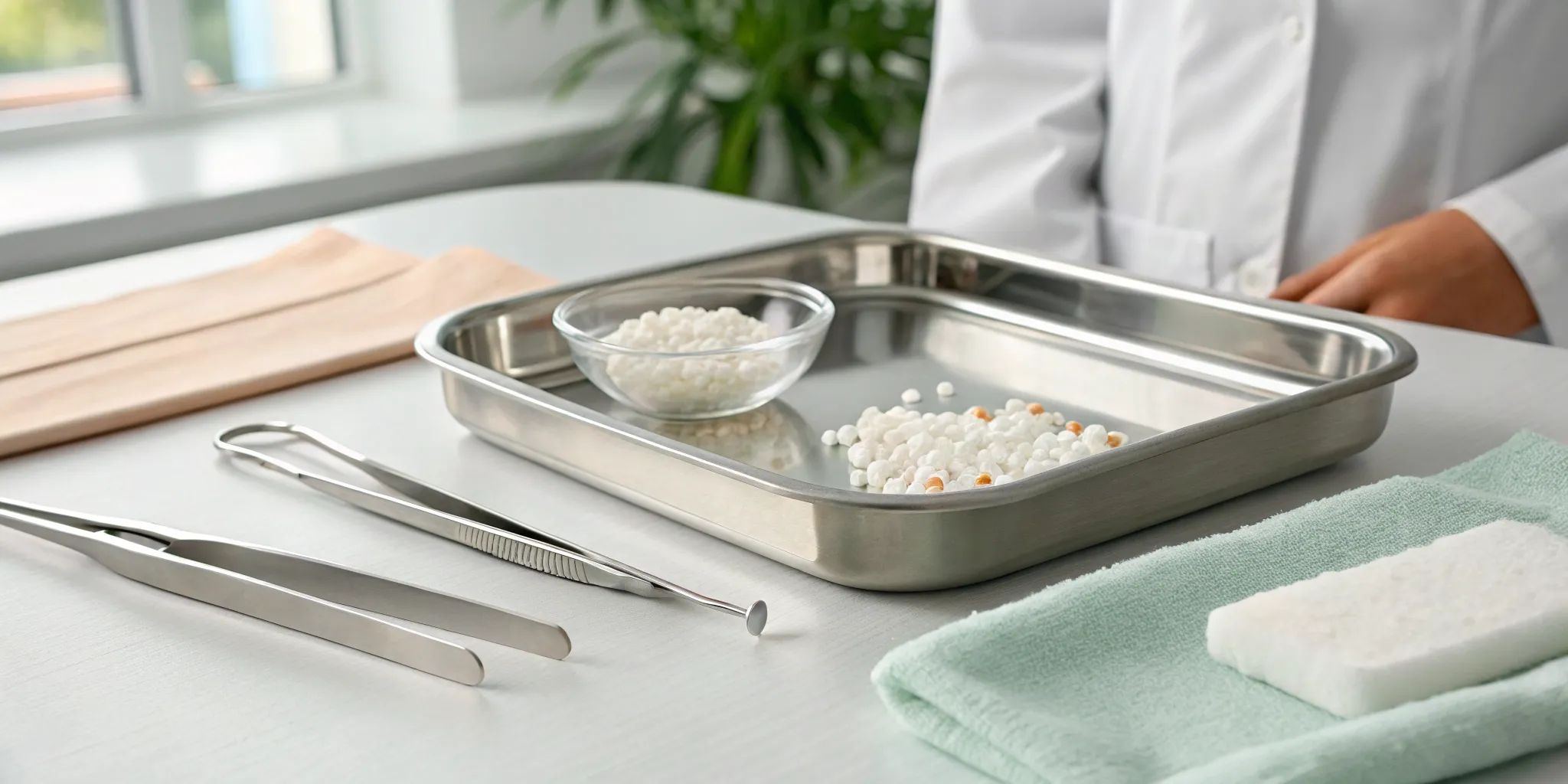
The idea of an implant might sound intimidating, but the insertion process is quick, simple, and performed right in the office. First, the area, usually on your upper hip or buttock, is numbed with a local anesthetic, so you won’t feel any pain. Your doctor then makes a tiny incision and places the small pellet under the skin. The incision is so small that it doesn’t require stitches; it’s simply closed with a small piece of medical tape. The entire procedure typically takes just a few minutes. You might experience some slight tenderness or see a bit of bruising at the insertion site, but this usually fades within a few days.
Common Side Effects of Estrogen Pellets
Starting any new treatment comes with questions, and it’s completely normal to wonder what to expect with estrogen pellets. When you begin bioidentical hormone replacement therapy, your body goes through an adjustment period as it gets used to a new, steady supply of hormones. During this time, you might experience some side effects. Think of it as your body recalibrating to find its new, healthier balance.
Most of these effects are mild and temporary, often resolving on their own within the first few weeks or months as your hormone levels stabilize. The key is working closely with a healthcare provider who can tailor your dosage precisely to your body’s needs, minimizing discomfort and ensuring you get the best possible results. Understanding these potential changes ahead of time can help you feel prepared and confident as you begin your journey toward feeling like yourself again. Below, we’ll walk through some of the most common side effects you might notice.
The Initial Hormone Adjustment
The first few weeks after your pellet insertion are when your body is getting acquainted with the new, consistent dose of estrogen. This initial phase is where most side effects occur, simply because your system is adapting to hormonal levels it hasn’t experienced in a while. It’s a sign that the therapy is beginning to work. This adjustment period is a normal and expected part of the process. A personalized approach, like the Biote Hormone Therapy method, is designed to make this transition as smooth as possible by matching your dosage to your unique biological needs from the very start.
Breast Tenderness and Swelling
One of the most common experiences when starting estrogen pellets is breast tenderness or swelling. If you’ve ever had similar sensations before your period, this feeling might be familiar. It’s a direct response to the new estrogen levels stimulating the breast tissue. While it can be a bit uncomfortable, this side effect is almost always temporary. It typically peaks within the first couple of weeks and then gradually fades as your body acclimates to its new hormonal baseline. Think of it as a clear signal that your body is responding to the treatment, and rest assured that it usually resolves on its own.
Weight Gain and Fluid Retention
The idea of weight gain can be concerning, but when it happens with estrogen pellets, it’s usually not what you think. In most cases, any initial increase on the scale is due to fluid retention and bloating, not an increase in body fat. Estrogen can influence how your body manages fluids, leading to a temporary feeling of puffiness. This effect is most noticeable during the initial adjustment period. As your hormone levels even out, your body’s fluid balance typically returns to normal, and the bloating subsides. Staying hydrated and being mindful of your salt intake can help manage this temporary effect.
Mood Swings and Irritability
While the ultimate goal of hormone therapy is to stabilize your mood, you might experience some fluctuations at the very beginning. Just as shifting hormones can affect your emotions during a monthly cycle, introducing a new, steady level of estrogen can temporarily cause irritability or moodiness. Your brain and body are working together to adapt to this new internal environment. It’s helpful to be patient with yourself during this phase. These mood swings are generally short-lived and give way to the emotional stability and clarity that balanced hormones can provide in the long run.
Irregular Bleeding or Spotting
For women who are in perimenopause or who have not had a hysterectomy, some irregular bleeding or spotting can occur after starting estrogen pellets. The new supply of estrogen can stimulate the uterine lining (the endometrium), which may lead to some light, unexpected bleeding. It’s crucial to report any bleeding to your doctor so they can ensure it’s simply a side effect of the therapy and not a sign of another issue. In most cases, this spotting is a temporary response that resolves as your body settles into its new hormonal rhythm over the first few months.
Skin Changes and Libido Fluctuations
Hormonal shifts can show up on your skin. Some women notice a temporary increase in oiliness or even a few breakouts, similar to what might happen during puberty or a menstrual cycle. This is your skin reacting to the hormonal changes and usually clears up as your body adjusts. On a more positive note, one of the most welcome side effects for many is a noticeable change in libido. As estrogen levels rise to a more youthful state, you may find your interest in intimacy returns, which is often a primary goal for women seeking treatment for low libido.
Serious Risks to Be Aware Of
While many women find relief with estrogen pellets, it’s important to have a clear picture of all potential outcomes. Understanding the more serious, though less common, risks helps you have a productive and honest conversation with your healthcare provider. A thorough evaluation of your personal and family health history is the first step in ensuring any treatment is a safe and effective choice for you. Your doctor will carefully weigh these risks against the potential benefits to help you make the best decision for your well-being.
Blood Clots and Stroke
Any hormone therapy, including estrogen pellets, can slightly increase the risk of developing blood clots or having a stroke. According to the Cleveland Clinic, this risk can be influenced by factors like your age and how long you use the therapy. This is why a detailed discussion about your cardiovascular health and any personal or family history of clotting disorders is so important. Your doctor will assess your individual risk profile before recommending treatment, ensuring your safety is the top priority.
Cancer-Related Concerns
Your health history plays a huge role in determining if estrogen pellets are right for you. Specifically, individuals who have had hormone-sensitive cancers, such as certain types of breast cancer, should not use this treatment. The added hormones could potentially encourage the growth of cancer cells. A comprehensive medical consultation is essential to review your history and ensure this therapy aligns with your long-term health. Always be transparent with your doctor about your past medical conditions.
Cardiovascular Health
Beyond blood clots, it’s wise to consider your overall cardiovascular health. Higher estrogen levels can have various effects on the body, and for some individuals, this might pose a risk to heart health. While the chances are low for most healthy women, your doctor will want a complete picture of your heart health, blood pressure, and cholesterol levels. This is a standard part of the evaluation for any bioidentical hormone replacement therapy to make sure the treatment supports your entire system.
Infection and Pellet Extrusion
The insertion process itself carries a small set of risks. Though uncommon, it’s possible to experience minor bleeding, bruising, or an infection at the small incision site. In very rare cases, the pellet may work its way out of the skin, which is known as extrusion. Following your doctor’s aftercare instructions carefully is the best way to prevent these issues. Choosing an experienced provider who offers expert women’s health services greatly minimizes the chances of these complications, ensuring a smooth and safe procedure.
Pellets vs. Other Hormone Therapies
If you’re exploring hormone replacement, you’ve probably noticed there are a lot of options out there: pills, patches, creams, and pellets. Each method has its own way of working with your body, and what’s perfect for one person might not be the best fit for another. Understanding the key differences can help you have a more informed conversation with your doctor about what makes sense for your health and lifestyle. Let’s break down how estrogen pellets stack up against other forms of hormone therapy, focusing on what you can expect in terms of hormone levels, side effects, and dosing.
Consistent Hormone Levels vs. Daily Fluctuations
One of the biggest draws of hormone pellets is their “set it and forget it” nature. Unlike pills you take daily or patches you change weekly, a pellet is a tiny implant that releases a steady, low dose of hormones directly into your system over several months. This consistent release helps you avoid the hormonal roller coaster that can sometimes happen with other methods. With daily pills or creams, your hormone levels can peak shortly after you take them and then dip before your next dose. For many women, the stability offered by bioidentical hormone replacement therapy pellets means a more even mood, consistent energy, and fewer side effects.
How Long Side Effects Last
No matter which type of hormone therapy you choose, your body will likely need some time to adjust. It’s common to experience some initial side effects, but the good news is that they often resolve on their own. For most types of HRT, this adjustment period can last up to three months. With pellets, it’s important to remember that the implant is in place for the long haul, typically three to five months. You can’t simply skip a dose if you’re feeling off. This makes it especially important to be patient during the first few weeks and stay in close contact with your doctor to manage any symptoms that come up while your body gets used to its new normal.
Custom Dosing and Standardization
Hormone pellets are tailored specifically to you. Based on detailed lab work, your doctor determines the precise dose of hormones your body needs, and the pellet is compounded to match. This level of personalization is a major advantage. However, it also means the therapy isn’t standardized in the same way a mass-produced pill is. The success of your treatment heavily relies on the skill and experience of your provider. Working with a specialist who is an expert in Biote hormone therapy ensures your dosage is calculated correctly, giving you the best chance at feeling your best while minimizing potential side effects.
Is Estrogen Pellet Therapy Right for You?
Deciding on any form of hormone therapy is a deeply personal choice, and estrogen pellets are no exception. While they offer a convenient, “set it and forget it” approach to balancing hormones that many women love, they aren’t the perfect fit for everyone. The right treatment for you depends on a unique combination of your health history, current lifestyle, and wellness goals. Think of it as a partnership between you and your doctor, where you work together to weigh the benefits against your personal risk factors.
Making an informed decision starts with a completely open and honest conversation about your body. This means looking at your full health picture, not just the symptoms you’re trying to solve today. Factors like pre-existing medical conditions, medications you’re taking (even over-the-counter supplements), your age, and even your daily stress levels can influence whether pellets are a safe and effective option. Dr. Berman specializes in creating personalized wellness plans that consider every aspect of your health, ensuring you find a path that truly works for you. The following points can help you prepare for that conversation and start thinking about whether this therapy aligns with your needs.
Pre-Existing Health Conditions
Your health history is the most critical factor in determining if you’re a good candidate for estrogen pellet therapy. It’s essential to be transparent with your doctor about your entire medical background. For instance, hormone therapy is generally not recommended for women who have a history of or are at high risk for blood clots, heart disease, breast cancer, or stroke. This is because estrogen can influence factors related to blood clotting and cell growth. A thorough evaluation helps ensure that the treatment won’t introduce unnecessary risks. Discussing your family’s medical history is also a key part of this process, as it helps build a complete picture of your health profile.
Potential Medication Interactions
What you put into your body matters, and that includes all medications and supplements. It’s important to provide your doctor with a complete list of everything you take, as some substances can interact with hormone therapy. Certain medications can change how your body metabolizes hormones, potentially making your treatment more or less effective. Likewise, hormone therapy can sometimes affect how your body processes other medications or stores fat. This is why a comprehensive approach to bioidentical hormone replacement therapy involves looking at your whole system to anticipate and manage any potential interactions, ensuring your treatment plan is both safe and successful.
Your Age and Lifestyle
Your age and daily habits also play a significant role. For some, long-term hormone use or starting therapy at an older age might increase the risk of certain conditions like heart disease or breast cancer, making it a crucial point of discussion with your doctor. Beyond that, your lifestyle can directly impact how your body uses the pellets. Things like high stress, intense physical activity, lack of sleep, and even some medications can cause your body to absorb the hormones faster. This isn’t necessarily a bad thing, but it does mean you might need your pellets re-inserted sooner than expected. Understanding this connection helps you and your provider create a realistic and effective Biote Hormone Therapy schedule.
What to Do If You Experience Side Effects
Starting a new therapy can feel a little uncertain, and it’s completely normal to wonder how your body will react. While many women adjust to estrogen pellets smoothly, it’s smart to have a plan in case you notice any side effects. Knowing what to look for and what to do can give you peace of mind. The most important thing is to stay in touch with your doctor and listen to your body. Think of this as a collaborative process where your feedback is essential to tailoring the treatment perfectly for you. Your experience provides the roadmap, and your healthcare provider is there to help you read it, making sure you stay on a path toward feeling your best.
When to Seek Immediate Medical Attention
First, let’s cover the serious signs. While rare, some symptoms require immediate medical care. If you experience severe headaches, sudden chest pain, confusion, or severe and unusual vaginal bleeding, please don’t wait. Contact your doctor or seek emergency medical attention right away. These can be signs of more serious complications that need to be addressed promptly. Your safety is the top priority, and acting quickly is crucial. Trust your instincts; if something feels very wrong, it’s always best to get it checked out immediately.
How to Manage Your Symptoms
More often, you might notice milder side effects as your body gets used to the new hormone levels. These can include things like breast tenderness, bloating, mood swings, spotting, acne, or headaches. The key is not to panic or feel discouraged. Keep a simple log of what you’re feeling and when. This information is incredibly helpful for your doctor. Many of these symptoms can be managed, and often, a simple adjustment to your hormone dosage is all that’s needed to get you feeling great again. Open communication is your best tool here.
Partnering with Your Healthcare Provider
Think of your doctor as your partner on this health journey. A successful outcome with bioidentical hormone replacement therapy relies on a strong, communicative relationship. Your provider is there to monitor your progress, listen to your concerns, and make any necessary adjustments to your treatment plan. Every woman’s body is unique, and finding the perfect hormonal balance can take a little fine-tuning. By working together and having honest conversations about your symptoms and goals, you can ensure your therapy is customized to fit your specific needs, helping you feel your absolute best.
Making an Informed Decision
Choosing the right hormone therapy is a personal decision, and it’s one you should feel completely confident about. This isn’t just about managing symptoms; it’s about finding a solution that fits your body, your health history, and your lifestyle. The best way to get there is by having open, honest conversations with a healthcare provider who truly listens. A great doctor won’t just give you options, they will partner with you to explore the pros and cons of each one. This collaborative approach is essential because what works for one person may not be the best fit for another. Your unique physiology and health goals should always be at the center of the discussion.
Feeling prepared for that conversation can make all the difference. It helps you ask the right questions, understand the nuances of different treatments, and ultimately, take an active role in your own wellness journey. Below, we’ll walk through some key areas to discuss with your doctor, from specific questions you can ask to the importance of ongoing care. This will help you gather the information you need to decide if estrogen pellet therapy is the right path for you.
Questions to Ask Your Doctor
Walking into your appointment with a list of questions is one of the most empowering things you can do. It ensures you cover all your bases and leave feeling clear and confident. A detailed discussion with your provider is the first step toward a successful treatment plan. Consider asking questions like:
- Based on my symptoms and health history, what specific benefits can I expect from this therapy?
- What are the potential risks or side effects I should be aware of?
- How will we monitor my hormone levels to ensure they stay balanced?
- What are the alternatives to hormone pellet therapy, and how do they compare?
- What does the follow-up care plan look like?
Understanding Compounded Pellets
You may hear the term “compounded” when discussing bioidentical hormones. This simply means the pellets are custom-made by a specialized pharmacy based on your doctor’s specific prescription. This allows for a dose that is tailored just for you. However, it’s important to know that compounded hormones are not tested or approved by the FDA in the same way mass-produced medications are. For this reason, it is absolutely critical to work with an experienced physician who partners with a reputable compounding pharmacy. This ensures you receive a high-quality, accurately dosed product designed for your unique needs.
The Importance of Follow-Up Care
Hormone pellet therapy is not a one-time fix; it’s a journey that requires a partnership with your healthcare provider. Your treatment plan should include regular follow-up appointments and blood tests to make sure your hormone levels are where they should be. This ongoing monitoring is key to ensuring the therapy is working effectively and safely. These check-ins are also your opportunity to discuss how you’re feeling, address any side effects, and make any necessary adjustments to your dosage. A thorough provider will always build a comprehensive care plan that includes consistent follow-up to support your long-term health and well-being.
Frequently Asked Questions
How long until I feel the effects of the estrogen pellets? Every woman’s body is different, but most people start to notice positive changes, like better sleep or fewer hot flashes, within the first one to two weeks. The full benefits, such as improved mood and stable energy, can take a month or more to settle in as your body fully adapts to the new, consistent hormone levels.
What is the recovery like after the pellet insertion? The recovery is typically very easy. The procedure itself only takes a few minutes, and you can get back to your normal routine right away. You might notice some slight tenderness or bruising at the insertion site, which is usually on your upper hip. We recommend avoiding strenuous lower-body workouts and soaking in baths for a few days to allow the small incision to heal perfectly.
Are the side effects permanent? For nearly everyone, the initial side effects are temporary. Symptoms like breast tenderness, bloating, or moodiness are most common during the first few weeks while your body gets used to its new hormonal balance. These feelings almost always fade on their own as your system stabilizes. If any symptom continues, it’s a signal that we should connect and discuss adjusting your dosage.
How often will I need to get new pellets inserted? This really depends on your unique metabolism and lifestyle. On average, most women find they need a new pellet insertion every three to five months to maintain consistent results. Things like high stress levels or intense physical activity can sometimes cause your body to use the hormones a bit faster. We will create a personalized schedule based on your symptoms and follow-up lab work.
What happens if I decide this therapy isn’t for me? While the pellet itself is not removed, it is designed to dissolve completely on its own over several months. If you choose not to continue with the therapy, you simply do not schedule another insertion. Your hormone levels will then gradually return to where they were before you began treatment. It’s a commitment, but it’s not a permanent one.