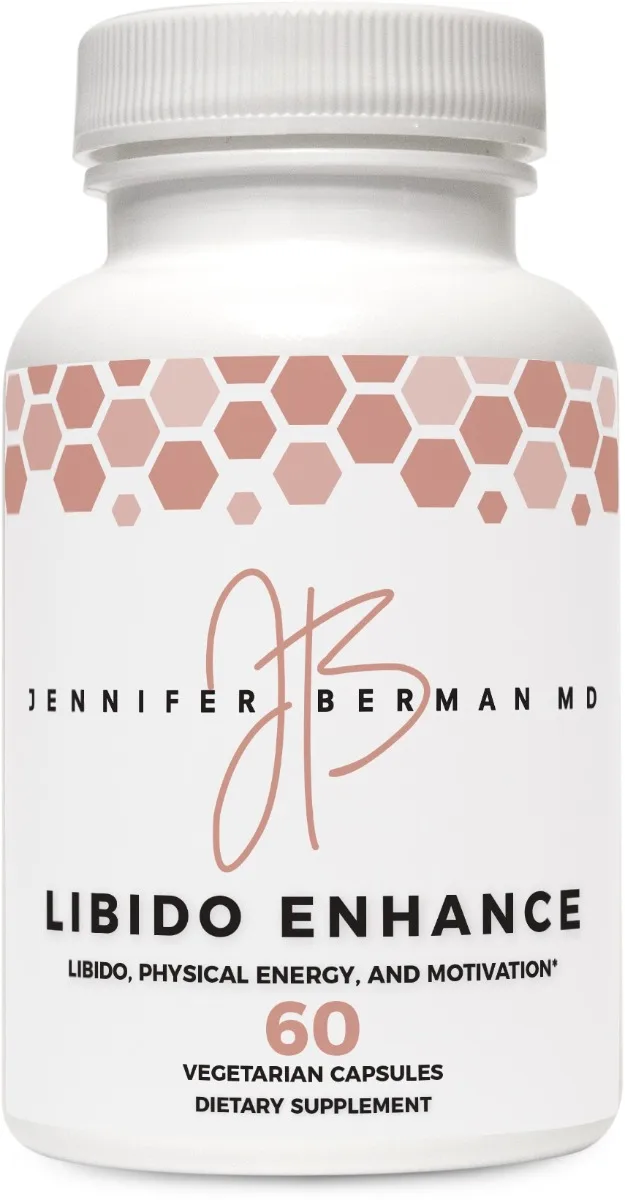

Taking charge of your sexual health is an empowering step, and it often starts with exploring your options. You may have come across instant female arousal pills over the counter, which are marketed as a simple, fast-acting solution for low libido. While the idea is appealing, knowledge is your most powerful tool. These products exist in a largely unregulated market, filled with bold claims that often lack scientific backing. We’re here to give you the facts. We will look at the common ingredients, the potential risks, and the red flags to watch for, so you can make an informed decision for your body. Your wellness journey deserves clarity and care, not a gamble on a mystery pill.
Key Takeaways
- Supplements are not prescription drugs: Over-the-counter arousal pills are considered dietary supplements, so they don’t go through the same strict safety and efficacy testing as FDA-approved medications.
- Read labels with a critical eye: Be cautious of products that promise “instant” results or hide their formulas behind vague “proprietary blends,” as these are often marketing tactics, not signs of a quality product.
- Professional guidance is the best path: For a safe and effective solution, talk to a doctor who can identify the root cause of your concerns and create a personalized treatment plan for lasting results.
What Are Over-the-Counter Female Arousal Pills?
When you see “instant female arousal pills” advertised online or on store shelves, you’re typically looking at dietary supplements, not prescription medications. These over-the-counter (OTC) products are often made from a blend of herbal extracts, vitamins, and amino acids. They promise to work quickly to spark desire, increase sensitivity, and make intimacy more pleasurable. It’s an appealing promise, especially if you’re feeling disconnected from your libido and looking for a simple solution.
These supplements are fundamentally different from FDA-approved prescription medications for low libido, such as Addyi. While prescriptions are developed through rigorous clinical trials and prescribed by a doctor for specific conditions like Hypoactive Sexual Desire Disorder (HSDD), OTC arousal pills are available to anyone without a medical consultation. Their marketing often focuses on delivering on-demand passion and immediate effects. However, because they are regulated as supplements, the claims about their effectiveness and safety don’t undergo the same level of scrutiny as pharmaceuticals. This distinction is critical when considering what you put into your body and what results you can realistically expect. It means the bottle you buy might not have what it claims, or the dosage could be ineffective. Understanding this difference helps you make a more informed choice for your sexual wellness.
The Science: How They Claim to Work
The theory behind most OTC arousal pills centers on improving blood flow and supporting natural hormone function. Many formulas include amino acids like L-arginine or L-citrulline, which your body uses to produce nitric oxide. Nitric oxide is a vasodilator, meaning it helps relax and widen blood vessels. The idea is that by increasing nitric oxide production, these supplements can enhance blood flow to the genital area, potentially increasing sensitivity and physical arousal. Other ingredients might include herbs that are traditionally believed to support libido or energy levels. The problem is, the science is often thin, and the formulas are proprietary, leaving you in the dark about ingredient quality and dosage.
How They Interact With Your Body
When you take an OTC arousal supplement, the ingredients are absorbed into your bloodstream and begin to circulate. If the product contains vasodilators, you might experience increased blood flow, which is the intended effect. Some women report feeling a warming sensation or heightened sensitivity, similar to the effects some studies have explored with medications like Sildenafil (Viagra). However, the results are far from guaranteed. According to health experts, the effects of these ingredients on female arousal are often inconsistent and unpredictable. Your unique body chemistry, the actual dosage in the supplement, and the root cause of your low libido all play a huge role in whether you’ll notice any difference at all.
Common Ingredients in OTC Arousal Pills
If you’re considering an over-the-counter arousal pill, the first step is to flip it over and read the ingredient list. These formulas are often a cocktail of different compounds, each with a specific, intended purpose. Understanding what’s inside can help you make a more informed decision about what you’re putting into your body. Most ingredients fall into one of three main categories, and knowing the difference between them is key to sorting through the marketing claims.
Herbal Extracts and Natural Compounds
When you look at the label of an OTC arousal pill, you’ll likely see a long list of herbal extracts. Ingredients like horny goat weed, maca root, and ginseng are common, often marketed with promises to spark passion and enhance sensitivity. Manufacturers sometimes claim to use special upgraded herbal ingredients designed for immediate effects. While these botanicals have been used in traditional medicine for centuries, their effectiveness for female arousal isn’t well-established in modern clinical studies. The “natural” label can be reassuring, but it doesn’t automatically mean an ingredient is effective or completely safe for everyone. It’s important to approach these claims with a healthy dose of skepticism.
Amino Acids and Circulation-Enhancers
Another common category of ingredients includes amino acids, which are the building blocks of proteins. You might see L-citrulline or L-arginine on the label. The idea is that these compounds can help your body produce more nitric oxide, a molecule that helps relax blood vessels and improve circulation. Better blood flow to the pelvic region could theoretically increase sensitivity and arousal. However, the science here is still developing. There is limited research on whether taking these amino acids orally actually translates to a noticeable difference in female libido or sexual function. So, while the theory is interesting, the proof is not quite there yet.
Ingredients That May Affect Hormones
Some supplements contain ingredients that are thought to influence your body’s hormones, like testosterone or estrogen. This is where we need to be especially careful. Your hormonal balance is complex and delicate, and trying to adjust it with an unregulated supplement can be risky. In fact, major organizations like the International Society for the Study of Women’s Sexual Health (ISSWSH) have warned against using non-prescription libido supplements. They point out that there is a lack of proven benefit and that these products may pose potential risks. Altering your hormones is something that should only be done under the guidance of a medical professional who understands your unique health profile.
What Are the Promised Benefits?
When you see a bottle of over-the-counter arousal pills, the promises on the label can sound incredibly appealing. They tap into a deep desire for a simple fix to what feels like a complicated issue. The marketing for these products tends to focus on a few key outcomes that many women are looking for: a stronger desire for intimacy, a more intense physical experience, and quick, hassle-free results. But it’s important to separate the marketing claims from what you can realistically expect. Let’s break down what these pills promise to deliver.
The Goal: Increased Libido
The number one promise of most female arousal supplements is a renewed interest in sex. These products are marketed as a direct answer for women experiencing a dip in their sexual desire. The idea is that by taking a pill, you can reignite that spark and feel more motivated to be intimate. While prescription medications exist specifically to address diagnosed conditions related to desire, OTC pills claim to offer a similar benefit using herbal ingredients. The goal they sell is a return to feeling proactive about your sex life, rather than reactive or disinterested, which is a common struggle when dealing with low libido.
The Hope: Heightened Physical Sensitivity
Beyond just wanting sex more, these pills often promise to make the experience itself more physically rewarding. The hope is for heightened sensitivity, stronger orgasms, and an overall more pleasurable encounter. Many of these supplements contain ingredients that are claimed to improve circulation and increase blood flow to the genital area. In theory, this increased blood flow would make the tissues more sensitive and responsive to touch. This promise targets the physical side of arousal, suggesting that the right blend of herbs can make every touch feel more electric. It’s a compelling idea, especially when compared to clinical treatments like the O-Shot, which are medically designed to achieve similar results.
How Long Until You Might See Results?
Perhaps the most alluring promise is that of speed. Many products use words like “instant” or “fast-acting,” creating the impression that you can take a pill and be ready to go in minutes. However, this is where marketing often diverges from reality. For most herbal supplements, the body needs time to adapt, and any potential effects are typically subtle and cumulative. Some studies on the ingredients used in these pills note that it can take weeks of consistent use to notice even minor changes, with significant shifts in sexual arousal potentially taking even longer. The promise of an instant fix is powerful, but it’s rarely the reality.
Understanding the Potential Risks and Side Effects
Before you add any new supplement to your routine, it’s so important to understand what you’re putting into your body. This is especially true for over-the-counter arousal pills. Because they are often sold as dietary supplements, they don’t go through the same rigorous testing and approval process as prescription medications. This lack of oversight means that labels can be misleading, and the lists of ingredients can be incomplete.
Many of these products leave you in the dark about the exact quantity of ingredients, their effectiveness, and the potential side effects. The Food and Drug Administration (FDA) advises caution, as some supplements have been found to contain hidden, unlisted drug ingredients. When you’re not entirely sure what’s in a pill, you can’t be sure how your body will react. That’s why taking a moment to consider the potential downsides is a critical step in looking after your health.
Common Side Effects to Watch For
Because the formulas for OTC arousal pills vary so widely, so do the potential side effects. Some common complaints include headaches, flushing, nausea, and dizziness. However, the bigger concern is the unknown. Since many of these supplements aren’t thoroughly studied, the long-term effects are often a mystery. You might be taking a blend of herbs that hasn’t been tested for safety in humans, or the dosage could be much higher than what’s considered safe. It’s a gamble, and when it comes to your health, you deserve certainty and care, not a roll of the dice.
Who Should Avoid These Supplements?
Honestly, anyone with a pre-existing health condition should steer clear of these pills without talking to a doctor first. This includes women with heart conditions, high or low blood pressure, or liver and kidney issues. If you are pregnant, trying to become pregnant, or breastfeeding, it’s best to avoid them entirely. It’s also worth remembering that a dip in libido is often tied to other things happening in our lives, like stress, relationship changes, or major physical shifts like menopause. A pill can’t fix an emotional disconnect or a hormonal imbalance. Getting to the root cause with a trusted professional is a much more effective and safer approach.
Possible Drug Interactions
One of the most overlooked dangers of OTC supplements is their potential to interact with other medications you’re taking. Even “natural” herbal ingredients can cause serious problems. For example, some ingredients found in these pills can have negative interactions with common medications, including certain antibiotics and even fluconazole, a drug many women take for yeast infections. Because the ingredient labels can be vague, you might not know you’re taking something that could interfere with your prescription medication. This is why discussing any supplement with your doctor is so important; they can help you understand the real risks based on your personal health profile and any treatments you are currently using.
How to Choose a Safer Product
Walking through the supplement aisle or scrolling online can feel overwhelming, especially when you’re looking for something as personal as a libido supplement. With so many products making big promises, it’s easy to feel lost. The key is to become a savvy consumer and prioritize your health and safety above all else. When you’re considering an over-the-counter product, you’re in the driver’s seat, and knowing what to look for can make all the difference.
Instead of getting swayed by flashy marketing, you can protect yourself by focusing on a few key areas. It starts with asking the right questions: Is there any real science behind this product? Do I know exactly what’s in it? And are there any obvious warning signs I should be aware of? Thinking through these points will help you see past the hype and make a more informed decision for your body. Ultimately, understanding these factors is the first step toward finding a solution that is both safe and genuinely effective for your needs.
Look for Scientific Backing
Before you add any supplement to your cart, the first thing to look for is solid scientific research that supports its claims. Many over-the-counter products marketed for female arousal simply don’t have proven benefits and, in some cases, may even pose risks. The International Society for the Study of Women’s Sexual Health (ISSWSH) strongly encourages a focus on scientifically validated treatments for women’s sexual health concerns. Just because a product contains “natural” herbs doesn’t automatically make it effective or safe. True effectiveness is demonstrated through clinical studies, not just marketing claims. If a company can’t point to credible research on its finished product, it’s a good reason to be skeptical.
Check for Quality and Ingredient Transparency
Knowing exactly what you’re putting into your body is non-negotiable. A reputable supplement will have a clear, transparent label that lists every single ingredient and its exact dosage. Be cautious of products that hide their formulas behind terms like “proprietary blend.” This can be a tactic to conceal low, ineffective amounts of expensive ingredients or include fillers you don’t need. A lack of transparency makes it impossible to know if a product is safe or if it might cause side effects. Unlike regulated options like Addyi, which have undergone rigorous testing, OTC supplements don’t have the same oversight, making ingredient transparency even more critical for your safety.
Red Flags to Avoid When Shopping
When you’re shopping, certain red flags should make you pause. The FDA warns against products that make bold, unrealistic claims, like promising “instant” results or being a “miracle” cure. If it sounds too good to be true, it probably is. Also, be wary of products that rely only on glowing testimonials instead of clinical data. While some individual ingredients in a formula might have some research behind them, the specific combination in that product is often untested for safety and efficacy. This is why a professional approach to treating low libido in females is so important, as it addresses the root cause rather than offering a quick, unproven fix.
A Critical Look at Popular OTC Options
When you’re searching for solutions online, it’s easy to get drawn in by products with thousands of glowing reviews and a “bestseller” badge. But in the world of OTC arousal supplements, popularity doesn’t always equal effectiveness or safety. These products often rely on clever marketing and vague promises rather than solid scientific evidence. Understanding what’s behind the hype is the first step toward making a choice that truly supports your health and well-being. Let’s break down what makes these products fly off the virtual shelves and how to read user reviews with a more discerning eye.
What Makes a Product a “Bestseller”?
A “bestseller” label is often the result of savvy marketing, not superior science. Companies use powerful language, promising to “spark on-demand passion” with herbal ingredients that enhance sensitivity. This creates a compelling story that many women want to believe. The reality is that these claims are rarely backed by rigorous clinical trials. While some topical creams or pills might show “promising results” in small studies, this buzz can quickly inflate a product’s reputation before it’s fully vetted. It’s a stark contrast to clinically proven, FDA-approved treatments that have undergone extensive testing for both safety and efficacy. A product’s popularity is often more about its marketing budget than its ability to deliver real, lasting results.
How to Read Between the Lines of User Reviews
Scrolling through reviews can feel like a rollercoaster. One person will claim a pill made an “immediate difference” on the very first day, while another will report only “minor improvements” after a month of use. So, who do you believe? The truth is, individual experiences with supplements are highly subjective and can be influenced by the placebo effect. When reading reviews, try to look past the five-star raves and one-star rants. Instead, search for detailed, balanced feedback that describes a gradual experience. Pay attention to mentions of side effects or a lack of results over time. While personal stories can be compelling, they aren’t a substitute for clinical data. Your sexual health is unique, and finding a solution often requires a more personalized approach than a one-size-fits-all pill can offer. A professional consultation can help you find a path that’s right for your body.
A Closer Look at Safety and Regulation
When you see a supplement on a store shelf, it’s natural to assume it’s been tested and proven safe. However, the world of over-the-counter (OTC) arousal pills operates very differently from prescription medications. Understanding the lack of oversight is the first step in protecting your health and making choices that truly support your well-being. Many of these products are sold with bold promises but without the scientific evidence to back them up, leaving you to sort through the hype.
This is where a healthy dose of skepticism comes in handy. Before you add anything to your cart, it’s important to look past the flashy packaging and get real about what’s inside the bottle, who has verified its safety, and whether the claims of “instant” results hold any water.
Are These Supplements FDA-Regulated?
The short answer is that most of them are not. The FDA classifies these products as dietary supplements, which don’t require the same rigorous testing for safety and effectiveness as prescription drugs. This lack of regulation creates significant safety and quality concerns, leaving you in the dark about the true ingredients, their quantities, and potential side effects. Because of this, the FDA advises against using many OTC supplements marketed for libido. Professional organizations like the International Society for the Study of Women’s Sexual Health (ISSWSH) have also voiced concerns, highlighting not just the lack of proven benefits but also the potential for harm.
The Truth About “Instant Results” Claims
You’ve probably seen the claims: “works instantly” or “sparks on-demand passion.” While appealing, these promises are often marketing tactics, not scientific facts. Many ingredients found in these pills, like certain amino acids, simply don’t have the research to support their use for female sexual function. For example, studies on some popular ingredients show they may offer minor improvements in general vitality, but users often report nothing noticeable in the bedroom. True, lasting improvements in sexual health rarely come from a single, “instant” pill. They come from understanding your body and addressing the root causes, which is a journey best taken with professional guidance.
Where to Find OTC Arousal Pills
If you’re curious about over-the-counter arousal pills, you’ll find them in most major pharmacies and online. Knowing where to look and what to look for can help you make a more informed decision for your body and your health.
Buying In-Store vs. Online
You can find these supplements in both physical stores and on the web. Major pharmacy chains like CVS carry a variety of sexual enhancement products right on their shelves, allowing you to purchase them quickly and conveniently. This can be a straightforward option if you want to see the product in person before buying.
Alternatively, online marketplaces like Amazon offer a massive selection of female libido boosters from countless brands. Shopping online provides more privacy and a wider range of choices, but it also means you can’t physically inspect the packaging. The sheer volume of options can also feel overwhelming, making it even more important to do your research.
What to Look For When Shopping
When you’re considering an OTC arousal pill, the key is knowing what really matters for your personal health. Before you buy, carefully examine the ingredient list. Do you recognize the compounds? Do they align with your wellness goals and fit into your daily routine? It’s about more than just marketing claims; it’s about understanding what you’re putting into your body.
Unfortunately, many products suffer from a lack of transparency. Some manufacturers don’t clearly disclose their ingredients, their potency, or potential side effects. This leaves you in the dark about what you’re actually taking. A trustworthy product should have nothing to hide. If the label is vague or the claims seem too good to be true, it’s best to be cautious.
How Do OTC Pills Compare to Professional Treatments?
When you’re looking for a solution to low libido, the aisle of over-the-counter supplements can seem like an easy first step. But it’s important to understand how these products differ from the treatments you’d receive from a medical professional. The biggest distinction comes down to three things: regulation, personalization, and proven effectiveness. OTC supplements aren’t held to the same rigorous standards as prescription medications. This means their claims may not be backed by solid science, and the ingredients can be a mystery bag of herbs and compounds with unknown effects.
Professional treatments, on the other hand, are based on a deep understanding of your unique body and health profile. A doctor can identify the root cause of your concerns, whether it’s hormonal changes, stress, or another underlying issue. This allows for a targeted approach that goes beyond a one-size-fits-all pill. Instead of guessing with a supplement, you get a clear, safe, and effective plan designed just for you. This path offers not just a potential solution, but also peace of mind, knowing your health is in expert hands.
Supplements vs. Prescription Medication
The difference between a supplement and a prescription is like night and day. Over-the-counter arousal supplements often contain herbal blends and amino acids that lack rigorous scientific backing. Organizations like the International Society for the Study of Women’s Sexual Health (ISSWSH) have even voiced concerns about the unproven benefits and potential harm of these products. They simply aren’t regulated by the FDA as drugs, so you can never be entirely sure what you’re getting or if it will work.
In contrast, prescription medications are FDA-approved and have undergone extensive clinical trials to prove their safety and effectiveness. Options like Addyi are specifically designed to address hypoactive sexual desire disorder (HSDD) by working on brain chemistry. A doctor can determine if a prescription is right for you and manage your treatment, ensuring you receive a precise, effective dose. This medical oversight is crucial for achieving real results safely.
When It’s Time to See a Doctor
If you’re experiencing a persistent dip in your desire, it’s a good time to talk to a doctor. It’s completely normal for libido to fluctuate with major life events, stress, and physical changes like menopause. A doctor can help you make sense of these changes. While an OTC pill might promise a quick fix, it can’t diagnose or treat the underlying cause of your concerns. Seeing a professional is the first step toward understanding what’s really going on with your body.
A medical expert can offer a personalized wellness plan that addresses your specific needs, which might include hormone therapy, lifestyle adjustments, or other clinically proven treatments. Instead of dealing with the confusing and unregulated world of supplements, you can get a clear diagnosis and a reliable path forward. If you’re ready to find a lasting solution for low libido, scheduling a consultation is the most empowering step you can take.
Professional Alternatives for Lasting Results
While over-the-counter pills promise a quick fix, true and lasting improvement in your sexual health often comes from a more thoughtful, professional approach. Instead of guessing with supplements that may or may not work, you can turn to solutions grounded in medical science. These alternatives don’t just mask symptoms; they aim to address the root cause of what you’re experiencing. Working with a specialist means you get a partner in your health journey, someone who can help you understand the changes in your body and find a path forward that is both safe and effective. It’s about moving beyond the hype and investing in your long-term well-being with care you can trust.
Clinically Proven Treatments for Female Sexual Health
When you step away from the supplement aisle, you enter a world of treatments backed by actual research. Unlike OTC products, prescription medications have undergone rigorous clinical trials to prove their safety and effectiveness. For instance, the FDA has approved medications like Flibanserin, known by the brand name Addyi, specifically to treat low sexual desire in women. These options work on brain chemistry to help restore desire, offering a targeted approach that supplements can’t match. Exploring clinically proven treatments with a doctor allows you to find a reliable solution that is tailored to your body’s specific needs, giving you confidence and peace of mind in your treatment choice.
The Importance of a Personalized Wellness Plan
Your body is unique, and so is your sexual wellness journey. Female desire is complex, influenced by everything from hormonal shifts during menopause to daily stress and relationship dynamics. A single OTC pill simply can’t account for your individual situation. This is why a personalized wellness plan is so critical. A specialist can help you identify the underlying factors affecting your libido and create a comprehensive strategy just for you. This might include hormone therapy, lifestyle adjustments, or other targeted treatments. As the International Society for the Study of Women’s Sexual Health (ISSWSH) emphasizes, individualized treatment plans are essential for effectively and safely addressing sexual health concerns, rather than relying on one-size-fits-all supplements.
Frequently Asked Questions
What’s the real difference between an OTC arousal pill and a prescription medication? The biggest difference is proof. Prescription medications, like Addyi, have gone through years of rigorous testing to be approved by the FDA, which means they are proven to be both safe and effective for a specific medical condition. Over-the-counter supplements don’t have to meet this standard. Their claims are often just marketing, and the formulas can be inconsistent, so you never really know if what you’re taking will work or if it’s even safe.
Are these “natural” supplements actually safe to take? The word “natural” can be misleading because it doesn’t automatically mean a product is safe. Since these supplements aren’t regulated like drugs, you can’t be certain about the quality or quantity of the ingredients inside. Some people experience side effects like headaches and nausea, and there’s also a risk that these herbs could interact poorly with other medications you’re taking. It’s a gamble that’s best avoided without a doctor’s input.
Will these pills really work as fast as the bottle claims? The promise of “instant” results is almost always a marketing tactic, not a reality. Your body’s sexual response is complex and can’t typically be switched on by a single pill. Most herbal ingredients, if they have any effect at all, require consistent use over weeks or even months to produce subtle changes. A quick fix is an appealing idea, but it’s rarely how our bodies work.
If I’m struggling with low desire, when is it time to see a doctor? If your low libido is persistent and causing you distress, that is the perfect time to talk to a professional. A doctor can help you get to the root cause, which could be anything from hormonal shifts to stress or relationship dynamics. Instead of trying to solve the puzzle on your own with supplements, a doctor can give you a clear diagnosis and create a personalized treatment plan that is both safe and effective for you.
If I still want to try an OTC pill, what’s the most important thing to look for? If you decide to try one, the most important thing to look for is transparency. Choose a product with a clear, detailed label that lists every single ingredient and its exact dosage. Be very cautious of anything that hides its formula behind vague terms like “proprietary blend.” A trustworthy company should have nothing to hide about what’s in its product.