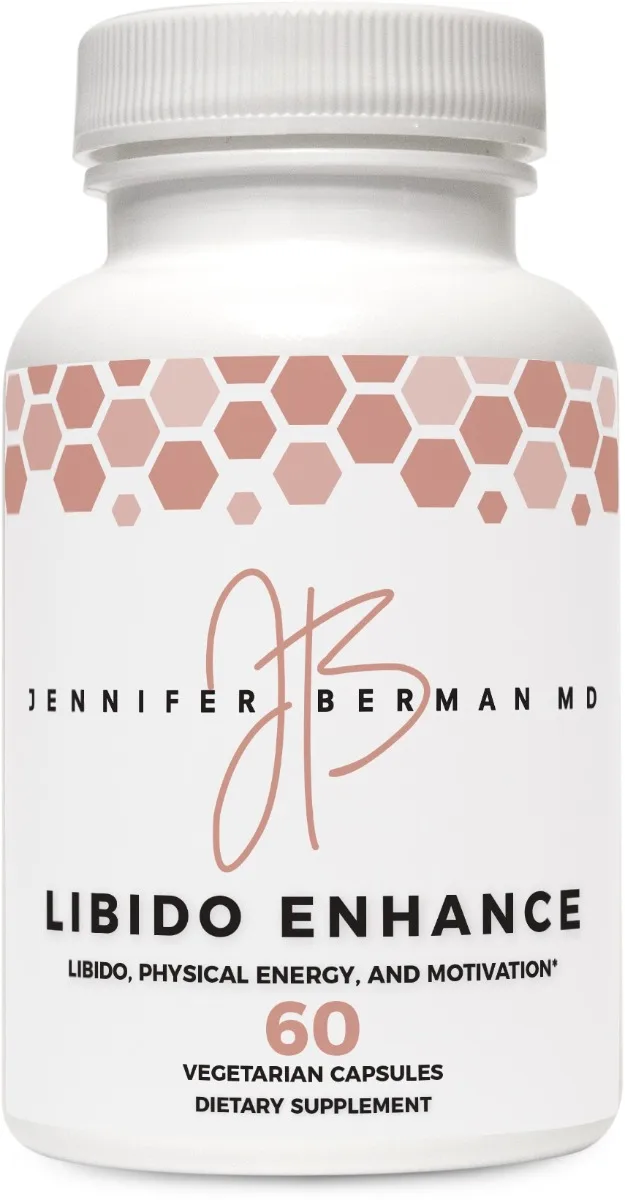

You’ve probably heard the standard advice for a low sex drive: plan a date night, get more sleep, or try to relax. While these things can help, they often don’t address the underlying biological factors at play. When lifestyle changes aren’t enough, it’s usually a sign that something more, like a hormonal imbalance, is the root cause. Fortunately, modern medicine offers targeted solutions that go beyond the basics. We’ll explore the advanced medical options available, from hormone therapies to non-surgical procedures, and explain how to access the best libido treatment for women Los Angeles has available.
Key Takeaways
- Understand the root causes of low desire: A dip in libido is rarely from just one thing; it’s often a combination of hormonal shifts, emotional stress, medical factors, and relationship dynamics. Pinpointing your unique triggers is the first step toward finding a solution.
- Explore personalized treatments that work: You have access to effective, modern solutions beyond lifestyle changes. Options like bioidentical hormone therapy, testosterone for women, and innovative procedures like the O-Shot can address the direct physiological causes of low desire.
- Take proactive steps when you feel stuck: If a lack of desire is causing you personal distress or affecting your relationship, it’s a clear sign to consult a specialist. Seeking professional guidance is an empowering move to reclaim your well-being.
What Causes Low Libido in Women?
If you’ve noticed your desire for intimacy has faded, you’re not alone. A woman’s sex drive is complex, influenced by a mix of physical, emotional, and life factors. It’s rarely just one thing. Understanding the potential causes is the first step toward rediscovering your desire. From hormonal shifts that come with major life stages to the daily pressures of stress and relationship dynamics, many elements can contribute to a low libido. Let’s look at some of the most common reasons you might be feeling this way.
Hormonal Shifts and Life Changes
Our bodies are in a constant state of flux, and our hormones are often leading the charge. Major life events like pregnancy, childbirth, and especially perimenopause and menopause can cause significant shifts in estrogen, progesterone, and even testosterone levels. These hormonal changes can directly impact your sex drive, leading to symptoms like vaginal dryness or simply a lack of interest in sex. Even subtle changes in thyroid function can play a role. Understanding your body’s hormonal landscape is crucial, as imbalances are one of the most common and treatable causes of low libido in women.
Psychological and Emotional Factors
Your mind and body are deeply connected, and your emotional state has a powerful effect on your sexual desire. High levels of stress from work or family life can put your libido on the back burner. Mental health conditions like anxiety and depression are also common culprits, as they can dampen your overall interest in pleasurable activities, including sex. Past trauma or a negative body image can create mental blocks to intimacy as well. It’s important to acknowledge these factors, as addressing your emotional well-being is often a key part of restoring your desire and feeling comfortable in your own skin again.
Medical Conditions and Medications
Sometimes, a low libido can be a sign of an underlying health issue or a side effect of a medication you’re taking. Chronic conditions like diabetes, high blood pressure, or gynecological issues like endometriosis can all contribute to a decreased sex drive. Similarly, certain medications, particularly some antidepressants (like SSRIs), birth control pills, and blood pressure drugs, are known to have side effects that impact desire. It’s always a good idea to review your health history and current medications with a specialist who can help you understand if they are affecting your libido and explore alternative treatments for low libido in females.
Relationship Dynamics and Stress
The quality of your connection with your partner plays a huge role in your desire for intimacy. Unresolved conflicts, poor communication, or a feeling of emotional distance can easily extinguish the spark. If you don’t feel seen, heard, or appreciated in your relationship, it’s natural for your sexual desire to wane. It’s not just about major arguments; even the day-to-day stress of managing a household or mismatched expectations can create a rift. Building a strong emotional foundation and open communication are often just as important as any physical treatment. Rebuilding that connection is a powerful step toward rekindling intimacy and desire.
How Hormones Affect Your Libido
Our hormones are like the body’s internal messaging system, and when they fluctuate, it can feel like the signals are getting crossed. These shifts are a completely normal part of life, tied to everything from our monthly cycle to major life events like pregnancy and menopause. One of the most common effects of these changes is a dip in sexual desire. If you’ve noticed your libido isn’t what it used to be, your hormones are one of the first places to look. Understanding how specific hormonal events impact your sex drive is the first step toward finding a solution that helps you feel like yourself again.
Menopause and Changing Estrogen Levels
As you approach menopause, a stage known as perimenopause, your body’s production of key hormones begins to change. Estrogen levels, in particular, start to decline, which can directly impact your libido. This hormone plays a big role in maintaining vaginal lubrication and tissue elasticity, so lower levels can sometimes lead to discomfort during sex. Beyond estrogen, shifts in progesterone and testosterone can also contribute to a lower sex drive. It’s a complex hormonal transition, but thankfully, there are effective ways to manage these symptoms and restore desire, including personalized hormone replacement therapies.
Postpartum Hormone Fluctuations
The postpartum period brings a whirlwind of changes, including one of the most dramatic hormonal shifts a woman experiences. After giving birth, estrogen and progesterone levels plummet, which can significantly reduce your sex drive. This is your body’s natural way of focusing on recovery and caring for your newborn. When you combine this hormonal drop with physical healing, sleep deprivation, and the stress of a new routine, it’s no wonder that sex might be the last thing on your mind. While this phase is usually temporary, it’s important to be patient with yourself and communicate with your partner.
The Role of Testosterone for Women
Many people think of testosterone as a male hormone, but it’s absolutely essential for women’s health, too. Testosterone is a key driver of sexual desire, energy levels, and even mood. A woman’s testosterone levels peak in her 20s and gradually decline with age, which can lead to a noticeable drop in libido. If you’re feeling a lack of desire that you can’t explain, it might be related to lower testosterone. The good news is that there are safe and effective ways to supplement it. A targeted testosterone for women treatment plan can help bring your levels back into balance, reviving your energy and sex drive.
Finding Effective Libido Treatments in Los Angeles
If you’re dealing with a low sex drive, it’s easy to feel isolated, but you are far from alone. The great news is that there are many effective solutions available right here in Los Angeles. The key is finding a treatment plan that addresses your specific needs, whether they stem from hormonal changes, physical factors, or a combination of issues. From hormone therapies to advanced non-surgical procedures, you have options to help you feel like yourself again.
Dr. Berman’s Personalized Approach
Your body and your experiences are unique, so your treatment plan should be, too. Dr. Jennifer Berman specializes in creating personalized strategies for women with low libido. Instead of offering a one-size-fits-all solution, she takes the time to understand the root cause of your concerns through a comprehensive evaluation. This tailored approach ensures that your treatment for low libido is designed specifically for your health profile, lifestyle, and personal goals. It’s a partnership focused on restoring your vitality and well-being in a way that feels right for you.
Hormone Replacement Therapies
Hormones are powerful chemical messengers, and when they’re out of balance, your sex drive is often one of the first things to be affected. Hormone replacement therapies can be a game-changer for many women, especially during perimenopause and menopause. Options like Bioidentical Hormone Replacement Therapy use plant-derived hormones identical to your body’s own to restore equilibrium. Additionally, targeted testosterone for women can help bring back desire and energy levels, addressing a key component of female sexual health that is often overlooked.
FDA-Approved Medications
Sometimes, the issue isn’t just hormonal. It can be related to the neurotransmitters in your brain that regulate desire. For premenopausal women experiencing a persistent low sex drive, an FDA-approved medication may be a great option. Addyi, for example, is a non-hormonal prescription pill that works on brain chemistry to help restore sexual desire. It’s a scientifically-backed treatment that addresses the issue at a neurological level, offering a different path for women who haven’t found success with other methods.
Advanced Vaginal Rejuvenation
Physical comfort and sensitivity are fundamental to a satisfying sex life. If issues like vaginal dryness, laxity, or decreased sensation are contributing to your low libido, advanced rejuvenation treatments can make a significant difference. Procedures like the O-Shot use platelet-rich plasma (PRP) to enhance arousal and sensitivity. Other non-surgical technologies, including Forma V and Morpheus 8-V, help improve tissue health and tightness. These innovative treatments focus on improving your physical response, which can directly translate to a renewed interest in intimacy and sexual activity.
Which Hormone Therapies Help Restore Desire?
If hormonal imbalances are at the root of your low libido, getting your levels back on track can make a world of difference. Hormone replacement therapy isn’t a one-size-fits-all solution; it’s a personalized approach to restore what your body is missing. By reintroducing key hormones like estrogen and testosterone, we can address the physical and emotional symptoms that are dampening your desire, from vaginal dryness to fatigue and mood swings. The goal is to help you feel more like yourself again, both in and out of the bedroom. Dr. Berman specializes in several advanced hormone therapies designed to fit your unique needs and lifestyle.
Bioidentical Hormone Replacement Therapy (BHRT)
Think of BHRT as a perfectly tailored key for a specific lock. This therapy uses hormones derived from plants that are molecularly identical to the ones your body produces naturally. Because they are a perfect match, your body can use them just as it would its own hormones. Bioidentical Hormone Replacement Therapy is especially effective for women going through perimenopause and menopause, as it helps stabilize fluctuating levels of estrogen and progesterone. This can lead to a renewed sex drive, better mood, more energy, and an overall sense of well-being.
Testosterone Therapy for Women
Testosterone isn’t just for men. It’s a vital hormone for women, playing a crucial role in sexual desire, energy levels, and even cognitive function. When your testosterone levels dip, you might notice your libido takes a nosedive along with your motivation and stamina. Dr. Berman offers testosterone for women through safe and effective methods like creams, gels, or injections. By restoring your testosterone to its optimal level, this therapy can help reignite your desire, sharpen your focus, and give you a much-needed energy lift.
Customized Hormone Pellet Therapy
For many women, the idea of daily creams or regular injections can feel overwhelming. This is where hormone pellet therapy offers a convenient and highly effective alternative. This method involves placing tiny, custom-compounded pellets just under the skin. These pellets steadily release a consistent dose of hormones directly into your bloodstream over several months. This “set it and forget it” approach of customized pellet therapy helps you avoid the hormonal ups and downs that can come with other delivery methods, ensuring you feel balanced and vibrant day after day.
Innovative Treatments to Revive Your Sex Drive
Sometimes, lifestyle adjustments and hormonal therapies aren’t the complete picture. Modern medicine offers some incredible, targeted treatments that can directly address the physical and biological factors affecting your sex drive. These aren’t one-size-fits-all solutions; they are specialized procedures and medications designed to rejuvenate, rebalance, and restore your sexual response. If you’re looking for a more direct approach to reclaiming your desire, exploring these innovative options with a specialist can be a game-changer. Let’s look at a few of the leading treatments that are helping women feel more like themselves again.
The O-Shot and PRP Therapy
You may have heard of PRP (platelet-rich plasma) for skin rejuvenation, but its regenerative power can also be used to enhance sexual wellness. The O-Shot, or Orgasm Shot, is a treatment that uses your body’s own growth factors, derived from a simple blood draw, to rejuvenate vaginal tissue. This injection is designed to increase sensitivity, improve arousal, and make orgasms more frequent and intense. It’s a minimally invasive procedure that taps into your natural healing processes to restore sensation and sexual satisfaction, helping you feel more connected to your body and your pleasure.
PT-141 Peptide Treatment
What if the issue isn’t just physical, but rooted in your brain’s chemistry? That’s where PT-141 Therapy comes in. This unique peptide treatment works differently than many other options because it targets the brain’s pathways responsible for sexual desire. Instead of focusing on hormones or physical stimulation, PT-141 helps activate the receptors that trigger arousal and interest. It’s a promising option for women who feel their desire has faded, offering a way to address low libido at its neurological source and reignite that spark from within.
Addyi for Premenopausal Women
For premenopausal women struggling with a persistent lack of sexual desire, there’s a treatment specifically designed for you. Addyi is the first FDA-approved, non-hormonal oral medication for Hypoactive Sexual Desire Disorder (HSDD). It’s not a “female Viagra” that you take right before sex. Instead, it’s a daily pill that works over time to rebalance key neurotransmitters in the brain associated with sexual excitement and inhibition. By addressing this chemical imbalance, Addyi can help restore your natural interest in sex, making it a valuable tool for women in their premenopausal years.
Forma V and Morpheus 8-V Technologies
Physical changes can sometimes lead to discomfort or a loss of sensation that impacts your sex life. Fortunately, advanced, non-surgical technologies can help restore both function and confidence. Treatments like Forma V and Morpheus 8-V use gentle radiofrequency energy to remodel tissue, tighten the vaginal canal, and improve lubrication. These procedures can address concerns like vaginal laxity and dryness, which often contribute to painful or unsatisfying sex. By rejuvenating the vaginal area, these treatments help improve physical comfort and can significantly enhance your overall sexual experience and well-being.
Natural Ways to Improve Your Libido
While professional treatments can be transformative, creating a foundation of healthy habits can significantly support your sexual wellness. Think of these lifestyle adjustments as powerful tools that work alongside medical care to help you feel your best. Small, consistent changes in your daily routine can have a profound impact on your energy, mood, and desire, creating a positive cycle that enhances every aspect of your life.
Exercise and Physical Wellness
Moving your body is one of the most direct ways to connect with your physical self and improve your sex drive. Regular exercise increases stamina, improves circulation, and releases endorphins, which naturally lift your mood. It also helps you build a positive body image, which is a cornerstone of sexual confidence. You don’t need to run a marathon; activities like yoga, dancing, or even brisk walking can reduce stress and anxiety. When you feel strong and comfortable in your own skin, it’s much easier to feel sensual and open to intimacy.
Nutrition for Hormonal Balance
What you eat directly affects your hormones, energy levels, and overall vitality. A balanced diet rich in whole foods, lean proteins, and healthy fats provides the building blocks your body needs for healthy hormone production. Certain nutrients are especially important for libido. For example, zinc (found in nuts and seeds) supports testosterone production, while omega-3 fatty acids (found in fish) can improve mood. Reducing your intake of processed foods, sugar, and excessive alcohol can also help stabilize your energy and support the delicate hormonal balance essential for a healthy sex drive.
Stress Reduction and Better Sleep
Chronic stress is a major roadblock to desire. When you’re stressed, your body produces high levels of cortisol, a hormone that can suppress your sex drive. Finding effective ways to manage stress is crucial. This could mean practicing mindfulness, journaling, or simply setting aside time for a relaxing hobby. Quality sleep is just as important, as it’s when your body repairs itself and regulates hormones. Aim for 7-9 hours of restful sleep per night to give your body and mind the chance to recharge, which can make a world of difference for your low libido.
Communication and Intimacy
Desire often begins long before you get to the bedroom; it starts with emotional connection. Open and honest communication with your partner can build a foundation of trust and intimacy that fuels sexual desire. Talking about your likes, dislikes, and fantasies can strengthen your bond and lead to more satisfying experiences. According to the Mayo Clinic, this kind of dialogue is key to better sex. Intimacy isn’t just physical; it’s about feeling seen, heard, and desired for who you are. Prioritizing quality time together, free from distractions, can help you reconnect and rediscover each other.
How to Choose a Libido Specialist in Los Angeles
Finding the right specialist to discuss something as personal as your libido is a significant step. You deserve a provider who is not only an expert in the field but also someone you feel comfortable with. In a city like Los Angeles, you have many options, so it’s important to know what to look for. A great specialist will listen to your concerns, understand your unique situation, and create a plan that feels right for you. Think of it as building a partnership for your health. By focusing on a few key areas like expertise, treatment style, and patient feedback, you can find a doctor who will help you feel like yourself again.
This process is about empowering you to take control of your well-being with a trusted professional by your side. The goal is to find a supportive environment where you can openly discuss your health and work together toward a solution that restores your vitality and confidence. It’s not just about finding a doctor; it’s about finding an advocate for your health who understands the nuances of female sexual wellness. The right specialist will make you feel heard and respected, ensuring that your treatment journey is a positive and collaborative one. Taking the time to carefully select your provider is an investment in your long-term happiness and health.
Evaluate Credentials and Expertise
When you start your search, look for a medical professional who specializes specifically in women’s sexual health and hormonal changes. General practitioners are wonderful, but a specialist has dedicated their career to understanding the complex factors that influence desire. For example, Dr. Jennifer Berman is a leading sexual health expert in Los Angeles who focuses on creating personalized treatments for women with low libido. Check a potential doctor’s background, certifications, and areas of focus. You want someone with a deep understanding of female physiology and the latest advancements in care, ensuring you receive the most effective and appropriate treatment for your needs.
Understand Their Treatment Approach
Every woman’s experience with low libido is different, so a one-size-fits-all solution rarely works. Seek out a specialist who offers a holistic and personalized approach. This means they look beyond a single symptom and consider your entire well-being, including hormonal, medical, and lifestyle factors. A comprehensive plan might involve a combination of therapies tailored to your specific situation. The best specialists will take the time to understand your health history and goals before recommending a course of action. This ensures the services you receive are designed just for you, addressing the root cause of your concerns instead of just the symptoms.
Consider Location and Accessibility
Practical matters like location and scheduling can make a big difference in your treatment experience. Look for a clinic that is convenient for you to visit for appointments and follow-ups. A central location, like Dr. Berman’s wellness center in Beverly Hills, can make your visits much easier to manage. It’s also worth checking if they offer flexible scheduling or virtual consultations. The ability to connect with your doctor remotely for an initial discussion or a follow-up can save you time and make it simpler to stay on track with your treatment plan, ensuring that getting the care you need fits seamlessly into your life.
Read Patient Reviews and Schedule a Consultation
Hearing from other patients can provide valuable insight into a doctor’s practice and bedside manner. Look for testimonials or reviews that speak to the patient experience and the results they achieved. Once you’ve done your research and have a good feeling about a specialist, the next step is to schedule a consultation. This initial meeting is your opportunity to ask questions, discuss your concerns, and see if you feel a genuine connection with the provider. You can book an appointment online or over the phone. This first conversation is crucial for building the trust needed for a successful patient-doctor relationship.
What to Expect From Professional Libido Treatment
Deciding to seek professional help for low libido is a powerful step toward reclaiming your vitality and well-being. The process is a partnership between you and your specialist, designed to be supportive, confidential, and completely tailored to you. It’s not about a quick fix but about understanding the root causes of your concerns and creating a sustainable path forward. From your first conversation to your ongoing care, the goal is to help you feel heard and empowered. Together, you’ll explore your health history, discuss your goals, and develop a plan that addresses your unique needs, ensuring you feel comfortable and confident every step of the way.
Your Initial Consultation and Assessment
Your first visit is all about creating a complete picture of your health. This is a safe, confidential space for you to share your concerns, symptoms, and what you hope to achieve. Dr. Berman will guide you through a comprehensive discussion about your medical history, lifestyle, and any emotional or relationship factors that might be playing a role. This initial assessment is a crucial first step, as it helps identify the underlying causes of your low libido. Think of it as a fact-finding mission where your experiences are the most important piece of the puzzle, allowing for a truly personalized approach to your care.
Developing a Personalized Treatment Plan
Once your assessment is complete, the next step is creating a treatment plan that is designed just for you. There is no one-size-fits-all solution for low libido, which is why a personalized strategy is so important. Your plan may include a combination of approaches, from lifestyle adjustments to advanced medical therapies. For example, if hormonal imbalances are a factor, a treatment like Bioidentical Hormone Replacement Therapy might be recommended to restore your body’s natural equilibrium. Dr. Berman will walk you through all the options, explaining the benefits of each so you can make an informed decision about your health and move forward with confidence.
Monitoring Progress and Adjusting Care
Your treatment journey is dynamic, and your care plan is designed to evolve with you. Regular follow-up appointments are essential for monitoring your progress and making sure the treatment is working effectively. During these check-ins, you can discuss how you’re feeling, celebrate improvements, and address any new concerns. This ongoing dialogue allows for adjustments to be made to your plan as needed. Whether it involves fine-tuning a hormone therapy dosage or exploring complementary sexual and urinary tract health treatments, this collaborative process ensures your care remains perfectly aligned with your goals and continues to support your overall well-being.
Your Timeline for Seeing Results
It’s natural to wonder how quickly you’ll start to feel a difference. The timeline for seeing results varies for everyone, as it depends on the underlying causes of your low libido and the specific treatments in your plan. Some women notice improvements within a few weeks, while for others, it may be a more gradual process over several months. A comprehensive approach that addresses multiple factors often yields the most lasting benefits. Patience and open communication with your specialist are key. Consistently following your personalized plan and attending follow-up appointments will give you the best opportunity to restore your desire and enhance your quality of life.
When Should You Seek Help for Low Libido?
It’s completely normal for your sex drive to have its own rhythm, with natural peaks and valleys. Life gets busy, stress piles up, and sometimes sex just isn’t a top priority. But what happens when a temporary dip turns into a long-term drought? If a lack of desire is causing you distress or you feel like you’ve lost a part of yourself, it’s a sign that it might be time to talk to someone. Deciding to seek help is a powerful first step toward reclaiming your vitality and well-being.
Many women hesitate to bring up low libido, often feeling like it’s something they just have to accept. The truth is, a fulfilling sex life is an important component of overall health, and you don’t have to settle for a desire that has fizzled out. A persistent low sex drive can be caused by a wide range of factors, from hormonal imbalances and underlying medical conditions to emotional stress and relationship issues. A specialist can help you identify the root cause and create a plan that feels right for you. Recognizing that you deserve to feel vibrant and connected is key.
If Symptoms Persist and Affect Your Quality of Life
The simplest way to know if it’s time to seek help is to ask yourself: Does this bother me? If the answer is yes, that’s reason enough. A significant and lasting change in your sex drive that affects your happiness or self-esteem deserves attention. You might feel disconnected from your body or frustrated that your desire doesn’t match your partner’s. These feelings are valid and can take a toll on your mental and emotional health over time.
Ignoring a persistent low libido can impact more than just your sex life; it can diminish your overall sense of vitality. Addressing it with a professional is a form of self-care. A specialist can help determine if physical or psychological factors are contributing to your symptoms and guide you toward effective sexual health solutions.
If It’s Impacting Your Relationship or Well-being
When a low sex drive begins to create tension or distance in your relationship, it’s a clear signal to seek support. Desire discrepancy is one of the most common challenges couples face, and it can lead to feelings of rejection, guilt, and miscommunication. High levels of stress and anxiety can dampen your interest in sex, and unresolved issues with your partner can make intimacy feel like a chore rather than a source of connection.
Talking to a specialist can provide you with the tools to address these challenges head-on. It’s not just about finding a medical solution; it’s about improving communication and restoring emotional intimacy. Taking proactive steps to understand and treat your low libido can strengthen your relationship and improve your overall well-being.
When Lifestyle Changes Aren’t Enough
Many women first try to address low libido by making positive lifestyle changes, like exercising more, eating healthier, or practicing stress reduction. While these are fantastic habits for your overall health, they sometimes aren’t enough to restore your sex drive, especially if the root cause is physiological. If you’ve put in the effort to improve your habits but still feel a lack of desire, it’s likely that something more is going on beneath the surface.
This is where professional guidance becomes essential. A comprehensive treatment plan often involves more than just lifestyle adjustments. It may include education, counseling, and targeted medical treatments like Bioidentical Hormone Replacement Therapy to address hormonal imbalances. A specialist can offer a personalized approach that considers all the factors contributing to your low libido.
Frequently Asked Questions
How do I know if my low libido is caused by hormones or something else? It can be tricky to pinpoint the exact cause on your own because desire is so complex. Often, it’s a combination of factors. A good starting point is to consider timing. If your low libido coincides with a major life change like perimenopause, childbirth, or a new medication, hormones could be a primary factor. If you’re feeling disconnected from your partner or are under a lot of stress, emotional and relational dynamics might be more at play. The most effective way to find out is through a comprehensive consultation with a specialist who can review your full health picture.
I’m not going through menopause. Could I still benefit from hormone therapy? Yes, absolutely. While menopause is a common time for hormonal shifts, it’s certainly not the only one. Hormonal imbalances can happen at many stages of a woman’s life. Factors like stress, postpartum recovery, and even the natural aging process can cause levels of key hormones like testosterone and estrogen to decline long before menopause begins. A personalized hormone therapy plan is based on your specific lab results and symptoms, not just your age.
Are the advanced treatments like the O-Shot or Forma V painful? This is a very common and understandable question. Your comfort is the top priority during any procedure. These treatments are designed to be minimally invasive and are generally very well tolerated. For procedures like the O-Shot, a topical numbing cream is applied beforehand to ensure you feel little to no discomfort. Most women describe the experience as quick and relatively painless, with no significant downtime required afterward.
What is the first step if I want to explore treatment with a specialist? The first step is scheduling a private consultation. This initial meeting is simply a conversation. It’s a dedicated time for you to share your concerns and health history in a confidential setting and for the specialist to listen and understand your unique situation. Based on this discussion, you can explore potential causes and learn about the treatment options that would be most suitable for you. It’s all about gathering information and creating a personalized roadmap for your health.
How long does it typically take to see results from libido treatments? The timeline for results really depends on the person and the specific treatment plan. Every woman’s body responds differently. With hormone replacement therapies, some women begin to feel a positive shift in their energy and desire within a few weeks as their levels stabilize. For regenerative treatments like the O-Shot, improvements can be more gradual as your body’s natural processes are stimulated. The key is consistency and open communication with your doctor to ensure your plan is working for you.