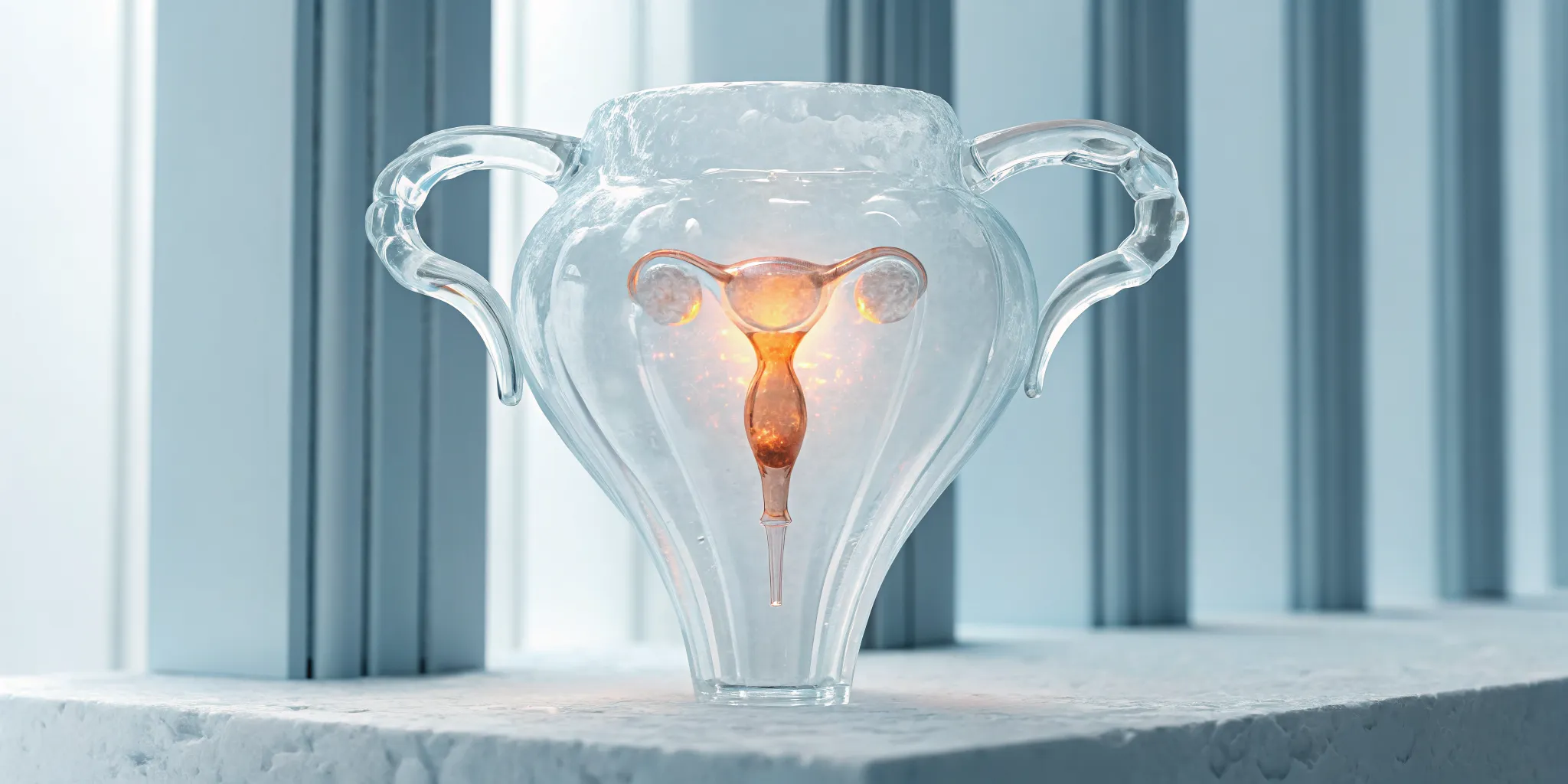
The connection between our minds and bodies is powerful, and it plays a significant role in our sexual health. If you’re dealing with chronic stress, anxiety, or just the pressures of a demanding life, your body can respond in physical ways, including vaginal dryness. When your mind is preoccupied, it can interfere with the signals that lead to natural arousal and lubrication, creating a frustrating cycle of discomfort and more stress. This is one of the most overlooked causes of vaginal dryness. Understanding how your emotional well-being impacts your physical health is a crucial step toward finding a holistic solution that addresses more than just the symptoms and helps you feel whole again.
Key Takeaways
- Look beyond menopause for the cause: Vaginal dryness is not just a symptom of aging; it can stem from medications, stress, childbirth, and even the personal care products you use every day.
- Your mental health affects your vaginal health: Chronic stress and anxiety can disrupt the hormones responsible for natural lubrication, creating a cycle where emotional distress leads to physical discomfort.
- Personalized treatment is key to finding relief: Effective solutions range from simple lifestyle changes and over-the-counter products to advanced medical options like hormone therapy and non-hormonal tissue rejuvenation.
What Is Vaginal Dryness (And How Does It Affect You)?
Let’s talk about something many of us experience but few of us discuss openly: vaginal dryness. At its core, it’s a common condition where the tissues of the vagina are not well-lubricated, leading to discomfort and irritation. Think of it as your body producing less of its natural moisture, which can make everything from sitting for long periods to exercising feel uncomfortable.
This isn’t just a minor inconvenience that only affects you during menopause. Women of all ages can experience it for a variety of reasons. The feeling can range from mild irritation to significant pain that disrupts your daily life and intimate moments. Understanding what vaginal dryness is and recognizing its symptoms is the first step toward finding relief and reclaiming your comfort. It’s a medical issue with real solutions, not something you just have to live with.
Common Symptoms to Look For
So, how do you know if what you’re feeling is vaginal dryness? The signs are usually quite direct. You might notice a persistent feeling of soreness, itching, or burning in your vaginal area. Sex can become painful instead of pleasurable, and you might even experience some light bleeding afterward because the delicate tissues are more prone to tearing. For some women, the discomfort isn’t limited to intimacy; it can show up as stinging when you urinate or a general feeling of irritation throughout the day. If these symptoms sound familiar, know that effective vaginal dryness treatment is available to help you feel like yourself again.
How It Impacts Your Sex Life and Daily Comfort
The effects of vaginal dryness go far beyond physical sensations. When sex is painful, it’s natural to start avoiding it, which can create distance and stress in a relationship. This cycle of discomfort and avoidance can take a toll on your confidence and mental well-being, sometimes leading to feelings of anxiety around intimacy. But it’s not just about sex. Chronic discomfort can make you feel on edge and irritable, impacting your mood and overall quality of life. When you’re constantly aware of itching or burning, it’s hard to feel comfortable in your own body. This is a form of pelvic pain, and seeking pelvic pain treatment can address the root cause and bring you lasting relief.
The Hormonal Causes of Vaginal Dryness
Our hormones act as powerful messengers, directing countless functions in our bodies, including the health of our vaginal tissues. When it comes to moisture and comfort, estrogen is the star player. This key hormone helps maintain the thickness, elasticity, and natural lubrication of the vaginal walls by promoting healthy blood flow and keeping the tissue plump and resilient. So, it’s no surprise that when estrogen levels fluctuate or decline, one of the first things you might notice is dryness.
These hormonal shifts are a completely normal part of a woman’s life, occurring during major transitions like menopause, after childbirth, or even due to certain medications. Understanding this hormonal connection is the first step toward finding a solution that works for you. While it can be uncomfortable, it’s important to remember that vaginal dryness is a medical condition, not something you just have to live with. There are many effective ways to restore moisture and reclaim your comfort. Exploring options for vaginal dryness treatment can help you feel like yourself again.
Estrogen Decline During Menopause
Menopause is the most common reason for a significant drop in estrogen. As your body prepares to stop menstruating, your ovaries produce less of this vital hormone. This change, known as genitourinary syndrome of menopause (GSM), directly affects your vaginal health. The once-plush and moist tissues can become thinner, less elastic, and drier, which can lead to discomfort during daily activities, itching, and painful sex. If this sounds familiar, you are far from alone. Many women experience these symptoms, and effective solutions like Bioidentical Hormone Replacement Therapy are available to help replenish your hormone levels and restore vaginal health.
Postpartum and Breastfeeding Hormones
The period after childbirth and during breastfeeding is another time of major hormonal change. Your body lowers estrogen production while increasing prolactin, the hormone responsible for milk production. This temporary hormonal state can mimic menopause, often leading to vaginal dryness. While you’re busy caring for a new baby, this added discomfort can feel overwhelming. It’s helpful to know that this is a common and usually temporary phase. As your hormones begin to regulate after you stop breastfeeding or your cycle returns, the dryness often resolves on its own. In the meantime, there are safe ways to manage the symptoms and maintain your comfort.
Birth Control and Other Medications
Sometimes, the cause of vaginal dryness can be found in your medicine cabinet. Certain medications are designed to influence your hormones, and a side effect can be reduced vaginal lubrication. Some low-dose hormonal birth control pills, for example, can suppress your body’s natural estrogen production enough to cause dryness. Other medications, including some antidepressants, allergy medicines, and treatments for conditions like endometriosis or uterine fibroids, can also contribute to the issue. If you suspect your medication is the culprit, it’s a great idea to discuss it with your doctor. They can help you understand your options for managing your sexual and urinary tract health.
Non-Hormonal Causes of Vaginal Dryness
While hormonal shifts are a primary reason for vaginal dryness, they aren’t the only cause. Sometimes, the culprit can be found in your medicine cabinet, your daily habits, or other underlying health conditions. Understanding these non-hormonal factors is a key step in finding the right solution for you. It’s important to look at the full picture of your health and lifestyle to pinpoint what might be contributing to your discomfort. From common medications to the soap you use, several elements can disrupt your body’s natural moisture. By identifying these triggers, you can make informed changes and work with a specialist to restore comfort and confidence.
Side Effects from Medications
It might surprise you to learn that some of the most common over-the-counter and prescription medications can lead to vaginal dryness. Certain allergy and cold medicines, for example, are designed to dry up mucus in your sinuses, but they can have a similar effect elsewhere in the body. Some antidepressants and birth control pills can also interfere with your hormones and reduce natural lubrication. If you’ve recently started a new medication and noticed symptoms of dryness, it’s worth discussing with your doctor. They can help you understand if there’s a connection and explore alternative options that won’t compromise your comfort.
Autoimmune and Other Medical Conditions
Sometimes, vaginal dryness is a symptom of a broader health issue. Autoimmune disorders, such as Sjögren’s syndrome, can cause widespread dryness by mistakenly attacking the body’s moisture-producing glands, including those in the vaginal walls. Other conditions like diabetes can also play a role. If you’re experiencing dryness along with other symptoms like dry eyes, a dry mouth, or joint pain, it’s a good idea to seek a comprehensive medical evaluation. Getting a proper diagnosis for an underlying condition is the first step toward managing all of your symptoms effectively and finding a vaginal dryness treatment that works for you.
Lifestyle Factors and Common Irritants
Your daily habits and the products you use can have a bigger impact on vaginal health than you might think. Scented soaps, bubble baths, sprays, and douching can irritate the delicate vaginal tissues and strip away natural moisture, leading to dryness and discomfort. It’s best to stick to gentle, unscented products for personal hygiene. Additionally, high levels of stress can increase cortisol, a hormone that can interfere with sexual arousal and lubrication. Taking steps to manage stress, whether through exercise, mindfulness, or other relaxation techniques, can support your overall well-being, including your vaginal health.
How Stress and Mental Health Affect Vaginal Dryness
It’s easy to think of vaginal dryness as a purely physical issue, but our mental and emotional states play a huge role in our overall health, including down there. The connection between your mind and body is powerful, and when you’re dealing with chronic stress, anxiety, or depression, your body often responds in ways you might not expect. Understanding how your mental well-being influences vaginal health is the first step toward finding effective, holistic solutions that address the root cause of your discomfort, not just the symptoms.
The Link Between Stress and Hormones
When you’re stressed, your body enters a “fight or flight” response, releasing hormones like cortisol. While helpful in short bursts, chronic stress keeps these hormone levels high, disrupting your body’s delicate balance. This can interfere with estrogen production, the key hormone for maintaining vaginal lubrication and elasticity. When estrogen levels dip due to stress, you might experience dryness, itching, and burning. It’s your body’s way of signaling that it’s under too much pressure. Addressing these imbalances with treatments like Bioidentical Hormone Replacement Therapy can help restore your body’s natural equilibrium.
Anxiety, Depression, and Low Arousal
Anxiety and depression can directly impact your sexual health, often dampening desire and making it difficult to become aroused. Sexual arousal starts in the brain; if your mind is preoccupied with worry or sadness, it won’t send the necessary signals to your body to prepare for sex. This means less blood flow to the genitals and, consequently, less natural lubrication. Many of us are taught to “power through” our feelings, but ignoring your emotional state can make physical symptoms worse. If you’re struggling, know that there are effective options available for treatment for low libido in females.
Breaking the Cycle of Discomfort
Stress and vaginal dryness can create a frustrating cycle. You feel stressed, which causes dryness. The dryness then leads to discomfort during intimacy, which can cause more anxiety about sex. This new stress only makes the original problem worse. Recognizing this pattern is crucial to breaking free from it. Managing stress through practices like mindfulness, exercise, or therapy is just as important as addressing the physical symptoms. A comprehensive approach that considers both your mental and physical health is the most effective way to find lasting relief and restore comfort to your daily life.
How to Treat Vaginal Dryness
Finding the right solution for vaginal dryness often involves a personalized approach, as the best treatment depends on the underlying cause. The good news is that you have many options, from simple lifestyle adjustments to advanced medical therapies. It’s all about discovering what works for your body and helps you feel comfortable and confident again. Talking with a healthcare professional can help you sort through these choices to create a plan that restores moisture and improves your overall vaginal health.
Hormone and Bioidentical Therapies
If hormonal changes, especially the drop in estrogen during menopause, are the source of your discomfort, hormone therapy can be a game-changer. These treatments work by reintroducing the hormones your body is missing, which helps restore the vaginal tissue’s natural thickness, elasticity, and lubrication. Options range from localized estrogen creams, tablets, or rings to more comprehensive systemic treatments. For a highly personalized approach, many women explore Bioidentical Hormone Replacement Therapy, which uses hormones that are chemically identical to those your body produces. This can provide targeted relief not just for dryness but for other menopausal symptoms as well.
Non-Hormonal Medical Treatments
For women who prefer to avoid hormones or can’t use them for medical reasons, there are excellent non-hormonal treatments available. These advanced therapies focus on rejuvenating the vaginal tissue itself to improve natural lubrication and function. For example, treatments like Votiva use gentle radiofrequency energy to stimulate collagen production, which helps tighten tissues and relieve dryness. Similarly, procedures like the O-Shot use your body’s own growth factors to regenerate healthier, more responsive vaginal tissue. These innovative options offer lasting relief by addressing the root cause of the tissue changes without introducing hormones.
Over-the-Counter and Lifestyle Solutions
You can find immediate, temporary relief right in your local pharmacy. Vaginal moisturizers are designed for regular use (every few days) to maintain hydration, while lubricants are used just before or during sex to reduce friction and make intimacy more comfortable. Look for water-based or silicone-based products without glycerin or parabens, which can be irritating. Simple lifestyle changes can also make a big difference. Try switching to gentle, unscented soaps, wearing breathable cotton underwear, and staying well-hydrated. These small adjustments can support your vaginal health and complement any vaginal dryness treatment you pursue.
When to See a Doctor for Vaginal Dryness
It’s easy to dismiss vaginal dryness as just another part of aging or a temporary inconvenience you have to put up with. Many women head to the pharmacy for over-the-counter lubricants and moisturizers, and sometimes, that’s enough to manage the discomfort. But if those solutions aren’t cutting it, or if the irritation is starting to cast a shadow over your daily comfort and intimate life, it’s time to talk to a professional. You absolutely do not have to live with persistent pain or a feeling of being disconnected from your body.
Seeking medical advice isn’t just about finding a better product; it’s about understanding the root cause of your symptoms. A doctor can help identify if hormonal changes, a medical condition, or a medication is the culprit. Getting an accurate diagnosis is the first and most important step toward finding a vaginal dryness treatment that provides lasting relief and restores your confidence. Think of it as a partnership where you and your doctor work together to get you feeling like yourself again. It’s a proactive step toward reclaiming your comfort and well-being, and it’s one you deserve to take.
Signs You Need Professional Help
So, how do you know when it’s time to move beyond the drugstore aisle and book an appointment? It’s less about a specific timeline and more about how the symptoms are affecting you. According to the Cleveland Clinic, you should reach out to your doctor if vaginal dryness impacts your daily life, sex life, or relationships. If you’ve been using over-the-counter moisturizers and lubricants for a couple of months without any real improvement in irritation or pain during sex, that’s another clear sign. You should also seek help if you’re experiencing other symptoms alongside dryness, like frequent urinary tract infections (UTIs) or unusual discharge.
What to Expect at Your Consultation
Walking into a doctor’s office to discuss something so personal can feel intimidating, but it’s a conversation your provider is prepared and ready to have. The goal of your consultation is to pinpoint the exact cause of your discomfort. Your doctor will ask about your symptoms, your health history, and any medications you’re taking. This conversation is key to getting the right diagnosis and a personalized treatment plan. Depending on the cause, your doctor might suggest anything from lifestyle adjustments to hormonal treatments. It’s important to have an open discussion about the pros and cons of any recommended therapies so you can make an informed decision that feels right for you.
Frequently Asked Questions
Is vaginal dryness just a normal part of aging I have to accept? While it’s true that vaginal dryness is very common, especially during and after menopause, you absolutely do not have to accept it as your new normal. Think of it like any other medical condition. It has clear causes and, more importantly, effective treatments. Viewing it as a treatable issue, rather than an inevitable part of life, is the first step toward finding a solution that restores your comfort and confidence.
I’ve tried over-the-counter lubricants. Why aren’t they working for me? This is a common frustration. Lubricants are great for providing temporary relief from friction during sex, but they don’t solve the underlying problem. They are a short-term fix. If the tissues themselves have become thinner or less elastic due to hormonal changes or other factors, you’ll likely need a solution that addresses tissue health directly. Professional treatments work to restore your body’s natural moisture and tissue resilience for more lasting comfort.
Are treatments like hormone therapy safe? It’s completely understandable to have questions about the safety of any medical treatment. Modern hormone therapies, especially when prescribed and monitored by a specialist, are tailored specifically to your body and health history. A thorough consultation will determine if you are a good candidate. If hormone therapy isn’t the right fit for you, there are also many advanced non-hormonal options that effectively rejuvenate vaginal tissue without impacting your hormones.
How quickly can I expect to feel relief from professional treatments? The timeline for relief really depends on the specific treatment and your individual body. Some women notice an improvement after just one or two sessions with in-office procedures, while therapies that work to replenish hormones or regenerate tissue might take a few weeks to reach their full effect. The most important thing is that these treatments are designed to provide significant, long-term relief, which is well worth the wait.
Besides medical treatments, what lifestyle changes can I make to help? There are definitely supportive habits you can adopt at home. Staying well-hydrated is fundamental for your entire body, including your vaginal tissues. It’s also wise to avoid harsh or scented soaps, bubble baths, and douching, as these can strip away natural moisture and cause irritation. Opting for breathable, cotton underwear can also improve comfort and airflow, reducing the risk of irritation.