
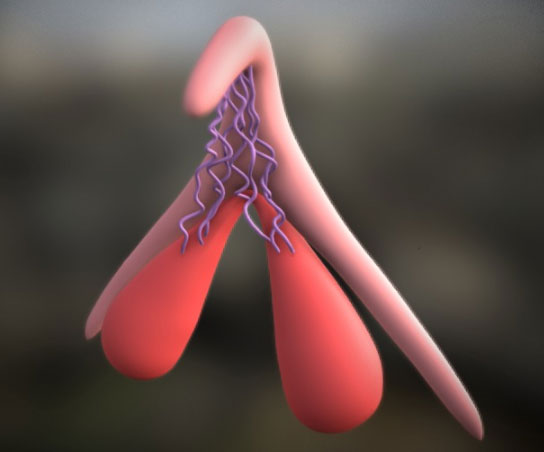
Modern intimate wellness care includes various energy-based technologies designed to address tissue laxity, dryness, and discomfort. Among these modalities, fractional carbon dioxide laser systems are marketed for addressing vaginal symptoms and tissue changes associated with menopause and other life stages, although their clinical effectiveness for these purposes has not been established. Patients considering this technology often wonder about CO2 laser vaginal rejuvenation and how fractional laser energy affects delicate mucosal tissues.
Understanding how the treatment is designed to work, the limitations of current clinical evidence, and the relevant safety warnings can help you make an informed decision. Under the expert guidance of Dr. Jennifer R. Berman, MD, a board-certified urologist and female sexual medicine specialist, patients receive transparent, conservative evaluations focused entirely on physical safety and proven medical science.
At Berman Women's Wellness, Dr. Jennifer R. Berman, MD, works closely with patients to ensure they understand their long-term outcomes and maintenance needs.
Quick Summary
- Fractional CO₂ laser technology delivers controlled thermal energy to create microscopic treatment zones in vaginal tissue. Although collagen stimulation is a proposed biological response, this does not establish a proven clinical benefit for vaginal rejuvenation.
- CO₂ laser systems have been studied for genitourinary syndrome of menopause (GSM), including vaginal dryness and discomfort, but current clinical evidence does not support their use as an established treatment for these symptoms.
- Regulatory authorities warn that the safety and effectiveness of energy-based devices for vaginal rejuvenation and vaginal cosmetic procedures have not been established.
- Reported or potential complications include vaginal burns, scarring, pain during sexual intercourse, and recurring or chronic pain.
- Consulting a qualified specialist can help you understand the available clinical evidence, potential risks, and limitations before considering treatment.
If you want to understand how long approved clinical results typically last over time, take time to review our overview on how long does vaginal rejuvenation last.
How CO2 Laser Technology is Proposed to Work
Fractional CO₂ laser systems use infrared energy that is absorbed by water in tissue, producing controlled thermal effects in the targeted area. This energy creates microscopic zones of thermal injury intended to activate a tissue-healing response. Collagen remodeling has been proposed as part of this response, but these biological effects should not be interpreted as proof of improved vaginal symptoms or clinical outcomes.
Patients should understand that although fractional CO₂ laser treatment is designed to produce controlled thermal changes in tissue, its clinical benefits for vaginal symptoms have not been established. The treatment is marketed for vaginal tissue concerns, but it has not been established as an effective method for restoring vaginal moisture, elasticity, or surgical-level structural tightness. In simple terms, the laser creates controlled thermal effects in tissue, but the resulting clinical benefit for vaginal rejuvenation remains unproven.
As you evaluate the safety profiles and regulatory history surrounding thermal equipment, take a moment to review our detailed analysis on FDA warning on vaginal rejuvenation lasers. Understanding past regulatory communications helps you evaluate device claims with appropriate caution.
Intended Symptoms and Clinical Indications
Clinicians should evaluate the cause of a patient's symptoms before discussing CO₂ laser treatment, because current evidence does not establish this therapy as an effective treatment for menopausal vaginal symptoms.
- Menopausal Mucosal Thinning: Declining estrogen levels can contribute to vaginal tissue changes, including dryness, irritation, and discomfort.
- Mild Vaginal Laxity: Some women report changes in vaginal sensation or a feeling of laxity after childbirth, but these symptoms do not establish CO₂ laser treatment as an effective option.
- Dyspareunia (Painful Intercourse): Vaginal dryness and tissue changes associated with menopause may contribute to discomfort during intercourse, although painful intercourse can have other causes.
For example, a postmenopausal woman experiencing chronic vaginal dryness should be informed that fractional CO₂ laser treatment has not been established as an effective treatment for this symptom. The 2025 AUA/SUFU/AUGS guideline states that current evidence does not support CO₂ laser treatment for genitourinary syndrome of menopause-related vaginal dryness, discomfort, or painful intercourse.
If you are exploring whether your specific physical symptoms qualify you for clinical intervention, take a look at our comprehensive guide on how does one qualify for vaginal rejuvenation. Knowing pre-treatment health criteria ensures your expectations match clinical realities.
Differences Between CO2 Lasers and Alternative Approaches
CO₂ laser treatment, surgery, and conservative therapies work differently, and their suitability depends on the underlying condition and the available clinical evidence.
- Fractional CO2 Lasers: Use thermal energy to create microscopic treatment zones in vaginal tissue. Although marketed for dryness and tissue laxity, their effectiveness for these symptoms has not been established.
- Surgical Options: Vaginoplasty involves surgical alteration or tightening of vaginal tissues. The specific technique, intended outcome, risks, and durability depend on the procedure being performed.
- Conservative Alternatives: Pelvic floor physical therapy may address pelvic floor muscle dysfunction, while local vaginal estrogen may help manage menopausal vaginal dryness when clinically appropriate.
For example, a patient with menopausal vaginal dryness should discuss evidence-supported treatment options with a healthcare professional rather than assuming that CO₂ laser is an established treatment. Significant pelvic floor injury requires an appropriate clinical assessment to determine the suitable treatment. The U.S. Food and Drug Administration has warned that energy-based devices have not been cleared or approved for vaginal rejuvenation, vaginal cosmetic procedures, or the treatment of vaginal symptoms related to menopause, urinary incontinence, or sexual function.
If you are calculating the financial and physical investment required for laser series versus alternatives, explore our detailed breakdown on [is vaginal rejuvenation worth it](/is-vaginal-rejuvenation-worth it/). Evaluating costs and limitations helps prevent post-treatment disappointment.
Evidence Limitations, Potential Risks, and Safety Questions
CO₂ laser vaginal rejuvenation has important evidence limitations, and patients should understand its potential risks before considering treatment.
Understanding the potential complications can help patients make a more informed decision about whether to consider the procedure. Patients should discuss their medical history and any active vaginal symptoms with a qualified healthcare professional before considering an energy-based procedure. The U.S. Food and Drug Administration has warned that complications associated with energy-based vaginal procedures may include vaginal burns, scarring, pain during sexual intercourse, and recurring or chronic pain.
Before consenting to a fractional laser procedure, ask your clinician these essential questions:
- Has this specific laser device been cleared or approved by the FDA for the exact condition being treated?
- What peer-reviewed clinical data supports the long-term effectiveness of this treatment for my symptoms?
- What complications have been reported with this procedure, and what steps are taken to reduce the risk of burns or scarring?
- Is there reliable clinical evidence supporting maintenance sessions, and what follow-up schedule do you recommend?
If you want to review the broader spectrum of adverse body reactions and normal healing timelines, take a moment to read our comprehensive guide on side effects of vaginal rejuvenation. Knowing what to expect during recovery ensures safe monitoring.
Frequently Asked Questions
Q: How does a fractional CO2 laser differ from other lasers used in gynecology?
Fractional CO₂ lasers create microscopic zones of thermal injury in tissue, while surgical lasers may be used to cut, vaporize, or remove tissue during certain procedures. These different uses do not establish the effectiveness of fractional CO₂ laser for vaginal rejuvenation.
Q: Is CO2 laser vaginal rejuvenation painful?
The level of discomfort can vary, and some patients may experience pain during or after the procedure. Patients should ask their clinician about the expected discomfort and available pain-management measures.
Q: How many laser sessions are typically required to see results?
There is no established standard number of CO₂ laser sessions or annual maintenance schedule for vaginal rejuvenation. Treatment protocols may vary, and patients should not assume that a three-session series or yearly maintenance will produce proven results.
Q: Can CO2 lasers cure severe urinary incontinence?
No, CO₂ laser treatment is not an established treatment for urinary incontinence. The appropriate management depends on the type and severity of leakage and should be discussed with a qualified healthcare professional.
Q: What are the main safety risks associated with vaginal lasers?
Potential complications include vaginal burns, scarring, pain during sexual intercourse, and recurring or chronic pain. The FDA has warned about these risks with energy-based vaginal procedures.
Q: How can I verify that my practitioner uses safe equipment?
Ask your practitioner for the device's FDA clearance or approval details and confirm the exact medical indication covered by that authorization. A device's clearance for another medical use does not mean it is FDA-cleared or approved for vaginal rejuvenation.
Conclusion
CO₂ laser vaginal rejuvenation is marketed as a non-surgical option for menopausal dryness and vaginal tissue laxity, but current clinical evidence does not establish its effectiveness for these symptoms. Patients should understand the limitations of current evidence and the potential risks, including burns, scarring, and chronic pain, before considering treatment. By consulting with Dr. Jennifer R. Berman, MD, a board-certified urologist and female sexual medicine specialist at Berman Women's Wellness, you receive honest, conservative guidance grounded in clinical science rather than commercial hype.
If you are ready to explore your options and want expert medical guidance, you can learn more directly through our Vaginal rejuvenation service Los Angeles to get started with Dr. Jennifer R. Berman, MD.