
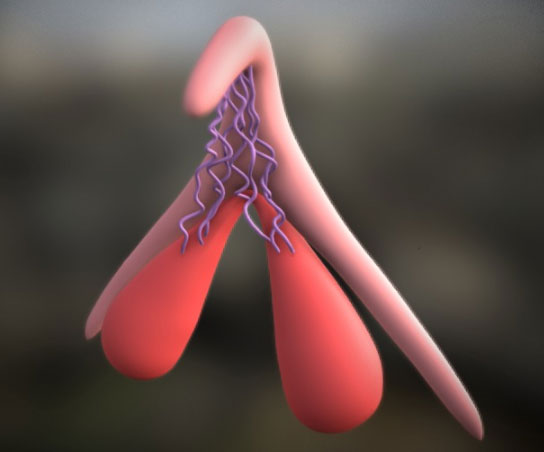
Vaginal rejuvenation is a broad marketing term used to describe various surgical and non-surgical procedures intended to alter vaginal or vulvovaginal tissue appearance, structure, or function. The safety and effectiveness of these procedures vary, and their benefits are not established for every marketed purpose. However, not every patient requires or qualifies for the exact same procedure. Understanding how one qualifies for vaginal rejuvenation depends entirely on individual anatomy, overall health status, and personal wellness objectives. Under the clinical guidance of Dr. Jennifer R. Berman, MD, each patient undergoes a thorough medical assessment to identify the safest, most effective path forward.
At Berman Women's Wellness, Dr. Jennifer R. Berman, MD, works closely with patients to ensure they understand their long-term outcomes and maintenance needs.
Quick Summary
- Candidacy relies on specific physical symptoms, baseline tissue health, and realistic personal expectations.
- Some women seek evaluation for changes in vaginal tissue or comfort following childbirth, aging, or menopause, but these symptoms do not automatically establish eligibility for a procedure.
- Active pelvic infections, pregnancy, and certain untreated medical conditions may affect the timing or suitability of a procedure and require individual clinical assessment.
- A comprehensive consultation evaluates pelvic floor strength, mucosal integrity, and overall medical history.
- Non-procedural options, including pelvic floor physical therapy or local hormone therapy, may be more appropriate for some patients depending on their symptoms and clinical assessment.
If you want to understand how long approved clinical results typically last over time, take time to review our overview on how long does vaginal rejuvenation last.
How Does One Qualify for Vaginal Rejuvenation?
Determining whether vaginal rejuvenation is appropriate requires an individualized clinical evaluation of the patient's symptoms, medical history, physical findings, and treatment goals. Eligibility depends on the specific procedure being considered. Pregnancy, active vaginal infections, unexplained bleeding, and significant pelvic organ prolapse should be assessed by a qualified healthcare professional before any procedure is considered.
Dr. Jennifer R. Berman, MD, evaluates each individual's physical anatomy and medical background before recommending a personalized care plan. Your specific symptoms, reproductive plans, medical history, and physical examination findings help determine whether any procedure is appropriate. The potential benefits, risks, and limitations of the proposed treatment should be considered before making a decision.
As you explore foundational safety standards and regulatory guidelines before booking an appointment, take a moment to review our comprehensive analysis on is vaginal rejuvenation safe. Understanding clinical safety protocols helps you approach your eligibility evaluation with complete confidence.
Evaluating Symptoms and Medical History
Clinicians look at specific physical indicators and health backgrounds to determine which treatment approach fits your body best.
- Postpartum Tissue Changes: Vaginal delivery can be associated with changes in vaginal and pelvic floor tissues, which may contribute to a sensation of vaginal laxity or changes in sexual sensation.
- Menopausal Mucosal Thinning: Declining estrogen levels can contribute to vaginal tissue changes, including dryness, irritation, and reduced tissue elasticity.
- Mild Stress Urinary Incontinence: Stress urinary incontinence involves urine leakage during activities such as coughing, sneezing, or exercise, and may be associated with reduced pelvic floor or urethral support.
For example, a new mother experiencing mild tissue looseness six months after delivery should undergo an individualized clinical assessment before any procedure is considered. The appropriate approach depends on the underlying tissue changes and whether a procedure is medically appropriate. The American College of Obstetricians and Gynecologists (ACOG) emphasizes the importance of appropriate patient evaluation and counseling about the potential risks, benefits, and limitations of female genital cosmetic procedures.
If you recently welcomed a baby and are wondering about the best timeline to evaluate your physical recovery, explore our detailed breakdown on vaginal rejuvenation after childbirth. Knowing when postpartum tissues have stabilized protects your long-term pelvic health.
Aligning Treatment Goals With Realistic Expectations
Clear communication about your personal wellness goals ensures that your chosen procedure can deliver achievable physical results.
- Non-Surgical Goals: Radiofrequency and laser therapies are marketed for improving vaginal tissue firmness and dryness. However, their clinical effectiveness for these purposes has not been established, and patients should understand their limitations before considering treatment.
- Surgical Goals: Procedures such as vaginoplasty and labiaplasty involve different surgical approaches. Vaginoplasty may involve tightening or reconstructing vaginal tissues, while labiaplasty involves altering the size or shape of the labia.
For example, expecting a non-invasive laser treatment to correct severe pelvic organ prolapse is unrealistic because laser treatments have not been established as an effective method for repairing significant pelvic organ support problems. Guidance from the U.S. Food and Drug Administration emphasizes that patients must discuss realistic capabilities and regulatory boundaries with their clinician prior to treatment.
If you are trying to decide how many appointments might be necessary to achieve your personal wellness objectives, take a look at our guide on how many vaginal rejuvenation sessions. Understanding treatment timelines helps align your expectations with real clinical protocols.
What Happens During an Intimate Wellness Consultation
A structured medical consultation provides a comfortable, confidential setting to assess your physical health and answer all your questions.
At the same time, knowing what to expect during your visit helps reduce pre-appointment nervousness. Dr. Jennifer R. Berman, MD, conducts thorough, respectful evaluations designed to put every patient at ease. The Office on Women's Health (U.S. Department of Health and Human Services) explains that pelvic organ prolapse can be evaluated through a medical history and pelvic examination
During your consultation, you can expect the following steps:
- Detailed Medical History Review: Discussion of your pregnancies, surgeries, current medications, menstrual or menopausal status, and specific symptoms.
- Symptom and Goal Discussion: Open conversation regarding physical discomfort, dryness, or functional concerns you wish to address.
- Gentle Pelvic Examination: Assessment of vaginal tissue condition, pelvic floor muscle function, and anatomical support when clinically appropriate.
- Customized Treatment Recommendations: Review of suitable non-surgical or surgical options, expected timelines, and pre-care instructions.
If you feel nervous about potential discomfort during an exam or subsequent procedure, take a moment to read our detailed guide on whether vaginal rejuvenation hurts. Learning about gentle clinical techniques and numbing protocols ensures you feel completely relaxed.
When Alternative Treatments Are a Better Choice
In many clinical scenarios, conservative medical therapies or targeted physical rehabilitation offer safer, more effective relief than rejuvenation procedures.
That said, an ethical specialist will always recommend non-procedural options when they better serve your physical health. For instance, women experiencing bladder leakage or pelvic floor muscle weakness may benefit from an appropriate pelvic floor assessment and conservative treatment rather than relying on unproven thermal energy procedures. Similarly, menopausal vaginal dryness may be managed with appropriate treatments, including low-dose local vaginal estrogen therapy when clinically suitable.
If your primary concern involves urinary leaks during daily activities or exercise, explore our thorough overview on can vaginal rejuvenation help with bladder leakage. Reviewing established incontinence solutions ensures you choose the most effective medical care for your body.
Frequently Asked Questions
Q: Can I qualify for vaginal rejuvenation if I plan to have more children?
Women planning future pregnancies should discuss the timing and suitability of any proposed vaginal procedure with their healthcare professional. Elective surgical procedures such as vaginoplasty are generally best considered after family building is complete.
Q: Does age disqualify me from vaginal rejuvenation treatments?
Age alone does not determine eligibility. Suitability depends on the individual's symptoms, medical history, physical findings, and the specific procedure being considered.
Q: What medical conditions might prevent me from getting vaginal rejuvenation?
Active pelvic infections, pregnancy, and unexplained vaginal bleeding require clinical assessment before an elective procedure is considered. Whether treatment should be delayed or avoided depends on the patient's individual medical circumstances and the procedure being considered.
Q: Is a pelvic exam required before starting treatment?
A pelvic examination may be appropriate to evaluate tissue condition, pelvic floor function, and anatomical support before certain procedures. Whether it is necessary depends on the patient's symptoms and the proposed treatment.
Q: How do I know if I need surgical or non-surgical rejuvenation?
During your consultation, your specialist will assess your symptoms, tissue condition, and pelvic floor support to discuss whether any procedure is appropriate and which options may be suitable.
Q: Can I undergo vaginal rejuvenation if I am currently breastfeeding?
Breastfeeding does not automatically determine eligibility for vaginal rejuvenation. The timing and suitability of an elective procedure should be assessed individually, taking the patient's recovery and clinical circumstances into account.
Conclusion
Understanding how one qualifies for vaginal rejuvenation empowers you to approach intimate health decisions with clarity and realistic expectations. Eligibility depends on an individualized assessment of symptoms, medical history, physical findings, and personal treatment goals, along with a clear understanding of the potential benefits, risks, and limitations of available options. By scheduling an evaluation with Dr. Jennifer R. Berman, MD, at Berman Women's Wellness, you receive compassionate, individualized guidance focused entirely on your safety and long-term comfort.
To schedule your private consultation and learn more about personalized care options, visit our Vaginal rejuvenation service los angeles today.