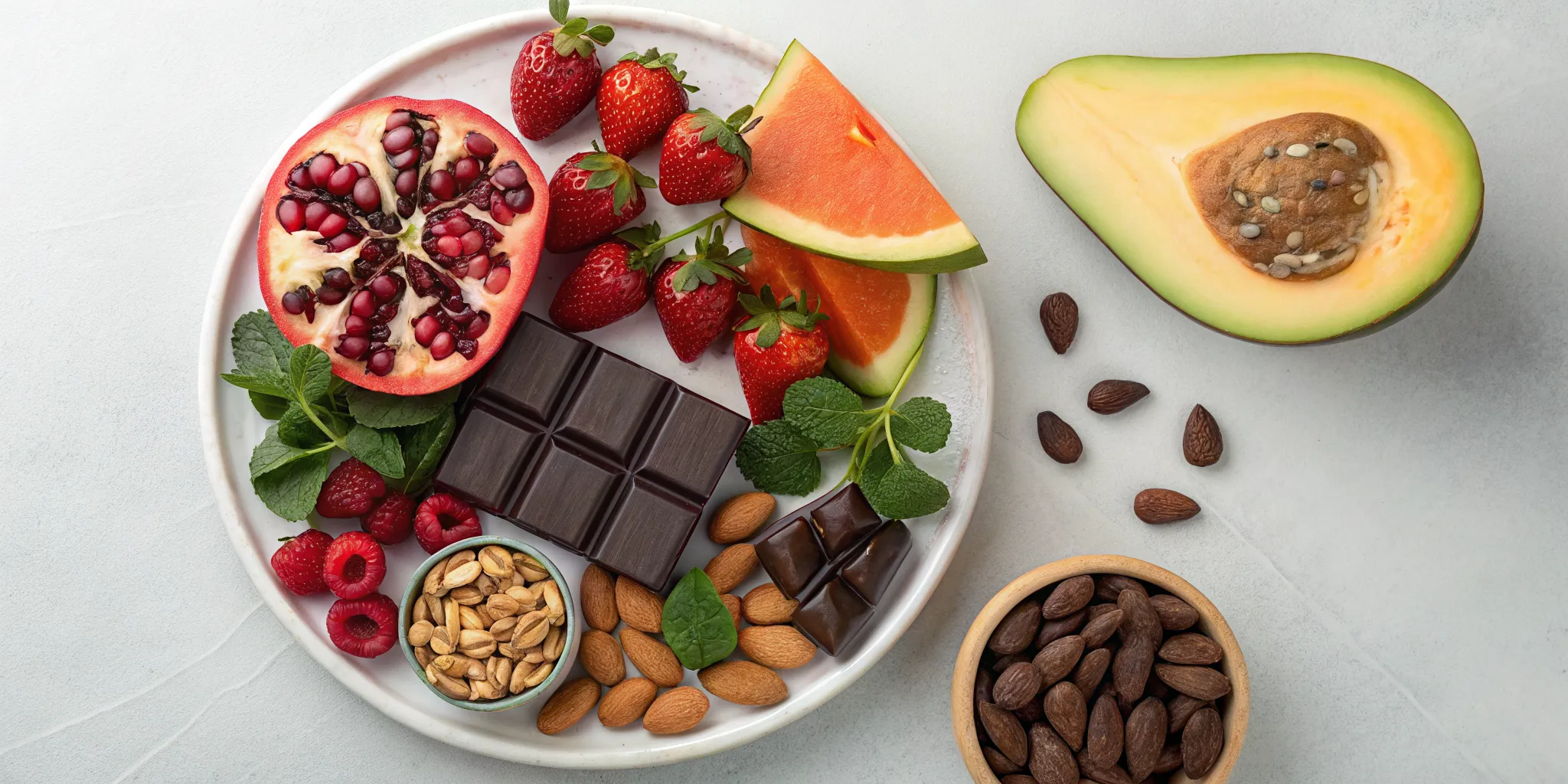
Taking charge of your sexual wellness can be an incredibly empowering journey, and your kitchen is a great place to start. Desire isn’t just in your head; it’s a physical response that relies on your body having the right resources. Many of us are curious about ‘foods that boost libido instantly’, and while the effects are often more gradual, the right diet can be transformative. By understanding how specific nutrients impact everything from your circulation to your brain chemistry, you can make intentional choices that support your vitality. This is about using delicious, accessible foods as a tool to help you feel more vibrant, energized, and in tune with your body.
Key Takeaways
- Nourish your libido with key nutrients: Certain foods support sexual health by improving circulation and helping balance hormones. Focus on incorporating items rich in zinc, amino acids, and antioxidants to give your body the building blocks it needs for desire.
- Prioritize consistency for lasting results: While some foods can offer a short-term lift, the most significant improvements to your sex drive come from long-term dietary habits. Consistently choosing whole, nutrient-dense foods builds a strong foundation for your overall vitality.
- Look beyond your plate for a holistic approach: Diet is just one part of the equation for a healthy libido. Regular exercise, quality sleep, and effective stress management are equally important habits that contribute to your physical and emotional well-being.
What Foods Can Enhance Your Libido?
When we talk about desire, it’s easy to focus on the emotional and psychological side of things. But what you eat plays a significant role, too. While there’s no single food that acts as a magic button for arousal, incorporating certain nutrient-rich foods into your diet can help set the stage for a healthier sex drive. Think of it as another form of self-care that nourishes your body from the inside out.
The connection between food and libido isn’t just folklore. Specific vitamins, minerals, and compounds found in everyday foods can support the biological processes that fuel desire. These foods often work by improving blood circulation, helping your body produce the right hormones, or activating key neurotransmitters in your brain that are linked to pleasure and arousal. A healthy diet supports a healthy body, and a healthy body is more responsive to sexual cues. If you’re looking for ways to support your sexual wellness, making a few thoughtful additions to your grocery list is a simple and delicious place to start. It’s one of the many tools you can use to address a low libido and feel more connected to your body.
Dark Chocolate for a Mood Lift
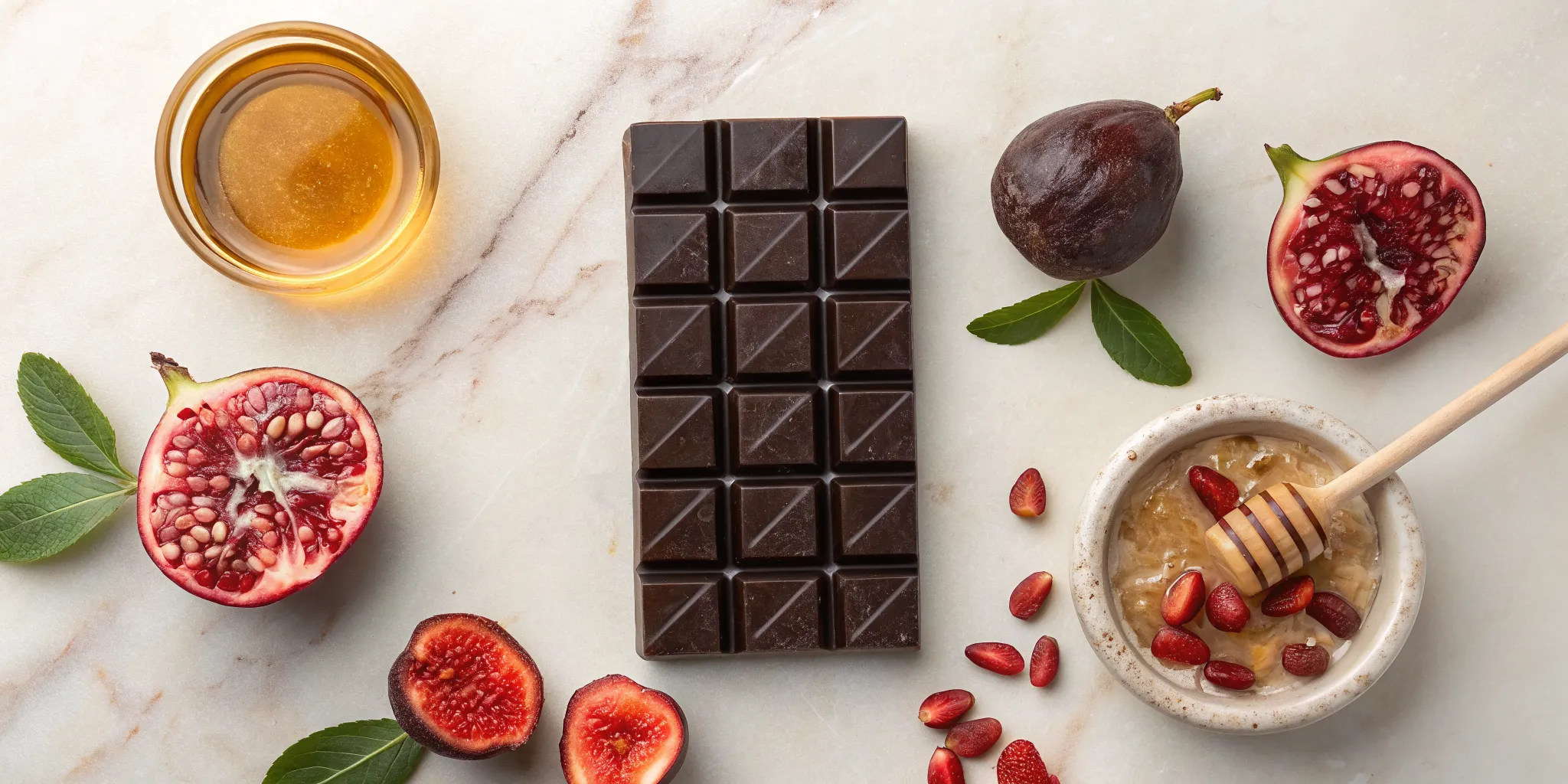
There’s a reason chocolate and romance go hand in hand. Dark chocolate (the kind with at least 70% cacao) contains a compound called phenylethylamine, which is sometimes called the “love chemical.” It’s the same chemical your brain releases when you’re falling in love, and it encourages the production of dopamine, a neurotransmitter that plays a huge role in pleasure and motivation. A small square of high-quality dark chocolate can provide a gentle mood lift, helping you relax and feel more in the moment. It’s a simple indulgence that can help create a more sensual mindset, making it a perfect treat to share.
Watermelon to Improve Blood Flow
This refreshing summer fruit does more than just hydrate you. Watermelon is one of the best natural sources of an amino acid called citrulline. Your body converts citrulline into arginine, another amino acid that helps produce nitric oxide. Nitric oxide is essential for relaxing blood vessels, which in turn improves blood flow throughout your body, including to your sexual organs. Enhanced blood flow is critical for arousal and sensitivity, making watermelon a sweet and effective way to support your body’s natural response to sexual stimulation. Think of it as a juicy addition for your circulation.
Oysters for Their Zinc Content
Oysters have a long-standing reputation as an aphrodisiac, and science backs it up. They are packed with zinc, a mineral that is absolutely vital for sexual health. Zinc plays a key role in producing testosterone, a hormone that is crucial for sex drive in both men and women. While many people associate testosterone with men, healthy testosterone levels for women are essential for maintaining desire, energy, and overall well-being. If oysters aren’t your thing, you can also get a good dose of zinc from other sources like pumpkin seeds, red meat, and cashews.
Chili Peppers to Boost Circulation
If you like a little spice in your food, you’re in luck. Chili peppers get their heat from a compound called capsaicin, which is known to get your blood pumping. Eating something spicy can increase your heart rate and circulation, mimicking the physical sensations of arousal. Capsaicin also triggers the release of endorphins, your body’s natural feel-good chemicals, which can create a sense of euphoria and reduce stress. Adding a dash of cayenne or some fresh chili to your meal can quite literally spice things up by warming your body and putting you in a more energized mood.
Nuts for Healthy Fats
Nuts like almonds and walnuts are full of healthy fats, which are essential for hormone production. Your body needs these fats to create hormones like estrogen and testosterone, both of which are key players in your libido. Walnuts are also a great source of L-arginine, which, like the citrulline in watermelon, helps with nitric oxide production and blood flow. Other healthy fats found in avocados and fatty fish like salmon also support cardiovascular health. A strong heart and clear arteries are fundamental to good circulation, which is directly linked to better sexual function and responsiveness.
How Libido-Enhancing Foods Work
It might sound like wishful thinking, but the idea that certain foods can influence your sex drive is rooted in science. It’s not about magic potions; it’s about nutrition. The foods we eat provide the building blocks our bodies need to function optimally, and that includes our sexual health. Think of it this way: your libido is connected to a complex system of hormones, blood flow, and brain chemistry. The right foods can support these systems, helping everything run smoothly.
Certain nutrients play a direct role in improving circulation, balancing hormones, and even triggering the release of feel-good chemicals in your brain. When you eat foods rich in these specific compounds, you’re essentially giving your body the tools it needs to fuel desire. From relaxing your blood vessels to supporting testosterone production, what’s on your plate can have a real impact on how you feel in the bedroom. Understanding these mechanisms is the first step toward making intentional food choices that support a vibrant, healthy sex life.
Improving Blood Circulation
Healthy blood flow is essential for sexual arousal. For physical excitement to build, blood needs to circulate freely to your sexual organs, increasing sensitivity and pleasure. Certain foods contain compounds that help relax and widen your blood vessels, making this process more efficient. Watermelon, for example, is rich in an amino acid called citrulline, which your body converts into arginine. Arginine helps produce nitric oxide, a key molecule for vasodilation. This process is similar to how some medications for sexual dysfunction work, highlighting just how important good circulation is for your sexual and urinary tract health.
Supporting Hormone Production
Hormones are the chemical messengers that regulate countless bodily functions, including your sex drive. When your hormones are out of balance, your libido is often one of the first things to suffer. For women, testosterone plays a crucial role in desire, and certain nutrients are vital for its production. Zinc, for instance, is a key mineral for creating testosterone. This is why oysters, which are packed with zinc, have such a strong reputation as an aphrodisiac. By eating foods that support healthy hormone levels, you can help maintain a steady and healthy interest in sex. If you suspect a deeper imbalance, exploring options like bioidentical hormone replacement therapy can provide targeted support.
Activating Key Neurotransmitters
Desire begins in the brain. Your mood and mental state are directly linked to your libido, and this connection is managed by neurotransmitters. These are the chemicals that transmit signals between nerve cells, influencing everything from happiness to arousal. Dark chocolate, for example, contains phenylethylamine, a compound that can trigger the release of dopamine. Dopamine is often called the “pleasure chemical” because it’s associated with reward and motivation. When dopamine levels rise, you tend to feel happier and more engaged, which can naturally translate to a greater interest in intimacy and help address concerns about low libido.
The Importance of Nitric Oxide
We touched on nitric oxide when discussing blood flow, but it deserves its own spotlight. This molecule is a powerful vasodilator, meaning it helps relax the inner muscles of your blood vessels, causing them to widen. This action significantly increases circulation throughout your body, including the pelvic region. Better blood flow leads to heightened sensitivity, improved natural lubrication, and stronger orgasms. Foods rich in nitrates, like leafy greens (think spinach and arugula) and beets, are excellent sources because your body can convert these nitrates into nitric oxide. Supporting this natural process is a simple yet effective way to enhance physical arousal, similar to how treatments like the O-Shot work to improve sensation.
Essential Nutrients for Sexual Health
When we talk about food and desire, it’s not about magic potions. It’s about science. Certain foods are packed with specific vitamins, minerals, and compounds that support the bodily functions essential for a healthy sex drive. From balancing hormones to improving blood flow, these key nutrients provide the building blocks your body needs for arousal and satisfaction. Think of it as nourishing your libido from the inside out, creating a foundation for great sexual health.
Zinc for Healthy Testosterone
You’ve probably heard that oysters are an aphrodisiac, and there’s a good reason for that. They are incredibly rich in zinc, a mineral that plays a vital role in producing testosterone. While often thought of as a male hormone, healthy levels of testosterone for women are just as crucial for maintaining a strong sex drive, energy, and mood. When your zinc levels are low, your testosterone can dip, taking your libido with it. Besides oysters, you can also find zinc in foods like beef, pumpkin seeds, and lentils.
Flavonoids for Vascular Health
Good circulation is a cornerstone of sexual arousal, and that’s where flavonoids come in. These powerful plant compounds, found in colorful fruits and vegetables, are fantastic for your vascular health. They help keep your blood vessels flexible and clear, ensuring blood can flow freely to all the right places. Think of foods like berries, cherries, apples, and dark leafy greens. Including a variety of these in your diet supports the physical response that’s so important for desire and pleasure, contributing to your overall sexual and urinary tract health.
Amino Acids to Produce Nitric Oxide
Watermelon is more than just a refreshing summer treat; it’s a great source of an amino acid called L-citrulline. Your body converts this into L-arginine, which then helps produce nitric oxide. Nitric oxide is a superstar molecule that relaxes your blood vessels, significantly increasing blood flow throughout your body, including to your sexual organs. This process is fundamental to arousal for both men and women. Other foods that can help your body produce nitric oxide include beets, garlic, and nuts, all of which support this critical pathway for sexual response.
Antioxidants for Cellular Health
Antioxidants are your body’s defense team, protecting your cells from damage and supporting overall wellness. When it comes to libido, they help maintain healthy blood flow, which is essential for sexual function. Pomegranates and strawberries are loaded with antioxidants that do just that. Some foods, like chili peppers, contain a compound called capsaicin, which can increase circulation and even heighten sensitivity. By incorporating antioxidant-rich foods into your diet, you’re supporting your body on a cellular level, which is a key part of the comprehensive approach to women’s wellness.
Fruits and Veggies to Spark Desire
When we think about fueling our bodies, we often focus on energy for work or the gym. But what you eat can also have a direct impact on your sexual wellness. Adding certain fruits and vegetables to your diet is a simple and delicious way to support your libido. It’s not about finding a magic bullet, but about providing your body with the specific vitamins, minerals, and compounds it needs to maintain hormonal balance, healthy circulation, and a positive mood. Think of it as another form of self-care that starts on your plate.
Pomegranate for Testosterone
Pomegranates have long been seen as a symbol of fertility, and modern science suggests there’s some truth to the legend. This vibrant fruit is packed with antioxidants that support overall health and blood flow. More specifically, some studies show that pomegranate juice can help lower cortisol, a stress hormone. When stress levels go down, your sex hormones, including testosterone, have a better chance to shine. Research suggests that this effect may help increase testosterone in both women and men, which is a key component of a healthy sex drive.
Avocados for Vitamin E
Avocados are a fantastic source of healthy fats, fiber, and vitamin E, giving you the kind of lasting energy that can certainly come in handy. They are also rich in vitamin B6, which plays a role in producing serotonin, the “feel-good” neurotransmitter. For women, vitamin B6 can be particularly helpful in easing premenstrual syndrome (PMS) symptoms like fatigue and irritability. By helping to balance your mood and energy levels, avocados can make it easier to feel romantic and connect with your partner, no matter the time of month.
Figs for Amino Acids
Figs are a naturally sweet and sensual fruit that also happens to be full of nutrients that support sexual health. They are an excellent source of amino acids, which are the building blocks for nitric oxide in the body. Nitric oxide is essential for healthy blood flow, as it helps relax and widen blood vessels, a process crucial for arousal. Because of their role in circulation and hormone production, the amino acids in figs are believed to help increase libido and stamina.
Beets for Nitrates
Don’t let their earthy taste fool you; beets are a powerhouse for your circulatory system. They are loaded with dietary nitrates, which your body converts into nitric oxide. Just like with figs, this process is vital for improving blood flow to every part of your body. Good circulation is a cornerstone of sexual response and arousal. Adding beets or beet juice to your diet is a great way to naturally support this process and may even enhance sexual performance and overall vitality.
The Power of Spices and Herbs on Libido
Beyond the mainstays of your fruit bowl and vegetable drawer, your spice rack holds some powerful allies for your sexual health. For centuries, different cultures have used herbs and spices not just for flavor, but for their medicinal properties, including their ability to stir desire. While they might not be a magic bullet, incorporating certain herbs and spices into your diet can support the bodily functions that are essential for a healthy libido, from circulation to hormone balance.
Think of these as natural complements to a healthy lifestyle. They work by supporting your body’s systems. Some, like ginseng, are known for their energizing properties, which can be a game-changer if fatigue is dampening your desire. Others, like saffron, can gently influence your mood, creating a more positive mental space for intimacy to flourish. It’s all about creating the right internal environment. When your body has the support it needs, from proper blood flow to balanced hormones, your sex drive can naturally follow suit. Let’s look at a few kitchen staples that can add a little extra spice to your life in more ways than one.
Ginseng for Energy
If you’re feeling too tired for intimacy, ginseng might be worth exploring. This popular herb is well-known for its potential to increase energy and fight fatigue. Its benefits for sexual health are linked to its ability to help the body produce nitric oxide. This compound is crucial for relaxing blood vessels and improving blood flow throughout the body, including to the sexual organs. Better circulation can lead to heightened arousal and sensitivity. For many women, a simple lack of energy is a major barrier to a satisfying sex life, and addressing that can make a significant difference in their overall treatment for low libido.
Saffron to Regulate Mood
Saffron, the vibrant spice that gives dishes a beautiful golden hue, may also brighten your mood. Research suggests that saffron can have antidepressant effects, which can indirectly support a healthy sex drive. When you’re feeling stressed, anxious, or down, sexual desire is often one of the first things to fade. By helping to regulate your mood and create a greater sense of well-being, saffron can help clear the mental hurdles that stand in the way of intimacy. A positive mindset is a key component of sexual desire, making this spice a gentle yet effective tool for addressing the emotional side of low libido.
Garlic to Improve Blood Flow
Garlic is a kitchen staple celebrated for its incredible flavor and health benefits, including its positive effects on circulation. It contains a compound called allicin, which is known to help improve blood flow. Healthy circulation is absolutely essential for sexual arousal, as it ensures that blood can reach the erogenous zones, increasing sensitivity and pleasure. While you might not want to eat it right before a kiss, incorporating more garlic into your regular meals can contribute to better cardiovascular and sexual health over time. Think of it as a long-term investment in your body’s responsiveness.
Maca Root for Hormonal Balance
Maca root, a plant native to Peru, has earned a reputation as a natural way to support sexual function and energy. It’s often used to help with hormonal balance, which is a cornerstone of a healthy libido, especially for women experiencing fluctuations due to perimenopause or menopause. While it doesn’t contain hormones itself, maca is thought to nourish the endocrine system, which is responsible for producing and regulating them. For women seeking natural ways to support their hormonal health, maca can be a helpful addition to their wellness routine, complementing treatments like Bioidentical Hormone Replacement Therapy.
What Does Science Say About Aphrodisiacs?
While the idea of an aphrodisiac might sound like something from a romance novel, science shows that certain foods really can have a positive effect on your sexual health and desire. These foods work by improving blood flow, supporting hormone production, or influencing mood-related brain chemicals. They aren’t magic potions, but incorporating them into your diet can be a delicious and natural way to support your libido. Let’s look at what the research says about a few popular options.
Pomegranate Juice and Erectile Function
Pomegranate juice has gained attention for its potential to help with erectile dysfunction, but its benefits aren’t just for men. The juice is packed with antioxidants that support blood flow, which is essential for arousal in all bodies. Some studies suggest it may also help increase testosterone levels in both men and women by lowering stress hormones like cortisol. Since testosterone plays a key role in female desire, this is a significant finding. A daily glass of pomegranate juice could be a simple way to support your body’s natural hormone balance and overall sexual health.
Watermelon Extract and Blood Flow
Think of watermelon as nature’s little helper for circulation. This fruit is a fantastic source of an amino acid called L-citrulline. Your body converts L-citrulline into L-arginine, which then helps produce nitric oxide. Nitric oxide is crucial because it relaxes blood vessels and improves blood flow throughout your body, including to the pelvic region. This enhanced circulation can heighten sensitivity and arousal. The antioxidants in watermelon may also contribute to better overall vascular health, making it a refreshing and supportive choice for your sex life.
Dark Chocolate and Sexual Satisfaction
There’s a reason we associate chocolate with love and romance. Dark chocolate contains some fascinating chemicals, including phenethylamine, which your brain releases when you fall in love. It also has tryptophan, an amino acid that helps your body produce serotonin. Serotonin is a neurotransmitter linked to feelings of happiness and well-being, which are foundational to sexual desire. Choosing dark chocolate with a high cacao content ensures you get more of these beneficial compounds and less sugar. It’s a treat that can genuinely put you in a better, more receptive mood.
The Evidence for Ginseng
Ginseng is an herb that has been used in traditional medicine for centuries to fight fatigue and improve energy levels. Modern research is now exploring its direct effects on sexual function. Some studies suggest that certain types of ginseng may help improve sexual arousal and satisfaction, particularly in postmenopausal women. While it’s not a cure-all, the evidence indicates that ginseng could be a useful herbal supplement for naturally supporting your energy and desire. If you’re exploring ways to address a low libido, it’s one of many tools to consider alongside a holistic wellness plan.
How Quickly Can You Expect Results?
It’s the big question, right? You’ve added oysters and dark chocolate to your grocery list, but how long until you feel a difference? The answer depends on the food and your body’s unique chemistry. Some foods offer a near-immediate lift, while others work their magic over time by building a strong foundation for your sexual health. Let’s break down what you can realistically expect.
Immediate vs. Long-Term Effects
Some foods can create a noticeable effect within a few hours. Take watermelon, for example. It’s rich in an amino acid called citrulline, which your body converts to arginine. This compound helps relax blood vessels and improve circulation, including to your sexual organs. This is a short-term effect you might feel relatively quickly.
On the other hand, many foods support your libido through long-term nutritional benefits. Foods high in zinc, like oysters, contribute to healthy hormone production over weeks and months. Consistently eating a diet rich in antioxidants and healthy fats builds a resilient foundation for your overall wellness, which is directly tied to your sexual health.
The Best Time to Eat for an Effect
If you’re looking for a little spark for a specific evening, timing can be everything. Think of it like having a coffee before a big meeting. The caffeine can stimulate your nervous system and increase alertness. Similarly, having a piece of dark chocolate can trigger the release of feel-good chemicals in your brain, helping you relax and get in the mood. For these types of foods, consuming them an hour or two beforehand is a great strategy to align their effects with your plans. It’s a simple way to use food to gently nudge your body and mind in the right direction.
Setting Realistic Expectations
While adding these foods to your diet is a fun and delicious way to support your libido, it’s important to see them as one piece of a larger puzzle. A handful of almonds won’t undo the effects of chronic stress or poor sleep. True, lasting vitality comes from a holistic approach. The most significant and sustainable improvements to your sexual well-being are rooted in a healthy lifestyle. This means prioritizing balanced nutrition, regular movement, and stress management. If a low libido is a persistent concern, it’s always a good idea to seek professional guidance to explore all the factors at play.
Common Aphrodisiac Myths, Busted
Let’s talk about aphrodisiacs. The idea that you can eat a specific food and instantly feel a surge of desire is incredibly appealing. For centuries, cultures around the world have sworn by everything from oysters to chocolate to more exotic ingredients. But how much of this is based on real science, and how much is just wishful thinking? While it’s true that certain foods contain nutrients that support overall sexual health, the concept of a magic love potion in food form is largely a myth.
The truth is, a healthy libido is complex. It’s tied to your hormones, circulation, stress levels, and emotional well-being. No single food can override all of those factors. However, understanding the science behind these so-called aphrodisiacs can help you separate fact from fiction. Instead of searching for a quick fix, you can focus on building a diet and lifestyle that genuinely supports your sexual vitality in the long run. It’s about nourishing your body from the inside out, not just hoping a few bites of something special will do all the work for you.
Separating Fact from Fiction
So, do aphrodisiacs actually work? The answer is a bit of a “yes and no.” While there isn’t strong scientific evidence to prove that foods like oysters or strawberries will instantly spark desire, some foods do contain compounds that can help. For example, ingredients that improve blood flow or support hormone production can contribute to better sexual function over time. The key is to see these foods as part of a bigger picture of a healthy diet, rather than a standalone solution for low libido. The legend is often more powerful than the food itself.
Understanding the Placebo Effect
A huge part of why people believe in aphrodisiacs comes down to the placebo effect. Think of it this way: if you truly believe that eating dark chocolate before a romantic evening will put you in the mood, that belief alone can be powerful enough to create the feeling you’re looking for. Your mind is an incredibly influential tool. In fact, the placebo effect can be quite successful in sexual medicine. The ritual and intention behind sharing a special food can create intimacy and anticipation, which are genuine drivers of desire.
Why Exotic Isn’t Always Better
You don’t need to track down rare herbs or expensive delicacies to support your libido. Many of the real benefits come from everyday foods. For instance, the capsaicin in chili peppers can increase circulation and trigger the release of endorphins, creating a feeling of warmth and excitement. The focus should be on whole, nutrient-dense foods that support your overall health, not on mythical ingredients. If you are looking for a scientifically-backed approach, treatments like PT-141 Therapy work directly with your brain’s chemistry to increase sexual desire, offering a more reliable path than folklore.
Adding These Foods to Your Daily Diet
Incorporating libido-supporting foods into your routine doesn’t require a complete diet overhaul. It’s about making small, consistent choices that nourish your body and support your sexual health from the inside out. Think of food as one of the foundational pillars of your well-being, working alongside other healthy habits to help you feel your best. A well-balanced diet provides the energy, hormones, and mood stability necessary for a healthy sex drive. When you don’t get the right nutrients, your whole system can feel off-kilter. By focusing on whole, nutrient-dense foods, you’re giving your body the building blocks it needs to thrive. Let’s look at some practical ways to make these foods a regular part of your life.
Simple Meal Planning Ideas
Creating balanced meals is key to sustaining your energy and supporting hormone production. Aim to build your plates around lean protein, healthy fats, and plenty of colorful vegetables. For example, a dinner of grilled salmon (rich in omega-3s), roasted asparagus, and quinoa provides a fantastic mix of nutrients that support blood flow and hormonal health. For lunch, a salad with dark leafy greens, avocado, walnuts, and grilled chicken can do the same. A diet rich in these whole foods is a powerful tool for managing your overall wellness. When dietary changes are part of a larger strategy, they can significantly impact your vitality and desire, complementing professional treatments for low libido.
Easy, Energizing Snacks
Snacking smart is one of the easiest ways to add more libido-friendly nutrients to your day. Instead of reaching for something sugary that will lead to an energy crash, try a handful of almonds or walnuts, which are packed with zinc and healthy fats. A small square of dark chocolate can give you a mood lift, while a few fresh figs provide essential minerals and amino acids. For something more savory, try whole-grain crackers with a bit of smoked salmon. These simple swaps keep your energy levels stable and deliver the specific vitamins and minerals that contribute to better sexual and urinary tract health.
Foods You Might Want to Limit
Just as some foods can support your libido, others can stand in its way. Highly processed foods, excessive sugar, and unhealthy trans fats can negatively impact your energy, mood, and hormones. Think of things like fried foods, sugary sodas, and packaged pastries. These can cause inflammation and lead to energy slumps, which are not conducive to feeling vibrant and desirous. You don’t have to eliminate these foods entirely, but being mindful of your intake can make a big difference. If you suspect hormonal imbalances are at play beyond diet, exploring options like Bioidentical Hormone Replacement Therapy can offer more targeted support.
Timing Your Meals for Best Results
When you eat can be just as important as what you eat, especially when it comes to intimacy. A heavy, rich meal can leave you feeling sluggish and sleepy, which isn’t ideal for a romantic evening. Instead, try having a lighter meal a few hours before you plan to be intimate. This gives your body time to digest while still benefiting from the energy and nutrients. A meal focused on lean protein and vegetables is a great choice. This mindful approach to meal timing helps you feel your best physically, allowing you to be more present and connected with your partner. It’s one more simple way to create an environment where desire can flourish.
Beyond Food: Lifestyle Habits for a Healthy Libido
While the right foods can certainly set the stage for a healthier sex drive, what you do outside the kitchen matters just as much. Our libido is deeply connected to our overall physical and mental well-being. Think of it as an ecosystem where everything is linked; if one part is out of balance, it can affect the whole system. Factors like how much you move, how well you sleep, and how you handle stress play a significant role in your desire. It’s easy to focus on a single solution, like a specific food or supplement, but true sexual wellness is built on a foundation of healthy daily habits.
Making small, consistent changes in your routine can have a powerful impact. It’s not about overhauling your entire life overnight, but about incorporating habits that support your body and mind. When you feel your best physically and emotionally, your sexual health often follows. If you’re feeling like your desire has taken a hit, exploring these lifestyle adjustments is a great place to start. Understanding the root causes of low libido is the first step toward feeling more like yourself again. By taking a holistic view, you can address the underlying factors that influence your sex drive and cultivate a greater sense of vitality in all areas of your life.
The Link Between Exercise and Sexual Health
Regular physical activity is one of the most effective ways to support a healthy libido. When you exercise, you improve blood flow throughout your body, including to the pelvic region, which is essential for arousal and sexual response. It’s not just about the physical mechanics, either. Exercise releases endorphins, those feel-good chemicals that can reduce stress and improve your mood.
Plus, feeling strong and comfortable in your body is a natural confidence builder. You don’t need to run a marathon to see the benefits. Activities like brisk walking, yoga, dancing, or strength training a few times a week can make a real difference. The key is finding a form of movement you genuinely enjoy so it feels less like a chore and more like a part of your self-care routine.
How Sleep Affects Your Hormones
Never underestimate the power of a good night’s sleep. When you’re sleep-deprived, your body produces more of the stress hormone cortisol, which can suppress your sex drive. Chronic fatigue not only leaves you with little energy for intimacy but also disrupts the delicate balance of your sex hormones, including testosterone, which is vital for libido in women.
Aiming for seven to nine hours of quality sleep per night allows your body to rest, repair, and regulate its hormonal cycles. If you struggle with sleep, try creating a relaxing bedtime routine, like turning off screens an hour before bed or taking a warm bath. Prioritizing rest is a fundamental step in supporting your sexual health. If you suspect a hormonal imbalance is at play, exploring options like Bioidentical Hormone Replacement Therapy can also be a helpful conversation to have with a specialist.
Simple Ways to Manage Stress
It’s hard to feel in the mood when your mind is racing with a million worries. Chronic stress puts your body in a constant state of “fight or flight,” which is the biological opposite of the relaxed, open state needed for sexual desire. Finding healthy ways to manage stress is crucial for maintaining a healthy libido.
This doesn’t have to be complicated. Simple practices like deep breathing exercises, meditation, or even just spending a few minutes a day doing something you love can help lower cortisol levels. Whether it’s reading a book, listening to music, or going for a walk in nature, making time for relaxation tells your nervous system it’s safe to switch out of survival mode. Managing stress can also help with related issues like pelvic pain, which can be a major barrier to intimacy.
Knowing When to Seek Professional Help
If you’ve made lifestyle changes and still feel like your libido isn’t where you want it to be, please know you’re not alone and there’s nothing wrong with seeking support. Sometimes, a low sex drive can be a sign of an underlying medical condition, hormonal imbalance, or medication side effect that requires professional attention.
Talking to a healthcare professional who specializes in women’s sexual health can provide clarity and personalized solutions. A specialist can help you identify the root cause of your concerns and create a plan tailored to your unique needs. Reaching out is a proactive and empowering step toward reclaiming your vitality and well-being. There are many effective options available, and a dedicated treatment for low libido in females can help you feel vibrant and connected again.
Frequently Asked Questions
Is there one single food that works best for increasing libido? While it would be nice to have a single magic-bullet food, it really comes down to your overall eating patterns. Think of it less like taking a pill and more like building a strong foundation. Consistently incorporating a variety of nutrient-dense foods, like leafy greens, healthy fats from nuts, and antioxidant-rich berries, supports your body’s systems over time. The goal is to create a diet that supports healthy circulation and hormone production day in and day out.
How quickly can I expect to feel a difference after changing my diet? Some effects can be felt relatively quickly. For instance, the improved blood flow from foods rich in nitrates, like beets, might be noticeable sooner rather than later. However, the most significant benefits come from long-term consistency. Nutrients like zinc, which supports hormone production, work by building up in your system over weeks and months. It’s best to view dietary changes as a long-term investment in your sexual wellness, not an overnight fix.
Are there good plant-based options if I don’t eat oysters or red meat? Absolutely. You can get many of the same essential nutrients from plant-based sources. For zinc, which is crucial for hormone health, pumpkin seeds, lentils, and cashews are excellent choices. To support blood flow, focus on nuts like walnuts, leafy greens such as spinach and arugula, and fruits like watermelon and pomegranates. And of course, high-quality dark chocolate is a wonderful plant-based treat that can help with mood.
How much of this is just a placebo effect? The mind is definitely a powerful component of desire, so the placebo effect can play a role. If you believe a certain food will make you feel more sensual, that belief itself can be a turn-on. However, the connection between food and libido is also rooted in real biology. The nutrients in these foods genuinely support functions like blood circulation, hormone balance, and the production of feel-good brain chemicals, all of which are physical processes essential for arousal.
When should I consider seeking professional help for low libido? Making positive changes to your diet and lifestyle is a fantastic first step and can make a real difference for many women. However, if your low libido is persistent and causing you distress, it’s a good idea to speak with a healthcare professional. Sometimes, factors beyond diet, such as hormonal imbalances, underlying medical conditions, or medication side effects, are at play. A specialist can help you get to the root cause and create a personalized plan to help you feel like yourself again.