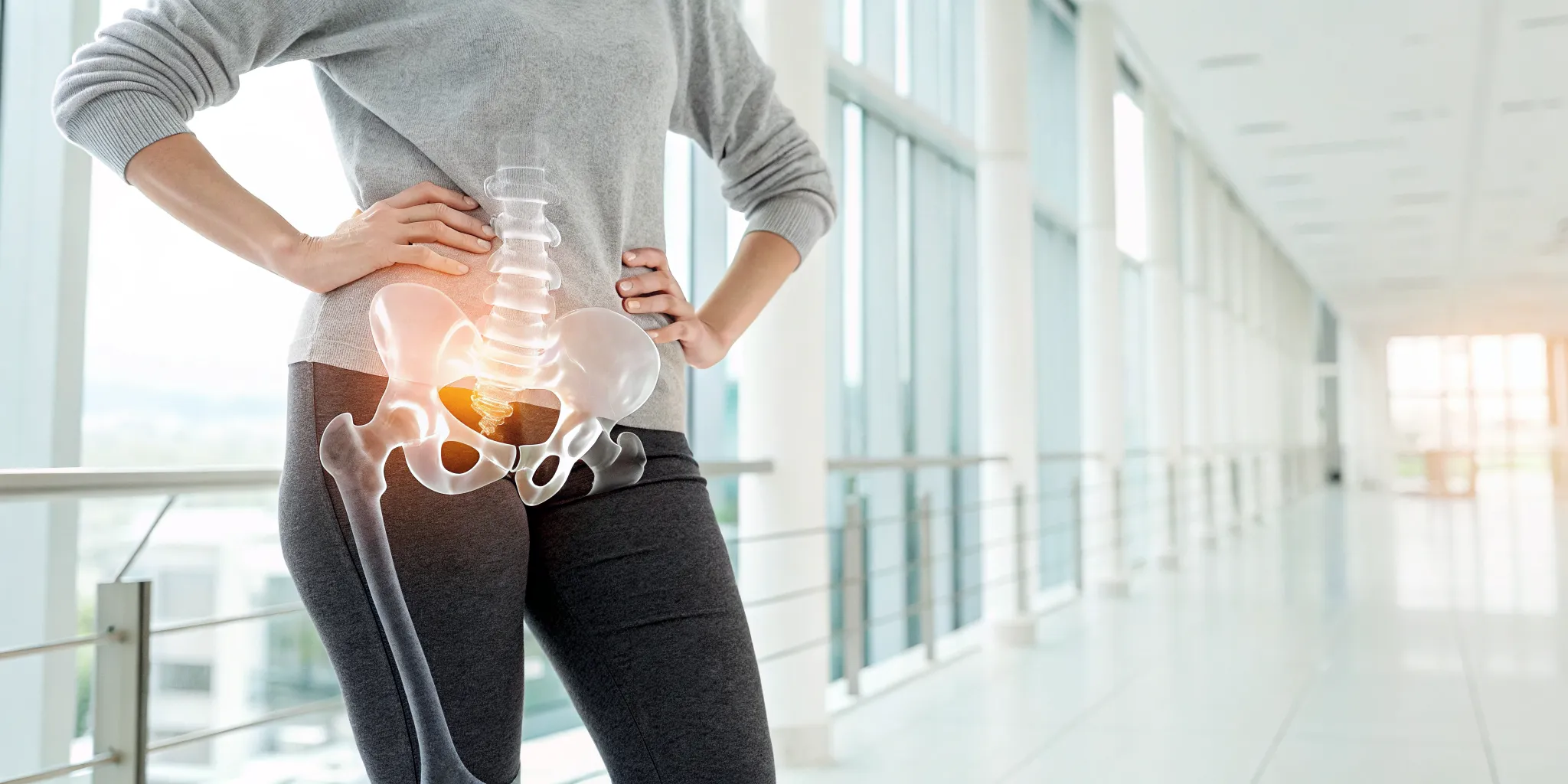
Your body has a way of letting you know when things are out of balance, and a feeling of heaviness in your pelvic area is one of its clearest signals. This sensation, which can feel like a dull pressure or a constant weight, shouldn’t be ignored or normalized. It can affect everything from your daily comfort to your confidence and intimate life. Understanding what’s behind this feeling is empowering. In this article, we will explore the various factors that can contribute to pelvic heaviness, help you identify related symptoms, and explain the modern, effective treatment options that can address the underlying cause and help you feel like yourself again.
Key Takeaways
- Don’t ignore pelvic heaviness: That persistent feeling of pressure is your body’s way of signaling an underlying issue, which could range from uterine fibroids to pelvic organ prolapse. Acknowledging this symptom is the first step toward finding a solution.
- Pay attention to accompanying symptoms: Pelvic heaviness often comes with other signs like bladder issues, lower back pain, or changes in your sex life. Noting these related symptoms provides crucial information for an accurate diagnosis.
- A wide range of solutions is available: You don’t have to accept pelvic discomfort as normal, as effective relief is achievable through lifestyle adjustments, targeted physical therapy, hormone treatments, and minimally invasive procedures.
What Does Pelvic Heaviness Feel Like?
Trying to describe a feeling of heaviness in your pelvis can be tricky. It’s not always a sharp, distinct pain, but more of a persistent, weighty presence that’s hard to ignore. You might feel like you’re carrying something low in your abdomen, or maybe there’s a constant pressure that just wasn’t there before. This sensation is common, especially for women, but that doesn’t mean it’s normal or something you have to live with. It’s a signal from your body that deserves your attention. Understanding what this feeling is and how it can show up is the first step toward figuring out the cause and finding relief.
Many different conditions can make your pelvic area feel heavy, and the good news is that most of them are very treatable. The key is to listen to your body and not dismiss what you’re feeling as just another ache or pain that comes with age or your cycle. Pinpointing the specific sensation can help you and your doctor get to the root of the issue much faster. Whether it’s a dull ache, a constant pressure, or something else entirely, recognizing the feeling is crucial for your health and well-being. It’s about taking control of your health and advocating for your comfort.
Pinpointing the Sensation
Many women describe pelvic heaviness as a dull ache or a feeling of pressure deep inside the pelvis. Some have even said it feels like they are “carrying a bowling ball” in their lower abdomen. This sensation might be constant, or it could come and go, perhaps getting worse after standing for a long time or at the end of the day. The feeling can be located in your lower stomach, or you might notice it more in the vaginal area. This type of chronic pelvic pain can be disruptive, making it important to identify exactly what you are experiencing.
Is It Heaviness or Something Else?
Sometimes, the feeling of heaviness is accompanied by other sensations. You might also experience sharp pains, cramping, or a pulling feeling in your lower abdomen. It’s possible for the sensation to change throughout your menstrual cycle or in response to certain activities, like exercise or intercourse. Because these symptoms can be vague, it’s easy to brush them off. However, paying close attention to these feelings is important. If you’re experiencing persistent discomfort, it’s a good idea to seek a professional opinion. A specialist can provide a clear diagnosis and guide you toward effective pelvic pain treatment options.
Why Do I Feel a Heavy Sensation in My Pelvis?
That persistent, dragging feeling in your lower abdomen can be unsettling. It’s a common concern, but figuring out the cause is the first step toward feeling better. Several factors, from hormonal shifts to specific medical conditions, can contribute to pelvic heaviness. Let’s walk through some of the most common reasons you might be experiencing this sensation.
Pelvic Organ Prolapse
Imagine the muscles and tissues supporting your pelvic organs acting like a hammock. When that hammock weakens, organs like your bladder or uterus can drop down, or prolapse. This can create a distinct feeling of heaviness or pressure in your vagina or lower belly, almost like something is bulging or falling out. It’s more common after childbirth or menopause but can happen for other reasons too. While it sounds alarming, there are many effective ways to manage it, from pelvic floor exercises to specialized pelvic pain treatments.
Uterine Fibroids and Ovarian Cysts
Uterine fibroids and ovarian cysts are incredibly common, and most of the time, they are non-cancerous. Fibroids are growths that develop in or on the uterus, while cysts are fluid-filled sacs on the ovaries. Depending on their size and location, both can create a noticeable sense of pressure or heaviness in your pelvis. Sometimes you won’t feel them at all, but larger ones can press on surrounding organs, leading to that weighted-down feeling. If a cyst twists or bursts, it can also cause sudden, sharp pain along with the heaviness.
Endometriosis and Pelvic Congestion Syndrome
Endometriosis is a condition where tissue similar to the uterine lining grows outside the uterus, often within the pelvis. This misplaced tissue can cause inflammation, chronic pain, and a persistent heavy feeling, especially around your period. Another, less-known cause is Pelvic Congestion Syndrome (PCS). This condition is essentially like having varicose veins, but around your uterus and ovaries. These enlarged veins can lead to a dull, aching, or dragging sensation in the pelvis that often feels worse after standing for long periods. Both conditions require a proper diagnosis to find the right pelvic pain treatment.
Hormonal Shifts and Your Menstrual Cycle
Sometimes, that heavy feeling is directly tied to your monthly cycle. Just before and during your period, hormonal fluctuations can cause your body to retain water, leading to bloating and a feeling of fullness in your pelvis. The uterus also experiences increased blood flow as it prepares to shed its lining, which can add to the sensation of weight. For many women, this feeling is a normal part of their cycle. However, if the heaviness is severe or accompanied by intense pain, it could be a sign of an underlying issue that hormone therapy might help address.
Pressure During and After Pregnancy
Pregnancy brings a whole new awareness to your pelvic region. As your baby grows, your expanding uterus naturally puts pressure on your bladder, bowels, and pelvic floor, which can definitely feel like heaviness. This sensation is a normal part of accommodating a growing life! After delivery, that feeling can stick around for a while as your body recovers and your pelvic floor muscles heal. It’s a sign of the incredible work your body has done. If the feeling persists or is accompanied by issues like incontinence, treatments like Emsella can help strengthen your pelvic floor.
Beyond Heaviness: Other Symptoms to Note
That feeling of heaviness in your pelvis often doesn’t show up alone. It can be accompanied by a range of other symptoms that might seem unrelated at first glance. Paying attention to these additional signs can help you and your doctor get a clearer picture of what’s going on. Think of it as gathering clues; the more you have, the easier it is to solve the puzzle and find the right path to feeling better.
Related Physical Symptoms
Beyond a general sense of weight, pelvic discomfort can take many forms. You might experience a persistent, dull ache or sharp, intermittent cramps that come and go. For some, the pain is a constant and intense presence. This discomfort isn’t always confined to one spot; it can radiate to your lower back, abdomen, or even your thighs. Understanding the specific type of pain you’re feeling is a key piece of information. A pelvic pain treatment plan often starts with pinpointing these exact sensations to identify the underlying cause.
Bladder and Bowel Changes
Have you noticed changes in your bathroom habits? It’s a common partner to pelvic heaviness. You might feel like you can’t fully empty your bladder, need to urinate more frequently, or experience leakage when you cough, sneeze, or exercise. Bowel issues, like constipation or a feeling of pressure, can also be part of the picture. These symptoms can be disruptive and frustrating, but they are important signals from your body. Treatments like Emsella Incontinence Therapy are designed to address the root cause of these bladder concerns by strengthening the pelvic floor.
Impact on Your Sex Life and Intimacy
It’s completely understandable if pelvic discomfort has changed your relationship with intimacy. Pain, pressure, or even numbness during sex are common complaints for women dealing with pelvic health issues. This can naturally lead to a decreased desire or avoidance of sexual activity, which can strain relationships and affect your self-esteem. It’s important to know that you’re not alone in this experience. Addressing the physical cause of the discomfort is the first step toward reclaiming a fulfilling and enjoyable sex life and managing a low libido.
How It Affects Your Daily Life and Mood
When you’re dealing with chronic discomfort, it’s bound to affect more than just your body. The persistent pain and related symptoms can make it difficult to work, exercise, or even enjoy simple daily activities. This physical strain can easily lead to emotional distress, creating a difficult cycle where pain worsens your mood, and stress, in turn, can intensify the pain. Acknowledging the mental and emotional toll is a crucial part of the healing process. Seeking comprehensive care that addresses both the physical and emotional aspects is key to truly feeling like yourself again.
When Is It Time to See a Doctor?
Trusting your intuition is key. You know your body better than anyone, and if something feels off, it’s worth looking into. A feeling of heaviness in your pelvis can range from a minor annoyance to a sign of something more serious. The goal isn’t to cause alarm but to empower you to seek care when you need it. Knowing when to wait and when to call a professional can make all the difference in finding relief and maintaining your health.
Signs You Need Urgent Medical Attention
While most causes of pelvic heaviness aren’t emergencies, some symptoms require immediate attention. If your feeling of pressure is accompanied by sudden, severe pain, a high fever, or abnormal, heavy bleeding, it’s time to seek medical care right away. These can be signs of an infection or another acute issue that needs prompt treatment. Don’t try to tough it out or wait for it to pass. Getting a quick and accurate diagnosis is the first step toward feeling better and ruling out any serious conditions. A specialist can provide a clear path forward for your pelvic pain treatment.
If Symptoms Interfere with Your Daily Life
Even if your symptoms aren’t an emergency, they still matter. It’s time to see a doctor if the discomfort makes it hard to get through your daily activities. Does the heaviness stop you from enjoying your daily walk, focusing at work, or being intimate with your partner? If the feeling is persistent, gets worse over time, or comes with other worrying symptoms like bloating or urinary changes, schedule an appointment. Your comfort and quality of life are important. You don’t have to accept chronic discomfort as your new normal; there are many services available to help you find the root cause and a solution that works for you.
How to Talk to Your Doctor
It can feel intimidating to discuss personal health issues, but being prepared can make the conversation much easier. Before your appointment, try keeping a simple log of your symptoms. Note when the heaviness occurs, what it feels like, and if anything makes it better or worse. Be ready to describe how it impacts your life. Don’t downplay your discomfort or feel embarrassed. Your doctor is there to help, and giving them a clear picture of your experience is the best way for them to do that. Finding a provider you trust, like Dr. Jennifer Berman, makes it easier to have these open and honest conversations.
How to Find Relief from Pelvic Heaviness
When you’re dealing with a constant feeling of heaviness in your pelvis, finding relief is a top priority. The good news is that you have options, and many of them are things you can start doing right away. From simple lifestyle shifts to at-home comfort measures, these strategies can help ease the pressure and get you back to feeling more like yourself. Think of these as the first steps in your toolkit for managing pelvic discomfort. While professional medical advice is essential for persistent symptoms, these adjustments can offer significant support and relief in your daily life.
Simple Lifestyle Adjustments
Sometimes, small changes can make a big impact. If your symptoms are mild or just starting, a few lifestyle tweaks might be all you need. Gentle, regular exercise like walking can improve circulation and help with overall pelvic health. It’s also important to avoid activities that put extra strain on your pelvic area, like heavy lifting or high-impact workouts, until you know what’s causing the pressure. According to the NHS, simple lifestyle changes can be an effective first line of defense, especially when it comes to preventing issues like constipation that can worsen that heavy feeling.
Strengthening Your Pelvic Floor
Your pelvic floor is a group of muscles that acts like a supportive sling for your pelvic organs. When these muscles are weak, it can contribute to feelings of heaviness and even lead to issues like incontinence. Regularly doing pelvic floor exercises, often called Kegels, can help strengthen these crucial muscles. For more targeted support, treatments like V Tone can help rehabilitate weak pelvic floor muscles, restoring your confidence and comfort. Consistency is key, so try to incorporate these exercises into your daily routine, just like any other workout.
Diet and Weight Management Tips
What you eat can directly affect the pressure in your pelvis. A diet rich in fiber from fruits, vegetables, and whole grains helps prevent constipation, which is a common culprit behind pelvic heaviness. Staying well-hydrated by drinking plenty of water is just as important to keep things moving smoothly. Maintaining a healthy weight also plays a role, as it reduces the overall strain on your pelvic floor and supportive tissues. These dietary choices aren’t about restriction; they’re about nourishing your body in a way that supports your comfort and long-term health.
At-Home Comfort and Self-Care
On days when the feeling of heaviness is particularly bothersome, a little self-care can go a long way. Applying a warm heating pad to your lower abdomen or back can help soothe aching and discomfort. You might also find relief through relaxation techniques like deep breathing, meditation, or a warm bath, which can help release tension in your pelvic muscles. While these at-home measures can provide temporary comfort, it’s important to listen to your body. If the feeling persists or gets worse, it’s a clear sign to seek a professional evaluation for your pelvic pain.
Professional Treatment Options to Consider
If lifestyle adjustments and at-home care aren’t providing the relief you need, it’s time to talk with a specialist. A doctor can help you get to the root cause of the heaviness and create a personalized treatment plan. Fortunately, there are many effective medical options available, ranging from simple therapies to more advanced procedures. Your path forward will depend on your specific diagnosis, symptoms, and personal health goals. It’s not a one-size-fits-all situation, which is why expert guidance is so important.
Working with a healthcare provider who specializes in women’s health ensures you receive compassionate and expert care. They can explain all your options, answer your questions, and help you make an informed decision that feels right for you. Remember, you don’t have to live with this discomfort. Professional help is available to help you feel lighter, more comfortable, and back to your old self. From hormonal therapies that restore balance to minimally invasive procedures that correct underlying issues, there is a solution that can fit your life and bring you lasting relief. A thorough evaluation can pinpoint whether the issue is muscular, structural, or hormonal, leading to a treatment that addresses the problem directly instead of just managing symptoms.
Hormonal and Medical Therapies
Hormonal fluctuations, especially during perimenopause and menopause, can contribute to pelvic discomfort and changes in tissue health. If your symptoms are linked to hormonal shifts, your doctor might suggest treatments to restore balance. Options can include localized estrogen in the form of creams, tablets, or a vaginal ring. For more systemic issues, treatments like Bioidentical Hormone Replacement Therapy can address a wider range of symptoms, including pelvic heaviness, by replenishing the hormones your body is missing. These therapies can improve tissue elasticity and support, offering significant relief.
The Role of Physical Therapy
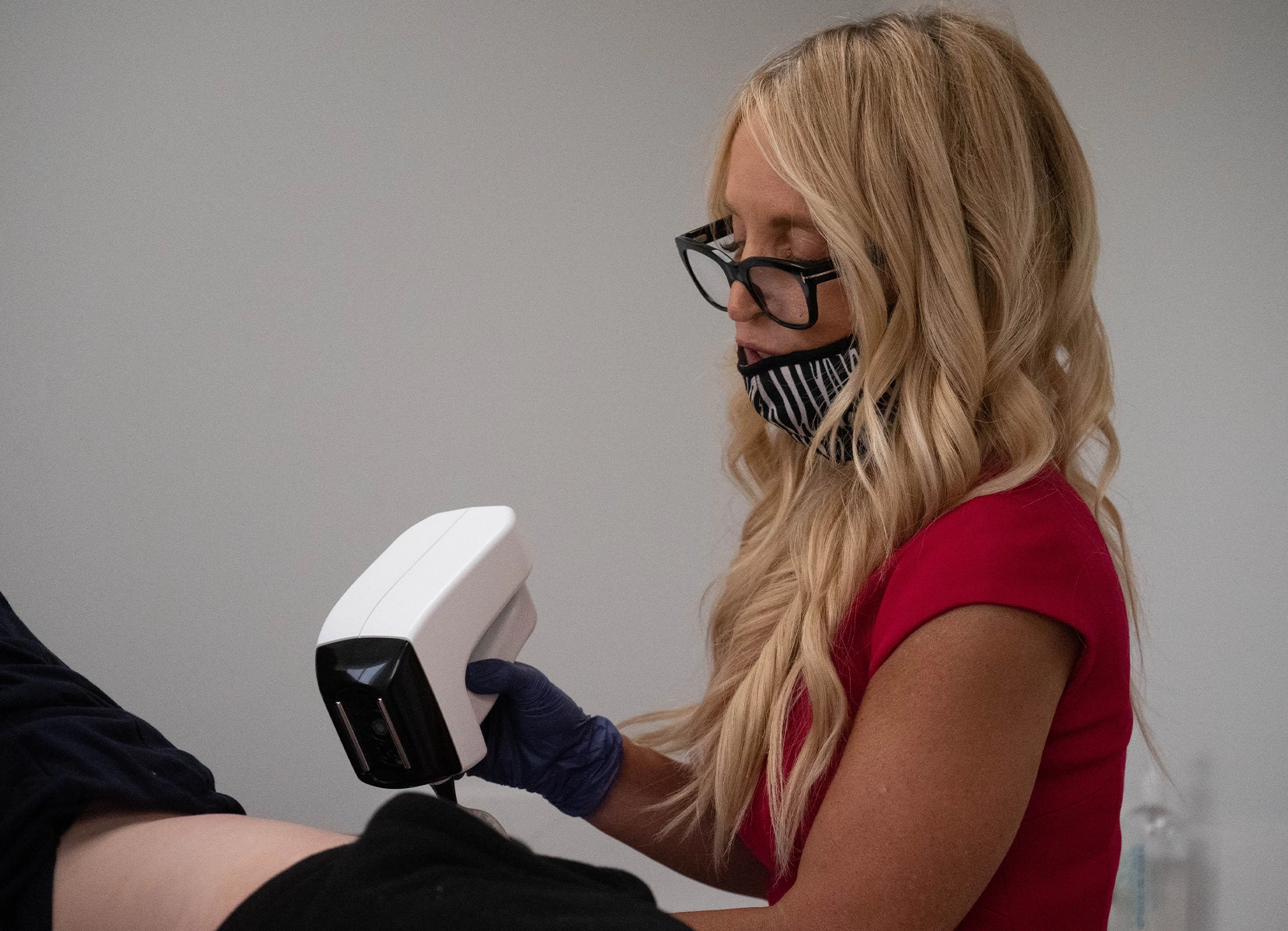
Think of physical therapy as a targeted workout plan for your pelvic floor. A specialist can guide you through specific exercises to strengthen the muscles that support your pelvic organs. This isn’t just about doing Kegels; a physical therapist provides a structured program tailored to your body’s needs. Strengthening these core muscles can greatly reduce the sensation of heaviness and pressure. In-office treatments like Emsella Incontinence Therapy can also complement physical therapy by using advanced technology to stimulate and strengthen the pelvic floor muscles for you.
Minimally Invasive Procedures
For many women, minimally invasive procedures offer a powerful solution without the need for traditional surgery. These treatments are designed to address specific issues like uterine fibroids or vaginal laxity, which can both cause a feeling of heaviness. For example, Uterine Fibroid Embolization is a procedure that can shrink fibroids and relieve symptoms. Other modern treatments focus on vaginal rejuvenation, using technologies like radiofrequency to tighten tissues and improve support. These procedures typically involve minimal downtime and can make a huge difference in your daily comfort.
Surgical Options for Lasting Relief
When symptoms are severe or other treatments haven’t provided enough relief, surgery may be the most effective option for a lasting solution. Depending on the underlying cause, a surgeon can perform a procedure to lift and support the pelvic organs, putting everything back in its proper place. If fibroids are the issue, a myomectomy can remove them while preserving the uterus. In some cases, a hysterectomy (removal of the uterus) might be recommended. While surgery is a significant step, it can offer a permanent resolution to pelvic heaviness and related symptoms.
Frequently Asked Questions
Is it normal to feel a constant heaviness in my pelvis? While it’s a common complaint, you shouldn’t have to accept pelvic heaviness as a normal part of life. Think of it as your body’s way of signaling that something is off. It could be related to your menstrual cycle, but if the feeling is persistent or disrupts your day, it’s a good idea to investigate the cause rather than just living with the discomfort.
How can I tell if this feeling is just part of my period or something more? Many women feel some fullness or pressure around their period due to hormonal shifts and increased blood flow. The key difference is often timing and intensity. If the heavy sensation sticks around long after your period ends, gets progressively worse over time, or is joined by other symptoms like bladder issues or pain during sex, it likely points to an underlying issue that needs a closer look.
What’s the first step I should take if I’m worried about this feeling? A great first step is to start a simple symptom journal. For a week or two, jot down when you feel the heaviness, what it feels like, and if anything seems to trigger it or make it better. This information will be incredibly helpful when you talk to a doctor, as it gives them a clear picture of your experience and helps pinpoint the cause more quickly.
Are treatments for pelvic heaviness invasive or painful? Not at all. Many effective treatments are completely non-invasive. Solutions often start with lifestyle adjustments, targeted physical therapy, or hormone therapies to restore balance. Even when a procedure is needed, there are many minimally invasive options available today that require very little downtime and are designed for your comfort.
My symptoms don’t feel like an emergency, so should I still see a doctor? Absolutely. You don’t need to be in severe pain to justify a doctor’s visit. If the feeling of heaviness is affecting your quality of life in any way, whether it’s making exercise uncomfortable, causing you to worry, or interfering with intimacy, it’s worth discussing with a specialist. Your comfort and peace of mind are important, and a professional can help you find a solution.