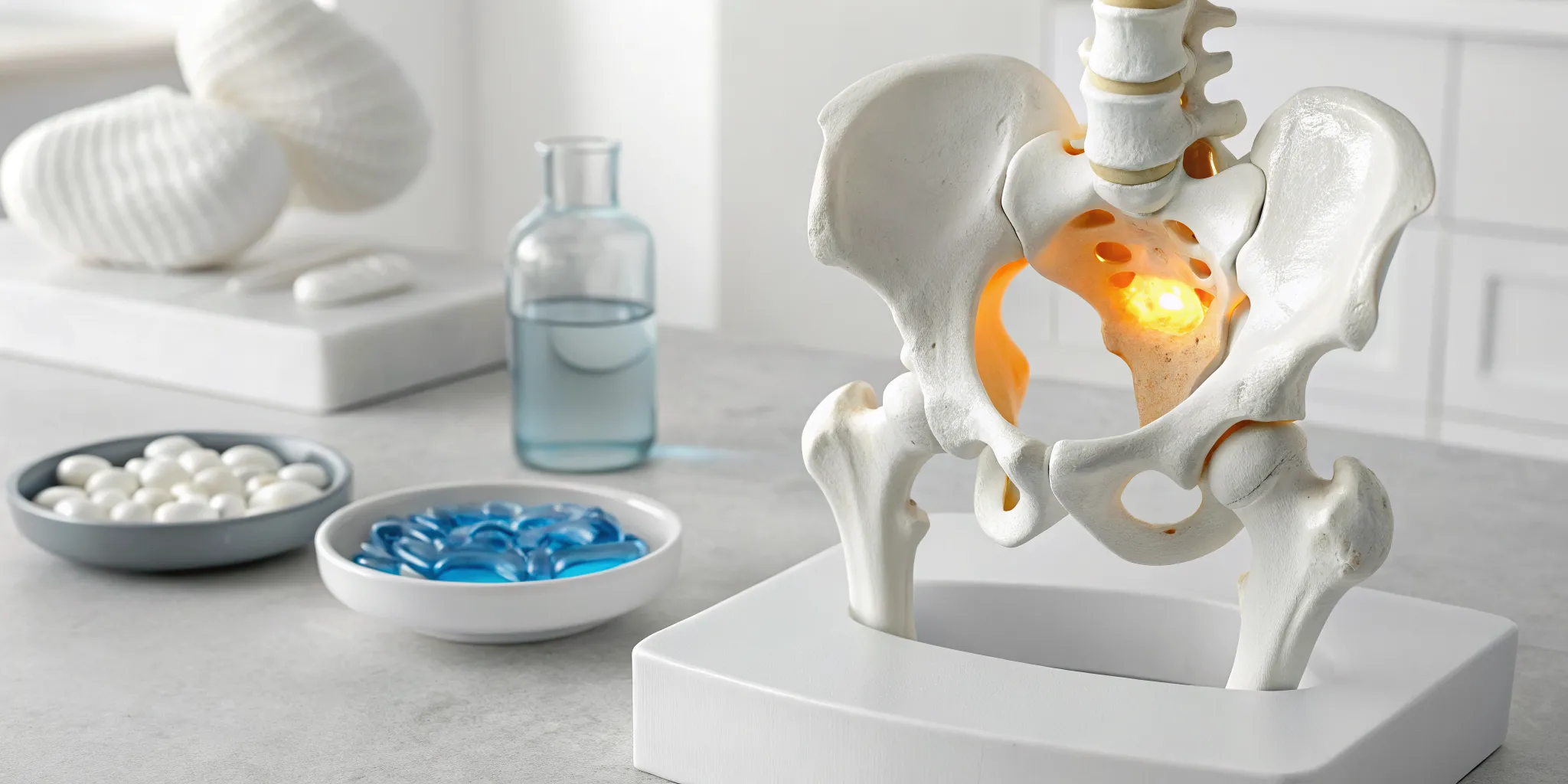
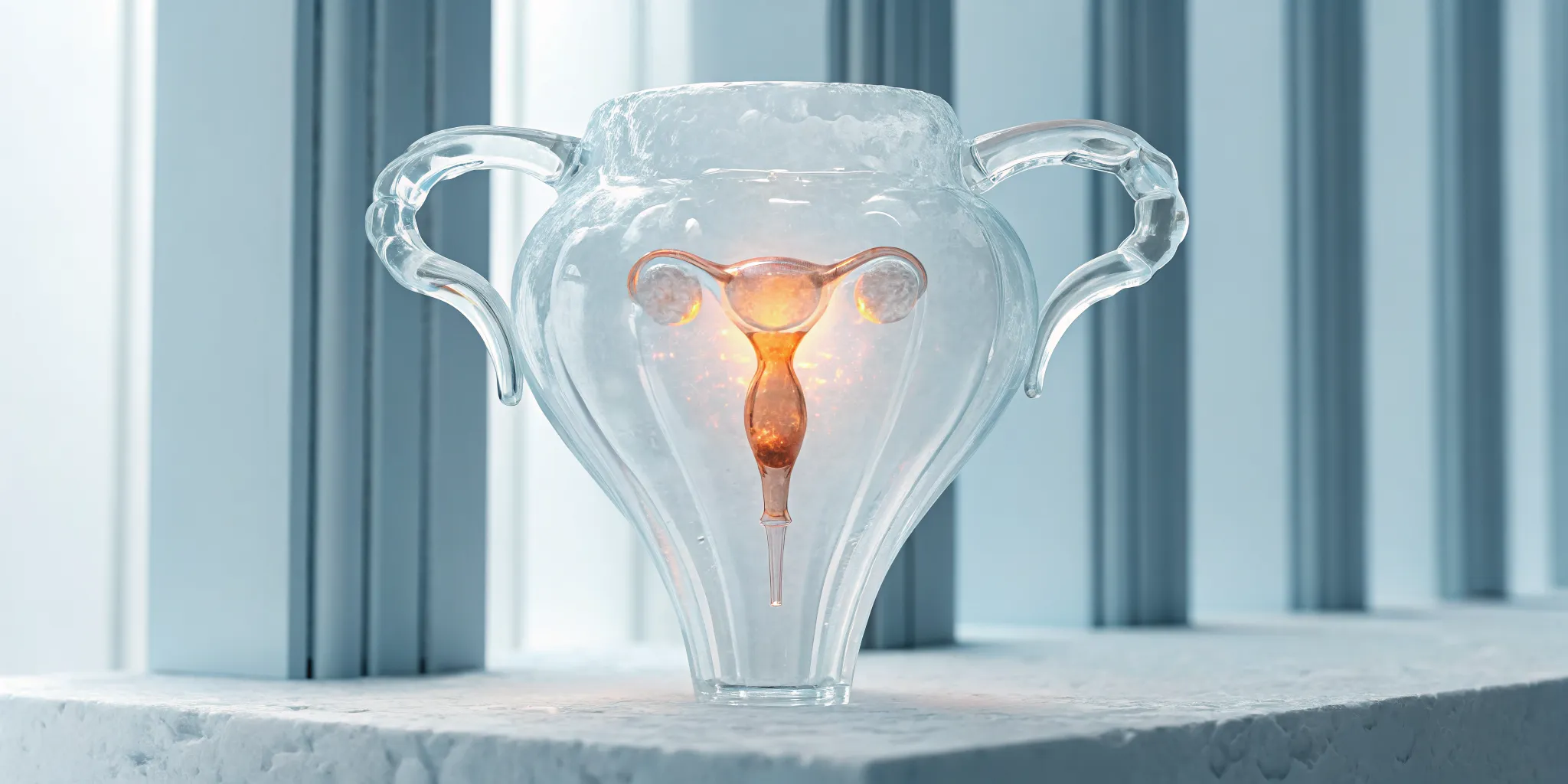
When you feel pain below your belly button, your mind likely jumps straight to your reproductive system, and for good reason. Conditions like uterine fibroids and endometriosis are frequent culprits. But that’s only part of the story. Your pelvic region is a complex intersection of major body systems, and issues with your bladder, bowels, or even the muscles of your pelvic floor can also be the source of your discomfort. Understanding the full spectrum of the causes of pelvic pain in women is essential for getting an accurate diagnosis. This guide will help you look beyond the obvious to find the true source of your pain.
Key Takeaways
- Pelvic pain is more than just cramps: It’s a complex signal that can originate from your reproductive, digestive, urinary, or musculoskeletal systems, so it’s important to take it seriously and investigate the root cause.
- Track your symptoms for a clearer diagnosis: Paying close attention to when your pain occurs, what it feels like, and any associated symptoms provides you and your doctor with the crucial information needed to find answers.
- A personalized plan is your path to relief: Finding the right specialist is essential for creating a comprehensive treatment strategy that may include medical care, lifestyle adjustments, and support for your emotional well-being.
What Is Pelvic Pain?
Let’s talk about pelvic pain. It’s a topic that affects so many of us, yet it’s often misunderstood or dismissed. Simply put, pelvic pain is any discomfort you feel in your lower abdomen, below your belly button and between your hips. It can show up in different ways for different people. For some, it’s a constant, dull ache that becomes a frustrating part of daily life. For others, it’s a sharp, sudden pain that stops them in their tracks. The important thing to remember is that this pain is your body’s way of signaling that something is wrong. It’s not something you just have to endure. Understanding what pelvic pain is and where it comes from is the first step toward finding relief and getting back to feeling like yourself.
Defining Pelvic Pain
So, what exactly counts as pelvic pain? Think of it as any pain located in the lowest part of your torso, in the area of your pelvic organs. This includes your reproductive organs, bladder, and the end of your large intestine. The sensation can range from a mild, annoying cramp to severe, debilitating pain. It can be acute, meaning it comes on suddenly and is often linked to a specific cause, or chronic, which means it lasts for six months or longer. Chronic pelvic pain can be constant or come and go, but its persistence can have a major impact on your quality of life, affecting everything from your sleep to your emotional well-being. Recognizing it is the first step to seeking a pelvic pain treatment plan.
The Different Types of Pelvic Pain
Pelvic pain isn’t a single condition but a symptom that can point to a wide variety of underlying issues. It’s a complex area because so many of your body’s systems converge there. The pain could originate from your reproductive system, pointing to conditions like endometriosis or uterine fibroids. It might also stem from your urinary system, like with a bladder infection or interstitial cystitis. Sometimes, the digestive system is the culprit, with issues like irritable bowel syndrome (IBS) causing discomfort in the pelvic region. It’s also possible for the pain to be musculoskeletal, involving the muscles and connective tissues of your pelvic floor. Often, chronic pelvic pain is caused by more than one condition at the same time, which is why a thorough evaluation is so important.
Debunking Common Myths About Pelvic Pain
One of the biggest hurdles in addressing pelvic pain is cutting through the misinformation. A common myth is that pelvic pain is just a normal part of being a woman or a natural consequence of aging. Let’s be clear: while it may be common, it is not normal, and you do not have to live with it. Pain is a signal, not a sentence. Another misconception is that if initial tests don’t find anything, the pain must be “all in your head.” This is incredibly invalidating. Pelvic pain is real, and its causes can be complex and difficult to diagnose. Finding a healthcare provider who listens and is committed to investigating the root cause is key to getting the expert care you deserve.
What Reproductive Issues Cause Pelvic Pain?
When you experience pain in your lower abdomen, it’s natural to wonder what’s going on. Often, the source of pelvic pain is related to the reproductive organs, including the uterus, ovaries, and fallopian tubes. These issues can range from common conditions that affect many women to more complex problems that require specialized care. Understanding these potential causes is the first step toward finding a solution and getting back to feeling like yourself.
Conditions like endometriosis and uterine fibroids are frequent culprits, causing everything from dull aches to sharp, debilitating pain. Infections and cysts can also lead to significant discomfort. The type of pain you feel, when it happens, and any other symptoms you have can provide important clues. Below, we’ll walk through some of the most common reproductive issues that can cause pelvic pain. This information can help you have a more informed conversation with your doctor and find the right pelvic pain treatment for you.
Endometriosis
Endometriosis is a condition where tissue similar to the lining inside your uterus, called the endometrium, grows outside of it. This misplaced tissue can attach to your ovaries, fallopian tubes, or the outer surface of the uterus. During your menstrual cycle, this tissue acts just like the lining in your uterus: it thickens, breaks down, and bleeds. But because it has no way to exit your body, it can cause inflammation, scarring, and severe pain. The discomfort often feels like intense menstrual cramps but can also manifest as lower back pain or pain during sex.
Uterine Fibroids
Uterine fibroids are muscular growths that develop in the wall of the uterus. They are almost always non-cancerous and are incredibly common, especially as women get older. Many women have fibroids without ever knowing it because they don’t cause any symptoms. However, if they grow large or press against nearby organs like your bladder or rectum, they can cause a feeling of pressure, heaviness, or pain in the pelvic area. They can also lead to heavy, prolonged periods and discomfort during intercourse.
Ovarian Cysts
Ovarian cysts are fluid-filled sacs that form on or inside an ovary. They are very common and often form during the normal process of ovulation. Most of the time, these cysts are harmless and disappear on their own without any treatment. Pain can occur if a cyst becomes particularly large, if it bleeds, or if it ruptures. In some cases, a large cyst can cause the ovary to twist, a condition known as ovarian torsion, which causes sudden, severe pain and requires immediate medical attention.
Pelvic Inflammatory Disease (PID)
Pelvic inflammatory disease (PID) is an infection of the female reproductive organs, including the uterus, fallopian tubes, and ovaries. It most often occurs when sexually transmitted bacteria spread from your vagina to your upper reproductive organs. If left untreated, PID can cause serious complications, including chronic pelvic pain and infertility. The pain can range from a mild, dull ache to more severe cramping. Other symptoms often accompany the pain, such as fever, unusual vaginal discharge, and pain during urination or sex. Prompt diagnosis and treatment are key to managing your sexual & urinary tract health.
Adenomyosis
Adenomyosis is a condition where the tissue that lines the uterus (the endometrium) grows into the muscular wall of the uterus. Think of it as endometriosis, but contained within the uterine wall. As this misplaced tissue thickens and bleeds during your menstrual cycle, it can cause the uterus to become enlarged and tender. This often results in very heavy, painful periods and a feeling of pressure or bloating in your lower abdomen. The pain is typically a cramping sensation that can be quite severe and may worsen over time.
What Other Factors Cause Pelvic Pain?
While we often connect pelvic pain with our reproductive organs, this area is a busy intersection for several major body systems. Your digestive, urinary, and musculoskeletal systems all live in this neighborhood, and when something is off with one of them, it can send pain signals throughout your pelvis. Your body isn’t always great at pinpointing the exact source of discomfort. That’s why understanding these other potential causes is a key step in getting to the root of your pain and finding a pelvic pain treatment that works for you.
Digestive System Issues
Your digestive tract is intricately woven through your abdominal and pelvic cavities, so it’s no surprise that issues here can be felt as pelvic pain. Conditions like Irritable Bowel Syndrome (IBS) can cause cramping and discomfort that radiates downward. Chronic constipation also puts pressure on pelvic nerves and structures, leading to a persistent ache. More serious issues like Crohn’s disease or diverticulitis can also present with pelvic pain as a primary symptom. If your pain seems connected to your eating or bowel habits, it’s worth considering that your digestive system might be the culprit. Keeping a symptom journal can help you and your doctor spot these important patterns.
Urinary Tract Conditions
Your bladder, ureters, and kidneys are all located in or near the pelvis, making the urinary system another common source of pain. A classic urinary tract infection (UTI) can cause that familiar burning sensation and lower abdominal pressure. However, pain can also come from kidney stones as they travel through the urinary tract. For some women, a condition called interstitial cystitis, or painful bladder syndrome, causes chronic bladder pressure and pain without an active infection. Because these symptoms can sometimes mimic gynecological issues, getting an accurate diagnosis is essential for effective treatment for incontinence and related pain.
Pelvic Floor and Musculoskeletal Problems
Your pelvic floor is a group of muscles that acts like a supportive sling for your pelvic organs. Just like any other muscle in your body, it can become too tight, weak, or strained. This is known as pelvic floor dysfunction, and it’s a major, often overlooked, cause of chronic pelvic pain. These muscle spasms or tension can make sitting uncomfortable and affect bladder, bowel, and sexual function. Past injuries, childbirth, or even chronic stress can contribute to these musculoskeletal issues. The good news is that targeted therapies can help relax and strengthen these muscles, offering significant relief.
Nerve-Related Pain
Sometimes, the pain you feel isn’t from an organ or a muscle but from the nerves themselves. The pelvis contains a complex network of nerves, and if one becomes irritated, compressed, or damaged, it can cause sharp, shooting, or burning pain. One example is pudendal neuralgia, a condition resulting from injury or irritation to the pudendal nerve, which runs through your pelvic region. This type of pain can be tricky to diagnose, but a specialist can help identify if nerve irritation is contributing to your symptoms. Finding the right pelvic pain treatment often involves a comprehensive approach to calm the irritated nerves and address the underlying cause.
How to Recognize Pelvic Pain Symptoms
Understanding your body is the first step toward finding relief. Pelvic pain can be tricky because it shows up differently for everyone. It might be a dull, constant ache, sharp cramps that come and go, or a deep pain that you can’t quite pinpoint. Learning to recognize your specific symptoms and patterns is incredibly helpful, not just for your own peace of mind, but also for communicating effectively with your doctor. By paying close attention to what you’re feeling and when, you can gather the clues needed to get to the root of the problem and find a pelvic pain treatment plan that works for you.
Tracking Your Pain Patterns
Because pelvic pain can feel so different from person to person, it’s a good idea to become a detective of your own body. Start keeping a simple journal, either in a notebook or on your phone. Note when the pain occurs, where you feel it, and what it feels like. Is it a sharp stab or a dull throb? Is it constant or does it come in waves? Also, track what you’re doing when it starts. Does it happen after eating, during your period, or after a workout? This information creates a detailed picture for your doctor, helping them identify potential triggers and narrow down the causes.
Identifying Associated Symptoms
Pelvic pain rarely travels alone. It often brings along other symptoms that can provide important clues about what’s going on inside your body. Pay attention to any other changes you notice, even if they seem unrelated. This could include things like unusual vaginal bleeding or discharge, painful periods, bloating, or pain during sex. You might also experience issues like constipation, diarrhea, or pain when you urinate. Keeping a list of these associated symptoms will give your healthcare provider a more complete understanding of your situation and guide them toward an accurate diagnosis and effective women’s wellness plan.
Red Flags: When to Seek Immediate Help
While most pelvic pain is something you should discuss with your doctor at a regular appointment, some symptoms are red flags that require immediate medical attention. If you experience sudden and severe pelvic pain that doesn’t go away, it’s time to get help right away. Other urgent signs include very heavy vaginal bleeding (soaking through a pad every hour), seeing blood in your urine or stool, or running a fever along with the pain. These could be signs of a serious condition that needs to be addressed quickly. Trust your gut; if the pain feels severe or wrong, don’t wait to seek care.
When Should You See a Doctor for Pelvic Pain?
It’s easy to dismiss pelvic pain as “just cramps” or something you have to live with. But I want to be clear: persistent or severe pain is your body’s way of telling you something is wrong. Listening to that signal and seeking professional help is a powerful act of self-care. You don’t have to figure this out alone, and a proper diagnosis is the first step toward feeling better.
Knowing When to Get Help Right Away
While any ongoing pelvic pain deserves a doctor’s attention, some symptoms are more urgent than others. Think of these as red flags that mean you should seek medical care right away. If your pain is sudden and severe, or if it’s accompanied by a fever, nausea, or vomiting, it’s time to call a doctor or head to an urgent care center. These could be signs of a serious infection or condition that needs immediate treatment. Don’t wait it out or hope it goes away on its own. Getting a prompt and accurate diagnosis is crucial for your health and can provide the answers you need for effective pelvic pain treatment.
How to Prepare for Your Appointment
Feeling prepared for your doctor’s appointment can make a huge difference. Before you go, take some time to think about your symptoms. When did the pain start? What does it feel like (sharp, dull, constant)? Does anything make it better or worse? Keeping a simple pain journal can be incredibly helpful. Also, jot down any questions you have ahead of time so you don’t forget them. Your doctor will want to know about your health history, so be ready to discuss past medical issues or medications. They will likely perform a physical exam and may suggest tests like blood work or an ultrasound to get a clearer picture. Being open and detailed helps your doctor connect the dots.
Finding the Right Specialist for You
Pelvic pain can stem from so many different sources, from your reproductive organs to your urinary tract or even your muscles. That’s why finding a healthcare professional who specializes in women’s health is so important. You need someone who will listen carefully, take your pain seriously, and explore all the potential causes to give you a correct diagnosis. Don’t settle for a doctor who dismisses your concerns. Look for a specialist like Dr. Jennifer Berman who has deep expertise in the complexities of female pelvic health. A provider with a comprehensive understanding of women’s wellness can offer the personalized care and innovative treatments you deserve.
Your Guide to Managing Pelvic Pain
Finding the right approach to manage pelvic pain is a personal process, but you don’t have to figure it out alone. A combination of medical treatments, simple lifestyle adjustments, and emotional support can make a significant difference in your daily life. Let’s walk through the key strategies that can help you find lasting relief and regain control.
Exploring Your Treatment Options
The first step toward feeling better is getting a clear diagnosis. Because pelvic pain can stem from so many different causes, your treatment plan will be tailored specifically to you. It’s essential to work with a healthcare professional who can pinpoint the source of your pain and create a personalized strategy. Depending on the cause, your doctor might recommend medications like muscle relaxers, nerve pain medicine, or antibiotics for an infection. The right pelvic pain treatment is unique to your body and your experience, so a thorough evaluation is the best place to start.
Lifestyle Changes for Lasting Relief
Alongside medical care, you can incorporate several at-home practices to help manage your symptoms. Gentle, regular exercise can improve blood flow and strengthen your muscles, while simple stretches can ease tension. Many women find comfort by applying a heating pad to the affected area or taking a warm bath to relax tight muscles. It’s also helpful to be mindful of your daily habits; try to avoid long periods of sitting or standing to prevent overuse of your pelvic muscles. These small, consistent changes can play a big role in your overall comfort and well-being.
Supporting Your Emotional Well-Being
Living with chronic pain isn’t just a physical challenge; it can take a toll on your emotional health, too. It’s completely normal to feel frustrated, anxious, or even depressed when you’re dealing with persistent discomfort. Research shows there are clear psychological factors linked to chronic pelvic pain, including sleep disturbances and stress. Acknowledging this connection is a powerful step. Prioritizing your mental health through practices like meditation, talking with a therapist, or joining a support group can be an essential part of your healing. Tending to your emotional needs is just as important as addressing the physical symptoms.
Frequently Asked Questions
How can I tell if my pelvic pain is just normal period cramps or something more serious? This is a great question because it can be tricky to distinguish between the two. Typical menstrual cramps are usually linked to the start of your period, last for a few days, and often get better with over-the-counter pain relievers or a heating pad. Pain that signals a potential underlying issue might be more severe, occur outside of your period, or feel different, like a sharp, stabbing sensation instead of a dull ache. If your pain interferes with your daily activities, doesn’t respond to simple remedies, or is accompanied by other symptoms like pain during sex or urination, it’s a good idea to get it checked out.
What can I expect during my first doctor’s visit for pelvic pain? Your first appointment is mostly about gathering information so your doctor can understand your unique situation. You can expect to have a detailed conversation about your symptoms, your health history, and your lifestyle. Be prepared to describe what the pain feels like, when it happens, and what makes it better or worse. Your doctor will likely perform a physical and pelvic exam. Depending on what they find, they might suggest further steps like blood tests or an ultrasound to get a clearer picture of what’s going on.
Can my lifestyle, like my diet or stress levels, really affect my pelvic pain? Yes, absolutely. Your body’s systems are all connected, and lifestyle factors can play a significant role. High levels of stress can cause you to unconsciously tense your pelvic floor muscles, which can lead to or worsen pain over time. Similarly, your diet can influence inflammation and digestive health. For some people, certain foods might trigger conditions like IBS, which can present as pelvic discomfort. Making small, mindful changes to manage stress and identify potential food triggers can be a powerful part of your overall management plan.
Is it possible to have pelvic pain even if tests like ultrasounds don’t show anything wrong? Yes, this is very common and can be incredibly frustrating. Standard imaging tests are great for identifying structural issues like large fibroids or ovarian cysts, but they can’t see everything. Many causes of pelvic pain, such as endometriosis, pelvic floor muscle dysfunction, or nerve irritation, don’t show up on an ultrasound. If your tests come back “normal” but you are still in pain, it doesn’t mean the pain isn’t real. It simply means the cause is something that requires a different kind of investigation by a knowledgeable provider.
What’s the difference between seeing a general doctor and a specialist for pelvic pain? Your general doctor is an excellent first stop for any health concern. However, if your pain is persistent or complex, seeing a specialist in women’s health can be a game-changer. A specialist has extensive experience and training focused specifically on the intricate systems within the female pelvis. They are often more familiar with less common conditions, have access to more advanced diagnostic tools, and can create a more nuanced and comprehensive treatment plan tailored to your specific needs.