
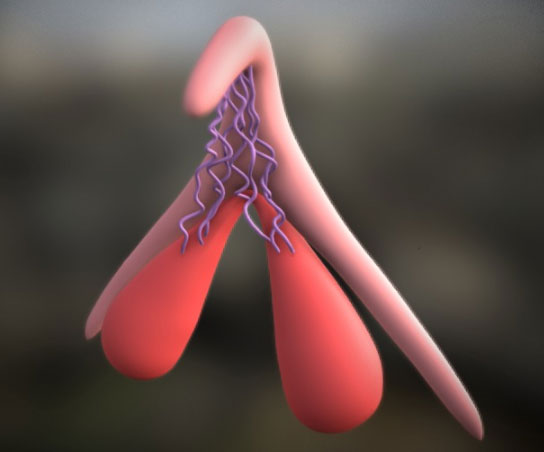
Intimate health concerns like tissue laxity, dryness, and pelvic floor changes often lead women to explore natural holistic care. Many patients actively search for natural vaginal rejuvenation hoping to improve tissue tone and daily comfort without medical procedures. Distinguishing evidence-based pelvic floor habits from over-the-counter wellness trends is essential for protecting your body.
At Berman Women's Wellness, Dr. Jennifer R. Berman, MD guides patients through clinically proven lifestyle habits while clarifying the limits of home remedies.
Quick Summary
- Pelvic floor muscle training serves as the foundation for natural physical tone and bladder support.
- Over-the-counter tightening creams, herbal washes, and steaming lack clinical evidence and can irritate sensitive tissues.
- Proper hydration, balanced nutrition, and gentle skin care support natural mucosal tissue health.
- Home remedies cannot repair severe structural tissue separation or replace targeted clinical procedures.
- Consulting a qualified clinician ensures you adopt safe practices that truly benefit your intimate wellness.
Natural Vaginal Rejuvenation
Natural vaginal rejuvenation focuses on strengthening underlying pelvic muscles and supporting overall mucosal health through lifestyle habits, physical therapy, and proper hygiene. Target exercises like Kegel routines build muscle endurance to improve pelvic support and bladder control over time. Healthy dietary habits, proper hydration, and avoiding harsh chemical cleansers support the natural self-cleaning environment of vaginal tissues.
The American College of Obstetricians and Gynecologists (ACOG) officially recommends pelvic floor muscle training, such as Kegels, as a safe and effective way to restore muscle function after childbirth. Additionally, clinical research archived by the National Institutes of Health (NIH) confirms that structured pelvic workouts significantly lower the risk of long-term pelvic floor dysfunction and tissue laxity in postpartum women.
At Berman Women's Wellness, Dr. Jennifer R. Berman, MD, encourages patients to adopt these evidence-based wellness practices while avoiding unverified home remedies. Your baseline pelvic floor strength, hormonal health, and daily habits shape your tissue tone and comfort. In simple terms, focusing on proven pelvic exercises and healthy tissue care protects your long-term wellness safely.
While natural approaches can support pelvic floor health, some women may want to explore additional treatment options based on their individual concerns. Visit our vaginal rejuvenation services page to know more about available options and discuss their potential benefits and risks with a qualified healthcare professional.
Evidence-Based Measures vs. Marketed Natural Trends
Differentiating scientifically supported health practices from commercial wellness trends helps prevent physical harm and disappointment.
- Pelvic Floor Muscle Training (PFMT): Targeted muscle squeezes rebuild levator ani strength, offering proven physical support for pelvic organs and urethral closure.
- Topical Herbal Tightening Creams: Products claiming immediate tissue shrinkage rely on harsh astringent ingredients that dry out mucosal surfaces and cause severe inflammation.
- Vaginal Steaming and Detox Pearls: Applying hot herbal steam or unverified herb sachets near delicate tissues drastically increases burn risks and disrupts healthy bacterial flora.
For example, performing structured Kegel exercises daily yields measurable improvements in muscle tone over several months. Clinical guidelines published by the American College of Obstetricians and Gynecologists (ACOG) strongly recommend pelvic floor training as a first-line behavioral therapy to effectively reduce bladder leakage and improve structural support. Furthermore, extensive clinical reviews indexed in the National Institutes of Health (NIH) / PubMed Database confirm that women performing structured pelvic exercises are significantly more likely to report a complete cure or symptomatic improvement compared to those using unverified lifestyle trends.
| Practice | Scientific Evidence | Primary Benefits | Potential Risks |
|---|---|---|---|
| Pelvic Floor Physical Therapy | High (Clinically Proven) | Rebuilds muscle strength, improves bladder control | None when performed correctly |
| Proper Hydration & Nutrition | High (General Health) | Supports skin elasticity, natural lubrication | None |
| Topical Tightening Products | None (Unsupported Claims) | Temporary sensation from dryness | Chemical irritation, tissue damage |
| Vaginal Steaming | None (Unsupported Claims) | None | Thermal burns, pH disruption, infection |
If you want to understand how evidence-based physical therapies compare with clinical procedures for bladder leaks, explore our detailed analysis on can vaginal rejuvenation help with bladder leakage. Reviewing clinical data helps you make informed choices for your health.
The Role of Pelvic Floor Therapy and Exercise
Targeted physical exercises form the cornerstone of natural pelvic health, offering real physical benefits for muscle tone and support.
In many cases, working with a specialized pelvic floor physical therapist ensures you engage the correct muscle groups without straining surrounding tissues. Biofeedback and guided instruction help women master proper contraction and relaxation techniques. Extensive clinical reviews indexed in the National Institutes of Health (NIH) / PubMed Database officially confirm that structured pelvic floor muscle training moderately to significantly improves tissue support and overall health-related quality of life for women experiencing postpartum pelvic floor weakness.
That said, consistency remains essential for achieving lasting results. Dr. Jennifer R. Berman, MD, emphasizes integrating daily muscle exercises into your routine alongside proper posture and core alignment. Clinical data highlights that patient outcomes are optimized when supervised pelvic floor training is performed regularly over a minimum timeline of 8 to 12 weeks.
If you are exploring natural muscle recovery options after giving birth, take a moment to read our comprehensive guide on vaginal rejuvenation after childbirth. Understanding post-baby recovery timelines ensures you support your body safely at every stage.
Healthy Lifestyle Habits for Intimate Tissue Care
Supporting mucosal health naturally requires simple, daily wellness habits that protect your body's natural defenses.
At the same time, maintaining a healthy lifestyle supports natural circulation and skin elasticity. Dr. Jennifer R. Berman, MD, recommends keeping intimate care simple, gentle, and free from irritating synthetic scents.
Essential lifestyle habits for optimal tissue health include:
- Hydrate Consistently: Drinking adequate water maintains systemic skin hydration and supports healthy mucosal secretions.
- Use Gentle Cleansers: Wash outer vulvar tissues with warm water and mild, unscented soap while avoiding internal douching.
- Choose Breathable Fabrics: Wear loose cotton underwear to promote air circulation and prevent excess moisture accumulation.
- Maintain Balanced Nutrition: Consume foods rich in omega-3 fatty acids and antioxidants to nourish cellular health.
Before trying any unverified home product for physical comfort, review clinical safety standards by checking our thorough guide on is vaginal rejuvenation safe. Knowing how to evaluate treatment safety keeps your body protected.
When Home Remedies Fall Short: Clinical Limits
While lifestyle habits build baseline health, understanding what natural measures cannot accomplish prevents unrealistic expectations.
That said, home care cannot repair structural muscle tearing or severe tissue laxity caused by childbirth or aging. Natural exercises improve baseline muscle endurance, but they cannot remove excess stretched skin or rebuild deep collagen layers damaged over time. Leading gynecological standards emphasize that seeking an expert medical evaluation is the only way to ensure structural issues are diagnosed accurately and addressed with appropriate, science-backed care.
If you are considering whether non-surgical energy procedures or surgical options are necessary to reach your goals, explore our full breakdown on how many vaginal rejuvenation sessions you need. Learning about professional care options helps you decide when home measures are no longer sufficient.
Frequently Asked Questions
Q: Can natural exercises shrink vaginal tissue?
Exercises like Kegels strengthen the surrounding pelvic floor muscles to improve support and tightness, but they do not shrink mucosal skin tissue itself.
Q: Are over-the-counter vaginal tightening gels safe to use?
No, tightening gels often contain harsh astringents that dry out and irritate sensitive mucosal linings, increasing the risk of infection.
Q: How long does it take to see results from pelvic floor exercises?
Most women notice improvements in muscle tone and bladder control within 8 to 12 weeks of consistent daily pelvic floor training.
Q: Is vaginal steaming beneficial for intimate wellness?
Vaginal steaming lacks scientific support and carries real risks of thermal burns and disruption of the natural vaginal microbiome.
Q: Can diet help improve natural vaginal lubrication?
Yes, staying well-hydrated and consuming healthy fats like omega-3s supports overall skin and mucosal tissue hydration.
Q: When should I transition from home remedies to professional care?
You should seek professional care if home measures show no improvement. If you experience persistent dryness, physical tissue prolapse, or bladder leakage that does not respond to pelvic floor exercises, it is time to schedule a clinical evaluation at Berman Women's Wellness.
Conclusion
Exploring natural vaginal rejuvenation highlights the importance of evidence-based pelvic exercises, gentle hygiene, and healthy lifestyle habits. While home remedies like tightening gels carry risks and lack scientific backing, targeted pelvic floor physical therapy offers real physical benefits. By booking a consultation at Berman Women's Wellness under the experienced direction of Dr. Jennifer R. Berman, MD, you receive personalized guidance on combining safe natural habits with proven clinical care.
To learn more about evidence-based intimate wellness options tailored to your body, contact Berman Women's Wellness today to schedule your private consultation with Dr. Jennifer R. Berman, MD.