
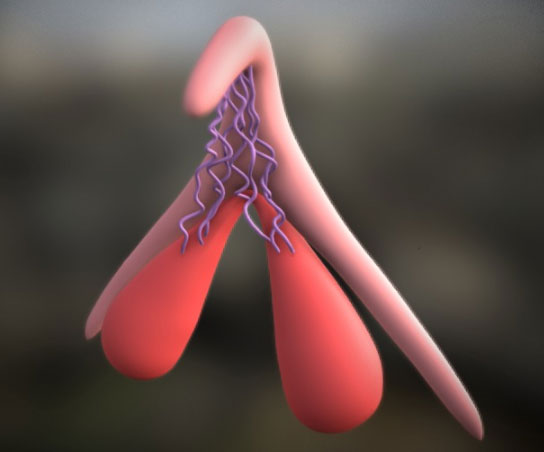
Bladder leakage affects millions of active women, impacting exercise routines, daily comfort, and emotional confidence. Many patients seeking intimate wellness care wonder: can vaginal rejuvenation help with bladder leakage? While energy-based treatments and non-surgical therapies promote overall vaginal health, understanding what these treatments can and cannot achieve for urinary incontinence is essential.
At Berman Women's Wellness, Dr. Jennifer R. Berman, MD, provides thorough evaluations to distinguish mild bladder symptoms from conditions requiring specialized medical or urogynecological care.
Quick Summary
- Bladder leakage generally falls into stress, urge, or mixed urinary incontinence.
- Non-surgical radiofrequency and laser procedures are primarily designed for tissue remodeling and mild structural support, not as primary cures for severe incontinence.
- Mild stress incontinence caused by pelvic floor laxity may show slight improvements following collagen-stimulating treatments.
- Overactive bladder and severe urge incontinence require dedicated clinical strategies like bladder retraining, medications, or specialized physical therapy.
- Consulting a qualified clinician ensures you receive a precise diagnosis and an evidence-based treatment plan tailored to your needs.
Can Vaginal Rejuvenation Help With Bladder Leakage?
Non-surgical vaginal rejuvenation can offer modest improvements for mild stress urinary incontinence by tightening sub-urethral tissue, but it is not a primary medical cure for moderate to severe bladder leakage. Energy-based options like radiofrequency and laser therapy stimulate localized collagen growth, which may offer light support to surrounding pelvic tissues. However, established treatments such as pelvic floor physical therapy, pessaries, or surgical slings remain the primary standard of care for significant urinary incontinence.
At Berman Women's Wellness, Dr. Jennifer R. Berman, MD, conducts detailed diagnostic evaluations to pinpoint the precise cause of your urinary symptoms. Your baseline pelvic floor strength, bladder habits, and specific type of leakage determine whether non-invasive rejuvenation can provide supportive benefits or if a targeted incontinence protocol is necessary. In simple terms, getting an accurate clinical diagnosis prevents frustration and guides you toward the most effective relief.
This cautious clinical approach aligns with extensive studies archived in the PubMed Central (PMC) Medical Database, which confirm that while thermal therapies help stimulate supporting sub-urethral tissues, they are primarily suited for mild symptoms rather than severe anatomical defects.
To understand how long non-surgical tissue improvements typically last after completing a care plan, explore our thorough breakdown on how long does vaginal rejuvenation last.
Understanding Types of Bladder Leakage
Not all urinary leakage stems from the same underlying physical cause, which is why treatment approaches vary significantly.
- Stress Urinary Incontinence (SUI): Occurs when physical pressure such as coughing, laughing, sneezing, running, or heavy lifting causes small amounts of urine to leak. It is usually tied to pelvic floor weakness or urethral hypermobility.
- Urge Urinary Incontinence (OAB): Involves a sudden, intense urge to urinate followed by involuntary leakage. This is driven by bladder muscle spasms rather than mechanical tissue laxity.
- Mixed Urinary Incontinence: Combines elements of both stress and urge symptoms, requiring a multi-faceted treatment approach.
For example, a patient who leaks only while jumping on a trampoline is dealing with stress incontinence, whereas leaking before reaching the bathroom door indicates urge incontinence. In fact, clinical guidelines archived by the National Institutes of Health (NIH) show that identifying the correct subtype of incontinence is the single most critical step in restoring bladder control.
| Incontinence Type | Primary Cause | Typical Symptoms | Standard First-Line Treatments |
|---|---|---|---|
| Stress Incontinence | Weak pelvic support, tissue laxity | Leaking during coughs, sneezes, or exercise | Pelvic floor rehab, Kegel training, pessaries |
| Urge Incontinence | Bladder muscle overactivity | Sudden, uncontrollable urge to void | Bladder retraining, lifestyle adjustments, medications |
| Mixed Incontinence | Combined muscle weakness and spasms | Leaking with physical effort and sudden urges | Combined behavioral therapy and physical rehab |
If you are exploring non-surgical options to support intimate wellness while evaluating bladder symptoms, take a look at our complete breakdown on how many vaginal rejuvenation sessions you need. Understanding treatment schedules helps you plan your care with total clarity.
Scientific Evidence and Treatment Limits for Energy Devices
While energy-based radiofrequency and laser devices excel at mucosal remodeling, understanding their clinical evidence limits is essential.
In many cases, energy-based therapies warm deep dermal layers to promote collagen synthesis and improve local circulation. This mild tissue tightening can provide subtle sub-urethral cushioning, which may help reduce minor leaks caused by light coughing or jumping. However, clinical data notes that energy devices should not replace proven medical interventions for moderate to severe urinary incontinence.
Setting realistic expectations ensures a positive clinical outcome. Dr. Jennifer R. Berman, MD, evaluates your tissue health to determine whether non-surgical rejuvenation aligns with your physical goals. This approach is highly effective, as clinical data archived in the PubMed Medical Database highlights that patient satisfaction remains highest when women understand that energy procedures serve as a complementary wellness option rather than a standalone cure for complex bladder conditions.
If you want to explore the overall safety profile of energy-based technologies and clinical qualifications, take a moment to review our detailed analysis on is vaginal rejuvenation safe. Learning about safety protocols gives you complete peace of mind before starting any treatment.
Established Treatments for Urinary Incontinence
When bladder leakage interferes with daily activities, established clinical therapies offer targeted and proven relief.
At the same time, combining specialized pelvic therapies often produces the best outcome. Dr. Jennifer R. Berman, MD, guides patients through a step-by-step approach starting with gentle, non-invasive methods.
Established treatment options include:
- Pelvic Floor Physical Therapy: Targeted exercises with a specialized physical therapist to strengthen the levator ani muscles.
- Pessary Support Devices: Soft, removable silicone inserts that support the vaginal wall and lift the bladder neck to prevent stress leaks.
- Behavioral and Bladder Retraining: Scheduled voiding and fluid management techniques designed to calm bladder overactivity.
- Minimally Invasive Surgical Slings: Synthetic or tissue slings that support the urethra during sudden physical exertion.
Before scheduling any intimate procedure, it is also helpful to review potential temporary reactions by checking our guide on side effects of vaginal rejuvenation. Being familiar with standard body responses ensures you navigate your care with total confidence.
When to Consult a Specialist for Bladder Leakage
Addressing bladder leaks early prevents long-term disruption to your lifestyle and personal confidence.
Seeking an expert medical evaluation ensures you receive appropriate care without unnecessary delays. Dr. Jennifer R. Berman, MD, provides compassionate, comprehensive consultations to evaluate your pelvic floor integrity and bladder function. Clinical guidelines highlight that addressing urinary symptoms early is one of the most effective ways to protect your long-term pelvic organ health and restore your quality of life.
If you are curious about what physical sensations to expect during an initial intimate wellness appointment, take a moment to read our comprehensive guide on does vaginal rejuvenation hurt. Knowing how comfort and numbing protocols work will help ease your mind before your consultation.
Frequently Asked Questions
Q: Can non-surgical vaginal rejuvenation cure severe urinary incontinence?
No, non-surgical energy procedures are not primary cures for severe incontinence; established medical treatments or surgical slings are recommended for significant leakage.
Q: What is the difference between stress incontinence and urge incontinence?
Stress incontinence causes leaks during physical movement like coughing or exercise, whereas urge incontinence involves a sudden, intense urge to void driven by bladder spasms.
Q: Will pelvic floor exercises help my bladder leakage?
Yes, daily pelvic floor (Kegel) exercises strengthen supporting muscles and are a recommended first-line treatment for stress and urge leakage.
Q: Can radiofrequency treatments help with mild post-baby leaks?
Radiofrequency treatments can tighten sub-urethral vaginal tissues, which may provide subtle support for minor leaks.
Q: How do I know if I need a surgical sling or non-surgical therapy?
A comprehensive pelvic examination and urodynamic assessment by your clinician will determine whether non-surgical support or a surgical sling is best.
Q: Is bladder leakage a normal part of aging that I have to live with?
No, bladder leakage is very common but not something you must tolerate; effective lifestyle, physical, and medical treatments are available.
Conclusion
Determining whether can vaginal rejuvenation help with bladder leakage comes down to understanding your specific type of incontinence and tissue health. While energy-based treatments offer complementary benefits for mild tissue support, established urogynecological therapies remain the primary choice for significant urinary leakage. By scheduling a consultation at Berman Women's Wellness under the experienced care of Dr. Jennifer R. Berman, MD, you receive an accurate diagnosis and a personalized treatment path tailored to your comfort and health.
To take the first step toward restoring your daily comfort and confidence, contact Berman Women's Wellness today to book your private consultation with Dr. Jennifer R. Berman, MD.