
The term “aphrodisiac” comes from Aphrodite, the Greek goddess of love, which shows just how long we’ve been searching for ways to ignite passion. For centuries, folklore has attributed special powers to everything from figs to ginseng. But what does modern science have to say? We now understand that female desire is rooted in complex biological processes involving brain chemistry, hormones, and healthy blood flow. While the romantic ritual of sharing certain foods can create a powerful placebo effect, finding a reliable aphrodisiac for women means looking at what’s truly happening inside your body. Let’s explore the science, debunk the myths, and discuss the safe, evidence-based medical treatments that can genuinely restore your desire.
Key Takeaways
- Think of aphrodisiacs as wellness support, not a quick fix: Foods and herbs can contribute to better circulation and hormone health, but their main power often comes from the placebo effect and the intention you bring to the experience.
- Your daily habits have the biggest impact on libido: Before reaching for a supplement, consider the fundamentals like managing stress, getting enough sleep, and communicating openly with your partner; these lifestyle factors are the true drivers of sexual desire.
- Don’t guess when it comes to your sexual health: If a low libido persists and causes you distress, it’s time to talk to a professional who can identify underlying causes and offer proven, safe medical treatments that go beyond what food and supplements can do.
What Are Aphrodisiacs, Really?
You’ve probably heard the term before, maybe in relation to oysters or chocolate. Aphrodisiacs are foods, herbs, or other substances that are believed to increase sexual desire or improve sexual pleasure. The name itself comes from Aphrodite, the Greek goddess of love, which gives you a sense of how long these ideas have been around. While the concept is ancient, the science behind it is often more about suggestion than substance. Many so-called aphrodisiacs work because of the placebo effect, meaning our belief in their power is what truly sparks a change. But before we get into specific foods and herbs, it’s helpful to understand what’s really happening in your body when it comes to desire.
How Sexual Desire Works
Sexual desire isn’t a simple switch you can flip. It’s a complex interplay of your hormones, mental state, and physical health. Many factors can contribute to a low libido, including stress, hormonal changes from menopause, certain medications, or underlying health conditions. Because desire is so multifaceted, a single food is rarely a magic bullet. This is where the power of belief comes in. Much of the research on aphrodisiacs points to the placebo effect. If you believe that eating a specific food will make you feel more aroused, your mind can create that very real sensation. It’s a powerful reminder of the deep connection between our minds and bodies when it comes to sexual wellness.
Exploring Different Types of Aphrodisiacs
Natural aphrodisiacs generally fall into two categories: foods and herbal supplements. Foods like figs, pomegranates, and chili peppers are often mentioned because they contain compounds that can improve blood flow or trigger feel-good chemicals in the brain. For example, the capsaicin in chili peppers can heighten physical sensations, while antioxidants in fruit support healthy circulation. Herbal supplements such as Maca root, Ginseng, and Tribulus terrestris are also popular for their reputed effects on libido and sexual function. These herbs have been used in traditional medicine for centuries to address issues related to energy and vitality. Understanding these different types can help you make more informed choices about your overall sexual and urinary tract health.
Can Certain Foods Boost Your Libido?
The idea that you can eat your way to a better sex life is definitely appealing. We’ve all heard the classic tales of oysters and chocolate, but is there any real science behind these so-called aphrodisiacs? While no single food is a magic bullet for a low libido, what you eat can play a role in your overall health, including your hormonal balance, blood flow, and mood, all of which are key players in sexual desire.
Think of it less like flipping a switch and more like creating the right internal environment. Certain foods are packed with nutrients that support the bodily functions essential for arousal and desire. From vitamins and minerals that aid in hormone production to compounds that improve circulation, a thoughtful diet can be a wonderful, natural way to support your sexual wellness. Let’s look at some of the most talked-about foods and see what the evidence says about their potential to add a little spark.
The Deal with Chocolate and Cacao
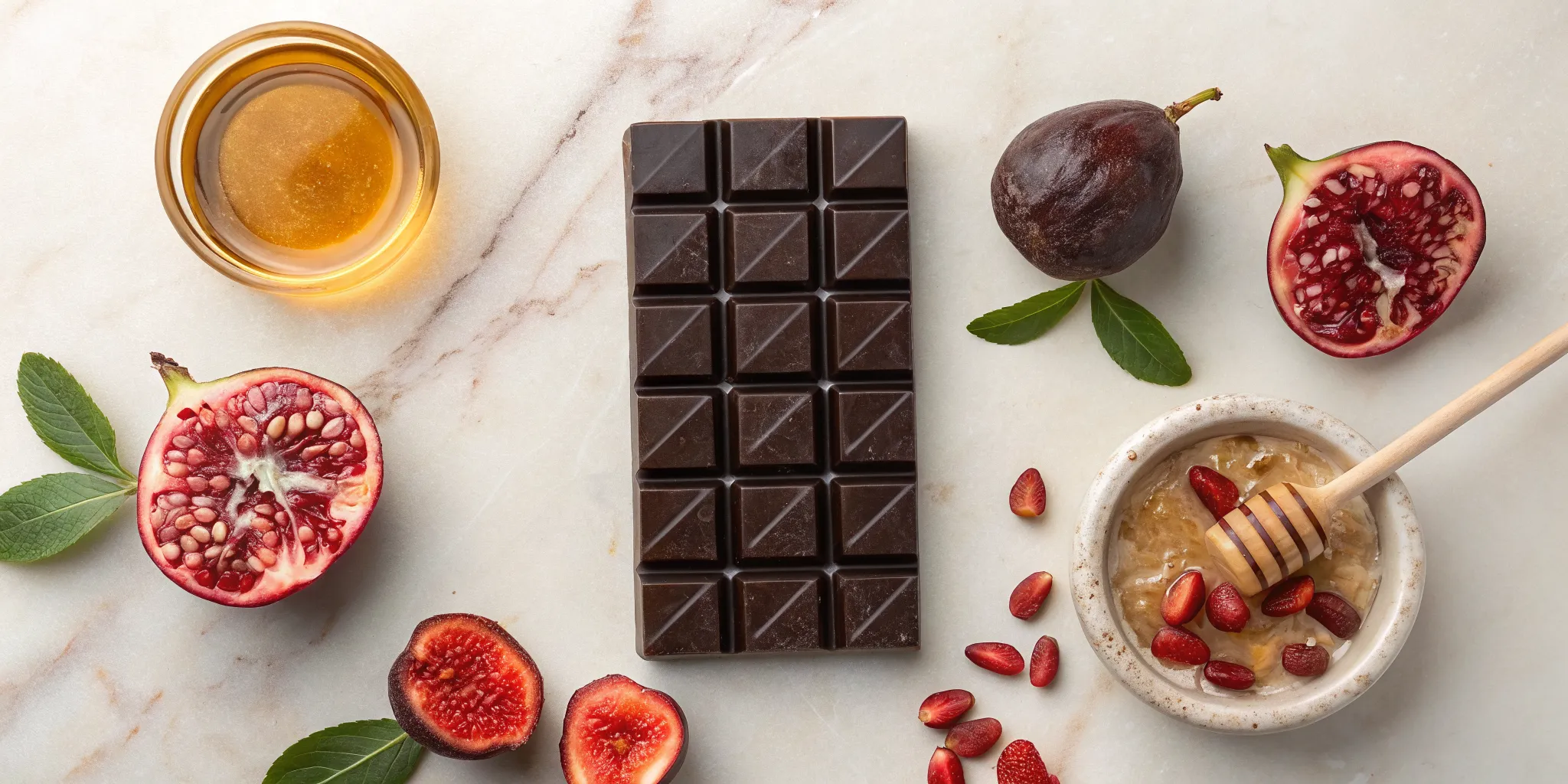
Chocolate has long been the go-to gift for lovers, and for good reason. It contains compounds like phenylethylamine and anandamide, which can trigger the release of dopamine and create feelings of happiness and well-being. This mood-lifting effect might make you feel more relaxed and open to intimacy. However, while enjoying a piece of dark chocolate can certainly set a pleasant mood, its reputation as a powerful aphrodisiac is likely more myth than reality. The amount of these feel-good chemicals in a standard serving is quite small. So, feel free to indulge, but think of it as a delicious mood-setter rather than a direct driver of desire.
Oysters and Other Zinc-Rich Foods
There’s a reason oysters are the most famous aphrodisiac. They are incredibly rich in zinc, a mineral that is crucial for producing testosterone. While we often associate testosterone with men, it’s also a vital hormone for women’s sexual health, playing a significant role in mood and sex drive. When your zinc levels are low, your testosterone can dip, potentially impacting your libido. If oysters aren’t your thing, you can also find zinc in other foods like beef, pumpkin seeds, and lentils. Ensuring you have enough zinc in your diet is a great step toward supporting your body’s natural hormone production and overall sexual wellness.
Powerful Fruits: Figs, Pomegranates, and Watermelon
Certain fruits are also celebrated for their potential to stir desire. Pomegranates, for example, are loaded with antioxidants that support blood flow. One study even found that daily pomegranate juice consumption was linked to increased testosterone levels in both men and women. Watermelon contains an amino acid called citrulline, which the body converts to arginine. Arginine helps relax blood vessels and improve circulation, which is essential for arousal. Figs have been seen as a symbol of fertility and sensuality for centuries, and while the science is less direct, their mix of sweetness and texture can be a wonderfully sensual experience.
Spices to Know: Saffron and Ginger
A little spice can go a long way, both in the kitchen and potentially in the bedroom. Saffron, the vibrant and precious spice, has shown some promising results in studies. Research suggests it may help improve sexual arousal in women, particularly those experiencing low libido as a side effect of taking antidepressants. Ginger is another warming spice that has been used for centuries to increase circulation. Some studies indicate that it may enhance blood flow, which is a key component of sexual response. Adding these spices to your meals is an easy and flavorful way to potentially support your body’s readiness for intimacy.
A Look at Herbal Aphrodisiacs and Supplements
When you walk down the wellness aisle, you’ll find countless bottles promising to improve your sex drive. Herbal remedies and supplements have been used for centuries across different cultures to address issues with desire and arousal. The idea of a natural fix is appealing, but it’s important to approach these options with a clear understanding of what they can and can’t do. Many of these supplements are thought to work by affecting hormones, improving blood flow, or reducing stress, all of which play a role in sexual health.
While some women find success with these natural aids, the scientific evidence is often mixed or limited. What works wonders for one person might not have any effect on another. It’s also crucial to remember that the supplement industry isn’t as tightly regulated as the pharmaceutical world, so quality and dosage can vary. Before adding any new supplement to your routine, especially if you have underlying health conditions or are taking other medications, it’s always best to discuss your options for treatment for low libido in females with a trusted healthcare provider.
Maca Root
You’ve likely seen maca powder in health food stores or smoothie shops. This plant, which grows in the Andes mountains of Peru, has a long history of use as a natural remedy for energy and stamina. In recent years, it has gained popularity as a supplement for sexual health. Some studies suggest that maca may help with sexual dysfunction and improve desire, particularly in menopausal women. However, much of the research is still in its early stages. While many people feel it gives them a welcome lift, more extensive studies are needed to fully understand its effects on female libido.
Ginseng
Ginseng is one of the most well-known herbs in traditional medicine, often used to combat fatigue and support overall well-being. When it comes to sexual health, Red Ginseng, in particular, is believed to have some interesting properties. A few studies have indicated that it may help enhance sexual arousal and excitement, especially for postmenopausal women. The theory is that compounds in ginseng can influence tissues in the body related to sexual response. While these findings are promising, ginseng isn’t a guaranteed solution, and its effectiveness can depend on the individual and the quality of the supplement.
Tribulus Terrestris
Tribulus terrestris is a plant that has been used in both Traditional Chinese Medicine and Ayurveda to address a variety of health concerns, including low libido. Some research suggests it could be beneficial for women experiencing low sexual desire, potentially helping with arousal, lubrication, and satisfaction. However, the scientific community is not in complete agreement. Other studies have found little to no effect, making its reputation a bit mixed. This is a perfect example of why it’s so important to approach herbal supplements with a healthy dose of curiosity and caution.
L-arginine and Ginkgo Biloba
L-arginine isn’t an herb but an amino acid, which is a building block of protein. Your body uses it to make nitric oxide, a compound that relaxes blood vessels and improves circulation. Because arousal depends on healthy blood flow to the genital area, some believe L-arginine supplements can support sexual function. Similarly, Ginkgo Biloba, an herb with a long history of use, is also known for its potential to support blood flow. By improving circulation, it may also contribute to greater sexual excitement. Both are often found in supplements aimed at improving overall sexual & urinary tract health.
Do Aphrodisiacs Actually Work for Women?
When we talk about aphrodisiacs, we’re often picturing romantic dinners with oysters and chocolate-covered strawberries. But does eating certain foods actually light a fire, or is it all just a romantic notion? The truth is a little more complex than a simple yes or no. While some foods contain nutrients that support overall health, which can indirectly influence your sex drive, the direct link between a specific food and immediate arousal is not well-supported by science.
Instead, the conversation around aphrodisiacs often comes down to a mix of psychology, cultural beliefs, and personal experience. Let’s look at what the research says, how our own minds play a role, and why your libido is unique to you.
What the Research Shows
From a scientific standpoint, no food has been proven to directly impact your sexual organs or instantly increase desire. Most studies suggest that the effects of so-called aphrodisiacs are more about suggestion than substance. While certain foods are packed with vitamins and minerals that contribute to good circulation and hormone production, eating them won’t flip a switch on your libido. The idea that specific foods can heighten sexual desire is powerful, but it’s largely rooted in folklore and symbolism rather than hard evidence. The act of sharing a special meal or trying something new can create a sensual experience, but the food itself isn’t the magic ingredient.
The Power of the Placebo Effect
This brings us to one of the biggest factors at play: the placebo effect. Much of the power behind aphrodisiacs comes from the simple belief that they will work. If you eat a piece of dark chocolate with the expectation that it will make you feel more romantic or aroused, that belief alone can be enough to create the feeling you’re looking for. Your brain is your most important sex organ, after all. The anticipation and intention you bring to an experience can be just as potent as any chemical compound in a food. So, if you and your partner find that certain foods put you in the mood, that’s a wonderful ritual to share, regardless of the reason it works.
Why Your Experience Might Be Different
It’s completely normal for your sex drive to change over time. Libido isn’t a constant; it’s influenced by everything from your stress levels and quality of sleep to major life events and hormonal changes. Factors like anxiety, relationship dynamics, and underlying health conditions can also play a significant role in your level of desire. If you’ve noticed a persistent or troubling drop in your libido, it’s likely due to something more complex than your diet. Understanding the root cause is the first step toward finding a solution that truly works for you, whether that involves lifestyle adjustments or professional medical guidance.
Proven Medical Treatments for Low Libido
When lifestyle changes and natural remedies aren’t enough, it’s reassuring to know there are effective, science-backed medical treatments available. If a persistently low libido is causing you distress, a conversation with a healthcare professional can open the door to solutions that address the root cause. These treatments go beyond guesswork, offering targeted approaches based on your unique physiology, from balancing brain chemistry to restoring hormonal harmony. They are designed to help you reclaim your desire and enjoy a more fulfilling sexual life.
Addyi (Flibanserin)
If you’re premenopausal and struggling with a low sex drive, Addyi might be an option to discuss with your doctor. It’s an FDA-approved, non-hormonal pill taken once a day. Unlike treatments that work on demand, Addyi works over time by rebalancing specific neurotransmitters in your brain that are linked to sexual desire. It’s specifically designed for women diagnosed with hypoactive sexual desire disorder (HSDD), a condition where the lack of sexual thoughts and desire causes personal distress. Think of it less as a magic pill and more as a gradual, steady way to help your brain rediscover its interest in sex.
PT-141 Therapy
For a more spontaneous approach, PT-141 therapy offers an on-demand solution for low libido. This peptide therapy works directly on your nervous system to activate pathways in the brain that help generate sexual desire. It’s administered as a simple injection or nasal spray about 45 minutes before you plan to be intimate, making it a great option if you prefer not to take a daily medication. PT-141 is effective for both premenopausal and postmenopausal women, providing a versatile treatment for enhancing arousal and sexual satisfaction when the moment feels right.
Hormone Replacement Therapy
Hormones are powerful communicators in our bodies, and when they’re out of balance, our sex drive can take a major hit. This is especially common during perimenopause and menopause when estrogen and testosterone levels fluctuate and decline. Personalized hormone replacement therapy can help restore your body’s natural equilibrium. By tailoring treatments like bioidentical hormones or Biote pellet therapy to your specific needs, we can address not just low libido but also other related symptoms like fatigue and mood swings. Restoring hormonal balance can be a key step in feeling more energized, vibrant, and like yourself again.
O-Shot and G-Shot Procedures
Sometimes, the issue isn’t just desire but also physical sensation and arousal. The O-Shot is a non-surgical treatment that uses platelet-rich plasma (PRP) from your own blood to rejuvenate vaginal tissue. The process can increase nerve sensitivity, make orgasms stronger, and improve natural lubrication. Similarly, the G-Shot is an injectable treatment that temporarily enhances the G-spot area to heighten sensation and pleasure during sex. Both are quick, in-office procedures that use your body’s own healing mechanisms to enhance your sexual response and overall satisfaction, helping bridge the gap between desire and physical enjoyment.
How Your Lifestyle Affects Your Libido
While the idea of a quick fix is appealing, our libido is deeply intertwined with our overall well-being. The daily choices we make about how we manage stress, move our bodies, and connect with others have a profound impact on our sexual desire. Think of it as building a strong foundation for your sexual health. When you feel good in your everyday life, that energy naturally extends to the bedroom. Let’s look at a few key areas where small changes can make a big difference.
The Role of Stress and Sleep
When you’re constantly running on empty, sex can feel like just another item on your to-do list. Chronic stress from work, family, or relationship issues triggers the release of cortisol, a hormone that effectively puts the brakes on sexual arousal. It’s your body’s way of saying, “We have bigger things to worry about right now.” Poor sleep goes hand-in-hand with stress, draining your energy and making intimacy feel like a chore. Prioritizing relaxation and getting enough rest aren’t just good for your mind; they are essential for rediscovering your desire and addressing low libido.
Fueling Your Body with Exercise and Nutrition
Moving your body is one of the best ways to get back in touch with it. Regular exercise, especially strength training, can improve your body image, reduce stress, and increase blood flow, all of which contribute to a healthier sex drive. Similarly, the food you eat provides the energy for everything you do, including sex. You don’t need a perfect diet, but focusing on whole, nutrient-dense foods gives your body the fuel it needs to function at its best. A healthy diet supports your overall vitality, which is a cornerstone of a vibrant and active sex life.
The Importance of Communication and Connection
For many women, emotional intimacy is the gateway to physical desire. Feeling disconnected from your partner can be one of the biggest barriers to a satisfying sex life. Open and honest communication about your needs, desires, and boundaries is essential. Talking about what feels good, both in and out of the bedroom, builds trust and strengthens your bond. This connection can be a powerful driver of desire, making you feel safe and seen. When you feel emotionally close, it’s often much easier to feel physically close, too. Addressing these dynamics is a key part of improving your relationships and your libido.
Understanding Hormonal Shifts
Sometimes, a drop in libido isn’t just about stress or diet; it’s a sign of a deeper hormonal change. Major life stages like perimenopause and menopause can cause a significant dip in hormones like estrogen and testosterone, directly impacting sexual desire and function. If you’ve made positive lifestyle changes but your sex drive is still low, or if the change was sudden and persistent, it might be time to look at your hormones. Understanding these shifts is the first step toward finding a solution. Professional treatments like Bioidentical Hormone Replacement Therapy can help restore balance and bring your desire back.
What Are the Risks of Using Aphrodisiacs?
While the idea of a quick fix for a lagging libido is appealing, it’s so important to approach aphrodisiacs with a healthy dose of caution. The world of supplements and herbal remedies is largely unregulated, which means products can vary wildly in quality, potency, and safety. Some substances marketed as libido enhancers aren’t just ineffective; they can be genuinely dangerous. Before you try any new supplement or herb, it’s essential to understand the potential risks.
Your health and safety should always come first. Many “natural” products can cause unexpected side effects or interact poorly with medications you might already be taking. This is why having an open conversation with a healthcare professional is a non-negotiable first step. They can help you understand what’s truly safe and effective for your body, guiding you toward solutions that support your overall well-being instead of putting it at risk. Making informed choices is the most powerful thing you can do for your sexual health.
Substances to Steer Clear Of
Some products sold as aphrodisiacs are outright dangerous and should be avoided at all costs. “Spanish fly,” for example, is derived from a beetle and contains a poison that can cause severe kidney damage and internal bleeding. Another one to avoid is “mad honey,” which contains toxins from certain plants that can lead to serious heart problems and confusion.
You might also come across yohimbe, an extract from tree bark. While it’s sometimes promoted for sexual function, it has been linked to severe side effects, including heart attacks and seizures. These substances carry risks that far outweigh any potential benefits. It’s always better to stick with safe, proven methods for addressing concerns about your libido.
Potential Drug Interactions and Health Concerns
Even seemingly harmless herbs can cause problems if you’re taking other medications. Many supplements can interfere with prescription drugs, over-the-counter medicines, or even other supplements, potentially making them less effective or causing harmful side effects. For instance, an herb that affects blood flow could have dangerous interactions with blood pressure medication.
This is why it’s crucial to speak with a specialist before adding any new supplement to your routine. A doctor can review your full health history and medication list to flag any potential conflicts. It’s a simple conversation that can protect you from unintended consequences and ensure you’re making the best choices for your body.
The Problem with Unregulated Supplements
The supplement industry isn’t regulated by the FDA in the same way that prescription medications are. This means that manufacturers don’t have to prove their products are safe or effective before they hit the shelves. A label that says “all-natural” doesn’t guarantee safety; it’s often just a marketing term. The actual ingredients and their dosages can be inconsistent from bottle to bottle.
Because of this lack of oversight, it’s best to rely on proven medical treatments for low libido when you’re looking for real, dependable results. Working with a doctor ensures you’re using solutions that have been thoroughly studied and are administered in a safe, controlled way.
Creating a Holistic Approach to Sexual Wellness
True sexual wellness comes from looking at the whole picture, not just searching for a quick fix. It’s about understanding how your lifestyle, mindset, and physical health all connect. By combining healthy habits with a clear understanding of what works, you can create a sustainable and fulfilling approach to your sexual health. This means focusing on foundational wellness while exploring remedies that support your body and mind in a safe, effective way.
Pairing Natural Remedies with Healthy Habits
While the idea of certain foods acting as aphrodisiacs is appealing, the science suggests it’s often more about the power of suggestion. Instead of relying on oysters and chocolate alone, think of them as part of a bigger picture. Adopting a heart-healthy diet, for example, improves your overall energy and circulation, which are foundational for a healthy libido. If you’re curious about herbal supplements, it’s essential to proceed with caution. Many can interact with medications or have unintended side effects. Before trying something new, it’s always best to consult a professional who understands your complete health profile and can guide you safely.
What to Know About Timing and Effectiveness
It’s a common question: is there an instant aphrodisiac for women? The short answer is no. Unlike medications that address physical mechanisms, desire itself is complex and can’t be switched on instantly. Much of the perceived effect of aphrodisiacs comes from the placebo effect, which is your belief that they will work. And honestly, there’s nothing wrong with that. If sharing a romantic meal makes you and your partner feel more connected and in the mood, that’s a win. The key is to manage expectations. Building desire is a process that involves your mind, body, and emotions, not a single ingredient. For those who feel they need more support, there are proven treatments for low libido that address the underlying biological factors.
When Is It Time to Talk to a Doctor?
While exploring natural remedies and lifestyle adjustments can be incredibly helpful, sometimes a persistent lack of desire is a sign that it’s time to bring in a professional. If your low libido is causing you distress or affecting your relationship, speaking with a doctor isn’t just a good idea; it’s a proactive step toward reclaiming your sexual wellness. A healthcare professional can help you get to the root of the issue and find a solution that truly works for you.
Recognizing Signs of an Underlying Issue
If your sex drive changes suddenly or a low libido becomes a long-term problem, it could be your body’s way of signaling an underlying health issue. Many factors can contribute to a dip in desire, including stress, anxiety, depression, certain medications, and major life changes like menopause. These shifts can disrupt your hormonal balance and overall well-being. Understanding the potential causes of low libido is the first step, and a doctor can help you connect the dots between what you’re feeling physically and emotionally. Don’t dismiss a lasting change; it’s worth investigating with an expert.
Exploring Your Professional Treatment Options
If you’re dealing with sexual health concerns like vaginal dryness, pain during sex, or a consistently low sex drive, a healthcare professional can offer proven solutions. Instead of guessing which supplements might work, you can get a personalized plan based on your specific needs. For women, there are many effective, FDA-approved options available. A specialist can introduce you to the right treatment for low libido in females, which may include medications like Addyi, hormone therapies to restore balance, or regenerative procedures like the O-Shot. These medical treatments are designed to address the physiological factors impacting your desire, offering a direct path to feeling more like yourself again.
Related Articles
- 9 Natural Ways to Increase Arousal Levels in Women
- Oriental Medicine and Sexual Dysfunctions | Dr. Jennifer Berman MD
- 7 Natural Ways to Increase Libido & Feel Great
- Post Menopause Sexuality: What a New Study Reveals
Frequently Asked Questions
So, is there any food that works as an instant aphrodisiac? While it would be nice to have a magic food for desire, the short answer is no. No food has been scientifically proven to instantly increase your sex drive. The effects you might feel from foods like chocolate or oysters are often due to the placebo effect, which means your belief that they will work is what creates the feeling. A better approach is to focus on a diet that supports your overall health, energy, and circulation, as these are the true foundations of a healthy libido.
Are herbal libido supplements safe to try on my own? It’s best to be very cautious with over-the-counter supplements. The industry isn’t well-regulated, so the quality and dosage can be inconsistent, and some products contain ingredients that are genuinely harmful or interact poorly with other medications. Before trying any new herb or supplement, it is always safest to have a conversation with your doctor to make sure it’s a good choice for your specific health situation.
If aphrodisiacs aren’t a magic fix, what actually helps with low libido? A low libido is usually caused by a combination of factors, not a lack of a specific food. The most effective approach involves looking at your whole lifestyle. This includes managing stress, getting enough sleep, regular exercise, and maintaining open communication with your partner. If those changes aren’t enough, it could be related to hormonal shifts, which is where proven medical treatments can make a significant difference.
How can I tell if my low sex drive is just a phase or something I should see a doctor about? It’s normal for your sex drive to fluctuate. However, if your low libido is persistent, has changed suddenly, or is causing you personal distress or problems in your relationship, it’s a good idea to talk to a doctor. These can be signs of an underlying issue, such as a hormonal imbalance or other health condition, that a professional can help you identify and treat effectively.
What’s the difference between a medical treatment like Addyi and a natural remedy? The main difference is the level of scientific proof and regulation. Medical treatments like Addyi or PT-141 are FDA-approved and work by targeting specific biological pathways in your brain and nervous system that are known to influence desire. Natural remedies and herbal supplements, on the other hand, often have mixed or limited scientific evidence and are not regulated for safety or effectiveness, meaning their results can be unpredictable.