

Let’s be clear: the decision to seek labiaplasty is often about comfort, not just aesthetics. It’s about ending the chronic chafing during a run, feeling at ease in yoga pants, and enjoying intimacy without pain or self-consciousness. Many labiaplasty reviews share powerful stories of this newfound physical freedom. Aviva offers a path to that relief without the need for major surgery, incisions, or a lengthy recovery. This article explores how this minimally invasive treatment directly addresses the functional issues caused by an enlarged labia, helping you reclaim your comfort and improve your overall quality of life.
Physical discomfort from enlarged labia can affect everything from your workout routine to your confidence in the bedroom. For years, traditional surgery was the only answer. Now, there’s a modern, minimally invasive alternative that reshapes tissue without scalpels or stitches. It’s called Aviva. If you’re exploring your options, you’ve probably searched for aviva labiaplasty reviews to see what real women are saying. This guide goes a step further. We’ll break down how the procedure works, what recovery is like, and what results you can realistically expect, giving you the clarity you need to feel empowered.
Key Takeaways
- A Stitch-Free Approach to Labiaplasty: Aviva uses internal radio-frequency energy to shrink and tighten labial tissue, providing a refined look without the need for surgical incisions or the resulting scars.
- Return to Your Life in Days, Not Weeks: Unlike traditional surgery, Aviva’s recovery is incredibly fast, allowing you to get back to your routine quickly while enjoying lasting improvements in both physical comfort and confidence.
- A Consultation is Key to Your Decision: This treatment is ideal for women with mild to moderate concerns, but it isn’t a one-size-fits-all solution. Speaking with an experienced provider is the best way to determine if Aviva is right for your body and goals.
Why Do Women Seek Labiaplasty?
The decision to explore labiaplasty is deeply personal and often comes after years of quiet consideration. It’s rarely about conforming to a specific ideal and almost always about improving personal comfort and confidence. For many women, enlarged or asymmetrical labia can create daily physical discomfort and emotional distress that interfere with their quality of life. Understanding the root causes and the specific challenges women face can help demystify the procedure and highlight why treatments like Aviva are becoming such a valued option. It’s about taking control of your body and your sexual health in a way that feels right for you.
Common Causes of Labial Enlargement
The size and shape of the labia are unique to every woman, and there isn’t one “normal” appearance. However, certain factors can lead to enlargement or changes that cause discomfort. These causes are almost always natural and completely outside of your control. From the genetic lottery to major life events like childbirth, your body goes through incredible transformations. Recognizing these factors can be the first step in understanding why you might be feeling the way you do and what options are available to help you feel more comfortable in your own skin.
Genetics, Aging, and Hormonal Changes
For many women, the size and shape of their labia are simply determined by genetics—it’s just the way they were born. For others, changes occur over time. The natural aging process, along with significant hormonal fluctuations during puberty, pregnancy, and menopause, can alter the elasticity and appearance of labial tissue. These changes are a normal part of a woman’s life journey. When they lead to discomfort, seeking a solution is a valid and empowering choice. Understanding your body’s evolution is key to addressing any concerns with confidence and clarity.
Childbirth and Physical Injury
Pregnancy and childbirth place incredible demands on the body, and it’s common for the labia to stretch or change shape as a result. The pressure and physical trauma of delivery can lead to lasting alterations that may cause discomfort long after you’ve recovered. While less frequent, direct physical injuries to the area from accidents or certain athletic activities can also contribute to labial enlargement or asymmetry. These physical events can leave you feeling disconnected from your body, but modern treatments offer a path back to feeling comfortable and whole again.
The Decision to Seek Treatment
Making the choice to seek treatment is a significant step, driven by a desire to resolve persistent issues that affect both physical and emotional health. It’s not a decision made lightly. It often comes after trying to ignore the problem or feeling like it’s something you just have to live with. Whether the primary motivation is to stop painful chafing during a run or to feel more confident with a partner, the underlying goal is the same: to live more freely and comfortably. This decision is a powerful act of self-care.
Addressing Specific Physical Discomfort
One of the most common reasons women seek labiaplasty is to relieve chronic physical discomfort. When labial tissue is enlarged, it can twist, pull, or chafe during everyday activities. This can make wearing fitted clothing like yoga pants or jeans a painful experience. It can also cause irritation during exercise, whether you’re cycling, running, or horseback riding. For some, this discomfort extends to intimacy, causing pain during intercourse that can naturally impact your libido. A procedure like Aviva directly addresses these functional problems by reducing the tissue, allowing you to move through your day without constant irritation.
Emotional and Social Factors
The physical discomfort of enlarged labia is often accompanied by a significant emotional burden. Many women feel self-conscious about their appearance, leading to insecurity in intimate situations or anxiety when wearing swimsuits. Because society has long treated women’s intimate health as a taboo topic, many feel they have to suffer in silence, feeling ashamed or isolated. Choosing to pursue a vaginal rejuvenation treatment is a way to reclaim your confidence and shed that emotional weight. It’s about feeling at home in your body, free from the distraction of self-consciousness and empowered to live fully.
What Is Aviva Non-Surgical Labiaplasty?
If you’re exploring options for labiaplasty, you’ve likely come across both traditional surgery and newer, less invasive methods. Aviva stands out as a modern, minimally invasive alternative that reshapes the labia without the need for extensive cutting or stitches. Think of it as a non-surgical labiaplasty. Instead of excising tissue, this gentle procedure uses radio-frequency (RF) energy to heat, shrink, and tighten the labial tissue from within.
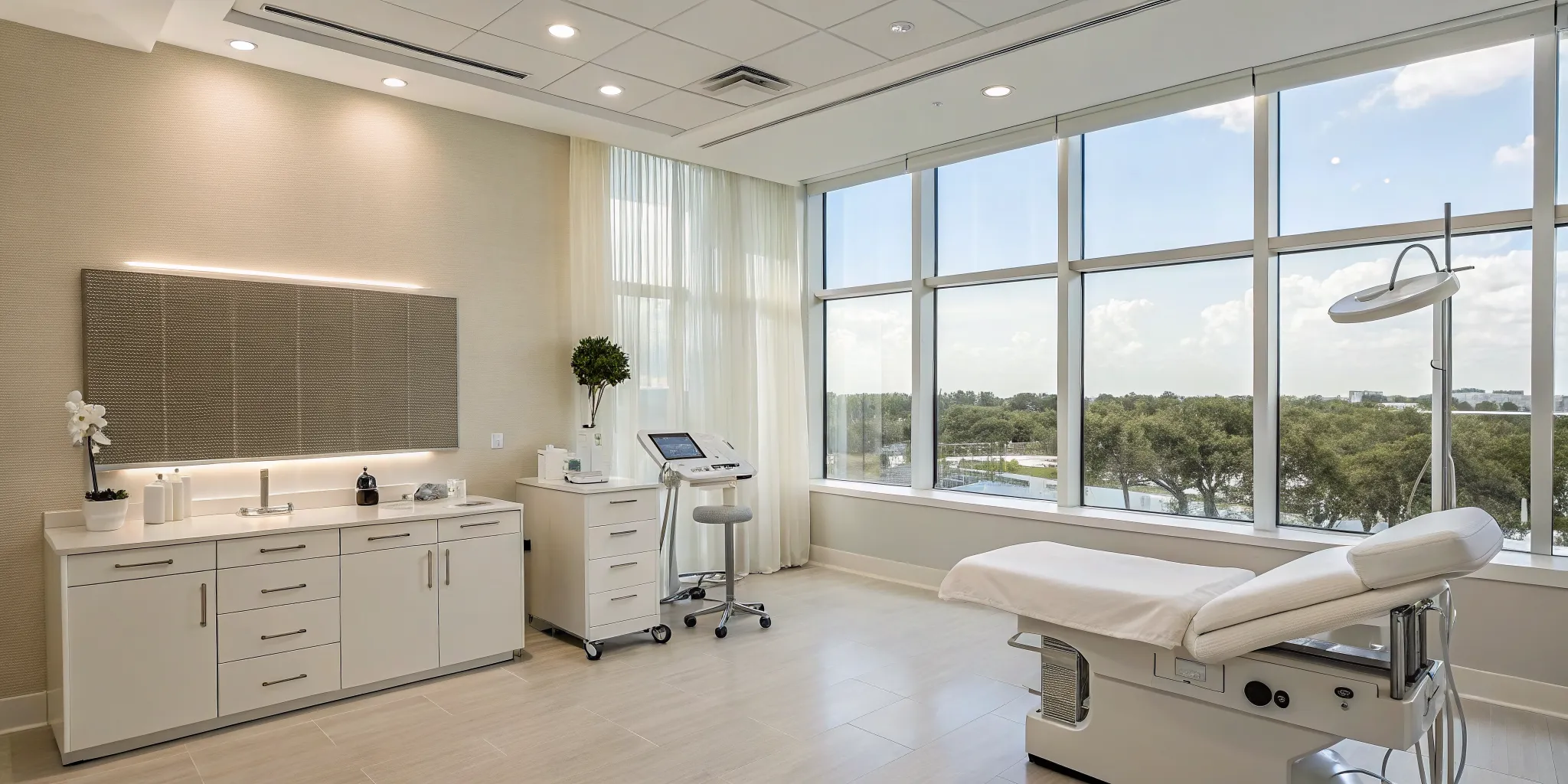
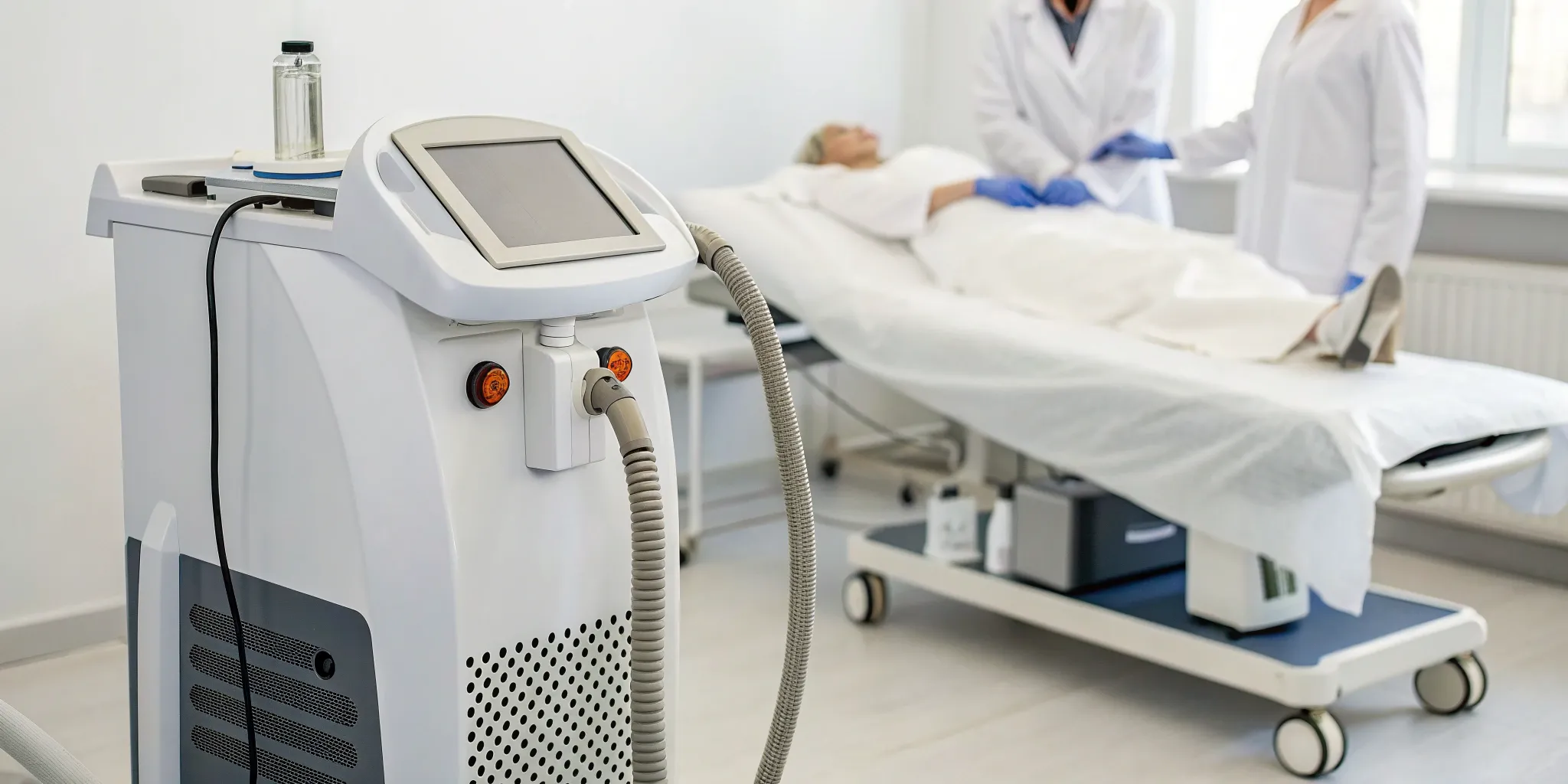
The treatment is performed in-office with local anesthesia, making it a convenient and comfortable experience. A specialized device delivers controlled thermal energy just beneath the skin’s surface, allowing for precise contouring and a significant reduction in tissue. The goal is to achieve your desired aesthetic result with minimal downtime and no tell-tale scars. It’s a sophisticated approach to vaginal rejuvenation that prioritizes both your results and your recovery, helping you feel more confident and comfortable in your own skin.
How Does Radio-Frequency Technology Work?
So, how does heat actually reshape tissue? The technology behind Aviva is grounded in the science of radio-frequency assisted lipolysis (RFAL). A very thin probe is inserted under the skin, where it delivers controlled RF energy directly to the targeted tissue. This energy creates a gentle heating effect that causes two things to happen. First, it immediately makes the existing collagen fibers contract and the tissue shrink. Second, it triggers your body’s natural healing response, stimulating the production of new, firming collagen over the following weeks and months. This dual action allows for both immediate and long-term improvements in the shape and tightness of the labia.
Aviva vs. Surgical Labiaplasty: What’s the Difference?
When comparing Aviva to a traditional surgical labiaplasty, the differences are significant. A traditional labiaplasty is an excisional procedure, meaning a surgeon uses a scalpel to cut away and remove excess tissue before stitching the area closed. While effective, this approach comes with the standard risks of surgery, including bleeding, infection, and visible scarring. Recovery can take several weeks, requiring significant downtime. Aviva, on the other hand, involves no tissue removal. Because it works beneath the skin to contract and tighten tissue, it avoids large incisions and leaves no linear scars. This leads to a much faster recovery—often just a few days—with less discomfort and a lower risk of complications.
Understanding Traditional Surgical Labiaplasty
To fully appreciate what makes Aviva different, it helps to understand the traditional surgical approach. Surgical labiaplasty is an excisional procedure, meaning a surgeon uses a scalpel to physically cut and remove excess labial tissue. While it has been the standard for years and can produce excellent results, it is a more invasive process that requires a longer recovery. The specific surgical technique used often depends on your unique anatomy and your surgeon’s recommendation, as different methods achieve slightly different aesthetic outcomes. Understanding these methods gives you a clearer picture of the surgical path and how it compares to a non-surgical alternative.
Common Surgical Methods: Trim vs. Wedge
When it comes to surgical labiaplasty, surgeons typically use one of two primary techniques: the trim method or the wedge method. The trim technique involves making an incision along the outer edge of the labia minora to remove excess tissue, which can also address darker pigmentation along the border. The wedge technique, on the other hand, involves removing a V-shaped, full-thickness section from the most prominent part of the labia. The remaining edges are then sutured together, preserving the natural border for what many consider a more organic look. The best surgical method is always chosen based on your individual anatomy and aesthetic goals.
Anesthesia Options for Surgical Procedures
Because this is a surgical procedure, it requires anesthesia to keep you comfortable and pain-free. The choice usually comes down to either local or general anesthesia. With local anesthesia, the surgical area is completely numbed while you remain awake and aware. Many women and their doctors prefer this option due to its lower risk profile and quicker initial recovery. General anesthesia, which puts you completely to sleep for the surgery, is another option, often used for more extensive procedures or based on a patient’s personal preference. This is a key part of the pre-operative discussion, and your surgeon will help you decide on the safest and most appropriate type of anesthesia for your situation.
Real Aviva Aviva Results?
Hearing directly from women who have had the procedure is one of the best ways to understand what to expect. The feedback for Aviva is overwhelmingly positive, highlighting significant improvements in comfort, confidence, and overall quality of life. Women often choose this treatment not just for aesthetic reasons, but to resolve physical discomfort that affects their daily activities, from working out to being intimate. The consensus is that Aviva offers a path to feeling more at home in your own body, with results that are both seen and felt.
The Top Benefits According to Patients
When women talk about their Aviva experience, two major themes come up again and again: comfort and confidence. Many share that they no longer feel self-conscious, whether at the gym or in the bedroom. A significant benefit is the reduction of physical discomfort that was once a daily issue. Activities like cycling, running, or even wearing certain clothing can become pain-free. This newfound physical freedom often leads to a more fulfilling and enjoyable sex life. Patients frequently express that they feel better about themselves and can finally focus on pleasure without the distraction of pain or insecurity, which is a truly life-changing outcome.
How Satisfied Are Patients with Aviva?
The numbers speak for themselves. Across the board, patient satisfaction with Aviva is exceptionally high. Data from verified patient reviews shows an impressive overall rating of 4.9 out of 5 stars. Even more telling is that a staggering 97.8% of patients report being satisfied with their results. This level of satisfaction is remarkable and points to the procedure’s effectiveness and reliability. For women considering their options for sexual and urinary tract health, these statistics provide strong reassurance that they are choosing a treatment with a proven track record of success and patient happiness. It’s clear that Aviva consistently delivers results that meet or exceed expectations.
Patient Satisfaction with Traditional Labiaplasty
While Aviva offers a modern, minimally invasive path, it’s also important to acknowledge that traditional surgical labiaplasty has a long history of success and high patient satisfaction. For many women, it has been a trusted and effective solution for resolving both physical and emotional discomfort. Understanding the outcomes of the surgical approach provides a helpful baseline when comparing your options. The procedure has consistently delivered results that women find validating and freeing, allowing them to live without the self-consciousness or pain that prompted them to seek treatment in the first place. This context is valuable for anyone weighing the benefits of different procedures.
High Success Rates and “Life-Changing” Results
Women who choose traditional labiaplasty often describe their results as nothing short of “life-changing.” The procedure has a very high success rate, with patients reporting that it resolves pain, makes wearing certain clothes more comfortable, and significantly improves their self-confidence. Many feel happier and more at ease in their bodies, able to wear what they want and enjoy activities without a second thought. This newfound confidence can have a ripple effect, positively impacting intimacy and helping to address concerns like a treatment for low libido in females by removing a source of physical and emotional insecurity. The overwhelming sentiment is one of relief and empowerment.
Significant Reduction in Physical Discomfort
One of the most celebrated outcomes of surgical labiaplasty is the dramatic reduction in physical discomfort. Studies show that reported pain during exercise or intimacy can drop from over 50% before the procedure to less than 5% after. This is a massive improvement in quality of life. Women often express regret for not having the surgery sooner, noting they no longer experience the chafing, pulling, or general irritation that once plagued their daily routines. For those who have struggled with this specific type of discomfort, which can sometimes be part of a broader set of symptoms, finding an effective pelvic pain treatment is a top priority, and labiaplasty often provides that definitive solution.
The Emotional Impact: A Change in Confidence
The positive changes from Aviva extend far beyond the physical. Many women describe a profound impact on their emotional well-being and self-esteem. It’s a deeply personal journey, and feeling comfortable and confident in your own skin is a powerful thing. Some patients note that their partners have noticed their increased confidence, which enhances intimacy more than any physical change could. Part of this peace of mind comes from knowing that Aviva is a safe, minimally invasive alternative to traditional surgery. This allows women to achieve their desired results without the stress of a lengthy or difficult recovery, empowering them to take control of their health with a trusted provider like Dr. Berman.
Are There Any Risks or Side Effects with Aviva?
Because Aviva is a minimally invasive procedure, it has a strong safety profile, especially when compared to traditional surgery. Still, like any medical treatment, it’s smart to understand the potential side effects. Knowing what to expect helps you feel prepared and confident as you move forward. Most side effects are minor and resolve on their own, but open communication with your doctor is the best way to ensure a smooth and comfortable experience.
Common (and Temporary) Side Effects to Expect
After your Aviva treatment, it’s completely normal to experience some mild, temporary effects as your body begins to heal. The most common side effect is minor irritation or itching in the treated area, which usually subsides within just a few days. You might also notice some light swelling. Think of these as typical signs that the radio-frequency energy has done its job and stimulated your body’s natural healing process. Thankfully, more serious issues like severe pain, bleeding, or infection are very unlikely with this procedure. Most women find these effects are easily managed and don’t interfere much with their daily routine.
When Should You Call Your Doctor?
The most important step in your journey is choosing a provider you trust. During your consultation, your doctor will determine if Aviva is the right choice for you. Some individuals with more significant excess tissue may find a surgical approach is a better fit for their goals. It’s essential to have an honest conversation with a qualified medical professional like Dr. Berman to understand the best path forward. Before your procedure, make sure you feel clear on any potential risks and know which signs would warrant a follow-up call to the office.
Your Aviva Recovery
One of the biggest draws of the Aviva procedure is its straightforward recovery. Unlike traditional surgery, which can sideline you for weeks, Aviva is designed to fit into your life with minimal disruption. Because the treatment is minimally invasive and doesn’t require general anesthesia or incisions, you can get back to your routine much faster. Knowing what to expect each step of the way can help you feel confident and prepared as your body heals. The process is generally smooth, but following aftercare guidelines is key to ensuring you get the beautiful, lasting results you’re looking for.
Healing During the First Week
Immediately after your procedure, you can head home to rest. Most women feel ready to return to work and other light activities within just one to two days. It’s completely normal to experience some mild redness, swelling, and sensitivity in the treated area—this is just a sign that your body’s natural healing process has begun. You’ll likely notice some immediate improvements in the appearance of the labia, but the magic is really happening beneath the surface. Over the coming weeks, your body will start producing new collagen, which gradually creates the final, refined result.
Your Guide to Rest and Activity After Treatment
Your main job during the first week is to take it easy and give your body a chance to heal. We recommend avoiding strenuous exercise, swimming, hot tubs, and intercourse for about one week to prevent irritation. Most women feel comfortable resuming sexual activity after the first week or two, a significantly shorter wait time than the six or more weeks required after traditional labiaplasty. You might feel some minor itching as the area heals, but this typically fades within a few days. Listening to your body is the best guide—if something doesn’t feel right, give yourself a bit more time to rest.
When Will You See Your Final Results?
Patience is key when it comes to seeing your final results. While you’ll see some initial changes right away, the full effects of the treatment will continue to develop for up to three to six months. This is because the radiofrequency energy stimulates collagen and elastin production, a process that happens gradually. As this new supportive tissue builds, you’ll see continued improvements in tightness and contour. The best part? These results are long-lasting. With a healthy lifestyle, you can expect your Aviva results to last for years, making it a lasting investment in your comfort and confidence. It’s a powerful part of a holistic approach to your sexual and urinary tract health.
Why Choose Aviva Compare to Traditional Surgery?
When considering labiaplasty, many women weigh the benefits of traditional surgery against newer, minimally invasive options. While both procedures aim to alter the size or shape of the labia, the approaches are worlds apart. Traditional labiaplasty is a surgical procedure that involves cutting away excess tissue and using sutures to create a new contour. It’s an effective and long-standing method, but it comes with the typical realities of surgery: incisions, a longer recovery period, and the potential for scarring.
On the other hand, Aviva represents a significant shift in technique. It’s a non-excisional procedure, meaning there’s no cutting of tissue. Instead, it uses radio-frequency (RF) energy, delivered through a tiny probe beneath the skin, to gently heat and remodel the labial tissue from within. This process tightens the skin and encourages collagen production, resulting in a smaller, more refined appearance without the need for a single stitch. This fundamental difference in method leads to distinct advantages in scarring, recovery time, and overall patient experience, making it an appealing alternative for many women seeking aesthetic improvements with less disruption to their lives.
The Advantage of Minimal to No Scarring
One of the most significant benefits of Aviva is that it’s a virtually scarless procedure. Traditional labiaplasty requires a scalpel to remove tissue, and where there are incisions, there will be scars. While a skilled surgeon can place these scars discreetly, they are an unavoidable part of the process. Aviva completely sidesteps this issue. By using radio-frequency energy to remodel and shrink the tissue from the inside out, it achieves a natural-looking reduction in size without any external cuts. This means you get the aesthetic results you’re looking for without the lasting reminder of a surgical procedure, offering a smoother and more seamless outcome.
How Aviva Offers a Faster Recovery
If the thought of a lengthy recovery period has you hesitating, you’ll be happy to know that Aviva offers a much quicker return to your daily routine. A surgical labiaplasty can require weeks of downtime, with restrictions on everything from exercise to sexual activity. In contrast, the recovery from an Aviva treatment is remarkably fast. Most patients are back to work and their usual activities within just one to two days. This minimal interruption makes it a practical choice for busy women who can’t put their lives on hold. This procedure is a great example of modern vaginal rejuvenation techniques designed for today’s lifestyle.
Recovery from Traditional Surgery: What to Expect
Post-Surgery Restrictions and Aftercare
Recovery from a surgical labiaplasty is a more involved process that requires careful planning and patience. Unlike the quick turnaround of Aviva, traditional surgery involves significant downtime that can last for several weeks. The full healing process is even longer. You should plan to wait at least six weeks, and sometimes a few months, before resuming sexual activity or other activities that could put stress on the healing tissue. Following your surgeon’s aftercare instructions is crucial during this time to manage discomfort, prevent infection, and ensure you achieve the best possible outcome. This extended recovery is a key factor for many women when they explore their options for vaginal rejuvenation.
The post-surgery restrictions are designed to protect the delicate incisions as they heal. This means avoiding strenuous exercise, swimming, and wearing tight clothing that could cause friction or irritation. The goal is to give your body the uninterrupted time it needs to recover properly. While the final results can be life-changing, it’s important to be realistic about the commitment the recovery period demands. Understanding these differences helps you have a more productive conversation with your doctor about which approach best fits your lifestyle and goals for your sexual health.
A Closer Look at Safety and In-Office Comfort
Comfort and safety are top priorities, and Aviva is designed to be a gentler experience than traditional surgery. The procedure is typically performed in-office using only local anesthesia to numb the area, so you can avoid the risks and side effects associated with general anesthesia. Because there is no cutting or suturing, the risks are significantly lower. The most common side effects are minor and temporary, such as slight irritation or itching that usually resolves within a few days. This makes Aviva one of the more comfortable and lower-risk services available for intimate wellness.
How Much Does Aviva Cost?
When you’re considering any procedure, the cost is always a big question. Let’s talk about what you can expect for Aviva. In the United States, the average price for an Aviva treatment generally falls somewhere between $2,000 and $4,000. It’s helpful to think of this as a starting point, because the final cost really depends on your specific needs and the treatment plan we create together. We’ll go over all the details during your consultation, but this range gives you a solid idea for planning your investment in your personal comfort and confidence.
What Factors Influence the Final Price?
So, what goes into that final number? A few key things influence the total cost of your Aviva procedure. The provider’s expertise is a major factor—working with a specialist who has deep experience in women’s sexual health is essential for your safety and getting the results you want. Where you live also plays a part, as costs can vary by city. Most importantly, your personalized treatment plan will determine the final price. The specifics of your procedure and whether you decide to combine it with other treatments will be reflected in your final quote.
Will Insurance Cover Aviva?
It’s important to know that because Aviva is typically considered an elective, cosmetic procedure, it’s usually not covered by health insurance. This means you should plan for the cost to be an out-of-pocket expense. We know this is a significant investment in yourself, and so many women find the improvement in their daily comfort and confidence to be invaluable. To make the procedure more accessible, many practices offer financing plans that let you break down the total cost into manageable monthly payments. Be sure to ask about these options during your consultation—we’re here to help you find a path forward that feels right for you.
Insurance Coverage for Traditional Labiaplasty
When it comes to traditional labiaplasty, the question of insurance coverage is a common one, but the answer is usually straightforward. Most insurance plans classify labiaplasty as a cosmetic procedure, which means they typically do not cover the cost. While many women seek treatment to resolve very real physical discomfort from enlarged labia, getting an insurance company to deem it “medically necessary” can be a challenging process. It often requires extensive documentation of pain or functional issues that interfere with daily life. This is why it’s so important to have an open conversation during your consultation to understand all your options. For most women, however, it’s best to prepare for surgical labiaplasty to be an out-of-pocket expense, similar to minimally invasive alternatives like Aviva.
Is Aviva Right for You?
Deciding on any cosmetic procedure is a deeply personal choice. If you’re exploring options for labiaplasty, you’ve likely done some research and are wondering if a non-surgical approach like Aviva is the right path for you. This treatment is a game-changer for many women, offering a minimally invasive way to address both aesthetic concerns and physical discomfort. But it’s not a one-size-fits-all solution. Understanding who benefits most from Aviva and what medical factors to consider is the first step in making an informed, confident decision about your body and well-being. Let’s walk through what makes someone a great candidate and the essential health considerations to keep in mind.
Are You a Good Candidate for Aviva?
You might be a great candidate for Aviva if you find yourself nodding along to any of these situations. Many women seek this treatment after childbirth, noticing that their labia have stretched or look uneven. Others have felt for years that their labia are naturally too large or long for their comfort. This isn’t just about appearance—it can be a source of real physical discomfort during exercise, when wearing certain clothing, or during intimacy. If you’re feeling self-conscious or physically bothered by the size or shape of your labia, Aviva is designed to help you find relief and restore confidence. It’s a popular option for comprehensive vaginal rejuvenation.
Important Health Considerations to Discuss
While Aviva is an incredible option for many, safety and suitability come first. Generally, the procedure is best for those with less than 3.5 cm of excess labia minora tissue. It’s also important that you’re in good overall health. For safety reasons, Aviva isn’t recommended if you have an electronic implant like a pacemaker, a weakened immune system, or an active infection in the area. It’s also not for women who are pregnant or breastfeeding, or who have had an abnormal PAP smear recently. For some, significant excess tissue may still point toward a surgical approach. A one-on-one consultation is the best way to explore all your treatment options and determine the right path for your unique body and goals.
How to Prepare for Your First Aviva Consultation
Walking into a consultation for a personal procedure like Aviva can feel a little intimidating, but being prepared can make all the difference. Your consultation is your time to get answers, feel out the provider, and decide if this is the right step for you. It’s a two-way interview: you’re learning about the procedure, and the doctor is learning if you’re a good candidate. The goal is to leave feeling confident, informed, and clear on what to expect. A little prep work beforehand ensures you cover all your bases and can make a decision that feels right for you and your body.
How to Choose the Right Aviva Provider
Choosing the right provider is the single most important step in your journey. You want to find a doctor who not only has the technical skill but also makes you feel completely comfortable and understood. Look for a board-certified physician who specializes in women’s sexual health and has extensive experience with minimally invasive treatments like Aviva. Don’t be shy about asking to see before-and-after photos of their actual patients; this helps you set realistic expectations and gauge the quality of their work. Pay attention to the feel of the office and the demeanor of the staff. You should feel respected, listened to, and never rushed. A great provider will prioritize your safety and comfort above all else.
The Role of Medical Referrals
When it comes to something as personal as this, word-of-mouth can be incredibly reassuring. Don’t hesitate to ask your primary care doctor or gynecologist for a recommendation. A referral from a medical professional you already trust is a strong indicator that a provider is respected in their field for their expertise and patient care. It can fast-track your search to a specialist who is known for being attentive, thorough, and skilled in addressing concerns related to sexual and urinary tract health. Friends who have had positive experiences can also be a great resource. The goal is to find a doctor who makes you feel heard and comfortable, and a trusted referral is often the best place to start.
Your Consultation Checklist: What to Ask Your Doctor
Your consultation is the perfect opportunity to ask every question that comes to mind—there are no silly ones. Having a list ready can help you stay on track and ensure you don’t forget anything important. This conversation is crucial for building trust and understanding if the provider’s approach aligns with your goals for vaginal rejuvenation.
Consider asking some of the following:
- How many Aviva procedures have you performed?
- Based on my anatomy and goals, am I a good candidate for this treatment?
- What can I expect on the day of the procedure? What kind of anesthesia is used?
- What does the recovery process look like, and how much downtime should I plan for?
- What are the potential risks, and how do you minimize them?
- When will I see the final results, and how long do they typically last?
Related Articles
- Vaginal Rejuvenation Treatment
- Vaginal Rejuvenation Expert
- Votiva Treatment
- Sexual & Urinary Tract Health
Frequently Asked Questions
Is the Aviva procedure painful? Most women report feeling very little discomfort during the Aviva procedure. The treatment is performed right in the office using local anesthesia, which completely numbs the area. You may feel a slight warming sensation as the radio-frequency energy works, but it is generally well-tolerated. Any mild sensitivity or soreness afterward typically fades within a day or two.
How long will my results last? The results from Aviva are designed to be long-lasting. The treatment remodels tissue and stimulates new collagen growth, creating a structural change that can last for many years. Maintaining a stable weight and a healthy lifestyle are the best ways to ensure your results remain consistent over time.
When can I resume sexual activity after the treatment? One of the major advantages of Aviva is the quick return to your normal routine. Most doctors recommend waiting about one to two weeks before resuming sexual activity. This is significantly shorter than the six-week or longer waiting period required after a traditional surgical labiaplasty.
Will Aviva affect my sexual sensation? Because Aviva is a non-excisional procedure, it remodels tissue without cutting or removing it. This technique is specifically designed to preserve the delicate nerves responsible for sexual sensation. Many women find that their newfound comfort and confidence after the procedure actually enhances their overall sexual experience and well-being.
Why should I choose Aviva instead of traditional surgery? Women often choose Aviva because it offers beautiful, natural-looking results without the downsides of traditional surgery. The key differences are the recovery and the lack of scarring. With Aviva, there are no incisions, which means no linear scars. The recovery is also much faster, with most women returning to daily activities in just a couple of days instead of several weeks.