

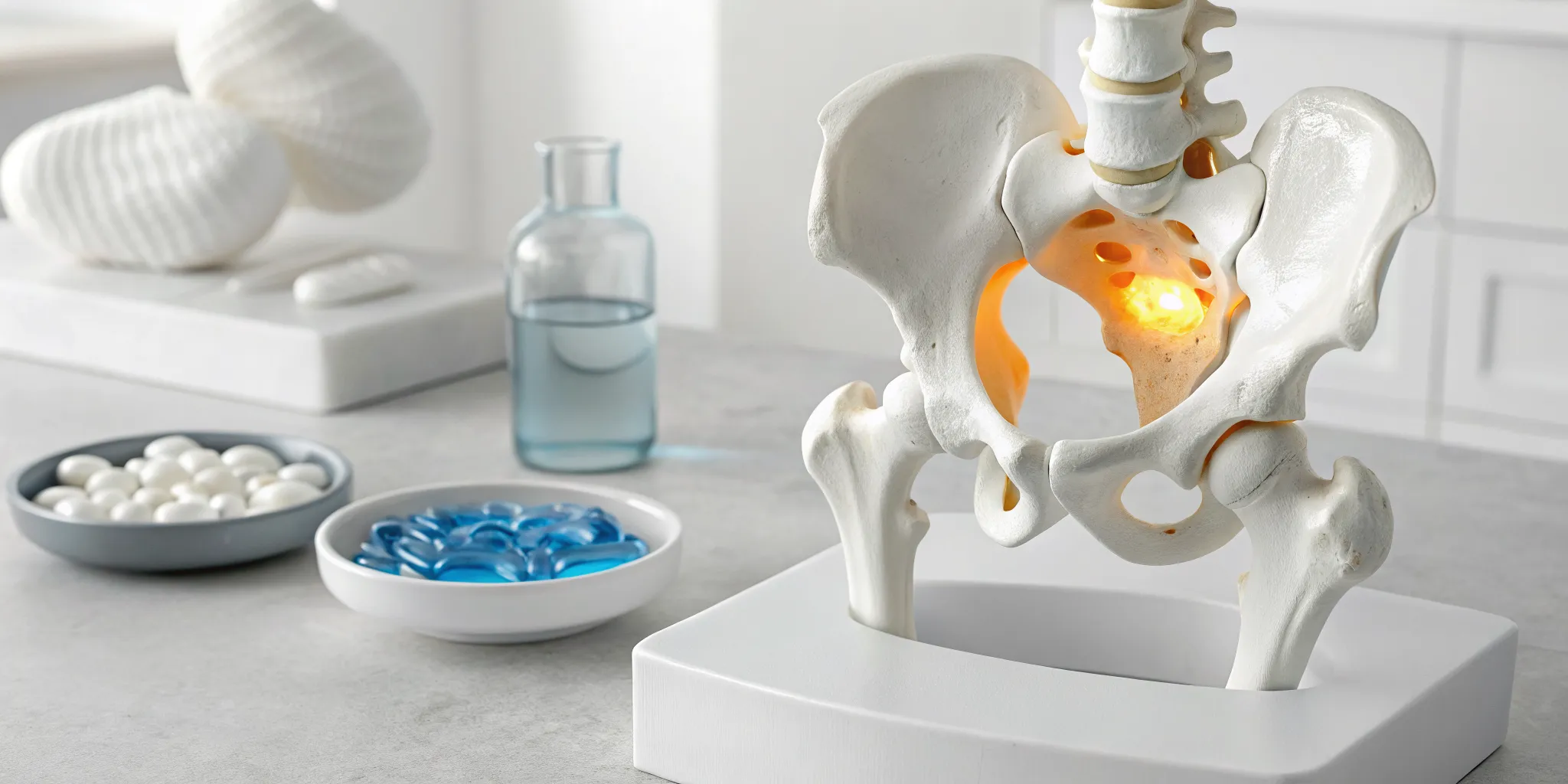
So, what is the best medicine for pelvic pain? The honest answer is: it depends. There isn’t one single pill that works for everyone because the causes of pelvic pain are incredibly varied. Your discomfort could be coming from tense pelvic floor muscles, a hormonal imbalance like endometriosis, an underlying infection, or even over-sensitized nerves. The most effective treatment is always one that targets the specific source of your problem. Instead of guessing, this article will help you understand the different categories of medication, explaining what they do and which conditions they treat, so you can work with your doctor to identify the right approach for you.
Key Takeaways
- A proper diagnosis is non-negotiable: Since pelvic pain can come from your reproductive, urinary, or muscular systems, identifying the specific cause is the only way to find a treatment that provides lasting relief.
- Combine treatments for better results: The most effective plans often pair medication with other strategies like pelvic floor physical therapy, stress management, or hormonal therapies to address your pain from all angles.
- Partner with your doctor for a personalized plan: You are the expert on your body, so prepare for your appointment by tracking your symptoms and triggers to help create a treatment strategy tailored specifically to you.
What Causes Pelvic Pain?
Trying to figure out the source of pelvic pain can feel like solving a complex puzzle. Because your pelvis houses parts of your reproductive, urinary, and digestive systems, along with a network of muscles and nerves, the discomfort can come from a number of places. Understanding the potential causes is the first step toward finding relief. A proper diagnosis is key, as the most effective pelvic pain treatment targets the specific underlying issue. Let’s look at some of the most common culprits.
Gynecological Conditions
Many sources of pelvic pain are tied to your reproductive health. Conditions like endometriosis, where tissue similar to the uterine lining grows elsewhere, can cause significant pain and inflammation. Other common gynecological causes include uterine fibroids, which are noncancerous growths, ovarian cysts, and pelvic inflammatory disease (PID), an infection of the reproductive organs. These issues often create a persistent, dull ache or sharp, localized pain that can change with your menstrual cycle. Getting a clear diagnosis from a specialist is essential to ensure you’re treating the root cause and not just the symptoms.
Urological Issues
Sometimes, pelvic pain originates from your urinary system. A primary example is Interstitial Cystitis, also known as Bladder Pain Syndrome. This condition creates a feeling of pain and pressure in the bladder area. For many women, the discomfort gets worse as the bladder fills with urine and then feels better for a short time after urinating. Chronic urinary tract infections (UTIs) can also lead to persistent pelvic pain if not fully resolved. If you notice your pain is connected to your bathroom habits, it’s a strong sign that your bladder or urinary tract could be the source of the problem, which can be addressed with treatments like Emsella Incontinence Therapy.
Musculoskeletal Problems
It’s easy to assume pelvic pain comes from an organ, but often the problem lies within your muscles, ligaments, and connective tissues. Your pelvic floor is a group of muscles that supports your pelvic organs, and when these muscles become too tight or go into spasm, they can cause chronic pain. This can happen because of an injury, childbirth, poor posture, or even high levels of stress. The pain might feel like a deep ache or a sharp, stabbing sensation. Pelvic floor dysfunction is a common but often overlooked cause of discomfort, and it requires a different treatment approach than organ-related pain.
Gastrointestinal Triggers
Your digestive system is located right next to your reproductive and urinary organs, so it’s no surprise that problems there can cause pelvic pain. Irritable Bowel Syndrome (IBS) is a frequent trigger, leading to symptoms like cramping, bloating, gas, and pressure that you feel in your lower abdomen and pelvis. The pain can be unpredictable, sometimes flaring up with certain foods or during stressful periods. Other conditions, like chronic constipation, can also put pressure on pelvic nerves and structures, creating a constant, dull ache. If your pain seems to coincide with digestive issues, tracking your food and symptoms can provide valuable clues.
Which Over-the-Counter Medications Can Help?
When pelvic pain strikes, your first instinct might be to reach for something from the medicine cabinet. Over-the-counter (OTC) medications can be a good first line of defense for managing occasional discomfort, especially if you know the cause, like menstrual cramps. These options are accessible and can provide temporary relief by targeting either inflammation or your body’s pain signals.
However, it’s important to understand what these medications can and can’t do. While they can make you more comfortable, they aren’t designed to address the complex, underlying causes of chronic pelvic pain. Think of them as a temporary fix, not a long-term strategy. If you find yourself relying on them regularly or they stop being effective, it’s a signal that your body needs a more targeted approach. A thorough diagnosis is the first step toward finding a lasting pelvic pain treatment plan that works for you.
NSAIDs for Inflammation
NSAIDs, or nonsteroidal anti-inflammatory drugs, are often the go-to for pain linked to inflammation. This category includes familiar names like ibuprofen (Advil, Motrin) and naproxen (Aleve). They work by blocking the production of prostaglandins, which are compounds that cause inflammation and pain in the body. This makes them particularly effective for cyclical pain like menstrual cramps or the discomfort associated with conditions like endometriosis. For the best results, some women find it helpful to start taking NSAIDs a day or two before their period begins. Just remember to take them with food to protect your stomach and always follow the dosage instructions on the label.
Acetaminophen for General Pain
Acetaminophen (Tylenol) is another popular OTC pain reliever, but it works differently than NSAIDs. Instead of targeting inflammation at the source, acetaminophen changes the way your brain perceives pain. This makes it a solid choice for general aches and pains that aren’t necessarily caused by inflammation. It’s also a good alternative if you have a sensitive stomach or can’t take NSAIDs for other health reasons. While it can help take the edge off, it may not be strong enough for more severe or chronic pain. As with any medication, it’s crucial to stick to the recommended dosage to avoid potential liver damage.
When to Use OTC Options
Over-the-counter medications are most effective for acute, predictable pain. If you experience mild to moderate menstrual cramps each month, an NSAID can be a reliable tool to help you get through it. However, if your pelvic pain is constant, severe, or doesn’t respond to these medications, it’s time to look deeper. The evidence for OTC options in managing chronic pelvic pain is not very strong, because they don’t treat the root cause. Using them can feel like turning down the volume on an alarm without checking what triggered it. If pain is disrupting your daily life, consider it a sign to seek expert care for a proper diagnosis.
What Prescription Medications Treat Chronic Pelvic Pain?
When over-the-counter pain relievers don’t provide enough relief, it’s time to talk to your doctor about prescription options. Chronic pelvic pain is complex, and finding the right medication often means identifying the specific source of your discomfort. Is it muscular? Nerve-related? Or caused by an underlying infection? The answer to that question will guide your treatment plan.
Prescription medications work in different ways to target the root cause of pain. Some relax tense muscles, while others change the way your brain processes pain signals. Your doctor will work with you to find a solution tailored to your body and your symptoms. This personalized approach is key to managing chronic pain effectively and improving your quality of life. Exploring these options is a proactive step toward getting the relief you deserve. A comprehensive pelvic pain treatment plan often involves medication alongside other therapies, so it’s important to understand what’s available.
Antispasmodics for Muscle Pain
Sometimes, the source of pelvic pain is the pelvic floor muscles themselves. When these muscles become too tight or go into spasm, it can cause significant, persistent pain. If your doctor determines this is the case, they might prescribe an antispasmodic, also known as a muscle relaxer. Medications like cyclobenzaprine can help these tense muscles relax, providing relief from the constant clenching and discomfort. This approach directly targets the muscular component of your pain, helping to break the cycle of tension and allow your body to heal.
Antidepressants for Nerve-Related Pain
It might sound surprising, but some types of antidepressants are highly effective at treating chronic pain, even in people who aren’t depressed. These medications can influence the chemical messengers in your brain and spinal cord that are involved in pain signaling. By adjusting these neurotransmitters, they can reduce the intensity of pain signals, offering relief from nerve-related discomfort that doesn’t respond to other treatments. This is a common strategy for managing conditions where the nervous system has become over-sensitized, and it can be a game-changer for many women dealing with chronic pelvic pain.
Neuropathic Pain Medications
If your pelvic pain feels like a burning, shooting, or tingling sensation, it might be neuropathic, meaning it originates from the nerves. Standard pain relievers often don’t work well for this type of pain. Instead, doctors may prescribe medications specifically designed to calm overactive nerves, such as gabapentin or pregabalin. These drugs work by interfering with the pain signals that damaged nerves send to your brain. According to the Mayo Clinic, they are a cornerstone of treating chronic nerve pain and can provide significant relief when other options have failed.
Antibiotics for Infections
In some cases, pelvic pain is a direct symptom of an underlying infection, such as a urinary tract infection (UTI) or pelvic inflammatory disease (PID). If your doctor suspects a bacterial infection is the culprit, the first line of defense is a course of antibiotics. These medications work by killing the bacteria causing the infection. Once the infection clears up, the associated pain, inflammation, and discomfort typically resolve as well. It’s a straightforward approach that addresses the root cause, highlighting why a proper diagnosis is so crucial for effective pelvic pain relief.
How Can Hormonal Therapies Manage Pelvic Pain?
If your pelvic pain seems to follow a cyclical pattern or is tied to conditions like endometriosis or fibroids, your hormones are likely playing a leading role. These conditions are often sensitive to hormonal fluctuations, meaning the pain can worsen or improve depending on your menstrual cycle. The good news is that we can use this connection to our advantage. Hormonal therapies are designed to regulate or influence your body’s hormone levels, which can directly address the root cause of this type of pain.
By stabilizing your hormones, these treatments can help slow the growth of painful tissues, reduce inflammation, and lighten heavy periods that contribute to discomfort. Think of it as getting to the source of the problem rather than just managing the symptoms. From birth control to more specialized treatments, there are several ways to restore balance and find lasting relief. Working with a specialist like Dr. Berman can help you identify if a hormonal imbalance is contributing to your pain and which therapeutic approach is the right fit for your body and your health goals.
Bioidentical Hormone Replacement Therapy
When your body’s natural hormone levels are out of sync, it can lead to a host of issues, including pelvic pain. Bioidentical Hormone Replacement Therapy (BHRT) offers a way to restore that balance using hormones that are structurally identical to the ones your body produces. This personalized approach can be particularly effective for pain linked to perimenopause or other hormonal shifts. By replenishing estrogen or progesterone to optimal levels, BHRT can help alleviate symptoms tied to conditions like endometriosis, providing a more natural path to feeling better.
Birth Control for Hormonal Regulation
You might associate birth control with preventing pregnancy, but hormonal contraceptives like pills, patches, and IUDs are also powerful tools for managing pelvic pain. They work by regulating your cycle, which can thin the uterine lining and suppress ovulation. This process often leads to lighter, less painful periods and can be a first-line treatment for the discomfort caused by endometriosis and fibroids. According to NYU Langone Health, this hormonal regulation is a highly effective way to reduce menstrual-related pain and regain control over your monthly cycle.
GnRH Agonists for Endometriosis
For persistent pelvic pain caused by endometriosis, a doctor may recommend Gonadotropin-Releasing Hormone (GnRH) agonists. This therapy works by temporarily placing your body in a menopause-like state. While that might sound intense, it effectively stops ovulation and dramatically reduces estrogen production. This starves endometriosis lesions of the hormone they need to grow, causing them to shrink. As a result, many women experience a significant reduction in pain. It’s a targeted approach that can offer profound relief when other methods haven’t been successful.
Aromatase Inhibitors
Aromatase inhibitors are another option for tackling estrogen-driven pelvic pain, especially from endometriosis. These medications work by blocking an enzyme called aromatase, which is responsible for producing estrogen in the body. By lowering your overall estrogen levels, these inhibitors can help prevent the growth of painful endometrial tissue. They are often used alongside other hormonal therapies to create a comprehensive treatment plan. This approach can be particularly helpful for managing symptoms that haven’t responded to other treatments, as noted by the Mayo Clinic.
How to Talk to Your Doctor About Pelvic Pain
Walking into a doctor’s office to discuss pelvic pain can feel intimidating. It’s a personal and often complex issue, and it’s easy to feel rushed or forget important details once you’re in the exam room. But having an open and productive conversation with your doctor is the most critical step toward finding relief. The key is to go in prepared. When you can clearly articulate your symptoms, history, and concerns, you empower your doctor to provide the best possible care. Think of it as a partnership where you bring the expertise on your body, and your doctor brings the medical knowledge. Together, you can work to uncover the cause of your pain and create a treatment plan that improves your quality of life. Taking the time to organize your thoughts beforehand can transform the appointment from a source of anxiety into a moment of progress.
Prepare Your Symptom Information
Before your appointment, take some time to write down everything you’re experiencing. Be as specific as possible. Don’t just say you have pain; describe what it feels like. Is it sharp, dull, aching, or cramping? Note where you feel it and if it radiates to other areas like your back or legs. It’s also important to share any other symptoms that might seem unrelated, such as bloating, fatigue, pain during intercourse, or changes in your bladder or bowel habits. Having a written list ensures you won’t forget any crucial details. This comprehensive picture is essential for an accurate diagnosis and effective pelvic pain treatment.
Ask About Your Treatment Options
Your appointment is a two-way conversation. You should feel comfortable asking questions to fully understand your situation and the path forward. The primary goal of treatment is to reduce your symptoms and help you get back to feeling like yourself. Don’t hesitate to ask about the different approaches available, including the potential benefits and risks of each. Good questions to ask include: “What are the possible causes of my pain?” “What diagnostic tests do you recommend?” and “What are all of my treatment options?” Understanding the full range of services and therapies can help you make informed decisions about your health.
Review Your Medical History
Your doctor will need a complete picture of your health to understand the context of your pelvic pain. Be ready to discuss your full medical history, not just your gynecological health. This includes any past surgeries, illnesses, pregnancies, and medications you’re taking. It’s also important to be open about your personal history, as life experiences and stress can sometimes manifest as physical pain. While it can be difficult to discuss sensitive topics, providing your doctor with all the relevant information helps them connect the dots and identify potential underlying causes that might otherwise be missed.
Identify Pain Patterns and Triggers
Details about when and how your pain occurs can provide valuable clues. In the weeks leading up to your appointment, consider keeping a simple pain journal. Each day, jot down when you experience pain, rate its severity on a scale of 1 to 10, and describe its character. Note what you were doing when it started. Does it get worse after eating certain foods, during your period, after exercise, or when you feel stressed? Also, track anything that seems to make it better, like rest or a heating pad. This detailed log gives your doctor concrete data to work with, helping them pinpoint patterns and potential triggers related to your sexual and urinary tract health.
How to Find the Right Medication for You
Finding the right medication for pelvic pain isn’t about trying everything and hoping something sticks. It’s a strategic process you’ll work on with your doctor to pinpoint what works best for your body and your life. The goal is to reduce your symptoms and improve your quality of life, so the treatment plan should always be centered around you.
Think of it as a partnership. Your role is to provide clear information about your symptoms, and your doctor’s role is to use that information to identify the underlying cause and recommend the most effective options. This collaborative approach ensures that you’re not just masking the pain but addressing its source. It also means you’ll feel more in control of your health journey. Together, you can explore different avenues, from simple over-the-counter remedies to more specialized prescription treatments, until you find the relief you deserve.
Match the Treatment to the Cause
The most effective medication is one that targets the root cause of your pain. Pelvic pain can stem from many sources, including inflammation, muscle spasms, hormonal imbalances, or nerve issues. A proper diagnosis is the essential first step. For example, if your pain is linked to menstrual cramps and inflammation, NSAIDs like ibuprofen might be a good starting point. If it’s tied to your cycle, hormonal contraceptives could help regulate it. A thorough pelvic pain treatment plan always begins with understanding the “why” behind the pain, ensuring you’re not just treating symptoms but addressing the core problem.
Consider the Severity of Your Symptoms
Your personal experience with pain is a major factor in choosing a medication. Is your pain a dull, constant ache, or is it sharp and intermittent? Does it keep you from daily activities, or is it more of a background nuisance? Be honest with your doctor about how much your symptoms impact your life. The main goal of any treatment is to improve your quality of life. If a specific cause can’t be found, your treatment will focus on managing the pain and other symptoms to a level that allows you to live comfortably and fully.
Evaluate Potential Side Effects
Every medication comes with potential side effects, and it’s important to weigh the pros and cons. A treatment that relieves your pain but causes other uncomfortable symptoms might not be the right long-term solution. For instance, some hormonal therapies can be very effective but may cause mood changes or hot flashes. Discuss all potential side effects with your doctor and consider how they might fit into your lifestyle. Exploring options like Bioidentical Hormone Replacement Therapy can offer a more customized approach, but it’s still crucial to have an open conversation about what to expect.
Start with a Conservative Approach
Doctors often begin with the most conservative treatments first. This might mean starting with over-the-counter medications like ibuprofen or acetaminophen to see if they provide relief. While these options can be helpful for mild or occasional pain, they aren’t always strong enough for chronic conditions. If OTC remedies don’t work, your doctor may then move on to prescription medications or other therapies. This step-by-step method ensures you’re not taking stronger medication than you need and allows your doctor to carefully monitor your progress as you find the most effective, lowest-risk solution for your pain.
What Else Can You Do? Exploring Non-Medication Treatments
Finding relief from pelvic pain isn’t just about medication. A well-rounded approach that includes other therapies can make a significant difference in your daily life and overall well-being. Think of these strategies as powerful tools to add to your toolkit. They can work alongside medical treatments to help you manage symptoms, address root causes, and regain control. From targeted physical therapy to simple lifestyle adjustments, exploring these options can help you build a more comprehensive and effective pelvic pain treatment plan that feels right for you.
Pelvic Floor Physical Therapy
If your pelvic pain is linked to muscle issues, pelvic floor physical therapy can be a game-changer. This specialized therapy focuses on the muscles that support your bladder, bowels, and uterus. A trained physical therapist will work with you to either strengthen weak muscles or relax ones that are too tight, which can be a source of significant discomfort and affect sexual function. It’s an incredibly effective treatment for anyone experiencing painful sex or general pelvic tightness. For a non-invasive way to complement this therapy, treatments like Emsella Incontinence Therapy can also help strengthen these crucial muscles.
Stress Management and CBT
The connection between your mind and body is powerful, especially when dealing with chronic pain. Constant discomfort can understandably lead to stress, anxiety, and a lower mood, which in turn can make the pain feel worse. This is where strategies like Cognitive Behavioral Therapy (CBT) come in. CBT is a form of therapy that helps you identify and change negative thought patterns related to your pain. A therapist can teach you coping mechanisms to reduce pain and anxiety, helping you feel more in control and improving your quality of life and relationships.
Acupuncture and Relaxation
Sometimes, looking beyond conventional medicine can provide surprising relief. Acupuncture, a practice rooted in traditional Chinese medicine, may help by stimulating your body’s natural painkillers. Many women find it to be a safe and effective way to manage their symptoms. You can also incorporate simple relaxation techniques into your daily routine. Practices like meditation, yoga, and deep breathing exercises can help release muscle tension, calm your nervous system, and reduce stress. According to the Mayo Clinic, these methods can also lead to better sleep, which is essential for healing.
Lifestyle and Diet Changes
Never underestimate the impact of your daily habits on pelvic health. Simple adjustments can add up to significant improvements. Focusing on good posture, staying active with gentle exercise, and maintaining a healthy weight can all help reduce strain on your pelvic region. It’s also important to stay well-hydrated, as this supports overall muscle and organ function. While chronic pain can make exercise and daily activities feel challenging, finding a gentle routine you enjoy can break the cycle of pain and stress. These foundational habits support any medical treatments you’re receiving and empower you to take an active role in your health journey.
Create Your Comprehensive Treatment Plan
Finding the right medication is a huge step, but managing chronic pelvic pain often requires more than just a prescription. True, long-term relief comes from building a holistic plan that addresses your unique symptoms, lifestyle, and health goals. Think of it as creating a personalized toolkit for your well-being. Working closely with your doctor, you can combine different strategies to not only manage pain but also improve your overall quality of life. This comprehensive approach ensures you’re treating the whole picture, not just a single symptom.
Combine Medication with Other Therapies
Medication can be incredibly effective, but it often works best as part of a team. Combining your prescribed treatment with other therapies can address the root causes of your pain from multiple angles. For many women, a multidisciplinary approach that includes pelvic floor physical therapy is a game-changer. This specialized therapy helps relax and strengthen the muscles contributing to your discomfort. Additionally, lifestyle adjustments, stress management techniques, and counseling can provide powerful support, helping your body and mind work together toward healing.
Set Realistic Goals and Track Your Progress
When you’re dealing with chronic pain, progress isn’t always linear, and that’s okay. Setting small, realistic goals can make the process feel more manageable. Instead of aiming to be completely pain-free overnight, focus on improving your ability to function in daily life. Maybe your goal is to sit through a movie comfortably or take a walk without significant pain. Keeping a simple symptom journal can help you and your doctor track your progress effectively. Note your pain levels, what makes them better or worse, and how your treatments are affecting you. This information is invaluable for fine-tuning your plan.
Know When to Consider Other Interventions
If your initial treatment plan isn’t providing enough relief, don’t lose hope. It may simply be time to consider other interventions. Your treatment should be tailored to your specific diagnosis, and if a clear cause is found, the focus will shift to addressing it directly. For some conditions, this might involve minimally invasive procedures designed to target the source of the pain. Treatments like Votiva can address issues like vaginal laxity or tissue damage that contribute to discomfort. Always maintain an open dialogue with your doctor about what’s working and what isn’t so you can explore all available options.
Develop a Long-Term Management Strategy
Chronic pelvic pain requires a sustainable, long-term management strategy. The goal is to create a routine that helps you maintain your progress and handle flare-ups when they occur. This strategy should be built around what works for you, incorporating a mix of medical treatments, physical therapy, and self-care practices. Pelvic physical therapy, for example, can teach you exercises and techniques to manage muscle-related pain for years to come. By working with an expert who understands the complexities of women’s health, you can develop a durable plan that supports your well-being far into the future.
Related Articles
- 7 Treatments for Sudden Stabbing Pelvic Pain
- The Use of Physical Therapy in Treatment for Endometriosis | Dr. Jennifer Berman MD
- Endometriosis Awareness: Insights and Treatments
Frequently Asked Questions
How do I know if my pelvic pain is serious enough to see a doctor? A good rule of thumb is to seek professional care if the pain is disrupting your daily life. If you find yourself regularly canceling plans, missing work, or avoiding activities you enjoy because of discomfort, it’s time to get it checked out. You should also see a doctor if over-the-counter medications aren’t helping, if the pain is severe, or if it’s accompanied by other concerning symptoms like fever or unusual bleeding.
Can my diet or lifestyle really affect my pelvic pain? Yes, absolutely. For some people, certain foods can trigger inflammation or digestive issues like bloating and constipation, which puts pressure on the pelvic region and can worsen pain. Similarly, high levels of stress can cause your pelvic floor muscles to tense up without you even realizing it. Making small, consistent changes like identifying food triggers, staying hydrated, and incorporating gentle movement can be a powerful part of your overall management plan.
Is it normal for pelvic pain to get worse during my period? Many women experience this. If your pain follows a predictable pattern with your menstrual cycle, it often points to a hormonal or gynecological cause, such as endometriosis or uterine fibroids. These conditions are sensitive to the hormonal shifts that happen during your cycle, which can increase inflammation and discomfort. Tracking your symptoms throughout the month can provide valuable clues for your doctor.
My doctor suggested physical therapy for pelvic pain. What does that involve? Pelvic floor physical therapy is a specialized treatment that focuses on the muscles supporting your pelvic organs. It’s not like therapy for a knee injury. A trained therapist will work with you to identify if your pelvic muscles are too tight or too weak. The sessions often include gentle exercises, relaxation techniques, and hands-on therapy to release tension and improve muscle function, which can provide significant relief from pain.
I’ve tried a few treatments without success. What should I do next? It can be discouraging when the first few attempts don’t bring relief, but please don’t give up. Chronic pelvic pain is complex, and finding the right solution often takes time and a bit of detective work. The next step is to have an open conversation with your doctor about what you’ve tried and how it made you feel. This may be a sign that it’s time to explore different types of medication, combine treatments, or consider other interventions.