

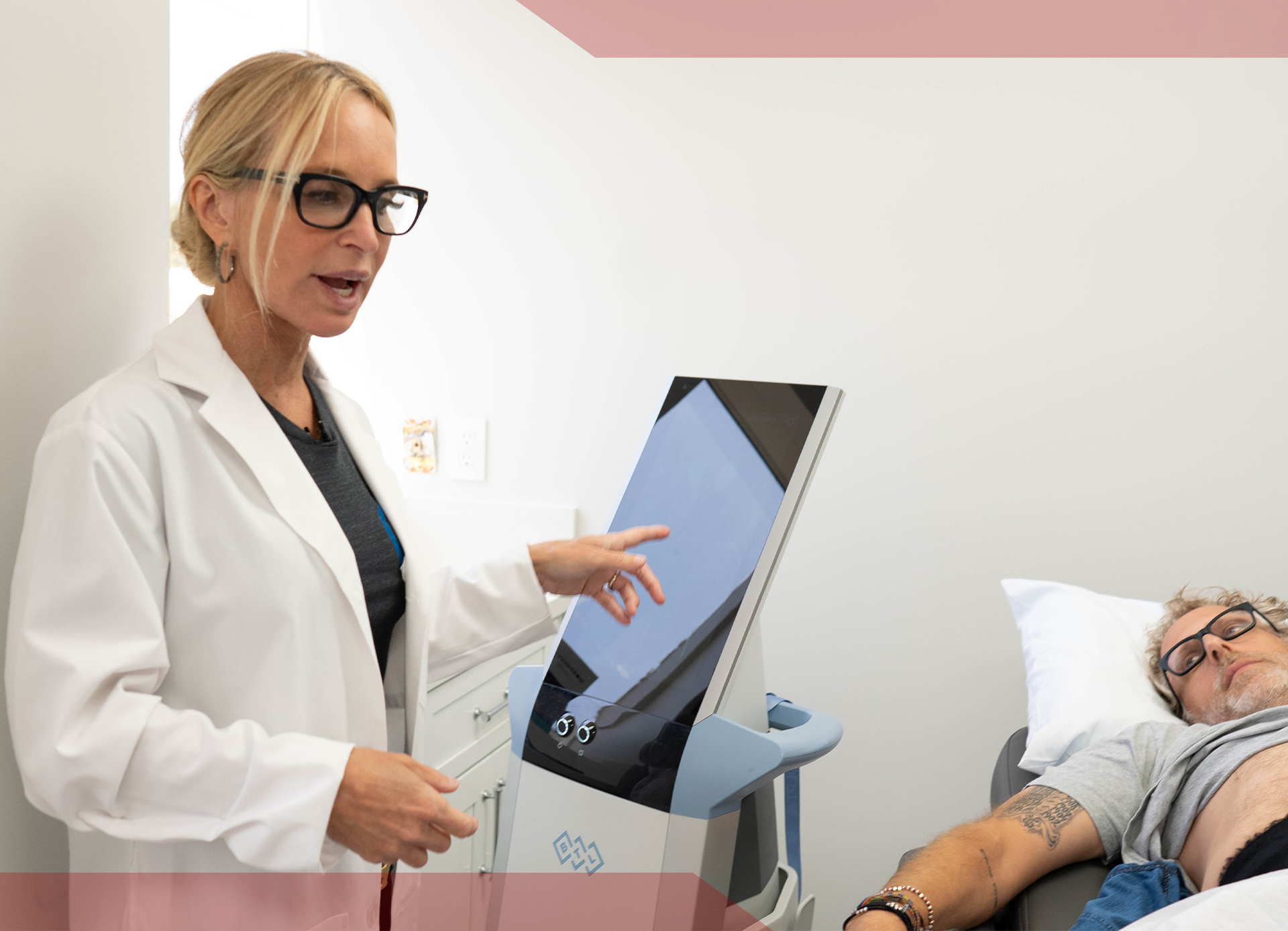
Struggles with sexual dysfunction, like erectile dysfunction, can impact your confidence and intimacy. But you’re not alone, and there are real solutions. As a leading authority in sexual medicine, Dr. Jennifer Berman understands the complex mix of physical and emotional factors involved. She explains that issues often stem from hormonal imbalances or psychological stress. This is why finding effective male performance anxiety solutions requires a holistic approach. Dr. Jennifer Berman emphasizes that open communication and specialized care are key to overcoming these challenges and rebuilding intimacy.
Meet Dr. Jennifer Berman: A Pioneer in Women’s Health
When it comes to women’s health, especially in areas as personal as sexual wellness and menopause, having a true specialist in your corner is everything. Dr. Jennifer Berman is a nationally recognized urologist and an authority in female sexual medicine. She has dedicated her entire career to this field, creating a space where women can openly discuss their concerns and receive expert, compassionate care. Her work is built on the belief that every woman deserves to feel vibrant, confident, and in control of her health, and she has been a driving force in changing the conversation around topics that were once considered taboo.
Dr. Berman isn’t just a physician; she’s a trailblazer who has consistently pushed for greater understanding and better solutions in women’s health. From her early academic work to her current private practice, she has helped countless women navigate the complexities of hormonal changes, sexual dysfunction, and the physical and emotional shifts that come with different life stages. By combining medical expertise with a genuine understanding of the female experience, she provides care that is both scientifically advanced and deeply personal. You can learn more about her unique journey and philosophy by reading about Dr. Berman and her commitment to patient empowerment.
Education and Credentials
Dr. Berman’s expertise is rooted in a strong medical foundation as a urologist specializing in female sexual health. This specialization is crucial because it means she possesses an in-depth understanding of the anatomy, physiology, and intricate systems that govern female wellness. Her credentials are not just a formality; they represent years of rigorous training and a focused dedication to a specific, often underserved, area of medicine. This background allows her to diagnose and treat conditions with a level of precision and insight that is essential for achieving real, lasting results for her patients in the Beverly Hills area.
A Career Dedicated to Female Urology and Sexual Medicine
Long before conversations about female sexual health became mainstream, Dr. Berman was laying the groundwork for the field. Her career includes a significant tenure as an assistant professor of urology at UCLA, where she was instrumental in educating the next generation of physicians. It was there that she took a monumental step forward for women’s medicine. Her commitment to advancing this specialty is reflected in the comprehensive services she offers today, which are a direct result of her lifelong dedication to research, innovation, and patient care.
Founding the Female Sexual Medicine Center at UCLA
In 2001, Dr. Berman co-founded the Female Sexual Medicine Center at UCLA and served as its first director. This was a landmark achievement, as it was one of the first institutions of its kind dedicated exclusively to addressing female sexual health issues from a clinical and academic perspective. The center’s creation validated female sexual medicine as a critical field of study and provided a much-needed resource for patients. While the center closed in 2005, its establishment marked a pivotal moment in the history of women’s healthcare, cementing Dr. Berman’s legacy as a true pioneer.
Dr. Berman’s “Whole-Woman” Approach to Wellness
Dr. Berman’s practice is guided by a “whole-woman” philosophy, which recognizes that a woman’s well-being is a complex interplay of physical, emotional, and aesthetic factors. This approach moves beyond treating isolated symptoms and instead focuses on understanding the complete picture of your health. She knows that issues like hormonal imbalances don’t just cause physical discomfort; they can affect your mood, your energy levels, your relationships, and your self-confidence. Her goal is to see you as a whole person, listening to all your concerns to create a truly integrated and effective treatment plan.
This holistic perspective means that your journey to wellness is collaborative and comprehensive. Dr. Berman looks at how different aspects of your life are connected, from your hormonal profile to your intimate relationships and personal goals. For example, addressing sexual and urinary tract health might involve not only medical treatments but also discussions about lifestyle and emotional well-being. This ensures that the care you receive is not just a temporary fix but a sustainable strategy designed to restore balance, improve intimacy, and help you feel your best at every stage of life.
Connecting Physical, Emotional, and Aesthetic Health
The “whole-woman” approach comes to life in the way Dr. Berman connects the dots between how you feel physically, emotionally, and aesthetically. For instance, the hormonal fluctuations of menopause can lead to physical symptoms like vaginal dryness or weight gain, which in turn can impact your libido and self-esteem. Rather than addressing each issue separately, Dr. Berman utilizes treatments that acknowledge this connection. Solutions like Bioidentical Hormone Replacement Therapy can help restore physical balance, which often leads to improved mood, renewed energy, and a greater sense of confidence, demonstrating how interconnected these elements truly are.
What Are the Most Common Male Sexual Health Issues?
Men’s sexual health covers a range of common issues, including erectile dysfunction, hormonal imbalances, and changes in sexual desire.
Erectile dysfunction (ED) is a prevalent problem that can greatly impact intimacy and self-confidence. It is characterized by the inability to achieve or sustain an erection suitable for intercourse.
Hormonal imbalances, especially involving testosterone, can also play a vital role in men’s sexual health, contributing to reduced libido and erectile difficulties.
Urologists specializing in sexual medicine are skilled at diagnosing and treating these conditions. Various treatment options for ED are available, including medications such as phosphodiesterase inhibitors, which improve erectile response.
Besides drug interventions, therapy can address underlying psychological factors, while lifestyle changes like better diet, exercise, and smoking cessation can also be helpful.
Hormonal imbalances may need specific treatments, such as hormone replacement therapy, to restore balance and enhance sexual function.
An empathetic and thorough approach by healthcare providers ensures that men receive personalized care tailored to their individual needs. Consultation with a qualified urologist is essential for developing an effective treatment plan that covers both medical and lifestyle interventions, ultimately improving men’s sexual health and overall well-being.
Low Libido and Desire
When a partner experiences low sexual desire, it can feel isolating, but it’s important to remember that this affects women just as frequently. A dip in libido can stem from many sources, including stress, relationship dynamics, and significant hormonal shifts, especially during perimenopause and menopause. Research shows that hormonal imbalances are a major factor affecting desire. For women, fluctuations in estrogen and testosterone can dramatically change their interest in sex. Addressing these underlying causes is the first step toward rediscovering intimacy. Exploring a personalized treatment for low libido can help you understand the root of the issue and find a solution that restores both your desire and your confidence.
Vaginal Dryness and Discomfort
Intimacy should be about connection and pleasure, not pain. Yet, for many women, vaginal dryness turns what should be an enjoyable experience into one filled with discomfort. This is often a direct result of hormonal changes, where declining estrogen levels lead to thinner, less elastic, and drier vaginal tissues. While it’s a hallmark of menopause, it can happen at any age. This physical discomfort can understandably lead to avoiding intimacy, creating emotional distance in a relationship. The good news is you don’t have to settle for temporary fixes. Advanced options in vaginal rejuvenation can provide lasting relief by restoring moisture and tissue health from the inside out.
Urinary Incontinence
Urinary incontinence is more than just a physical nuisance; it can quietly erode your confidence and affect your desire for intimacy. The fear of leakage during sex is a real concern that can cause women to pull away from their partners. Studies have shown that factors contributing to pelvic health issues can also be linked to a decrease in libido, creating a cycle of physical and emotional challenges. Whether it’s caused by childbirth, aging, or hormonal changes, a weak pelvic floor is often the culprit. Fortunately, you don’t have to accept it as your new normal. Modern, non-invasive treatments like Emsella Incontinence Therapy can strengthen your pelvic floor muscles, giving you back control and peace of mind.
What Exactly Is Erectile Dysfunction (ED)?

Erectile dysfunction (ED) is a complex condition that can greatly impact a man’s quality of life, encompassing both physiological and psychological dimensions. It is characterized by the inability to achieve or maintain a firm erection sufficient for sexual intercourse. This condition can stem from various causes, including hormonal imbalances, cardiovascular issues, and psychological factors such as stress and anxiety.
Understanding the emotional impacts of erectile dysfunction is vital. Open communication between partners can alleviate feelings of isolation and frustration, fostering a supportive environment. Partner support is essential, as it helps address the emotional toll ED can take on relationships. Counseling may also be beneficial, offering both individuals tools to navigate the challenges posed by ED.
Urologists specializing in sexual medicine play a pivotal role in diagnosing and managing erectile dysfunction. They can recommend a range of treatment options tailored to the individual’s needs, including medications, lifestyle changes, and sometimes surgical interventions. Addressing potential hormonal imbalances through thorough medical checkups can also be a fundamental component of effective treatment.
Exploring non-sexual intimacy activities and maintaining open communication can further strengthen the connection between partners, helping them navigate the complexities of erectile dysfunction together.
When Is It Time to See a Specialist?

Addressing erectile dysfunction thoroughly often requires seeking specialized medical help from urologists who focus on sexual medicine. These professionals are equipped to conduct thorough evaluations and offer tailored treatment plans for men experiencing various forms of sexual dysfunction. Treatment options may include medication, therapy, or lifestyle modifications, depending on individual needs.
A typical approach to evaluating and managing sexual dysfunction involves several key steps:
Step | Description | Outcome |
Initial Consultation | Detailed medical history and physical examination| Identifies underlying causes |
Diagnostic Testing | Blood tests, hormonal panels | Detects potential hormonal imbalances |
Personalized Plan | Custom treatment options, including medication | Addresses specific medical needs |
Follow-up visits | Regular monitoring and plan adjustments | Ensures treatment effectiveness |
Support Services | Psychological therapy, counseling | Addresses emotional and relational aspects
During the initial consultation, urologists conduct a detailed medical history and physical examination to identify potential underlying causes. Diagnostic testing, including blood tests and hormonal panels, may be requested to pinpoint any hormonal imbalances contributing to the dysfunction. Based on these findings, a personalized treatment plan is developed, which may include medication, therapy, or lifestyle changes. Regular follow-up visits are essential for monitoring progress and making necessary adjustments to achieve the best possible outcomes. Support services, including psychological therapy and counseling, play an important role in addressing the emotional and relational aspects of sexual dysfunction.
Could Hormones Be the Cause? What to Test For
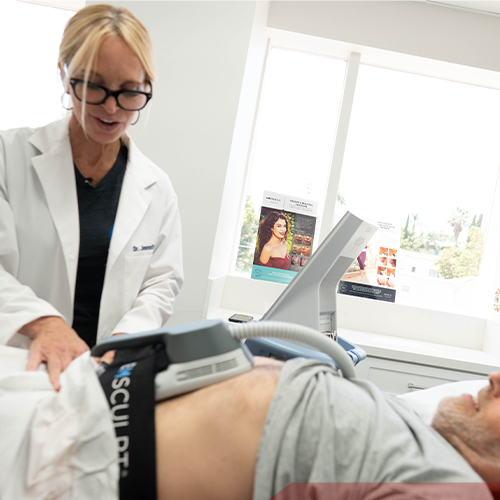
The role of hormonal factors is crucial in diagnosing and treating sexual dysfunction in men. Hormones, particularly testosterone, greatly influence men’s sexual health. Low testosterone levels can lead to various issues, including low libido and erectile dysfunction, which are common forms of sexual dysfunction. Therefore, evaluating hormonal factors becomes a crucial step in identifying the root causes of these problems.
Hormonal testing is an essential diagnostic tool in this context. By examining testosterone levels and other relevant hormones, healthcare providers can uncover imbalances that may be contributing to sexual dysfunction. This testing provides a clearer picture of a man’s hormonal health and guides appropriate treatment strategies.
Treatment for hormonal imbalances can vary but often includes hormone replacement therapy or other medical interventions aimed at restoring normal hormone levels. Addressing these hormonal factors can greatly improve sexual function and overall well-being.
Incorporating hormonal testing into the diagnostic process ensures a thorough approach to men’s sexual health. Understanding and treating these hormonal influences is not only beneficial for sexual function but also enhances a man’s quality of life, highlighting the importance of a detailed and compassionate medical evaluation.
The Importance of Estrogen and Testosterone for Women
It’s a common myth that testosterone is a “male-only” hormone. The truth is, it’s the most abundant sex hormone in a woman’s body throughout her life. Think of estrogen and testosterone as a team; your body needs the right balance of both for everything from proper ovarian function to a healthy metabolism. This hormonal harmony is key not just for sexual desire, but also for maintaining your energy levels, mood, and even mental clarity. When this balance is thrown off, particularly during perimenopause and menopause, you might experience symptoms like persistent fatigue or a frustrating drop in libido. Learning about the role of testosterone for women is a powerful first step toward addressing these concerns and reclaiming your vitality.
Addressing Male Performance Anxiety and Other Emotional Hurdles

Factors play a significant role in men’s sexual health, and the emotional impact of sexual dysfunction must also be considered for a thorough understanding of its effects. Sexual dysfunction can lead to feelings of inadequacy, frustration, and low self-esteem, not only for men but also for their partners.
Women experiencing female sexual dysfunction often face similar emotional struggles, highlighting the need for empathy and effective communication in relationships.
Understanding the emotional ramifications of sexual dysfunction can help in developing inclusive treatment plans. The emotional impact includes:
Feelings of inadequacy: Men may feel they are failing to meet their partner’s expectations, leading to significant emotional distress.
Frustration and low self-esteem: Persistent sexual difficulties can erode self-confidence and lead to a negative self-image.
Emotional strain on partners: Women and other partners may feel neglected or blame themselves, exacerbating relationship stress.
Counseling and therapy serve as pivotal resources in addressing these emotional challenges. Open communication between partners fosters mutual understanding and alleviates emotional burdens. Through professional counseling, couples can learn effective strategies to manage the emotional impact of sexual dysfunction, ensuring both partners feel supported and understood.
This holistic approach not only aids in resolving sexual issues but also strengthens the emotional bonds within the relationship.
How to Talk to Your Partner About It

Communication with your partner is essential in managing and overcoming the challenges associated with men’s sexual dysfunction. Open and honest dialogue about concerns, desires, and expectations can greatly aid in maneuvering the complexities that arise from sexual dysfunction. By fostering an environment where both partners feel safe and supported, couples can strengthen their bond and work collaboratively towards finding solutions.
Discussing sexual dysfunction openly helps in reducing the stigma and embarrassment that often accompanies these issues. Men should feel encouraged to express their concerns without fear of judgment, and partners should listen empathetically. This two-way communication not only enhances mutual understanding but also facilitates a more intimate connection, which is vital for a healthy relationship.
Moreover, addressing sexual dysfunction through open communication can help set realistic expectations and create a shared vision for the future. When both partners are aware of each other’s needs and desires, they can better support one another emotionally and physically. In turn, this mutual support fosters a positive cycle of intimacy and trust, which can be instrumental in overcoming the challenges of sexual dysfunction.
Dr. Jennifer Berman on Effective Treatment Options
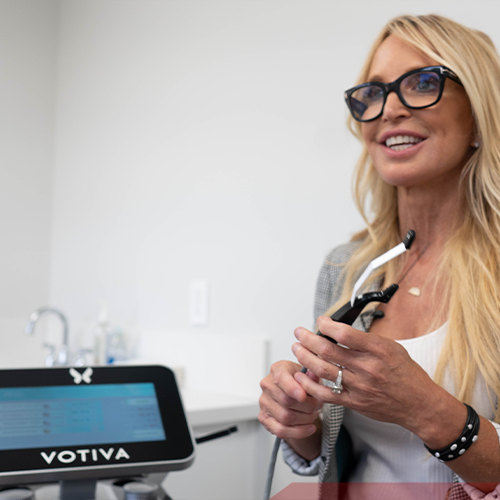
Exploring the array of treatment options available for men’s sexual dysfunction is necessary for identifying the most effective approach tailored to individual needs. Medical intervention can range from pharmacological solutions to surgical procedures, each addressing the psychological and physiological aspects of sexual health.
Medications: Drugs like Viagra or Cialis can enhance erectile function, offering a solution for men experiencing erectile dysfunction.
Therapy: Psychological counseling can be instrumental in resolving underlying emotional issues, such as unresolved sexual trauma or stress, that contribute to sexual dysfunction.
Surgery: Penile implants may be recommended for severe cases that do not respond to other treatment modalities.
Hormonal treatments, such as testosterone replacement therapy, are essential for men with low testosterone levels, providing a medical intervention aimed at restoring sexual function. This holistic approach mirrors the management of female sexual function, where women with sexual arousal disorder may also benefit from a combination of hormonal and therapeutic strategies.
Understanding the interplay between psychological and physiological factors is important. Just as women’s sexuality is influenced by a complex array of factors, men’s sexual health requires a nuanced and detailed approach. By addressing both the emotional and physical aspects, we can develop effective, individualized treatment plans that improve overall sexual well-being.
Hormone Replacement Therapies
As we move through different life stages, from perimenopause to post-menopause, our hormone levels naturally fluctuate. These shifts can bring on a host of unwelcome changes, including fatigue, mood swings, and a noticeable dip in sexual desire. When hormonal imbalances occur, they can directly impact our sexual function and overall quality of life. Fortunately, you don’t just have to live with it. Hormone replacement therapy is a well-established treatment designed to restore your body’s natural equilibrium. By replenishing the hormones your body is no longer producing in sufficient amounts, these therapies can help you feel more like yourself again, revitalizing your energy and sexual vitality.
Bioidentical Hormone Replacement Therapy (BHRT)
If you’re looking for a hormone therapy that works in harmony with your body, Bioidentical Hormone Replacement Therapy (BHRT) is an excellent option to consider. Unlike synthetic hormones, bioidentical hormones are derived from plant sources and are designed to be structurally identical to the ones your body produces naturally. This molecular match allows them to function just as your own hormones would. Dr. Berman uses BHRT to create a personalized treatment plan that addresses your specific hormonal deficiencies, helping to restore balance and alleviate symptoms like low libido, brain fog, and hot flashes. It’s a tailored approach aimed at restoring your normal hormone levels so you can feel your best.
Vaginal Rejuvenation and Sexual Health Treatments
Life events like childbirth and menopause can bring about changes to our vaginal health, leading to issues like laxity, dryness, and decreased sensation. These changes are common, but they can affect our confidence and sexual satisfaction. Vaginal rejuvenation includes a range of non-surgical treatments designed to restore the tone, function, and appearance of vaginal tissues. At our practice, we understand that every woman’s body and experience is unique. That’s why Dr. Berman provides personalized care, creating a unique treatment plan for each patient. These innovative procedures can help improve natural lubrication, tighten the vaginal canal, and enhance sexual pleasure, empowering you to feel comfortable and confident.
The O-Shot® and G-Shot®
For women looking to amplify their sexual response and satisfaction, the O-Shot® and G-Shot® are game-changing treatments. The O-Shot®, or Orgasm Shot®, uses platelet-rich plasma (PRP) from your own blood to rejuvenate vaginal and clitoral tissue, which can lead to stronger, more frequent orgasms and increased arousal. Similarly, the G-Shot® is designed to enhance the sensitivity of the G-spot, making it easier to achieve vaginal orgasms. Both are quick, minimally invasive procedures performed right in the office. They are specifically designed to enhance sexual pleasure and can be a powerful tool for women seeking to reclaim or discover a more fulfilling sex life.
Forma V and Morpheus 8-V
When it comes to non-surgical vaginal rejuvenation, advanced technologies like Forma V and Morpheus 8-V offer remarkable results without the downtime of surgery. Forma V uses gentle, deep-heating radiofrequency technology to stimulate collagen production and improve blood flow, which helps tighten the vaginal canal and improve tissue elasticity. For more comprehensive remodeling, Morpheus 8-V combines radiofrequency with microneedling to address both internal and external tissues. This treatment is excellent for non-surgical body sculpting and skin tightening, effectively treating concerns like laxity and improving the overall texture and tone of the vaginal area. Both are comfortable, in-office procedures that can help restore a more youthful feel and function.
Solutions for Urinary Incontinence
Urinary incontinence, or the involuntary leakage of urine, is an incredibly common issue that affects millions of women, especially after childbirth or during menopause. Whether it’s a little leak when you laugh, sneeze, or exercise, it can be frustrating and limit your daily activities. Many women believe it’s just a normal part of aging they have to accept, but that simply isn’t true. Most cases of incontinence are related to a weakening of the pelvic floor muscles. The great news is that there are effective, non-invasive pelvic floor treatments available that can strengthen these crucial muscles, giving you back control and confidence without requiring surgery or medication.
Emsella Incontinence Therapy
Imagine strengthening your entire pelvic floor without having to do a single Kegel. That’s exactly what Emsella Incontinence Therapy offers. This breakthrough, non-invasive treatment involves sitting fully clothed on a special chair that uses high-intensity focused electromagnetic (HIFEM) technology to stimulate thousands of powerful muscle contractions. A single session provides the equivalent of over 11,000 Kegel exercises, effectively re-educating and strengthening your pelvic floor muscles. Emsella is an FDA-cleared treatment for both stress and urge incontinence, helping you regain bladder control and say goodbye to leaks in a comfortable, effortless way.
Simple Lifestyle Changes That Make a Big Difference

Specific lifestyle changes can greatly improve men’s sexual health and overall well-being. Regular exercise and a healthy diet play crucial roles in enhancing blood flow, which is essential for addressing erectile dysfunction.
Aerobic activities, such as walking, running, or swimming, increase cardiovascular health, thereby improving circulation. A diet rich in fruits, vegetables, whole grains, and lean proteins supports vascular health and contributes to optimal sexual function.
Smoking cessation is another vital factor. Smoking can damage blood vessels and restrict blood flow, exacerbating erectile dysfunction. Quitting smoking can significantly enhance vascular health and sexual performance.
Similarly, alcohol moderation is important; excessive alcohol intake can impair sexual function and reduce libido. Stress management is also significantly important, as chronic stress and anxiety can negatively impact sexual health.
Techniques such as mindfulness meditation, yoga, and deep-breathing exercises can help reduce stress levels, improve mental health, and enhance sexual performance.
Additionally, adequate sleep and maintaining a healthy weight are crucial for overall sexual health. Poor sleep and obesity can lead to hormonal imbalances and reduced libido. Consulting with a healthcare provider for personalized recommendations on lifestyle modifications can provide tailored strategies to address individual needs effectively.
How to Be a Supportive Partner Through Treatment

Unwavering support to a partner undergoing treatment for erectile dysfunction is necessary for fostering a positive and conducive environment for recovery. This support can significantly impact the effectiveness of the treatment and the emotional well-being of both partners.
Encourage professional help: Assist your partner in seeking a urologist specializing in sexual medicine for a thorough evaluation.
Attend appointments together: Participate in doctor’s appointments to demonstrate solidarity and to understand the medical advice and treatment plans.
Foster open communication: Maintain open dialogue about feelings and concerns to mitigate emotional distress and enhance intimacy.
One key aspect of support involves encouraging your partner to undergo a hormonal panel during the urologist visit. This assessment can identify any hormonal imbalances contributing to erectile dysfunction, allowing for a more tailored treatment approach.
By accompanying your partner to these appointments, you show empathy and commitment, which is vital for their emotional health.
Additionally, explore alternative sexual activities that do not rely on erections to maintain intimacy. This approach helps sustain connection and alleviate feelings of inadequacy.
Prioritizing emotional support, patience, and understanding fortifies the relationship, creating a nurturing environment for recovery.
Frequently Asked Questions
How Does Diet Influence Men’s Sexual Health?
Diet greatly influences men’s sexual health. Proper nutrition impacts male fertility, boosts libido, and supports sexual function. Adopting healthy eating habits and maintaining balanced nutrient intake through a balanced diet are essential for best sexual health.
Can Mental Health Impact Sexual Performance in Men?
Mental health greatly impacts men’s sexual performance. Effective stress management, anxiety reduction, and therapy options can alleviate performance anxiety. Medication effects, self-care practices, communication skills, and relationship dynamics are vital components in addressing sexual dysfunction.
Are There Preventive Measures for Sexual Dysfunction?
Exploring the theory that lifestyle changes and stress management can prevent sexual dysfunction reveals its truth. Emphasizing relationship support, communication skills, healthy habits, regular check-ups, and educational resources can further mitigate performance anxiety, fostering overall sexual health.
How Does Aging Affect Men’s Sexual Health?
Aging impacts men’s sexual health through hormonal changes, reduced testosterone levels, and decreased erectile function. Additionally, factors such as cardiovascular and prostate health, medication side effects, stress management, and communication skills further influence sexual well-being.
What Role Does Physical Exercise Play in Managing Sexual Dysfunction?
Physical exercise benefits men’s sexual dysfunction by improving cardiovascular health, muscle strength, and blood circulation. It enhances endurance levels, reduces performance anxiety and stress, and supports hormone balance, contributing to overall sexual health and function.
A Trusted Voice in Health Media
Beyond her clinical practice, Dr. Jennifer Berman has dedicated a significant part of her career to public education, becoming one of the most recognized and respected medical experts in the media. She has a unique talent for discussing sensitive and often complex health topics, like menopause and sexual wellness, with clarity, compassion, and authority. Her goal has always been to demystify women’s health, breaking down stigmas and empowering women with the knowledge they need to take control of their well-being. By bringing these conversations into the mainstream, she has helped countless individuals feel seen, heard, and understood in their health journeys.
Dr. Berman’s presence in the media provides a crucial source of reliable, evidence-based information in a world filled with health fads and misinformation. She translates intricate medical concepts into actionable advice that resonates with women from all walks of life. Whether she is explaining the science behind hormonal changes or offering practical tips for improving intimacy, her guidance is always rooted in her extensive medical expertise and a genuine desire to help women live healthier, more fulfilling lives. This commitment to education is a core part of her identity as a physician and a key reason so many people trust her with their health.
Co-Host of The Doctors and Other TV Appearances
Many people recognize Dr. Berman from her role as a co-host on the Emmy Award-winning talk show, The Doctors. On this national platform, she shared her expertise on a wide range of topics, with a special focus on female sexual health and wellness. Before that, she and her sister, Laura Berman, hosted their own show, Berman and Berman, on Discovery Health. Dr. Berman has also been a featured expert on numerous major television programs, including The Oprah Winfrey Show, Good Morning America, and The Today Show. Through these appearances, she has consistently provided valuable insights and helped normalize conversations about women’s health issues that were once considered taboo, connecting her expertise with the real-world health concerns women face.
Your Next Steps to Better Sexual Health
intersection of medical, hormonal, and emotional factors in men’s sexual dysfunction underscores the complexity of effective treatment.
Coincidentally, the importance of thorough medical evaluations and open communication with partners cannot be overstated.
Addressing lifestyle changes and exploring various therapeutic options can greatly improve outcomes.
Ultimately, a collaborative approach involving healthcare professionals and partners fosters both physical and emotional well-being, highlighting the multifaceted nature of sexual health management.
Key Takeaways
- True wellness connects mind and body: Lasting solutions for sexual health consider the interplay between your physical symptoms, hormonal balance, and emotional well-being, so it’s important to address all three.
- Modern solutions go beyond temporary fixes: You don’t have to accept issues like incontinence or vaginal dryness; innovative, non-surgical treatments are available to restore function and help you feel like yourself again.
- Specialized care makes all the difference: Working with an expert in female sexual medicine means you get a personalized plan that addresses the root cause of your concerns for long-term results.





Leave A Comment
You must be logged in to post a comment.