


That feeling of brain fog, the sudden anxiety, or the sleepless nights—it’s easy to dismiss these as just signs of stress or a busy life. But what if they’re all connected to the same transition? One of the most persistent menopause myths is that this phase is only about hot flashes. The reality is far more complex. Many women are surprised to learn that a wide range of physical and emotional changes are tied to their shifting hormones. Understanding the full picture is the first step toward finding real relief and feeling like yourself again.
Debunking Common Menopause Myths
Menopause is a natural phase in a woman’s life that marks the end of her menstrual cycles. However, there are many myths surrounding menopause that can cause unnecessary fear and confusion among women. In this subchapter, we will debunk some common menopause myths to help you better understand this transitional period in your life.
Myth #1: Menopause is a disease. Many women believe that menopause is a medical condition that needs to be treated with medication. In reality, menopause is a natural process that every woman goes through as she ages. While menopause can come with some uncomfortable symptoms, it is not a disease and does not require medical intervention in most cases.
Myth #2: Menopause only affects older women. While menopause typically occurs in women in their late 40s to early 50s, it can actually begin as early as the late 30s or early 40s. This period, known as perimenopause, is when hormonal changes begin to occur and can cause symptoms such as irregular periods, hot flashes, and mood swings. It is important for women to be aware of these changes and seek support if needed.
Myth #3: Menopause means the end of your sex life. Many women believe that menopause will lead to a decrease in libido and sexual enjoyment. While hormonal changes can affect your sex drive, it is possible to maintain a healthy and satisfying sex life during and after menopause. Communication with your partner and healthcare provider is key to addressing any issues that may arise.
Myth #4: Hormone replacement therapy (HRT) is the only treatment for menopause symptoms. While HRT can be an effective treatment for some women experiencing severe menopause symptoms, it is not the only option available. Lifestyle changes, such as maintaining a healthy diet, regular exercise, and stress management, can also help alleviate menopause symptoms. Additionally, there are alternative therapies, such as acupuncture and herbal supplements, that can provide relief for some women.
Myth #5: Menopause is the same for every woman. Every woman’s experience with menopause is unique, and symptoms can vary greatly from one individual to another. Some women may breeze through menopause with few symptoms, while others may struggle with severe hot flashes, mood swings, and sleep disturbances. It is important to listen to your body, seek support from healthcare providers and loved ones, and find the best treatment plan that works for you.
Remember, you are not alone in this journey through menopause, and there are resources available to help you navigate this phase of life with confidence and ease.
Menopause Biotype – Get Tailored Relief
I created the Menopause Biotype Test as a genetic test designed to identify how menopause will impact your body, from symptom severity to risks for diseases such as osteoporosis and cardiovascular conditions.What is Menopause, Really? The Timeline and Definitions
The terms “perimenopause” and “menopause” get thrown around a lot, and it’s easy to get them mixed up. Understanding the actual timeline and what these words mean is the first step to feeling more in control of your health. Think of it not as one single event, but as a gradual transition with distinct phases. Knowing where you are in the process helps you understand your body’s signals and find the right support. Let’s clear up the confusion by breaking down the timeline, from the very first hormonal shifts to the official milestone of menopause and the factors that shape your personal journey.
Perimenopause: The Transition Period
Perimenopause is the lengthy runway leading up to menopause. This transitional phase can begin eight to ten years before your final period, often starting in your 40s. During this time, your ovaries gradually slow down, causing levels of the hormone estrogen to fluctuate unpredictably. According to UT Southwestern Medical Center, these hormonal ups and downs are what trigger many of the classic symptoms we associate with menopause, like irregular periods, hot flashes, sleep problems, and mood swings. Because your hormones are in flux, this is an ideal time to discuss your symptoms with a specialist who can offer personalized solutions, such as Bioidentical Hormone Replacement Therapy, to help you feel more balanced.
The Official Definition of Menopause
While perimenopause can feel like a long and winding road, menopause itself is a specific destination. The official clinical definition of menopause is the point in time when you have gone 12 consecutive months without a menstrual period. This milestone confirms that your ovaries have stopped releasing eggs and producing most of their estrogen. Most women reach menopause between the ages of 45 and 55. Once you’ve hit this mark, you are considered postmenopausal for the rest of your life. Many of the symptoms from perimenopause can continue, and new concerns like vaginal dryness may arise, but effective options like vaginal dryness treatment are available to maintain your comfort and sexual health.
Factors That Influence the Onset of Menopause
The average age for menopause is 51, but your personal timeline is influenced by a unique combination of factors. Genetics play a significant role; you’re likely to enter menopause around the same age as your mother did. However, other elements can also affect the timing. As noted by WebMD, lifestyle choices like smoking can cause menopause to start up to two years earlier. Certain medical conditions, such as autoimmune diseases, or treatments like chemotherapy can also lead to an earlier onset. Understanding these influences underscores why a one-size-fits-all approach doesn’t work. A personalized health plan that considers your unique background is key to managing this transition, and there are many services available to support your specific needs.
Separating Fact from Fiction
In the journey through menopause, it is crucial to separate fact from fiction in order to navigate this stage of life with confidence and clarity. As women over the age of 45 experience various hormonal changes, it is important to have accurate information to make informed decisions about their health and well-being. In this subchapter, we will address common myths and misconceptions surrounding menopause and provide you with the facts you need to understand this natural transition.
One common myth about menopause is that it is a disease or a sign of aging. In reality, menopause is a natural process that all women go through as they age. It is not a disease, but rather a normal part of the aging process. Understanding this fact can help women approach menopause with a positive mindset and embrace the changes that come with it. Menopause is not something to be feared, but rather a natural transition that can be managed with the right information and support.
Another misconception about menopause is that it only affects women in their 50s. While the average age of menopause is around 51, some women may experience menopause earlier or later. Menopause can occur in women as early as their 40s or as late as their 60s. It is important for women to be aware of the signs and symptoms of menopause so that they can seek appropriate medical advice and support. By understanding that menopause can happen at different ages, women can better prepare for this stage of life and take steps to manage their symptoms effectively.
One of the most common myths about menopause is that it is always accompanied by severe symptoms such as hot flashes, mood swings, and weight gain. While these symptoms can occur during menopause, not all women will experience them to the same degree. Some women may have mild symptoms that are easily managed, while others may experience more severe symptoms that require medical intervention. It is important for women to be aware of the range of symptoms that can occur during menopause and to seek help if they are struggling to cope with their symptoms. By separating fact from fiction, women can better understand what to expect during menopause and how to manage their symptoms effectively.
In conclusion, separating fact from fiction is essential for women over the age of 45 as they navigate the menopausal transition. By understanding the realities of menopause, women can approach this stage of life with confidence and knowledge. With the right information and support, women can manage their symptoms effectively and embrace the changes that come with menopause. Remember, menopause is a natural process that all women go through, and with the right resources and guidance, women can thrive during this stage of life.
Myth: Menopause Causes Long-Term Memory Loss
That feeling of “brain fog” during perimenopause is real, and it can be unsettling. You might find yourself searching for words or forgetting why you walked into a room. It’s easy to worry that this is a permanent change. However, the good news is that menopause itself doesn’t cause long-term memory loss. According to research from WebMD, any memory issues you experience are typically temporary and linked to the hormonal shifts of perimenopause. As your body adjusts, the fog often lifts. More significant memory changes are usually part of the normal aging process, not a direct result of menopause. Addressing hormonal imbalances can often help clear up some of that fogginess and make you feel more like yourself again.
Myth: Weight Gain is Unavoidable
Many women dread menopause because they believe weight gain is inevitable. While it’s true that hormonal changes can affect your body, putting on extra pounds isn’t a guarantee. Lower estrogen levels can cause fat to be stored around your midsection rather than your hips, but the primary reason for weight gain is often a naturally slowing metabolism as we age. The key is to adjust your habits. To maintain a healthy weight, focus on a nutrient-dense diet, regular physical activity, and strength training to build muscle mass, which helps keep your metabolism active. A personalized wellness plan can make all the difference in feeling strong and vibrant through this transition.
Myth: You Can’t Get Pregnant During Perimenopause
This is one of the most critical myths to bust. Even if your periods have become irregular or infrequent, your body can still release an egg, making pregnancy possible. Perimenopause is a transition, not an off switch for fertility. While your chances of conceiving are lower after 45, they aren’t zero. For this reason, medical experts recommend continuing to use birth control until you have officially gone a full 12 months without a menstrual period. Don’t assume you’re in the clear just because your cycle has changed; it’s always best to be certain to avoid an unplanned pregnancy later in life.
Myth: Men Go Through “Manopause”
You may have heard the term “manopause” or “andropause” used to describe age-related changes in men, but it’s not an accurate parallel to what women experience. While men’s testosterone levels do decline with age, the process is very different. For men, this hormonal drop is slow and gradual over many years. In contrast, a woman’s decline in estrogen during menopause is much more rapid and dramatic, leading to a wider range of more intense symptoms. Men typically have few, if any, symptoms associated with their hormonal changes, making the concept of “manopause” a misleading comparison that downplays the significant biological shift women navigate.
Myth: Menopause is All Downhill
It’s time to reframe the narrative that menopause is the beginning of the end. For many women, this new chapter can be one of the most liberating times of their lives. Think about it: no more monthly periods, no more PMS, and no more worrying about birth control. As highlighted by experts at NYU Langone Health, this phase can bring a renewed sense of freedom and self-awareness. With the right support and care, you can feel healthy, strong, and empowered to pursue your passions with new energy. Dr. Berman is dedicated to helping women achieve optimal health and wellness, ensuring this next stage is your best one yet.
Understanding the Truth About Menopause
Menopause is a natural phase in a woman’s life that marks the end of her reproductive years. It typically occurs between the ages of 45 and 55, but can vary from woman to woman. During menopause, the ovaries gradually produce less estrogen and progesterone, leading to a variety of physical and emotional symptoms.
Understanding the truth about menopause is crucial for women over 45, as it can help them navigate this transition with confidence and ease.
One common misconception about menopause is that it only involves hot flashes and night sweats. While these symptoms are certainly prevalent, menopause can also bring about changes in mood, memory, and sleep patterns. Additionally, women may experience vaginal dryness, weight gain, and a decreased sex drive during this time. By understanding the full range of symptoms associated with menopause, women can better prepare themselves and seek appropriate treatment options.
Another important truth about menopause is that it is not a disease or illness, but rather a natural biological process. Menopause is not something to be feared or ashamed of, but rather embraced as a new chapter in life. By reframing menopause in a positive light, women can approach this transition with a sense of empowerment and self-awareness.
It is also important for women to understand that menopause is not the same for everyone. Some women may experience mild symptoms that last only a few years, while others may have more severe symptoms that persist for a longer period of time. By recognizing that menopause is a unique and individual experience, women can better tailor their self-care strategies and seek support from healthcare professionals when needed.
In conclusion, understanding the truth about menopause is essential for women over 45 as they navigate this important life stage. By educating themselves about the symptoms, causes, and treatment options for menopause, women can approach this transition with confidence and grace. Remember, menopause is a natural and normal part of life, and with the right knowledge and support, women can embrace this new chapter with strength and resilience.
### A Comprehensive List of Symptoms While hot flashes and night sweats are the most talked-about signs of menopause, the full list of symptoms is much longer. Many women are surprised to learn that issues like trouble sleeping, brain fog, anxiety, and even depression can be tied to the hormonal shifts of perimenopause and menopause. According to Sutter Health, these symptoms can begin well before your periods stop completely. You might also notice physical changes, such as vaginal dryness that can make intimacy uncomfortable, or changes in urination, like increased frequency or leakage. Recognizing that these varied symptoms are connected is the first step toward finding effective solutions for things like vaginal dryness and incontinence. ### How Long Do Menopause Symptoms Last? It’s a common hope that menopause symptoms will be a brief interruption, but the reality is often different. It’s difficult to predict exactly how long you’ll experience symptoms, as every woman’s journey is unique. However, research from NYU Langone News shows that, on average, symptoms last for about 7.4 years, and for some women, they can continue for more than a decade. This lengthy timeline underscores why simply “waiting it out” isn’t a practical strategy. Finding a sustainable plan to manage your symptoms is key to maintaining your quality of life throughout this entire phase, not just for a year or two. ### Important Health Screenings During Menopause Menopause is more than just a hormonal transition; it’s a critical checkpoint for your long-term health. As your estrogen levels decline, your risk for certain health conditions, like osteoporosis and heart disease, increases. This makes it the perfect time to schedule important health screenings. According to experts at NYU Langone, some of these changes, such as early bone loss, can only be detected through specific tests. A comprehensive check-up with your doctor should include a discussion about bone density scans, mammograms, cholesterol checks, and a blood pressure screening to create a proactive plan for your future well-being. ### Warning Signs That Require Medical Attention While most menopause symptoms are a normal part of the process, there are a few red flags that should never be ignored. It is absolutely essential to seek immediate medical attention if you experience any vaginal bleeding after you’ve been diagnosed with menopause (meaning you haven’t had a period for 12 consecutive months). Additionally, as noted by UT Southwestern Medical Center, severe mental health symptoms, such as thoughts of harming yourself or others, are not a normal part of menopause and require urgent care. Distinguishing between typical symptoms and serious warning signs is vital for your safety and health.Your Guide to Menopause Treatments and Support
The good news is you don’t have to endure disruptive menopause symptoms without help. A wide range of effective treatments is available to address everything from hot flashes to low libido. The key is finding a personalized approach that fits your specific symptoms, health history, and lifestyle. Whether you’re considering hormone therapy, looking for non-hormonal alternatives, or want to combine medical treatments with lifestyle adjustments, there are paths to feeling like yourself again. Working with a specialist can help you understand all your options and create a tailored plan that provides real relief and supports your long-term health.
Hormone Therapy (HT) Explained
Hormone therapy (HT) remains one of the most effective treatments for managing the symptoms of menopause. When overseen by a knowledgeable doctor, HT is a safe way to replenish the hormones your body is no longer producing. According to UT Southwestern Medical Center, it can provide relief from a broad spectrum of issues, including hot flashes, night sweats, mood swings, bone loss, and urinary problems. It can also significantly improve issues related to sexual health, such as vaginal dryness and a low sex drive. Modern options like Bioidentical Hormone Replacement Therapy allow for a highly customized approach to restore your hormonal balance.
Systemic vs. Vaginal Hormone Therapy
Hormone therapy isn’t a one-size-fits-all solution. It’s typically administered in two main ways: systemically or vaginally. Systemic HT, which comes in forms like pills, patches, or pellets, releases hormones that travel throughout your bloodstream to treat a wide range of symptoms like hot flashes and bone loss. In contrast, vaginal hormone therapy is a localized treatment. It comes in creams, tablets, or rings that deliver low doses of estrogen directly to the vaginal tissue. This method is highly effective for treating specific symptoms like vaginal dryness and pain during intercourse without affecting the rest of the body.
Understanding HT Safety Guidelines
Concerns about the safety of hormone therapy have been widely discussed, but current medical understanding has evolved significantly. The 2022 guidelines from the North American Menopause Society (NAMS), highlighted by NYU Langone News, confirm that for healthy women under 60 or within 10 years of their last period, the benefits of HT often outweigh the risks. The key is personalization. A specialist will recommend the lowest effective dose for the appropriate duration based on your individual health profile, ensuring a treatment plan that is both safe and effective for you.
Effective Non-Hormonal Treatments
If hormone therapy isn’t the right fit for you due to personal preference or a specific medical condition, there are still plenty of powerful non-hormonal treatments available. These options range from prescription medications and targeted professional therapies to over-the-counter products and impactful lifestyle changes. Many women find success by combining several of these strategies to create a comprehensive wellness plan that addresses their unique symptoms. The goal is to find what works for your body, and you have many choices beyond hormones.
Medications and Professional Therapies
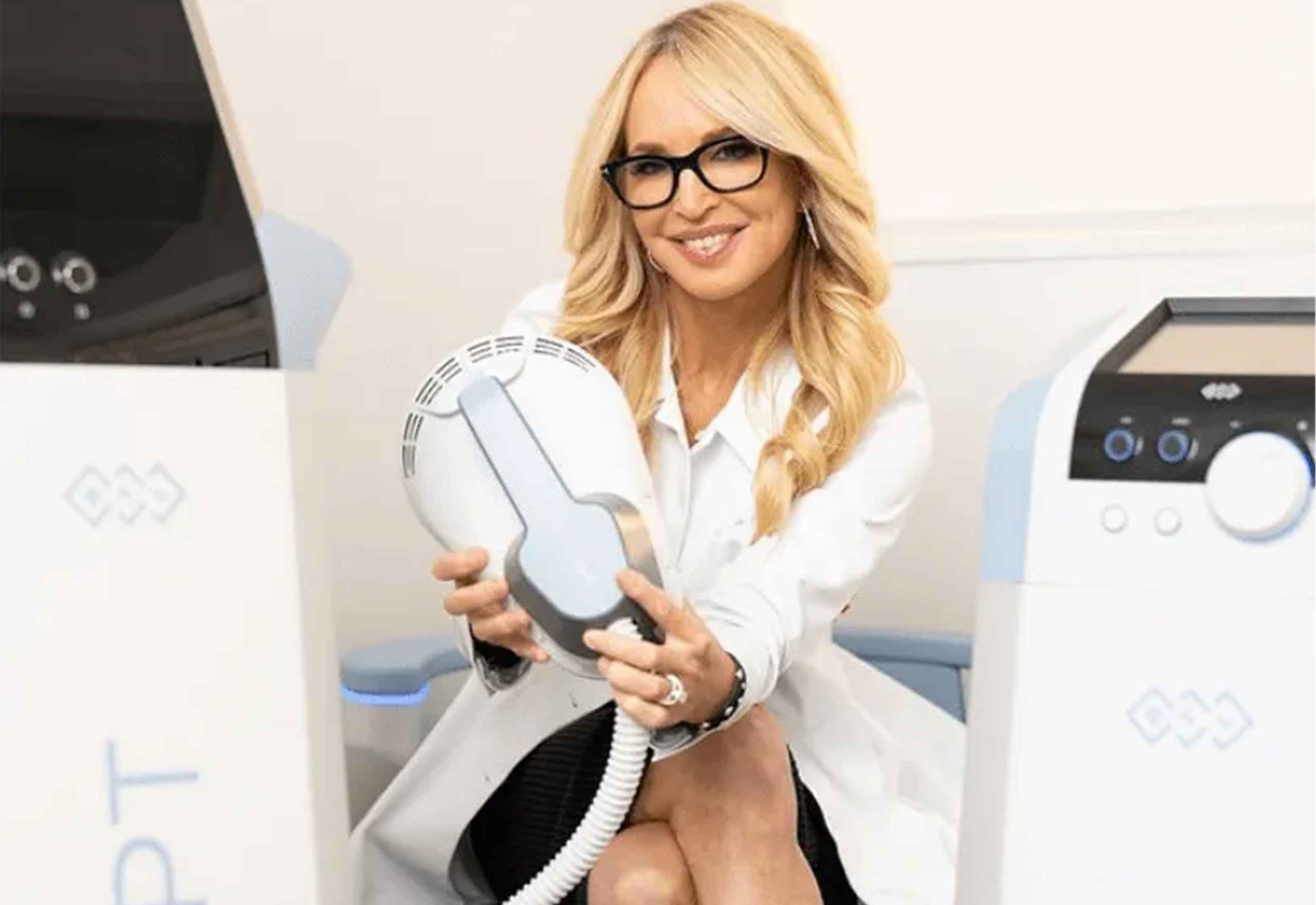
For those seeking non-hormonal options, certain prescription medications can be very effective. For example, some antidepressants (SSRIs and SNRIs) have been shown to reduce the severity of hot flashes and help with mood-related symptoms. Beyond prescriptions, there are innovative in-office treatments that target specific concerns. For instance, therapies like Emsella can strengthen the pelvic floor to address urinary incontinence, while procedures such as Morpheus 8-V can help with vaginal laxity and dryness, all without the use of hormones.
Over-the-Counter and Lifestyle Solutions
You can also make a significant impact on your symptoms through daily habits and readily available products. Simple lifestyle adjustments, such as maintaining a balanced diet, engaging in regular exercise, and practicing stress-reduction techniques like meditation, can make a real difference. As UT Southwestern Medical Center points out, these foundational health practices are crucial. For specific issues like vaginal dryness, over-the-counter moisturizers and lubricants can provide immediate comfort and relief. These proactive steps empower you to manage your well-being on your own terms.
Finding the Right Medical Care
Navigating menopause can feel overwhelming, but you don’t have to do it alone. Finding the right medical professional is arguably the most important step you can take. You deserve a doctor who not only understands the complex physical and emotional changes of menopause but also listens to your unique concerns and goals. A true specialist will partner with you to create a personalized treatment plan, ensuring you feel heard, supported, and confident in the care you receive.
The Role of a Menopause Specialist
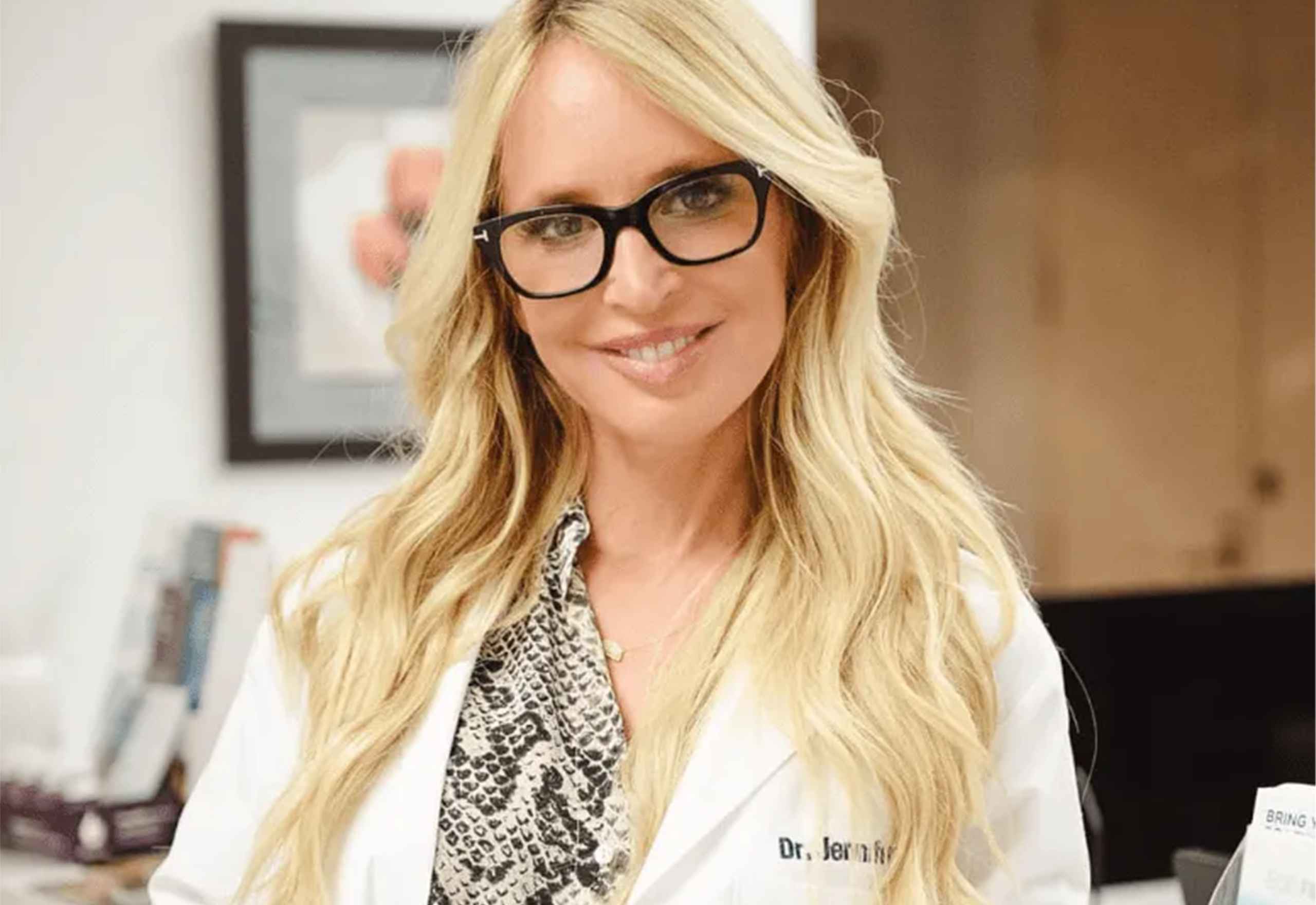
A menopause specialist is a healthcare provider with advanced training and expertise in managing this specific life stage. According to NYU Langone News, looking for a provider certified by the North American Menopause Society (NAMS) is a great way to find a qualified expert. These specialists, like Dr. Jennifer Berman, are equipped to go beyond basic care. They can offer a full spectrum of advanced treatments, from customized hormone therapies to innovative non-hormonal solutions, to help you manage your symptoms and protect your long-term health.
The Broader Impact of Menopause on Your Life
The effects of menopause often extend beyond your own body. As Sutter Health notes, this transition can impact your relationships, family life, and even your career. Symptoms like mood swings, fatigue, and low libido can strain partnerships and affect your confidence at work. Acknowledging this broader impact is crucial. When you seek treatment, you’re not just addressing a hot flash or a sleepless night; you’re investing in your overall well-being and the health of your relationships with others. Finding solutions can help you feel more present and engaged in every aspect of your life.
Frequently Asked Questions
How can I tell if my symptoms are from perimenopause or just stress? This is a common question because the symptoms can look so similar. The key difference often lies in the pattern. While stress can cause fatigue or moodiness, perimenopause symptoms are often tied to your hormonal fluctuations. You might notice new anxiety, sleep problems, or brain fog that seems to follow a cyclical pattern, even if your periods are still regular. The best first step is to start tracking your symptoms and your cycle. This information will be incredibly helpful when you speak with a specialist who can connect the dots and give you a clear answer.
I’m worried about weight gain. Is it really possible to avoid it? Yes, it is absolutely possible to maintain a healthy weight during this transition. While it’s true that a drop in estrogen can change how your body stores fat and your metabolism may slow down, weight gain isn’t a foregone conclusion. The strategy just needs to shift. Instead of focusing only on cardio, incorporating strength training becomes essential for building muscle, which helps keep your metabolism active. A balanced diet rich in whole foods is also crucial. It’s less about restriction and more about making smart, consistent choices to feel strong in your body.
Will I ever want to have sex again? A dip in libido is incredibly common, but it doesn’t have to be your new normal. The hormonal shifts of menopause can directly impact desire, and physical symptoms like vaginal dryness can make sex uncomfortable or even painful. The great news is that there are many effective solutions. Addressing the root cause, whether through hormone therapy to rebalance your system or localized treatments to restore vaginal health, can make a world of difference in bringing back both comfort and desire.
My doctor isn’t taking my symptoms seriously. What are my next steps? It is incredibly frustrating to feel dismissed when you’re looking for help. Please know that you are not overreacting, and you deserve to be heard. If your current doctor isn’t providing the support you need, it is time to seek a second opinion. Look for a menopause specialist, such as a provider certified by the North American Menopause Society (NAMS), who has dedicated their practice to this specific area of women’s health. An expert will understand the nuances of your experience and work with you to create a personalized plan.
Is hormone therapy safe? I’ve heard conflicting things. It’s understandable to be cautious, as there has been a lot of confusing information out there. Modern medical guidelines have clarified that for most healthy women who are under 60 or within 10 years of their last period, the benefits of hormone therapy often outweigh the risks. The key is that it is not a one-size-fits-all treatment. A specialist will conduct a thorough evaluation of your personal health history to determine the right type, dose, and duration for you, ensuring your treatment is both safe and effective.
Key Takeaways
- Look Beyond the Hot Flashes: Menopause affects your whole body, not just your internal thermostat. Symptoms like brain fog, anxiety, and low libido are common and treatable, so understanding the full picture is the first step to feeling better.
- Don’t Just “Wait Out” Your Symptoms: The menopausal transition can last for years, making a “tough it out” approach unrealistic. Proactively seeking support to create a sustainable management plan is essential for maintaining your quality of life.
- Your Relief Plan Should Be as Unique as You Are: There is no single right way to manage menopause. From customized hormone therapy to effective non-hormonal treatments, you have many options to find what works for your body and lifestyle.
Related Articles
- The Ultimate List: 100 Symptoms of Perimenopause
- Menopause Myths vs. Facts | Dr. Jennifer Berman MD
- Understanding the Menopause Biotype
- Bio-Identical Hormone Therapy | Dr. Jennifer Berman – Sexual Health Expert in Los Angeles
- The Menopause Biotype Test – What It Is, How It Works, and Why Every Woman Needs to Know | Dr. Jennifer Berman MD





Leave A Comment
You must be logged in to post a comment.