

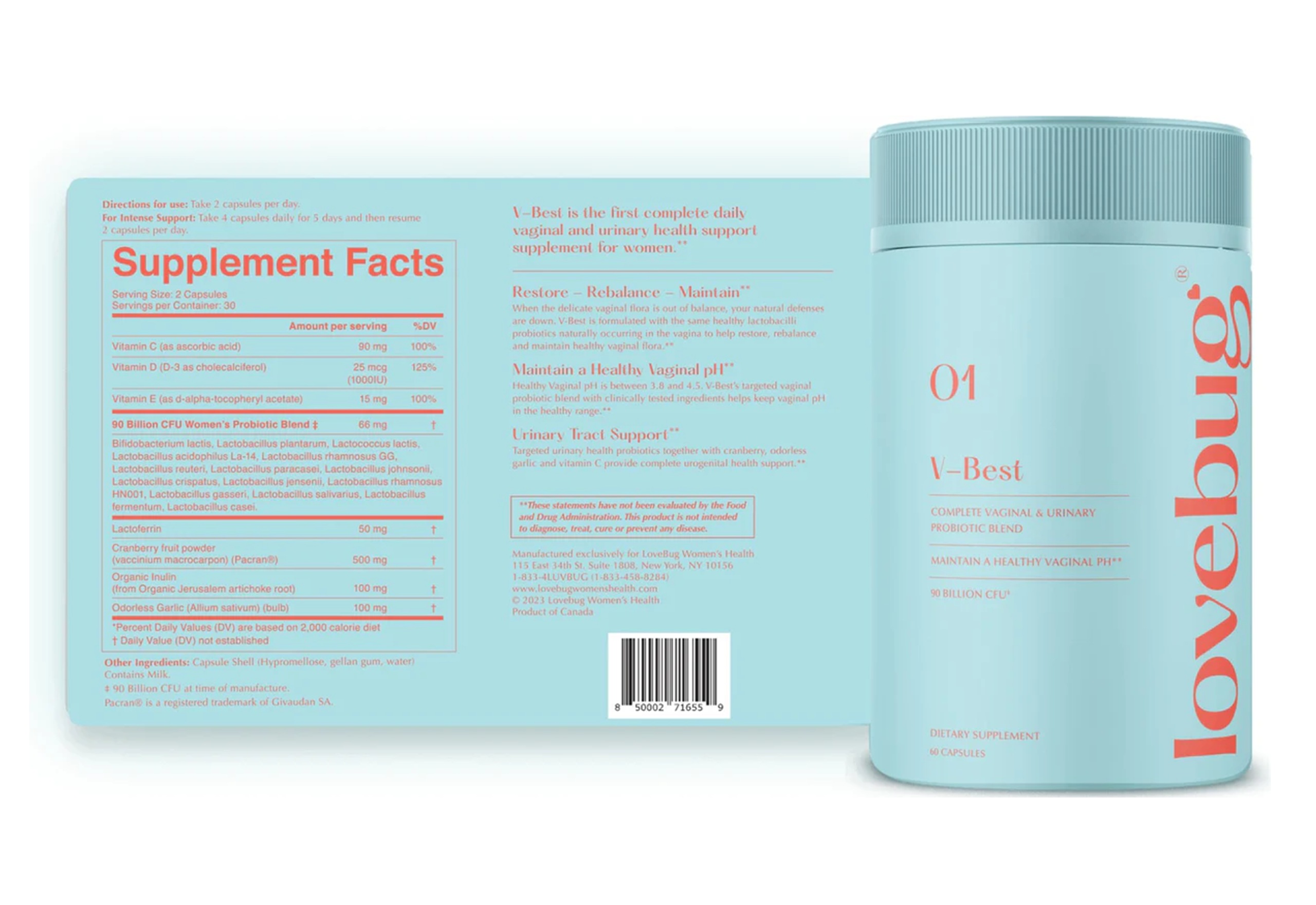
When you hear “probiotics,” your mind probably jumps straight to gut health. But what if I told you they’re just as crucial for your vaginal health? It’s true. The right kind of vaginal probiotics can be a complete game-changer, helping to maintain a healthy balance and keep discomfort at bay. These aren’t the same as your digestive supplement. Finding the best vaginal probiotic means looking for specific strains that support your body’s natural defenses. We’ll explore how these natural vaginal probiotics work and what makes a truly effective supplement.
So, What Are Vaginal Probiotics?
Vaginal probiotics are supplements containing good bacteria that help restore and maintain the natural balance of the vaginal microbiome. Much like how gut probiotics keep your digestion on track, vaginal probiotics work to prevent harmful bacteria from taking over, which can lead to infections like bacterial vaginosis or yeast infections. These supplements are packed with Lactobacillus strains, which are essential for a healthy vaginal environment.
Why Your Vaginal Health Depends on Balance
When the natural balance of bacteria in the vagina gets disrupted, it opens the door to infections, irritation, and discomfort. This imbalance can happen for several reasons—hormonal changes, antibiotics, stress, or even certain lifestyle habits. Maintaining the right level of healthy bacteria helps keep everything in check, preventing bad bacteria from overgrowing.
Not only does a well-balanced vaginal microbiome help avoid infections, but it can also improve overall comfort, reduce unpleasant odors, and help you feel more confident.
How Vaginal Probiotics Work
The Role of Lactic Acid and pH Balance
So, how do these tiny helpers actually work their magic? It all comes down to creating the right environment. Your vaginal microbiome is home to a community of bacteria, and the goal is to keep the good guys, primarily strains of Lactobacillus, in charge. These beneficial bacteria are the MVPs of vaginal health. They work by producing lactic acid, which is key to maintaining a low, slightly acidic pH level in the vagina. This acidity creates an environment where harmful pathogens simply can’t thrive, acting as your body’s natural defense system against unwanted germs and infections. It’s a simple but powerful way your body maintains its own delicate balance.
This acidic shield is crucial for preventing common issues like bacterial vaginosis and yeast infections. Think of it as a protective barrier that keeps everything calm and comfortable. It’s also important to know that the specific Lactobacilli strains that live in the vagina are different from the ones that support your gut health. That’s why simply taking a general probiotic might not give you the vaginal health benefits you’re looking for. You need the right strains for the right job. While probiotics are a fantastic tool for daily maintenance, if you’re dealing with persistent issues like chronic discomfort or pelvic pain, it’s always best to consult with a specialist who can offer a personalized treatment plan.
What Can Vaginal Probiotics Do For You?
Vaginal probiotics can be a natural way to promote better health without relying on antibiotics or other treatments that might have side effects. They work by restoring the population of good bacteria in the vagina, which in turn helps fend off unwanted bacterial or yeast overgrowth. Some women find that taking probiotics regularly helps them avoid the constant cycle of infections.
Probiotics may become your go-to if you’re prone to frequent yeast infections or bacterial vaginosis. It’s not about just fixing a problem temporarily but about maintaining a long-term balance.
Bacterial Vaginosis (BV) and Yeast Infections
If you’ve ever dealt with the frustrating cycle of bacterial vaginosis or yeast infections, you know how disruptive they can be. These common issues often happen when the delicate balance of your vaginal microbiome is thrown off, allowing harmful bacteria or yeast to multiply. Vaginal probiotics can be a powerful ally in restoring order. Research shows strong evidence for specific strains like L. crispatus and L. rhamnosus in reducing the recurrence of BV, especially when used alongside antibiotics. By reintroducing these beneficial bacteria, you can help your body maintain a healthy environment and potentially break free from the cycle of recurring infections, supporting overall vaginal wellness.
Urinary Tract Infections (UTIs)
You might not immediately connect UTIs with vaginal health, but the two are closely linked. The bacteria that cause UTIs often originate from the vaginal area, so maintaining a healthy vaginal microbiome can be a key preventive measure. Some studies have shown that using L. crispatus as a vaginal suppository can help reduce repeat urinary tract infections. This suggests that by supporting your vaginal flora with the right probiotics, you’re also giving your urinary tract an extra layer of defense. It’s a proactive approach that addresses the root cause rather than just the symptoms, helping you feel more in control of your body.
Menopause-Related Symptoms
Menopause brings a wave of hormonal changes that can significantly impact vaginal health, often leading to what’s known as genitourinary syndrome. This can cause symptoms like dryness, itching, and general discomfort, which can affect your quality of life and sexual health. Probiotics can offer some much-needed support during this transition. Specifically, the strain L. acidophilus has been shown to help with these symptoms by restoring moisture and balance. If you’re experiencing these changes, incorporating probiotics could be a gentle, effective way to find relief and complement other vaginal dryness treatments.
Oral vs. Suppositories: Which Type Is Right for You?
You can find the best vaginal probiotics in various forms. The most common are oral supplements, which can be taken daily like any other vitamin. These allow the good bacteria to work their way throughout your system, reaching the vaginal area in time.
For those who prefer a more targeted approach, there are also suppository probiotics designed for vaginal insertion. These work faster because they’re placed directly in the area where the bacteria imbalance is happening.
What to Consider Before Trying Vaginal Probiotics
Vaginal probiotics sound like a fantastic, natural solution for maintaining feminine health, and for many women, they are. But before you add them to your daily routine, it’s important to understand what they can and can’t do. They aren’t a magic wand, and knowing what to expect can help you make the best decision for your body. Thinking about effectiveness, safety, and the science behind them will empower you to choose wisely. Let’s walk through the key things to consider so you can feel confident about your choice.
Effectiveness and Realistic Timelines
When you start taking vaginal probiotics, it’s important to have realistic expectations about the timeline. This isn’t an overnight fix; you should expect to take them consistently for several weeks, or even a few months, to experience their full effects. Patience is key as the healthy bacteria need time to colonize and restore balance. Probiotics can also be a great team player alongside conventional treatments. In fact, some studies show they can be particularly effective when used with antibiotics to help reduce repeat urinary tract infections (UTIs) and bacterial vaginosis (BV). This combined approach helps clear the infection while repopulating the area with the good bacteria needed to prevent it from coming back.
Regulation and Scientific Evidence
It’s crucial to know that vaginal probiotics are classified as dietary supplements, not drugs. This means they aren’t regulated by the Food and Drug Administration (FDA) with the same rigor as prescription medications, so manufacturers can suggest health benefits without needing extensive proof. Because of this, quality can vary widely between brands. While many women swear by them, the scientific community is still building a complete picture. The current research is promising, but experts agree that more large-scale studies are needed to fully confirm the benefits and safety of vaginal probiotics. This doesn’t mean they don’t work—it just means the science is still catching up to what many women already experience.
Safety and Potential Side Effects
The good news is that for most healthy people, probiotics are generally considered safe and typically cause only minor side effects, if any at all. However, it’s important to be mindful of your individual health status. People with serious illnesses or compromised immune systems might face a higher risk of harmful effects. Before starting any new supplement, it’s always a smart move to consult with a healthcare professional who understands your medical history. A specialist can help you determine if probiotics are a good fit for you and rule out other underlying issues, especially if you’re experiencing persistent symptoms like pelvic pain or recurring infections.
Are Vaginal Probiotics a Good Fit for You?
If you’ve been dealing with frequent infections or discomfort, you might want to consider giving vaginal probiotics a try. They’re natural, easy to incorporate into your routine, and can have lasting benefits for your overall health.
It’s important to consult with a healthcare professional before starting any new supplement. A specialist can help you determine the right strain of probiotics for your specific needs and guide you on the best way to take them.
Ready To Try?
Vaginal probiotics offer a natural and proactive approach to balancing your body. If you’ve struggled with recurring infections or want to keep your vaginal health in check, probiotics could be a great option. As with any supplement, always make sure you choose high-quality products and get professional advice to keep things running smoothly.
The Berman Women’s Wellness Center is here to guide you on your wellness journey, offering personalized care to help you feel your best—inside and out.
Frequently Asked Questions
Can I just take my regular gut health probiotic for my vaginal health? While gut health probiotics are great for digestion, they typically don’t contain the specific strains of bacteria needed to support your vaginal microbiome. For vaginal health, you want to look for supplements rich in Lactobacillus strains like L. crispatus and L. rhamnosus, which are the key players in maintaining a healthy, acidic pH balance down there.
How quickly can I expect to see results from vaginal probiotics? Patience is key when starting any new supplement. Vaginal probiotics aren’t an overnight fix. It generally takes several weeks of consistent use for the beneficial bacteria to colonize and create a balanced environment. Think of it as a long-term strategy for maintaining health rather than a quick solution to an immediate problem.
Are there any side effects I should be aware of? For most healthy women, vaginal probiotics are considered very safe and usually don’t cause side effects. However, as with any supplement, it’s smart to listen to your body. If you have a compromised immune system or a serious illness, it’s especially important to talk with your doctor before starting them, as they can help you decide if probiotics are the right choice for your specific health situation.
I get frequent yeast infections. Can probiotics replace my usual treatment? Vaginal probiotics are a fantastic tool for prevention and maintenance, but they aren’t a substitute for medical treatment if you have an active infection. They work best to help restore balance and can be particularly effective when used alongside conventional treatments to help prevent future recurrences. If you’re stuck in a cycle of infections, it’s always best to see a specialist to rule out any underlying issues.
What’s the difference between taking a probiotic pill versus using a suppository? It really comes down to your preference and goals. Oral probiotics are taken daily like a vitamin and work systemically to deliver good bacteria to the vagina over time. Suppositories offer a more direct and targeted approach, delivering the probiotics right where they’re needed, which can sometimes lead to faster results for localized issues.
Key Takeaways
- Support Your Body’s Natural Balance: Vaginal probiotics work by encouraging beneficial Lactobacillus bacteria to thrive. These good bacteria produce lactic acid, which helps maintain the vagina’s naturally acidic pH and acts as a first line of defense against infection.
- A Proactive Approach to Common Issues: For those dealing with recurring BV, yeast infections, or UTIs, probiotics can help restore order and break the cycle. They also offer a gentle way to manage menopause-related symptoms like vaginal dryness.
- Be Patient and Choose Wisely: Probiotics aren’t an overnight fix and require consistent use for several weeks to show results. Since they are unregulated supplements, it’s essential to consult a healthcare professional to select a quality product and confirm it’s the right choice for you.