


So, can sex cause a UTI? The short answer is yes, but it has nothing to do with cleanliness—it’s all about anatomy. As Dr. Jennifer Berman explains, getting a UTI after sex is common because bacteria can easily be moved into the urethra during intercourse. This is often called a post coital UTI. Certain things, like using spermicides, can make you more prone to them. But you’re not powerless. Simple habits and understanding your treatment options are everything. We’ll cover exactly how to prevent a UTI after sex and find relief when you need it.
Understanding UTIs After Sex
Getting a urinary tract infection after sex is incredibly common, but that doesn’t make it any less frustrating. The experience can bring up a lot of questions and even some anxiety about intimacy. The good news is that understanding why it happens is the first step toward preventing it. The mechanics are fairly simple: during sex, bacteria from the genital and anal areas can get pushed into the urethra. Because the female urethra is shorter than the male urethra, it’s a much shorter trip for bacteria to reach the bladder and cause an infection. It’s not about cleanliness or something you’re doing wrong; it’s mostly just a matter of anatomy. Knowing the facts can help you separate myth from reality and take control of your urinary health.
UTI vs. STI: A Key Distinction
Let’s clear up one of the biggest misconceptions right away. It’s easy to worry that a UTI could be something more, but it’s important to know the difference between a UTI and a sexually transmitted infection (STI). As the Cleveland Clinic explains, “UTIs are not sexually transmitted infections (STIs). STIs are passed from one person to another. A UTI is caused by your own bacteria moving to the wrong place.” This means you can’t “catch” a UTI from a partner. Instead, the infection is typically caused by E. coli, a type of bacteria that normally lives in your digestive system without causing any harm, but becomes a problem when introduced to your urinary tract. This distinction is crucial because it removes blame and helps you focus on the real cause and effective prevention strategies for your sexual and urinary tract health.
“Honeymoon Cystitis”: A Common Occurrence
If you’ve ever noticed that UTIs seem to pop up after a romantic getaway or a period of frequent intimacy, you’re not alone. There’s even a term for it: “honeymoon cystitis.” This phrase describes a UTI that occurs after sexual activity, and as one expert notes, “It’s called ‘honeymoon’ because it often occurs during times of increased sexual activity, like a honeymoon.” While the name might sound a bit dated, the experience is very real for many women. More frequent sex simply means more opportunities for bacteria to be introduced into the urethra. It has nothing to do with a new partner or the location; it’s purely about the physical act and frequency. Recognizing this pattern can help you be more proactive with preventative measures, especially during times when you know you might be more active.
How Quickly Do Symptoms Appear?
When you start to feel that familiar twinge, you might wonder how quickly a UTI can develop after sex. Typically, “UTI symptoms usually show up within 24 to 48 hours after sex, but they can appear a few days later.” Key symptoms to watch for include a persistent urge to urinate, a burning sensation when you pee, passing frequent but small amounts of urine, and cloudy or strong-smelling urine. Some women may also experience pelvic pain. If you notice any of these signs, it’s best to seek medical advice promptly. Ignoring the symptoms can allow the infection to spread to your kidneys, leading to a more serious condition. Getting a proper diagnosis and treatment is essential for relief and preventing recurring issues, including chronic pelvic pain.
Prevalence and Risk Factors

Post-coital urinary tract infections (UTIs) are highly prevalent, affecting up to 80% of women primarily due to anatomical and behavioral risk factors. The close proximity of the urethral opening to the vaginal and anal regions in female anatomy facilitates the translocation of bacteria, such as Escherichia coli, into the urinary tract during sexual activities. The prevalence of these infections is significantly higher in sexually active women, reflecting the important role sexual intercourse plays in predisposing individuals to UTIs.
Several risk factors amplify this susceptibility. The short female urethra provides a direct pathway for pathogens to reach the bladder, increasing the likelihood of infection. Frequent sexual activity compounds this risk, as repeated mechanical introduction of bacteria can overwhelm the body’s natural defenses. The use of spermicides, often employed for contraceptive purposes, can further aggravate this issue by disrupting the vaginal flora and increasing bacterial colonization.
To mitigate these risks, healthcare professionals recommend practical measures such as urinating before and after sexual intercourse, maintaining thorough genital hygiene, and ensuring adequate hydration. Understanding these factors is essential for implementing effective preventative strategies and reducing the incidence of post-coital UTIs.
How Common Are UTIs?
If it feels like you and all your friends have dealt with a UTI after sex, you’re not imagining things. They are incredibly common, with some studies showing that up to 80% of women will experience one. The main reason comes down to basic anatomy. The female urethra is shorter than the male urethra, giving bacteria like E. coli a much shorter path to travel to the bladder. During sex, bacteria from the vaginal and anal areas can easily be pushed toward the urethral opening. This is why the term “honeymoon cystitis” was coined—it’s not a romantic souvenir, but a frequent and frustrating reality for many sexually active women. It’s important to remember that getting a UTI is not a reflection of your hygiene, but rather a consequence of biology that can affect anyone.
Defining Recurrent UTIs
For some, UTIs aren’t just a one-off annoyance; they become a recurring problem. A UTI is generally considered “recurrent” if you experience two or more infections within six months, or three or more within a year. This cycle can be incredibly frustrating and may start to impact your quality of life and even your relationship with sex. The same risk factors that cause a single UTI—like frequent sexual activity and that short urethra—are often the culprits behind recurrent infections. If you find yourself stuck in this loop, it’s a clear sign that it’s time to seek professional medical advice to understand the root cause and explore more effective preventative strategies tailored to your body and lifestyle.
Other Contributing Risk Factors
While sexual activity is a primary trigger for UTIs, it’s often not the only factor at play. Several other elements can increase your susceptibility to these infections. Your body’s hormonal balance, the types of contraception you use, and even underlying health conditions can create an environment where bacteria are more likely to thrive. Understanding these contributing factors is a key step in breaking the cycle of infection. By looking at the bigger picture of your health and habits, you and your doctor can develop a more comprehensive plan to keep UTIs at bay, allowing you to feel more comfortable and in control of your body.
Hormonal Changes
Hormones, especially estrogen, play a significant role in maintaining the health of your urinary tract. When estrogen levels decline, particularly during perimenopause and menopause, the tissues of the vagina and urethra can become thinner, drier, and more fragile. This condition, known as vaginal atrophy, makes the area more vulnerable to irritation and infection. The natural balance of good bacteria in the vagina can also be disrupted, giving harmful bacteria a better chance to take hold. If you’re in this life stage and notice an uptick in UTIs, it’s worth discussing with a specialist. Treatments like hormone replacement therapy can often address the root cause, improving tissue health and reducing infection risk.
Certain Sexual Practices
Beyond the act of intercourse itself, certain related habits can influence your risk of developing a UTI. For instance, using spermicidal lubricants or diaphragms for birth control can be a major contributor. Spermicides can alter the natural pH and bacterial balance of the vagina, killing off the good bacteria that help protect you from infection. This disruption makes it easier for UTI-causing bacteria to multiply. While good hygiene is always important, this shows that sometimes even well-intentioned practices can have unintended consequences. It’s about finding a balance and using products that work with your body, not against it, to maintain your overall sexual wellness.
Underlying Health Conditions
If you’re doing everything “right” and still struggling with frequent UTIs, there might be an underlying health issue to consider. Conditions that affect the immune system, such as diabetes, can make it harder for your body to fight off infections. Anatomical abnormalities in the urinary tract or conditions that prevent the bladder from emptying completely can also create an environment where bacteria can flourish. This is why it’s so important to get a proper diagnosis rather than just repeatedly treating the symptoms. A thorough evaluation can rule out or identify these issues, leading to more effective, long-term solutions like low-dose antibiotics or other personalized treatments for your urinary health.
Symptoms and Progression

Recognizing the early symptoms of post-coital urinary tract infections is necessary for prompt treatment and preventing severe complications. UTI symptoms typically manifest as urinary infrequency, urgency, burning, and pain during urination. These symptoms are signs of the body’s inflammatory response to bacterial invasion in the urinary tract. It’s vital to address these symptoms swiftly to avoid further complications.
If left untreated, a UTI can ascend from the bladder to the kidneys, leading to more severe symptoms such as back pain. This pain, often localized in the lower back or flanks, indicates that the infection has potentially reached the kidneys, necessitating immediate medical attention.
Additionally, elderly patients may present more subtle symptoms like malaise and fever, which can complicate diagnosis.
A particularly severe progression of untreated UTIs can result in sepsis, a life-threatening condition where the infection spreads into the bloodstream. Sepsis requires urgent medical intervention as it can rapidly become fatal.
Early identification and treatment of UTI symptoms are hence critical to prevent such dire outcomes. Prompt medical consultation and adherence to prescribed treatments are key to achieving complete recovery and avoiding recurrent UTIs post-coitally.
### Recognizing the Signs of a UTIIf you’ve ever had a urinary tract infection, you know the signs are hard to ignore. That sudden, persistent need to pee, followed by a burning sensation, is your body’s inflammatory response to a bacterial invasion. The classic symptoms include urinary frequency and urgency, a painful or burning feeling during urination, and sometimes cloudy or strong-smelling urine. It’s crucial to pay attention to these signals as soon as they appear. Addressing them quickly is the best way to get relief and prevent the infection from becoming more serious. Think of these symptoms as an early warning system; listening to it is the first step toward feeling better.
### Getting a Proper DiagnosisWhile it might be tempting to wait it out or try at-home remedies, getting a proper medical diagnosis is essential. An untreated UTI can travel from the bladder up to the kidneys, leading to a much more severe infection called pyelonephritis. A key sign that the infection may have spread is pain in your lower back or flanks, sometimes accompanied by fever and nausea. This requires immediate medical attention. Seeing a healthcare professional ensures you get the correct diagnosis and treatment plan, which is vital for a full recovery and helps you avoid the frustrating cycle of recurrent UTIs. A specialist can help you understand your specific situation and find the best path forward for your sexual and urinary tract health.
Diagnostic Tests
Getting a diagnosis is usually a straightforward process. Your doctor will likely ask for a urine sample to perform a urinalysis. This simple test checks for the presence of white blood cells, red blood cells, and bacteria in your urine, which are all indicators of an infection. In some cases, especially if you have recurring UTIs, your doctor might order a urine culture. This follow-up test identifies the specific type of bacteria causing the infection, allowing for a more targeted antibiotic treatment. Prompt consultation and following the prescribed treatment are the keys to resolving the infection completely.
Conditions with Similar Symptoms
It’s also important to know that other conditions can sometimes mimic the symptoms of a UTI. Issues like yeast infections, certain sexually transmitted infections (STIs), interstitial cystitis, or even vaginal dryness can cause similar discomfort and urinary urgency. This is another reason why a professional diagnosis is so important—it ensures you’re treating the right problem. A thorough evaluation can rule out other potential causes of your discomfort, including underlying issues that might contribute to pelvic pain. Getting clarity helps you get the right treatment and find relief faster.
Complications and Treatment

Effective management of UTIs is vital to prevent complications such as antibiotic resistance, recurring infections, and severe conditions like pyelonephritis and sepsis.
Urinary tract infections (UTIs) require a full course of antibiotics to guarantee the complete eradication of the causative pathogens. Inadequate or poorly handled treatment can lead to antibiotic resistance, making standard treatments ineffective and increasing the risk of recurring infections.
Recurring UTIs are a significant concern, often originating from incomplete treatment. Patients must adhere strictly to prescribed antibiotic regimens, even if symptoms improve early. This practice not only eliminates the infection but also reduces the risk of developing antibiotic-resistant strains of bacteria. Overuse and inappropriate use of antibiotics worsen antibiotic resistance, complicating future treatment options.
Regular follow-up appointments post-treatment are crucial to confirm that the infection has been fully resolved. These check-ups can identify any lingering infection early, preventing advancement to more severe conditions like pyelonephritis, an infection of the kidneys, or sepsis, a life-threatening systemic infection.
Special Considerations and At-Risk Groups
While UTIs can affect any sexually active woman, certain life stages and health conditions can make you more susceptible. Hormonal shifts, in particular, play a significant role in the health of your urinary tract. Understanding these specific risk factors is the first step toward better prevention and management, ensuring you can address the root cause of recurring infections instead of just treating the symptoms as they appear. It’s important to know when you might need to be extra vigilant about your urinary health, as this awareness empowers you to take proactive steps and seek the right care when needed.
Postmenopausal Women and UTIs
Menopause brings a host of changes, and an increased risk of UTIs is one that often catches women by surprise. The primary reason is the natural decline in estrogen. This hormone is crucial for maintaining the health of the vaginal and urinary tissues, as well as supporting the good bacteria that prevent infections. As estrogen levels drop, the lining of the urethra can thin, and the balance of your vaginal flora can be disrupted, creating an environment where harmful bacteria can more easily take hold. For women experiencing recurrent UTIs after menopause, addressing these underlying hormonal changes can be a key part of a long-term solution.
UTIs During Pregnancy
If you’re pregnant and suspect you have a UTI, it’s essential to see your doctor right away. During pregnancy, hormonal changes can cause the muscles of the ureters (the tubes connecting the kidneys and bladder) to relax and expand. This slows the flow of urine, giving bacteria more time to multiply before being flushed out. Additionally, as the uterus grows, it can press on the bladder, making it difficult to empty completely. An untreated UTI during pregnancy can lead to serious complications, including kidney infections and an increased risk of preterm labor, so prompt diagnosis and treatment are critical for both your health and your baby’s.
Can You Have Sex With an Active UTI?
Technically, you can have sex while you have a UTI, but it’s strongly advised against. For one, it’s likely to be painful and uncomfortable due to the inflammation and sensitivity in your urinary tract. More importantly, the physical act of intercourse can introduce more bacteria into the urethra or push existing bacteria further up toward the bladder and kidneys. This can worsen the infection and potentially prolong your recovery. The best course of action is to wait until you have completed your full course of antibiotics and your symptoms have completely disappeared before resuming sexual activity. This gives your body the time it needs to fully heal.
Prevention Strategies

Implementing several hygiene and behavioral practices can notably reduce the risk of developing UTIs after sexual activity. A primary preventive measure includes maintaining regular hygiene practices. This involves washing the genital area before and after sexual activity to reduce bacterial presence. Drinking ample fluids, particularly water, helps flush out potential pathogens from the urinary tract.
Moreover, urinating immediately after sexual activity is a critical preventive strategy. This practice helps to expel bacteria that may have entered the urethra during intercourse. Additionally, consider using unscented and gentle products for genital hygiene, as harsh chemicals can disrupt the natural flora and increase susceptibility to infections.
Practicing good hygiene during sexual activity is also paramount. This means ensuring both partners are clean before engaging in intercourse and avoiding practices that introduce bacteria into the urethra.
Here is a quick reference table summarizing these preventive strategies:
Prevention Strategy | Description | Benefit |
Regular Hygiene Practices | Wash genital area before and after sex | Reduces bacterial presence |
Drinking Plenty of Fluids | Consume water regularly | Flushes out pathogens |
Post-Sex Urination | Urinate immediately after sexual activity | Expels bacteria from the urethra |
Use Gentle Hygiene Products | Use unscented, mild products for genital hygiene | Preserves natural flora |
Implementing these prevention strategies can notably mitigate the risk of developing UTIs post sexual activity.
Personal Hygiene Habits
Beyond the basics, a few specific hygiene habits can significantly lower your risk of developing a UTI. These aren’t complicated routines but simple, mindful adjustments to your daily life that create a less welcoming environment for bacteria. Think of them as your first line of defense. By incorporating these practices, you actively protect your urinary tract and reduce the chances of infection, especially when your body might be more vulnerable, like around your period or after being sexually active. It’s about working with your body’s natural defenses to maintain balance and health consistently.
Wiping From Front to Back
This might be the first piece of advice many of us ever received about preventing UTIs, and for good reason. Wiping from front to back after using the toilet is a crucial habit that helps prevent bacteria from the anal region from being introduced to the urethra. Since the urethra, vagina, and rectum are in close proximity, this simple motion ensures that bacteria like E. coli are moved away from, not toward, the urethral opening. Making this a consistent practice is one of the most effective and easiest ways to reduce your risk of infection every single day.
Clothing and Menstrual Products
What you wear can also play a role in urinary tract health. Bacteria thrive in warm, moist environments, so choosing the right clothing is key. Opt for breathable, cotton underwear and avoid wearing tight-fitting pants or shorts for extended periods. This helps keep the genital area dry and reduces the opportunity for bacterial growth. During your period, be mindful of changing pads or tampons regularly. This is especially important because menstrual products can trap moisture and create conditions that might encourage an infection if not managed properly.
Practices Around Sexual Activity
Being proactive during and after sex can make a world of difference in preventing UTIs. While intimacy is a healthy and important part of life, the physical act can introduce bacteria into the urethra. This doesn’t mean you need to be fearful, but rather, aware of simple steps you can take to protect yourself. Establishing a routine around sexual activity helps minimize risk and allows you to focus on connection and pleasure without the worry of a painful infection afterward. These practices are about enhancing comfort and ensuring your sexual health is always a priority.
The Role of Lubricant
Friction during sex can cause microscopic tears and irritation to the delicate tissues of the vagina and urethra, making it easier for bacteria to cause an infection. Using a lubricant is an excellent way to reduce this friction and increase comfort. When choosing a lubricant, stick to water-based or silicone-based formulas, as they are less likely to disrupt your natural pH balance. If you experience persistent discomfort or dryness, it could be a sign of an underlying issue, and seeking expert advice on vaginal dryness treatment can provide lasting solutions.
Dietary Considerations
What you eat and drink directly impacts your body’s ability to fight off infections, including UTIs. A supportive diet can help maintain a healthy urinary tract and create an internal environment that is less hospitable to harmful bacteria. While diet alone may not prevent every UTI, it’s a powerful complementary strategy that supports your overall wellness from the inside out. Focusing on certain foods and supplements can provide an extra layer of protection, helping you feel more in control of your urinary health and well-being.
Cranberry Juice vs. Supplements
Cranberries have long been associated with UTI prevention, and there’s science to back it up. Compounds in cranberries, known as proanthocyanidins (PACs), can help prevent bacteria from sticking to the walls of the bladder and urinary tract. While many people reach for cranberry juice, it often contains a lot of sugar, which can feed bacteria. For a more potent and sugar-free option, consider cranberry supplements. They provide a concentrated dose of PACs, offering a more reliable way to get the benefits without the added sweeteners, making them a smarter choice for prevention.
The Benefit of Probiotics
Maintaining a healthy balance of good bacteria is essential for both gut and vaginal health, which in turn supports your urinary system. Probiotics can help fortify your body’s natural defenses against the overgrowth of harmful bacteria that can lead to UTIs. You can find probiotics in fermented foods like yogurt, kefir, kimchi, and sauerkraut. Incorporating these foods into your diet can help maintain a healthy microbiome. If you struggle with recurrent UTIs, discussing your diet and potential probiotic supplements with a specialist can provide personalized guidance for your specific health needs.
Post-Coital UTI Causes
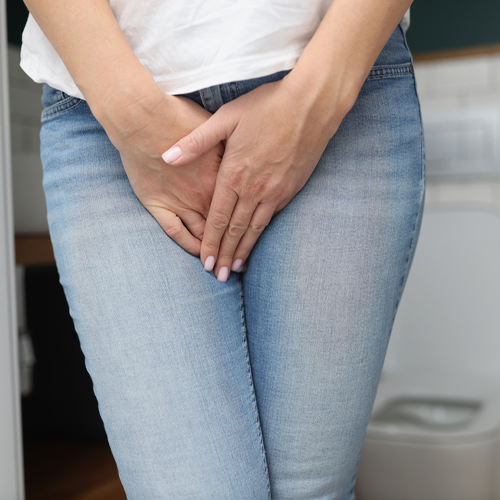
The development of post-coital UTIs in women is primarily attributed to anatomical factors and the introduction of bacteria into the urethra during sexual intercourse. The anatomical proximity of the female urethra to the vagina and anus facilitates the transfer of bacteria, such as Escherichia coli, from these regions into the urinary tract during sexual activity. This is a key reason why UTIs after sex, also known as post-coital UTIs, are prevalent among women.
In addition to the anatomical considerations, sexual activity can mechanically push bacteria into the urethra, escalating the risk of infection. Practices such as incomplete bladder emptying during sex further exacerbate this issue, as residual urine can serve as a medium for bacterial growth.
Women who use diaphragms for contraception may experience an elevated risk of post-coital UTIs. Diaphragms can cause urinary retention and create an environment conducive to bacterial proliferation.
Adhering to good hygiene practices and urinating after sex are practical measures that can help mitigate the risk of post-coital UTIs. These strategies aid in expelling bacteria from the urethra, thereby reducing the likelihood of infection.
Understanding these causative factors is essential for effective prevention and management of UTIs after sex.
Dr. Berman’s Advice

Consulting Dr. Jennifer Berman emphasizes the importance of seeking medical advice if UTI symptoms persist after sexual activity. According to Dr. Berman, timely intervention is pivotal in preventing complications and ensuring appropriate treatment. Persistent UTI symptoms, such as dysuria, frequent urination, and lower abdominal pain, necessitate a thorough evaluation by a healthcare professional.
Dr. Berman underscores the significance of completing the full course of antibiotics when prescribed. Incomplete treatment can lead to antibiotic resistance and UTI recurrence, complicating future management. Additionally, ensuring that urine tests confirm the eradication of the infection post-treatment is vital in preventing UTI recurrence.
Dr. Berman also advocates for regular hygiene practices as a preventive measure. This includes washing the genital area before and after intercourse and urinating post-coitally to flush out potential pathogens.
Adequate fluid intake is another fundamental aspect of Dr. Berman’s advice, as it helps maintain urinary tract health by promoting regular urination and minimizing bacterial colonization.
Antibiotic Treatments

Addressing persistent UTI symptoms often necessitates the incorporation of antibiotic treatments to effectively eradicate the infection and prevent recurrence. Short course antibiotics, such as Fosfomycin, are frequently prescribed due to their convenience and rapid action. However, the effectiveness of short course antibiotics for recurrent UTIs is increasingly questioned, primarily due to the rising issue of antibiotic resistance.
Antibiotic resistance occurs when bacteria evolve mechanisms to withstand the effects of medications, rendering standard treatments less effective and complicating infection management.
In cases where UTIs are recurrent and short course treatments fail, long-term antibiotics may be required. These regimens involve lower doses taken over an extended period to suppress bacterial growth and prevent future infections. It is important for healthcare providers to conduct antibiotic susceptibility testing to identify the most effective drug for the specific bacterial strain causing the UTI. This tailored approach minimizes the risk of resistance and enhances treatment efficacy.
Despite their benefits, antibiotic treatments carry risks, including potential side effects and the exacerbation of antibiotic resistance. Continuous monitoring by healthcare professionals is essential to mitigate these risks and ensure the best management of recurrent UTIs.
Preventive Antibiotics for Recurrent UTIs
If you find yourself stuck in a cycle of recurrent UTIs, especially after sex, a more proactive approach may be the answer. This strategy often involves taking a low-dose antibiotic, either daily or right after intercourse, to prevent an infection from starting. It’s crucial to remember this isn’t a DIY fix; it’s a personalized treatment plan created with a healthcare provider who understands your unique health profile. A specialist can help you weigh the benefits against potential risks, such as antibiotic resistance, and find the right path forward for your long-term sexual and urinary tract health. This collaborative approach focuses on stopping infections before they happen, moving beyond just treating symptoms to actively managing your well-being.
Alternative Remedies

Exploring alternative remedies for UTIs can offer additional options to traditional antibiotic treatments and potentially reduce the frequency of recurrent infections.
Cranberry supplements are among the most well-researched alternative remedies for Urinary Tract Infection (UTI) prevention. The active compounds in cranberries, primarily proanthocyanidins, may inhibit bacterial adhesion to the urinary tract walls, thereby reducing the risk of infection. However, not all studies are conclusive, and efficacy may vary among individuals.
Probiotics, particularly those containing Lactobacillus strains, have shown promise in maintaining healthy vaginal flora, which can be beneficial in preventing UTIs. By promoting a balanced microbiome, these probiotics may help reduce the colonization of pathogenic bacteria.
Additionally, D-mannose, a naturally occurring sugar, has garnered attention for its potential role in UTI prevention. D-mannose works by binding to E. coli bacteria, preventing them from attaching to the urinary tract lining and facilitating their expulsion through urination.
While these alternative remedies show promise, it is essential to consult a healthcare provider for a proper diagnosis and treatment plan. Integrating these options with traditional medical approaches can provide a thorough strategy for managing and preventing UTIs.
Frequently Asked Questions
How Did They Cure UTI in the Old Days?
In ancient times, UTIs were often treated using herbal remedies, with practitioners employing natural substances like garlic and vinegar. Preventative measures included increased fluid intake and hot baths, alongside plant-based treatments and compresses for relief.
Why Does My Wife Get so Many Utis?
Frequent UTIs in your wife may stem from underlying causes such as anatomical factors or hygiene practices. Implementing preventive measures like proper hygiene and post-coital urination, alongside exploring treatment options, can notably mitigate recurrence.
What Is the Fastest Way a UTI Can Go Away?
To expedite UTI resolution, juxtapose natural remedies with antibiotics. Proper antibiotic treatment rapidly clears urinary tract bacteria, alleviating symptoms. Hydration, cranberry juice, and probiotics support prevention. Full adherence to prescribed antibiotics is essential for effective treatment.
How to Stop Getting Utis?
To stop getting UTIs, incorporate prevention tips such as maintaining proper post-sex hygiene, ensuring adequate hydration, and urinating before and after intercourse. These practices help expel bacteria and reduce the risk of urinary tract infections.
Conclusion
The prevalence of post-coital UTIs is an alarming public health concern, with risk factors, symptoms, and complications necessitating immediate attention.
Dr. Jennifer Berman’s expert insights reveal that preventive strategies and appropriate treatments, including antibiotics and alternative remedies, are indispensable.
The gravity of this issue cannot be overstated; without prompt and effective intervention, the repercussions on individuals’ health can be catastrophic.
Adhering to Dr. Berman’s advice is paramount in mitigating this prevalent and distressing condition.
The Future of UTI Prevention: The UTI Vaccine
If you’re caught in the frustrating cycle of recurrent UTIs, relying on antibiotics can feel like a temporary fix instead of a long-term solution. Fortunately, exciting new research points to a promising development: a UTI vaccine. A recent long-term study on a novel oral spray vaccine, known as MV140, found that more than half of the participants remained completely UTI-free for up to nine years. This could be a significant breakthrough, offering a potential alternative to antibiotics and helping address the growing issue of antibiotic resistance. While this vaccine is still being studied, it represents a major step forward. Finding lasting solutions for your sexual and urinary tract health often means looking toward innovative treatments, and this research offers a hopeful glimpse into the future of UTI prevention.
Key Takeaways
- Recognize that UTIs are about anatomy, not hygiene: Getting a UTI after sex is common because the female urethra is positioned in a way that makes it easy for bacteria to enter. It’s a simple matter of biology, not a reflection on you or your partner’s cleanliness.
- Adopt simple habits for powerful prevention: Small, consistent actions make a huge difference. Prioritize urinating soon after sex, staying hydrated throughout the day, and always wiping from front to back to significantly reduce your risk.
- Don’t ignore recurring infections; seek expert advice: If you’re stuck in a cycle of UTIs, it’s time to consult a specialist. A professional can identify underlying causes, like hormonal changes, and create a personalized plan to help you find long-term relief.








Leave A Comment
You must be logged in to post a comment.