Navigating hormonal changes can make you feel like you’re looking for a light switch in a dark room. Many of us start by looking in the kitchen, wondering if the food we eat can make a difference. The good news is, it absolutely can. Plant-based foods like soy, flaxseed, and lentils contain natural compounds that can offer a gentle nudge toward balance. This dietary approach is a powerful and proactive first step in managing your wellness. But finding the best natural estrogen replacement for your body is about more than just a new grocery list; it’s about understanding how these foods work and when you might need more comprehensive support.
Key Takeaways
- Focus on foundational habits first: Integrating phytoestrogen-rich foods like soy and flaxseed, along with consistent exercise and quality sleep, can create a strong base for hormonal wellness.
- Treat supplements like a serious decision: Since herbal remedies are not FDA-approved for safety or effectiveness, it’s critical to consult your doctor before taking anything new to avoid potential health risks and medication interactions.
- Partner with a professional for a tailored plan: While natural methods can be helpful, they don’t replace a medical diagnosis. Working with a healthcare provider ensures you get a plan that is safe, effective, and designed specifically for your body’s needs.
What Are Natural Estrogen Replacements?
When we talk about “natural” estrogen replacements, we’re usually referring to phytoestrogens. These are compounds found in plants that have a structure similar to the estrogen our bodies produce. Because of this similarity, they can interact with our body’s estrogen receptors and create mild estrogen-like effects. Think of them as nature’s way of offering a gentle hormonal nudge, which can be especially helpful when your own estrogen levels are fluctuating during perimenopause and menopause.
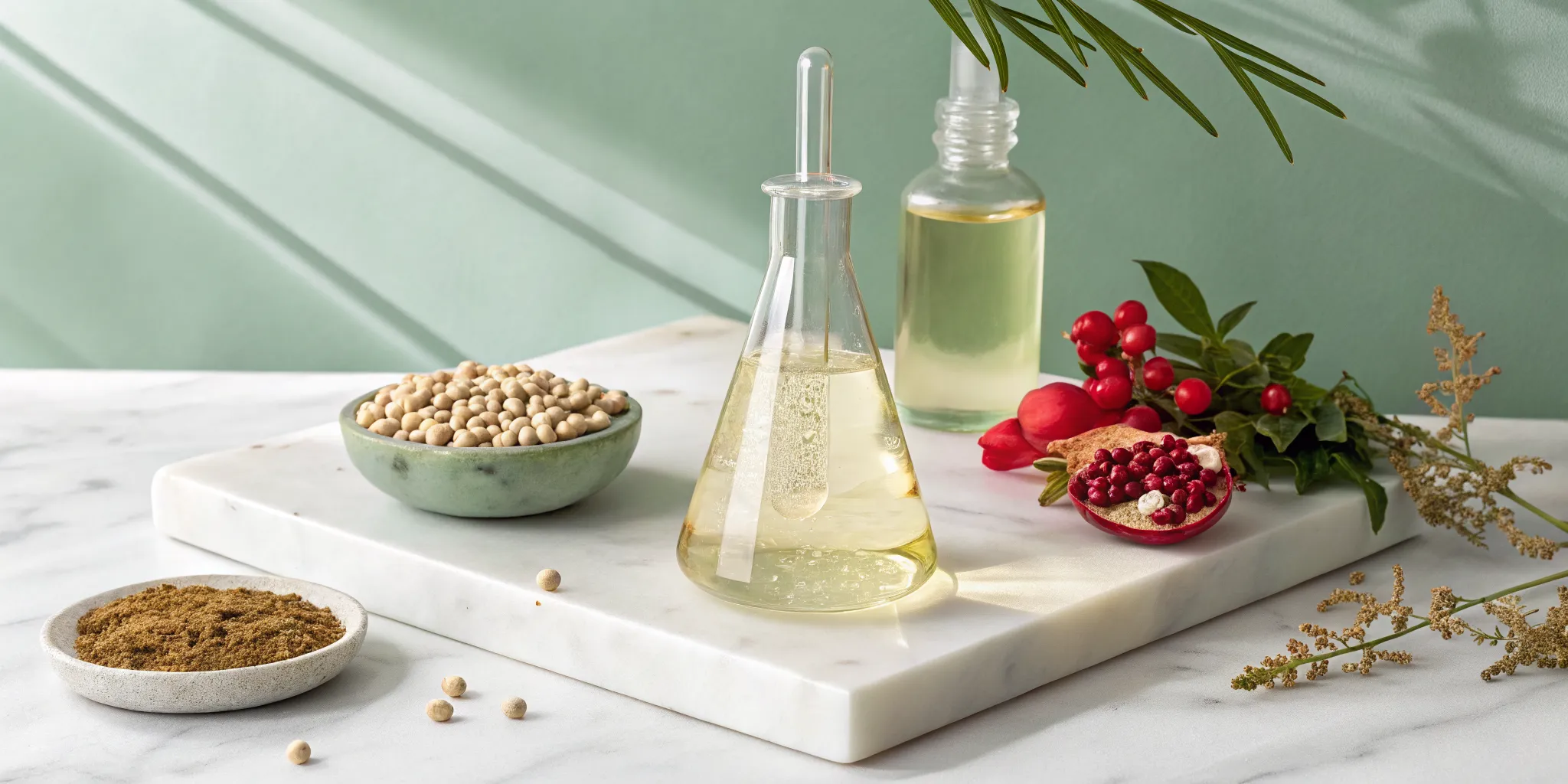
You can find these helpful compounds in a variety of everyday foods. Soy products, flaxseed, lentils, and chickpeas are some of the most well-known sources. By simply incorporating more of these foods into your meals, you may find some relief from common symptoms tied to low estrogen, like hot flashes or night sweats. While dietary changes can be a great first step in managing your hormonal health, they are often one piece of a larger puzzle. For more persistent or severe symptoms, a personalized treatment plan, such as Bioidentical Hormone Replacement Therapy, can offer more comprehensive support.
How Phytoestrogens Work in Your Body
So, how exactly do these plant compounds work? Phytoestrogens, like the isoflavones in soy or the lignans in flaxseed oil, are able to bind to the estrogen receptors throughout your body. Because they are much weaker than the estrogen your body makes, their effect is subtle. Research suggests they can offer mild relief from menopause symptoms, particularly hot flashes and night sweats, while also potentially supporting your bone density and heart health. This gentle action is why many women turn to phytoestrogen-rich foods as a natural starting point for managing their symptoms and supporting their overall wellness.
The Two Main Types: Isoflavones and Lignans
Phytoestrogens generally fall into two main categories, and knowing the difference can help you make more intentional food choices.
First, we have isoflavones. These are found in high concentrations in soy products like tofu, edamame, and soy milk. Isoflavones are particularly well-studied for their ability to help reduce the frequency and intensity of hot flashes and night sweats, which are common complaints during the menopausal transition.
The second type is lignans. Flaxseed is the richest dietary source of lignans, though you can also find them in other seeds, grains, and vegetables. Lignans play a key role in helping to balance hormone levels and can be especially useful for easing symptoms during perimenopause.
Foods That Naturally Support Estrogen
If you’re looking for ways to support your hormone health through your diet, you’ve come to the right place. The food you eat can play a significant role in how you feel, especially when it comes to estrogen levels. The key players here are “phytoestrogens,” which are natural compounds found in plants. Think of them as plant-based estrogens that can gently mimic the effects of the estrogen your body produces.
Incorporating phytoestrogen-rich foods into your meals is a fantastic, proactive step you can take to support your body’s natural balance. While dietary changes can be powerful, they are one piece of a larger wellness puzzle. For a comprehensive approach to concerns like vaginal dryness or other symptoms of hormonal shifts, it’s always best to create a personalized plan with a trusted healthcare provider. By focusing on whole foods, you’re not just supporting your hormones; you’re nourishing your entire body.
Your Estrogen-Friendly Grocery List
Ready to stock your kitchen? Adding hormone-supportive foods to your diet is easier than you think. Many of these items are probably already on your grocery list. The best sources of phytoestrogens are often grouped into two main categories: isoflavones and lignans. You can find isoflavones in soy products, while lignans are abundant in seeds.
Here’s a simple list to get you started:
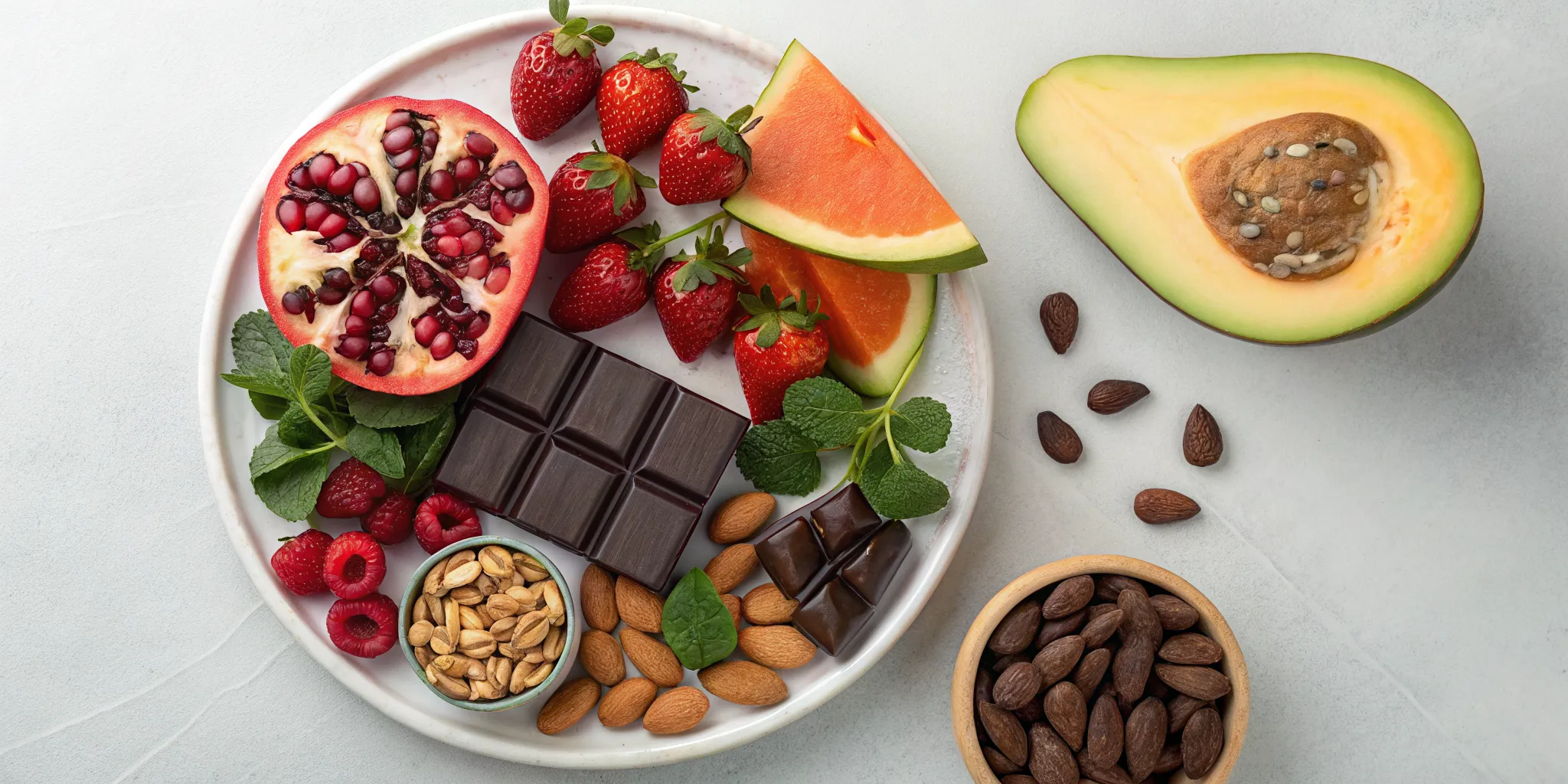
- Soy Products: Tofu, edamame, and soy milk are packed with isoflavones. Research from UCLA Health suggests these can be particularly helpful for managing menopause symptoms like hot flashes.
- Flaxseeds: These tiny seeds are a powerhouse of lignans. They are one of the richest dietary sources you can find.
- Legumes: Lentils and chickpeas are another great source of plant-based estrogens and are incredibly versatile in the kitchen.
Simple Ways to Add These Foods to Your Diet
The best way to make a new eating habit stick is to keep it simple. You don’t need to overhaul your entire diet overnight. Instead, try making small, consistent swaps and additions. Start by picking one or two foods from the list and finding easy ways to work them into meals you already enjoy.
Here are a few ideas to get you going:
- Sprinkle a tablespoon of ground flaxseed over your morning oatmeal, yogurt, or smoothie.
- Swap out meat for a block of firm tofu in your next stir-fry or curry.
- Add a handful of edamame to your salads for a protein kick.
- Toss a can of chickpeas or lentils into your favorite soup or stew to make it more filling and nutritious.
Key Vitamins and Minerals for Hormone Health
Beyond phytoestrogens, certain vitamins and minerals are essential for helping your body produce and use estrogen effectively. Think of them as the support crew for your hormonal health. Making sure you get enough of these nutrients can make a real difference in how you feel. While a balanced diet is the best source, understanding their roles can help you be more mindful of your food choices.
Here are a few key nutrients to focus on:
- B Vitamins: These are crucial for the creation of hormones, including estrogen.
- Vitamin D: Often called the “sunshine vitamin,” it functions like a hormone in your body and aids in estrogen production.
- Boron: This trace mineral, found in foods like almonds and raisins, helps your body metabolize and use estrogen.
- Vitamin E: Found in nuts and seeds, Vitamin E may help ease common menopause symptoms.
Which Herbal Supplements Actually Work?
Walking down the supplement aisle can feel overwhelming, with countless bottles promising relief from menopause symptoms. While many women are curious about herbal options for managing things like hot flashes and night sweats, it’s important to know that not all supplements are backed by the same level of science. Some have been studied for their potential benefits, while others have little to no evidence supporting their use and can even carry risks.
The key is to approach herbal remedies with a clear, informed perspective. Understanding what the research says about popular supplements can help you separate the promising options from the marketing hype. Think of these herbs as potential tools in your wellness toolkit, but not a replacement for a personalized health plan. Before adding any new supplement to your routine, it’s always best to have a conversation with a healthcare provider who understands your unique health profile and can guide you toward the safest and most effective solutions for your body.
Black Cohosh and Red Clover: What the Research Says
You’ve likely seen Black Cohosh and Red Clover on shelves, as they are two of the most talked-about herbs for menopause. Black Cohosh has a long history of use for managing symptoms like hot flashes and vaginal dryness. While the research is mixed, some studies suggest it can be effective for reducing hot flashes and night sweats. Red Clover is another popular choice because it contains phytoestrogens, which are plant-based compounds that can mimic estrogen in the body. Some women find it helps with their symptoms, but more research is needed to confirm just how effective it is.
A Look at Dong Quai and Other Traditional Remedies
Other herbs like Dong Quai, kava, and evening primrose oil are also frequently marketed for menopause relief. However, these remedies generally lack the scientific evidence to support their effectiveness. According to health experts, some of these traditional options may not provide the relief you’re looking for and could even pose health risks. It’s a good reminder that just because something is labeled “natural” doesn’t automatically mean it’s safe or effective for everyone. Being a cautious and informed consumer is your best strategy when considering these types of supplements.
How to Choose a High-Quality Supplement
If you’re thinking about trying an herbal supplement, your first step should always be to consult with a healthcare specialist. A professional can help you determine the most appropriate path based on your specific symptoms and health history, whether that involves supplements, lifestyle changes, or medical treatments like Bioidentical Hormone Replacement Therapy. If you and your doctor decide a supplement is a good option, look for products that have been tested by an independent, third-party organization. This verification helps ensure that the bottle actually contains the ingredients listed on the label.
What Are the Benefits of a Natural Approach?
Exploring natural options for estrogen replacement is often about feeling more connected to and in control of your body’s journey. For many women, the idea of using foods, herbs, and lifestyle adjustments to manage hormonal changes is incredibly appealing. This path focuses on supporting your body’s inherent systems rather than introducing external solutions right away. It’s a way to work with your body’s natural rhythms to find balance during perimenopause and menopause.
The goal isn’t to reject medical science but to integrate gentle, supportive practices into your daily life. Think of it as building a strong foundation for your hormonal health. By focusing on nutrition and holistic habits, you can address some symptoms at their source and foster overall wellness. This approach empowers you to play an active role in your health, making informed choices that feel right for you. It’s about finding a personalized strategy that may include natural methods, medical treatments, or a thoughtful combination of both.
A Potentially Gentler Option
For many of us, the idea of starting with a gentle, less-invasive approach is comforting. Turning to diet and supplements can feel like a softer first step in managing menopause symptoms. However, it’s important to remember that “natural” doesn’t automatically mean effective or safe for everyone. Some popular herbal remedies, for instance, have very little scientific proof to back up their claims and can even carry risks, like potential liver harm. This is why discussing your options with a professional is so crucial. A knowledgeable provider can help you understand which natural remedies are supported by research and are safe for your specific health profile, ensuring you receive expert care tailored to your needs.
Working With Your Body’s Natural Processes
One of the biggest benefits of a natural approach is its focus on supporting your body’s own functions. Certain plant-based foods contain compounds called phytoestrogens, which can gently mimic the effects of estrogen in the body. Studies suggest that incorporating things like soy and flaxseed might offer mild relief from hot flashes and support bone health. Similarly, specific vitamins and minerals are essential for hormone production. For example, vitamin D acts like a hormone itself, while boron helps your body effectively use the estrogen it already has. By focusing on these nutrients, you’re not just managing symptoms; you’re giving your body the building blocks it needs to find its own equilibrium, which is a core principle behind many modern hormone therapies.
Lifestyle Habits for Healthy Estrogen Levels
Supporting your body’s estrogen levels goes beyond what you eat. Your daily habits create the foundation for overall hormone health. Simple adjustments to how you move, sleep, and manage stress can make a significant difference in how you feel. Think of these lifestyle practices as powerful tools that work alongside a healthy diet to help your body find its balance. By focusing on these key areas, you can actively support your hormonal well-being from the inside out.
The Best Exercises for Hormone Balance
Regular movement is one of the best things you can do for your hormones. It helps manage weight, reduce stress, and improve your mood, all of which contribute to better hormonal balance. Aim for about 150 minutes of moderate activity, like a brisk walk, or 75 minutes of vigorous activity each week. Don’t forget to include strength training a couple of times a week. Building muscle supports your metabolism and protects your bones, which is especially important as estrogen levels decline. The key is consistency, so find an activity you genuinely enjoy.
How Stress and Sleep Impact Your Hormones
Chronic stress and poor sleep are a tough combination for your hormones. When you’re constantly stressed, your body produces more cortisol, the “stress hormone,” which can interfere with estrogen. Lack of quality sleep only makes this worse, disrupting the delicate rhythm of your endocrine system. This can intensify symptoms like mood swings, brain fog, and even low libido. Prioritizing rest is essential. Try creating a calming bedtime routine, practicing mindfulness, or simply making time for activities that help you unwind.
Understanding the Link Between Weight and Estrogen
Your body weight plays a direct role in estrogen production. Since fat cells produce a type of estrogen, maintaining a healthy weight helps keep your levels in a balanced range. During menopause, as the ovaries produce less estrogen, metabolic changes can make it easier to gain weight. This can throw your hormonal balance even further off. A holistic approach combining a nutrient-dense diet with regular exercise is the most effective way to manage your weight. For comprehensive support, treatments like Bioidentical Hormone Replacement Therapy can also help manage symptoms related to these shifts.
Are Natural Options Always Safe?
The word “natural” feels reassuring, especially when you’re looking for ways to support your body through hormonal changes. While incorporating hormone-friendly foods into your diet is a fantastic and safe step, venturing into the world of herbal supplements requires a bit more caution. Just because a remedy comes from a plant doesn’t automatically mean it’s safe or effective for everyone. Many alternative medicines that claim to ease menopause symptoms haven’t been proven to work in clinical studies.
The truth is, some supplements can have powerful effects on your body. They can interact with prescription medications, cause unwanted side effects, or be inappropriate for individuals with certain health conditions. This is why a conversation with a healthcare professional is so important. An expert can help you understand the real science behind a supplement and determine if it’s a good fit for your unique health profile. Making informed choices is the best way to ensure you’re caring for your body safely and effectively.
Understanding Potential Risks and Interactions
Before you add any new supplement to your routine, it’s essential to have a clear picture of the potential risks. Many herbal remedies are marketed with impressive claims, but the scientific evidence to back them up is often weak or nonexistent. According to the Mayo Clinic, most alternative medicines for menopause haven’t been proven to be effective.
The most important step you can take is to talk with your doctor. A supplement that works well for a friend might not be right for you. It could interact with medications you’re already taking or cause unexpected side effects. A healthcare provider who understands your full medical history can offer guidance on what is truly safe and help you create a personalized wellness plan.
When to Be Extra Cautious
Certain health conditions require extra diligence when considering natural supplements. For example, if you have a personal or family history of breast cancer, you should be especially careful. Some phytoestrogens, like isoflavone pills, may not be safe for you. It’s critical to discuss these options with your doctor before trying them.
Black Cohosh is another popular supplement for menopause symptoms, but research shows little proof that it works. More importantly, it has been linked to liver damage in some individuals and may not be safe for those who have had breast cancer. This is a perfect example of why a personalized medical approach, like Bioidentical Hormone Replacement Therapy, is often a safer and more effective route, as it’s tailored specifically to your body’s needs under medical supervision.
Why FDA Regulation Matters for Supplements
It’s important to know that the supplement industry operates differently than the pharmaceutical industry. The U.S. Food and Drug Administration (FDA) does not test or approve herbal products for safety or effectiveness before they hit the shelves. As UCLA Health points out, this lack of oversight means you can’t always be sure that a product is pure, potent, or even contains the ingredients listed on the label.
This regulatory gap puts the responsibility on you, the consumer, to be discerning. Without the FDA’s stamp of approval, you’re relying on the manufacturer’s word. Some supplements can be harmful on their own or cause dangerous interactions with other medications you take. Consulting with a medical expert who can recommend trusted, effective, and medically supervised treatments for hormonal health is the safest way to address your symptoms.
Natural Options vs. Bioidentical Hormone Therapy
When you’re dealing with the symptoms of hormonal shifts, it’s smart to explore all your options. Many women are drawn to natural remedies first, while others are ready for a more direct medical solution. Understanding the difference between over-the-counter supplements and prescribed treatments like bioidentical hormone therapy is the first step in finding what’s right for you. Both paths aim to restore balance, but they work in very different ways.
What Are the Key Differences?
The main distinction between natural estrogen support and bioidentical hormone therapy comes down to strength and structure. Over-the-counter options typically rely on phytoestrogens, which are plant-based compounds found in foods like soy and flaxseed. These compounds can bind to the estrogen receptors in your body, but they produce a much weaker effect than the estrogen your body makes. Think of them as a gentle nudge for very mild symptoms.
On the other hand, Bioidentical Hormone Replacement Therapy (BHRT) is a prescribed medical treatment that uses hormones molecularly identical to the ones your body produces naturally. This approach provides a much stronger and more direct way to replenish your hormone levels, making it highly effective for relieving moderate to severe menopause symptoms like hot flashes, brain fog, and vaginal dryness. If supplements are the minor leagues, BHRT is the majors for effective symptom relief.
Knowing When It’s Time to See a Doctor
While trying supplements or dietary changes can feel like an empowering first step, it’s essential to talk with a healthcare provider before starting anything new. Many herbal supplements can interact with other medications, and the research on their effectiveness is often limited. Self-diagnosing low estrogen based on symptoms alone isn’t reliable, as many other conditions can feel similar.
The only way to know for sure what’s happening with your hormone levels is to get a blood test and a comprehensive evaluation from a doctor. This is especially important if your symptoms are interfering with your daily life. A medical professional can help you understand your unique hormonal profile and create a personalized health plan that safely and effectively addresses your needs, whether that includes lifestyle adjustments, supplements, or hormone therapy.
Partnering With Your Healthcare Provider
Exploring natural ways to support your body through hormonal changes is an empowering step. But you don’t have to do it alone. Working with a healthcare provider who specializes in women’s health is the best way to make sure your choices are safe, effective, and right for your unique body. Think of it as building a team with you as the star player and your doctor as the expert coach. They can help you see the full picture, including how certain supplements might interact with medications you’re already taking or how your health history influences your options.
A true partnership with your provider means having open, honest conversations about your symptoms, goals, and concerns. This collaborative approach allows you to combine your knowledge of your own body with their medical expertise. Together, you can create a plan that feels right and delivers real results. By seeking out expert care, you can confidently explore natural estrogen replacements while knowing you have a trusted professional guiding you every step of the way. This ensures your journey toward hormonal balance is both successful and safe.
Questions to Ask at Your Next Appointment
To make the most of your doctor’s visit, it helps to come prepared. Before you start taking any new herbal remedies or dietary supplements, it’s essential to have a conversation with your provider. Make a list of any products you’re curious about and be ready to discuss your full health history.
Here are a few key topics to bring up:
- Potential Interactions: Ask if any of the supplements you’re considering could interfere with your current medications or health conditions.
- Personal Health History: If you have a history of hormone-sensitive cancers, like breast cancer, it’s especially important to discuss the safety of phytoestrogen supplements like isoflavones.
- Product Specifics: Whether it’s an over-the-counter supplement or a prescription, always review it with your specialist before you begin.
Creating Your Personalized Hormone Health Plan
Your hormone health plan should be as unique as you are. There is no single “best” or “safest” form of estrogen replacement; the right one is the option you and your doctor choose based on your specific needs and medical background. This personalized strategy is the foundation of effective hormone management.
Your plan should go beyond just supplements. Discuss how nutrition can support your body’s natural hormone production. For example, you can ask about incorporating key vitamins and minerals, like B vitamins that help produce estrogen or Vitamin D which acts like a hormone in the body. For some women, a natural approach is enough, while others may find that a treatment like Bioidentical Hormone Replacement Therapy is a better fit. A comprehensive plan considers all these elements to help you feel your best.
Frequently Asked Questions
Can changing my diet completely replace the need for hormone therapy? While incorporating phytoestrogen-rich foods like soy and flaxseed is a wonderful way to support your body, it’s typically not a one-to-one replacement for medical hormone therapy. The estrogen-like effect from plants is much milder than what your body produces. For women with significant symptoms like persistent hot flashes, brain fog, or vaginal dryness, dietary changes alone may not provide enough relief. Think of food as a foundational support system, while treatments like BHRT are designed to restore hormone levels more directly and effectively.
Are herbal supplements for menopause actually safe to try? This is a great question, and the answer requires some caution. The supplement industry isn’t regulated by the FDA, which means the purity and potency of products can vary widely. Some herbs, like Black Cohosh, have been linked to potential health risks and may not be safe for everyone, especially those with a history of certain cancers. Before trying any supplement, it’s essential to discuss it with your doctor to ensure it won’t interact with other medications or pose a risk to your specific health profile.
What’s the real difference between plant-based estrogens and bioidentical hormones? The key difference is in their structure and strength. Phytoestrogens, the compounds found in plants, have a similar shape to human estrogen and can fit into our body’s estrogen receptors, but they don’t create a very strong effect. Bioidentical hormones, on the other hand, are molecularly identical to the hormones your body makes. This means they are a perfect match for your receptors and can restore your hormone levels in a much more precise and effective way, offering more significant relief from symptoms.
I exercise and eat well, so why am I still experiencing symptoms of low estrogen? First, it’s fantastic that you’re already prioritizing a healthy lifestyle. Those habits create a strong foundation for your overall well-being. However, during perimenopause and menopause, the decline in ovarian estrogen production is a significant biological shift that even the best lifestyle can’t always override. Your body is going through a major change, and sometimes it needs more targeted support, like hormone therapy, to help rebalance things and alleviate persistent symptoms.
How do I know if a natural approach is enough for me, or if I should consider medical treatment? A good rule of thumb is to assess your quality of life. If you’ve made lifestyle and dietary changes and your symptoms are mild and manageable, you might be comfortable with that approach. However, if your symptoms are interfering with your sleep, work, relationships, or general happiness, it’s a clear sign that it’s time to talk to a specialist. A healthcare provider can run tests to see what’s really going on with your hormone levels and help you create a personalized plan that provides the relief you deserve.