


The conversation around menopause is finally getting louder, thanks to celebrities and advocates who are sharing their stories openly. This new transparency is fantastic, but it has also led to a flood of online health platforms, each promising relief. How do you know which one to trust? This article cuts through the noise. We’ll compare some of the most popular services, explain the different types of treatments you can receive virtually—from hormone therapy to wellness coaching—and discuss the costs involved. Our goal is to give you the clarity you need to choose the best telehealth menopause treatment with confidence.
First, What Are Perimenopause and Menopause?
Let’s start by clearing up the terms “perimenopause” and “menopause.” They’re often used interchangeably, but they represent distinct phases in a woman’s life. Understanding the difference is the first step toward finding the right support and treatment for what you’re experiencing. Each stage comes with its own set of changes and challenges, and knowing what to expect can make the process feel much more manageable. It’s about recognizing where you are in your journey so you can get the care you deserve.
Perimenopause: The Transition Phase
Perimenopause is essentially the transition period leading up to menopause. According to Everyday Health, this phase typically begins when a woman is between 40 and 50 years old and can last anywhere from five to ten years. The most common sign that you’ve entered perimenopause is a change in your menstrual cycle; your periods might become irregular, heavier, or lighter. This happens as your hormone levels, particularly estrogen, begin to fluctuate and decline. It’s a gradual process, and while it’s a completely natural part of aging, the unpredictability can be frustrating. Recognizing these early signs is key to starting a conversation with a healthcare provider about managing your symptoms.
Menopause: The Official Milestone
Menopause marks the official end of your reproductive years. You’ve reached menopause when you haven’t had a menstrual period for 12 consecutive months. The hormonal shifts that began during perimenopause become more pronounced, leading to a range of symptoms that can impact your daily life. Many women experience hot flashes, night sweats, mood swings, and difficulty sleeping. It’s also common to notice changes in your body like vaginal dryness or a lower libido. While this milestone can feel daunting, it’s important to remember that you don’t have to simply endure these symptoms. Effective treatments are available to help you feel like yourself again.
Why Consider Online Treatment for Menopause?
Once you understand the changes your body is going through, the next step is finding the right medical support. While scheduling an in-person visit is always an option, online treatment and telehealth consultations have become an incredibly valuable resource for women seeking care for menopause. This approach offers a unique blend of convenience and access to specialized knowledge, making it easier than ever to get personalized advice and treatment plans without disrupting your entire schedule. It puts expert care within reach, right from the comfort of your own home.
The Convenience of Telehealth
Let’s be honest, life is busy. Finding time for a doctor’s appointment can be a challenge, especially when you’re already dealing with fatigue or other menopause symptoms. As noted by The Flow Space, online companies are making menopause treatment much more accessible, regardless of where you live. Telehealth appointments eliminate travel time, waiting rooms, and the stress of fitting another errand into your day. You can speak with a specialist from your home or office, making it simpler to prioritize your health. This convenience allows for more consistent follow-up and care, which is crucial for effectively managing symptoms over time.
Access to Specialized Care
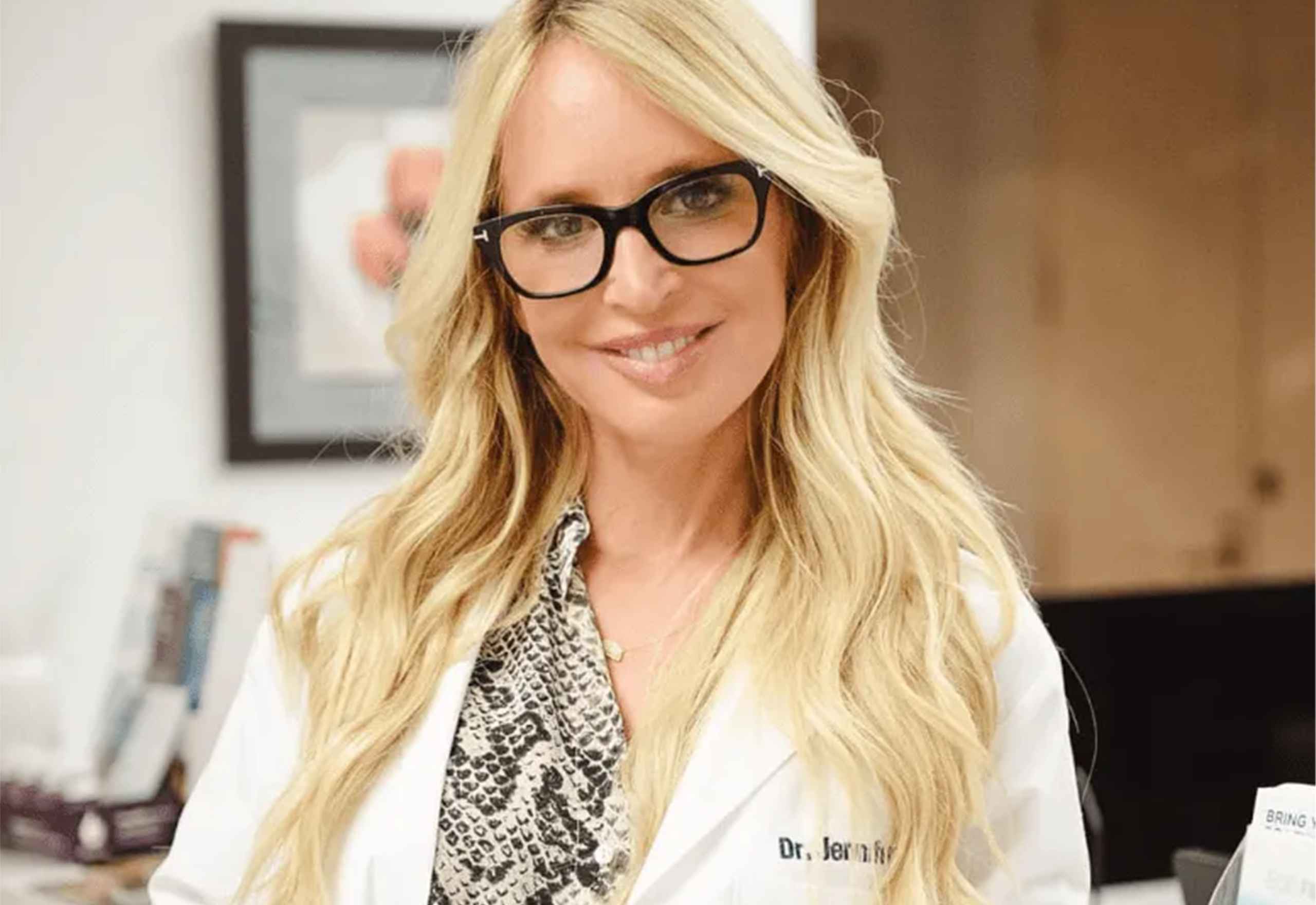
Finding a local doctor who is a true expert in menopause can be surprisingly difficult. Many general practitioners have limited training in the specific hormonal complexities of this life stage. This is why online treatment options are gaining so much traction. They connect you directly with specialists who dedicate their practice to women’s health. At our clinic, Dr. Berman provides that deep expertise, offering personalized care plans that address your unique symptoms. Whether you’re exploring options like Biote Hormone Therapy or other treatments, having access to a specialist ensures you receive the most current and effective care available, helping you feel confident in your health decisions.
Where to Find Menopause Support Online
Support groups and online communities can be incredibly valuable resources for women navigating the challenges of menopause, especially when it comes to sexual health and intimacy issues. These groups provide a safe space for women to share their experiences, ask questions, and receive support from others who are going through similar struggles. Dr. Jennifer Berman encourages women to seek out these support networks to help them feel less alone and more empowered in their journey.
Joining a support group can provide a sense of community and belonging that is crucial during this time of transition. Women can connect with others who understand what they are going through and offer advice, empathy, and encouragement. Dr. Jennifer Berman believes that sharing experiences with others can help women feel understood and validated, which can be incredibly healing and empowering.
In addition to face-to-face support groups, there are also numerous online communities dedicated to menopausal women and their unique challenges. These virtual groups allow women to connect with others from the comfort of their own homes, making it easier to access support whenever they need it. Dr. Jennifer Berman recommends exploring online forums, social media groups, and websites dedicated to menopause to find a community that resonates with you.
In these online communities, women can find a wealth of information, resources, and tools to help them navigate their sexual health and intimacy issues. From expert advice to personal stories, these platforms offer a wealth of knowledge and support that can make a real difference in women’s lives. Dr. Jennifer Berman encourages women to take advantage of these resources to educate themselves and empower themselves to take control of their sexual health and intimacy.
Overall, support groups and online communities are invaluable resources for menopausal women who are struggling with sexual health and intimacy issues. By connecting with others who understand their experiences, women can feel less isolated and more supported in their journey. Dr. Jennifer Berman urges women to seek out these communities, both in person and online, to find the support and guidance they need to navigate this challenging time with confidence and resilience.
My Go-To Menopause Resources

Welcome to the recommended reading and resources section of “The Menopause Biotype: Navigating Sexual Health and Intimacy with Dr. Jennifer Berman.” As women navigating menopause, it’s important to arm ourselves with knowledge and tools to empower us on our journey to sexual health and intimacy. Dr. Jennifer Berman has curated a list of resources to help you better understand your body and navigate this transformative time in your life with confidence and grace.
One highly recommended book is “The Menopause Biotype” by Dr. Jennifer Berman herself. In this groundbreaking book, Dr. Berman explores the unique challenges that menopausal women face when it comes to sexual health and intimacy. With a compassionate and informative approach, she offers practical advice and strategies to help women reclaim their sexuality and intimacy during this stage of life.
For those looking to delve deeper into the science behind menopause and sexual health, “Menopause Confidential” by Tara Allmen, MD, is a must-read. Dr. Allmen breaks down complex medical concepts into easy-to-understand language, providing women with the knowledge they need to make informed decisions about their health and well-being.
If you’re interested in exploring holistic approaches to menopause and sexual health, “The Wisdom of Menopause” by Christiane Northrup, MD, is an invaluable resource. Dr. Northrup combines traditional medical knowledge with alternative healing practices to offer a comprehensive guide to navigating menopause with grace and vitality.
In addition to these books, there are a number of online resources and support groups available to women navigating menopause and sexual health issues. Websites such as The North American Menopause Society and The International Society for the Study of Women’s Sexual Health provide up-to-date information and support for women seeking guidance on sexual health and intimacy during menopause. Remember, you are not alone on this journey, and there are resources available to help you navigate this transformative time in your life with confidence and empowerment.
How to Find the Best Telehealth Menopause Treatment

When it comes to navigating the changes that come with menopause, finding a healthcare provider who understands your unique needs is essential. Dr. Jennifer Berman, a renowned expert in women’s sexual health and intimacy issues, emphasizes the importance of finding a healthcare provider who can support you through this transitional phase of life. Whether you are experiencing hot flashes, mood swings, or changes in your sexual desire, having a healthcare provider who is knowledgeable about menopause can make all the difference in your journey toward optimal health and well-being.
Dr. Jennifer Berman and The Menopause Biotype approach healthcare from a holistic perspective, taking into account the physical, emotional, and psychological aspects of menopause. This means that your healthcare provider should not only address your physical symptoms but also consider how these changes are impacting your mental and emotional well-being. By finding a healthcare provider who takes a comprehensive approach to menopause, you can feel confident that you are receiving the personalized care and support you need to navigate this phase of life with grace and ease.
When searching for a healthcare provider, it is important to consider their experience and expertise in treating menopausal women. Dr. Jennifer Berman recommends seeking out a healthcare provider who has a deep understanding of the hormonal changes that occur during menopause and how they can impact your sexual health and intimacy. By finding a provider who specializes in menopause care, you can feel confident that you are receiving the most up-to-date and effective treatments for your symptoms.
In addition to seeking out a healthcare provider who is knowledgeable about menopause, it is also important to find someone who you feel comfortable with and can trust. Dr. Jennifer Berman emphasizes the importance of open communication between you and your healthcare provider, as this will allow you to discuss your symptoms, concerns, and treatment options openly and honestly. By finding a provider who listens to your needs and respects your preferences, you can feel empowered to take control of your health and make informed decisions about your care.
In conclusion, finding a healthcare provider who understands your unique needs as a menopausal woman is essential for navigating the changes that come with this phase of life. Dr. Jennifer Berman and The Menopause Biotype advocate for a holistic approach to menopause care, emphasizing the importance of finding a provider who takes into account your physical, emotional, and psychological well-being. By seeking out a healthcare provider who specializes in menopause care, you can feel confident that you are receiving personalized and effective treatments for your symptoms. Remember, you deserve to feel supported and empowered on your journey toward optimal health and well-being during menopause.
How the Process Typically Works
Getting started with an online menopause specialist follows a pretty standard path, designed to be as straightforward as possible. The goal is to give your provider a complete picture of your health so they can create a plan that’s right for you. It all begins from your computer or phone, making it incredibly accessible. You’ll move from an initial intake to a personal consultation and then to a customized treatment plan, all with ongoing support. This process ensures that even though the care is virtual, it’s still thorough, personalized, and focused on your specific symptoms and wellness goals.
Step 1: Initial Sign-Up and Health Survey
The first thing you’ll do is sign up on the platform and complete a detailed health survey. This isn’t just a basic form; it’s an in-depth questionnaire about your symptoms, medical history, lifestyle, and what you hope to achieve. Think of it as the foundation for your entire treatment plan. Answering these questions honestly and thoroughly helps your healthcare provider get a clear understanding of what you’re experiencing, from hot flashes and sleep disturbances to changes in your libido or mood, before you even have your first conversation.
Step 2: The Virtual Consultation
After your provider reviews your health survey, you’ll schedule a virtual consultation. This is typically a video call where you can talk face-to-face with a menopause specialist. It’s your chance to discuss your symptoms in more detail, ask questions, and share your concerns. This one-on-one time is crucial for building a trusting relationship with your provider. They will use this conversation to confirm the details from your survey and get a better sense of you as a person, ensuring your treatment plan feels collaborative and right for you.
Step 3: Your Personalized Treatment Plan
Based on your survey and consultation, your provider will develop a personalized treatment plan. This isn’t a one-size-fits-all solution; it’s tailored specifically to your body and your symptoms. Your plan might include prescriptions for treatments like Bioidentical Hormone Replacement Therapy (BHRT), recommendations for lifestyle adjustments like diet and exercise, or suggestions for supplements. The goal is to address your symptoms effectively and improve your overall quality of life, helping you feel more like yourself again.
Step 4: Ongoing Support and Follow-Ups
Menopause care isn’t a one-and-done deal. Your body and symptoms can change, so your treatment plan may need adjustments over time. Most online platforms provide ongoing support through follow-up appointments to check your progress and tweak your plan as needed. Many also offer access to educational resources, messaging with your care team, and online communities where you can connect with other women who are on a similar path. This continuous support system is key to long-term success and well-being.
Popular Online Menopause Treatment Platforms
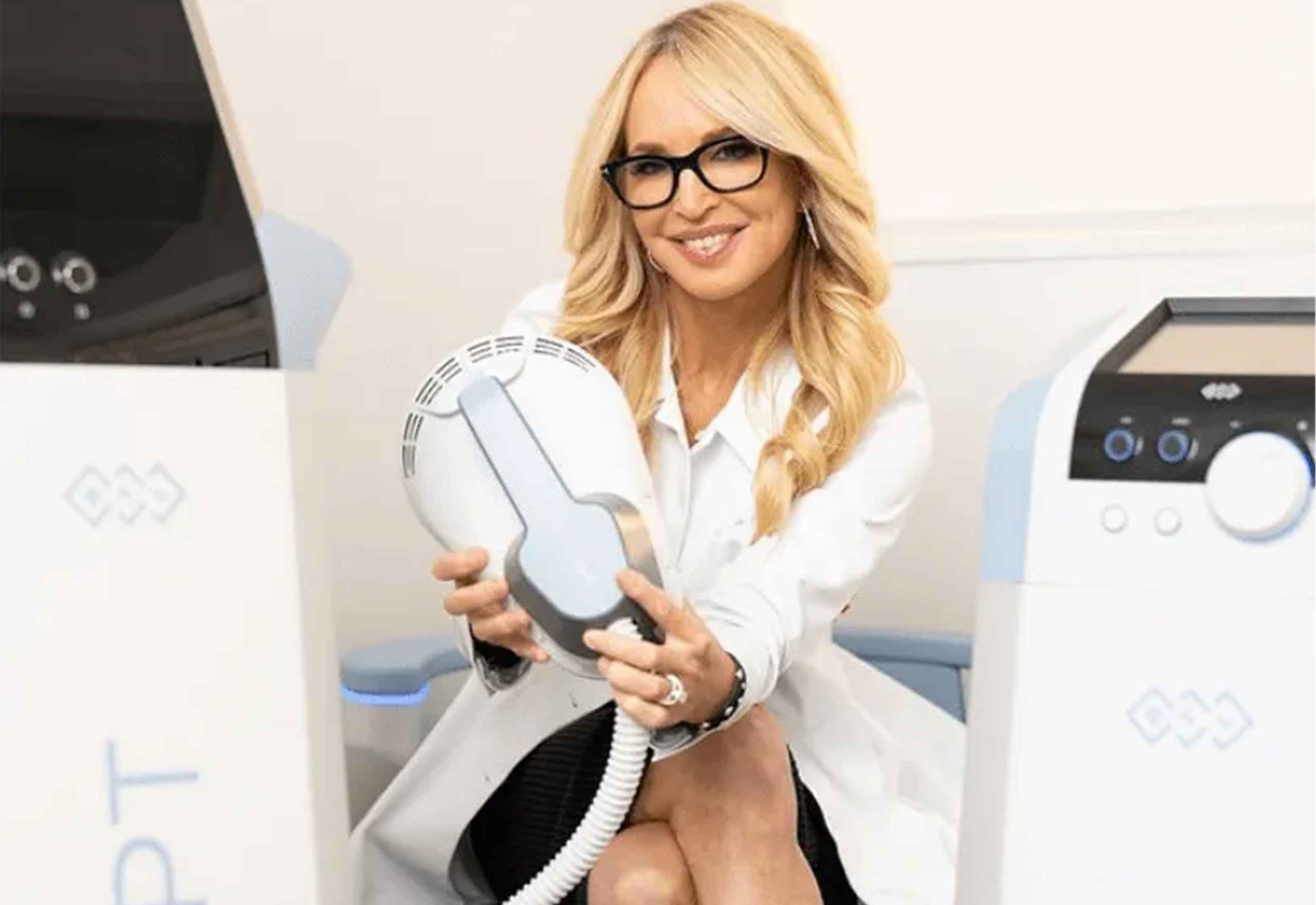
The world of virtual health has expanded, and there are now several reputable platforms dedicated to menopause care. Each one has a slightly different approach, so you can find one that aligns with your needs, whether you’re looking for a service that takes your insurance, delivers treatment to your door, or offers a more holistic plan. While these platforms offer great convenience, it’s also important to remember the value of in-person, specialized care for complex issues. A specialist like Dr. Berman can provide advanced treatments such as the O-Shot or Morpheus 8-V that aren’t available through telehealth.
For Insurance-Covered Care: Midi
If using your health insurance is a top priority, Midi is a great option to explore. It’s a virtual clinic specifically for women in perimenopause and menopause, and it’s covered by most major insurance plans. Their specialists are trained to handle a wide range of symptoms, providing personalized care that’s both high-quality and accessible. By working with insurers, Midi helps make specialized menopause care more affordable for more women, removing a significant barrier to getting the help you need.
For At-Home HRT Delivery: Winona
For those who value convenience, Winona stands out by offering doctor-prescribed hormone replacement therapy (HRT) that is shipped directly to your home. After a virtual consultation with one of their doctors, you can get a prescription for treatments like estrogen creams or progesterone pills delivered discreetly to your door. This model simplifies the process of getting and refilling prescriptions, making it an excellent choice for busy women who want a no-fuss approach to managing their menopause symptoms with HRT.
For Flexible Memberships: Evernow
Evernow operates on a membership model that provides unlimited access to your provider for a flat fee. This can be ideal if you anticipate needing regular communication and adjustments to your treatment plan. They offer personalized prescriptions and expert care for a wide range of menopause symptoms. The membership structure is designed to provide continuous, dedicated support without worrying about per-visit fees, making it a predictable and comprehensive option for managing your health through menopause.
For a Holistic Approach: Allara Health
If you’re looking for a more comprehensive, whole-body approach, Allara Health is worth considering. While they specialize in conditions like PCOS, their model is beneficial for menopause care as well. Allara creates a personal care team for you that can include a dietitian alongside your medical provider. This holistic focus means your treatment plan will likely incorporate nutrition, lifestyle changes, and medical care to address your hormonal health from all angles, which is perfect for anyone wanting to go beyond just prescriptions.
For Longer Appointments: HerMD Health
Feeling rushed at the doctor’s office is a common complaint, but HerMD Health aims to solve that problem. They are known for offering significantly longer appointments—typically 20 to 60 minutes—giving you ample time to discuss your symptoms and concerns without feeling like you’re on a clock. This patient-centered approach allows for deeper conversations and a more thorough understanding of your health. If you value having extended, unhurried time with your provider, HerMD could be the right fit for you.
What Kinds of Treatments Can You Get Online?
Virtual menopause care offers a surprisingly wide range of treatment options that can be managed remotely. The primary focus is on symptom relief and improving your quality of life through medical and lifestyle interventions. You can get prescriptions for hormonal and non-hormonal medications, receive personalized wellness coaching, and even access mental health support. While telehealth is powerful, some concerns, like severe pelvic pain or issues requiring a physical exam, are best addressed with an in-person specialist who can offer a complete diagnosis and a broader range of treatments.
Hormone Replacement Therapy (HRT)
Hormone Replacement Therapy (HRT) is one of the most common and effective treatments for menopause symptoms, and you can absolutely get it prescribed online. After a thorough evaluation, a provider can prescribe estrogen, progesterone, or a combination of both to help relieve symptoms like hot flashes, night sweats, and vaginal dryness. Many platforms offer various forms of HRT, including pills, patches, and creams, allowing for a treatment plan that is customized to your specific hormonal needs and preferences.
Non-Hormonal Medications
HRT isn’t the right choice for everyone, and online providers are equipped to offer non-hormonal alternatives. These can include certain antidepressants (SSRIs) that have been shown to help with hot flashes, medications to prevent bone loss, or other prescriptions to manage specific symptoms. This ensures that women who cannot or choose not to take hormones still have effective, medically sound options for finding relief and managing their health through the menopause transition.
Lifestyle and Wellness Coaching
Many online menopause platforms recognize that medication is only one piece of the puzzle. They often include lifestyle and wellness coaching to help you manage symptoms through diet, exercise, stress reduction, and sleep hygiene. A coach can provide you with actionable strategies and support to make lasting changes that complement your medical treatment. This holistic support can empower you to take an active role in your health and well-being beyond just taking a prescription.
Cognitive Behavioral Therapy (CBT)
The emotional and psychological symptoms of menopause, like anxiety, mood swings, and insomnia, can be just as challenging as the physical ones. Some telehealth platforms offer Cognitive Behavioral Therapy (CBT) as part of their comprehensive approach. CBT is a form of talk therapy that can help you develop coping strategies to manage these symptoms effectively. Having access to mental health support as part of your menopause care plan acknowledges the deep connection between your mind and body during this transition.
Understanding the Costs of Virtual Menopause Care
When considering online menopause treatment, it’s important to understand the potential costs involved. The financial structure can vary significantly from one platform to another, with some operating on a subscription basis and others charging per visit. Costs can include initial consultation fees, monthly memberships, and the price of prescriptions or supplements. Before signing up, take some time to review the pricing details of any platform you’re considering to ensure it fits within your budget and that there are no surprise fees down the line.
Consultation Fees and Memberships
Most online menopause platforms have an initial consultation fee, which can range from around $25 to over $250, depending on the provider and the length of the visit. After the initial appointment, many services switch to a monthly or quarterly membership model. These subscriptions often cover ongoing communication with your care team, follow-up appointments, and access to other resources. Be sure to clarify what is included in the membership fee so you know exactly what you’re paying for.
Using Insurance, HSA, and FSA
The good news is that many online menopause platforms are making it easier to use your health benefits. Some, like Midi, directly accept a wide range of insurance plans. For those that don’t, you can often pay with funds from a Health Savings Account (HSA) or Flexible Spending Account (FSA). It’s always a good idea to check with your insurance provider beforehand to see what’s covered. Even if the platform is out-of-network, you may be able to submit a claim for partial reimbursement.
Let’s Talk About Intimacy and Menopause

In this subchapter, “Taking Charge of Your Sexual Health and Intimacy,” we will explore the importance of being proactive in managing your sexual health and intimacy during menopause. As women, it is crucial to prioritize our well-being and address any concerns we may have in this area of our lives. By taking charge and seeking the necessary information and support, we can navigate this transitional phase with confidence and grace.
Dr. Jennifer Berman, a renowned expert in menopause and sexual health, emphasizes the significance of being proactive in addressing any issues that may arise during this time. By understanding the changes that occur in our bodies during menopause, we can better equip ourselves to make informed decisions about our sexual health and intimacy. Dr. Berman’s expertise and guidance can help us navigate this journey with ease and empowerment.
The Menopause Biotype approach, developed by Dr. Jennifer Berman, offers a personalized and holistic approach to managing sexual health and intimacy during menopause. By understanding our unique biotype and how it impacts our sexual health, we can tailor our approach to address any specific concerns or challenges we may face. This individualized approach allows us to take charge of our sexual health and intimacy in a way that is tailored to our own needs and preferences.
As women navigating menopause, it is essential to prioritize our sexual health and intimacy. By taking charge of these aspects of our lives, we can enhance our overall well-being and quality of life. With the guidance of Dr. Jennifer Berman and the Menopause Biotype approach, we can confidently address any issues that may arise and take proactive steps toward maintaining a fulfilling and satisfying sex life during this additional phase.
In conclusion, by taking charge of our sexual health and intimacy during menopause, we can empower ourselves to navigate this phase with confidence and grace. With the support and guidance of experts like Dr. Jennifer Berman and the Menopause Biotype approach, we can address any concerns or challenges we may face in a personalized and holistic manner. By prioritizing our sexual health and intimacy, we can enhance our overall well-being and quality of life as we navigate this transformative stage with strength and resilience.
How Celebrities Are Talking About Menopause
The conversation around menopause is finally getting the spotlight it deserves, and a big reason for that is the growing number of celebrities who are speaking openly about their experiences. For so long, this natural life stage was shrouded in silence, leaving many women to feel isolated and confused. But now, influential figures are sharing their stories, from the challenging symptoms to the solutions that have worked for them. This shift is incredibly powerful. It helps to normalize the experience, dismantle outdated stigmas, and show millions of women that they are not alone. By bringing menopause into the mainstream, these public conversations are encouraging more women to seek information, find support, and advocate for their own health with confidence.
Jennifer Aniston’s Fitness Approach
Jennifer Aniston is a great example of someone using their platform to highlight a proactive approach to wellness during menopause. She has been open about her partnership with the fitness brand Pvolve, which focuses on low-impact strength training. In fact, some studies suggest that her specific fitness regimen is particularly effective for menopausal women, even more so than some standard government guidance. Her emphasis on maintaining physical activity shows how movement can be a powerful tool for managing symptoms and improving overall well-being. It’s a reminder that finding a sustainable, enjoyable fitness routine can make a huge difference in how you feel, both physically and mentally, during this transition.
Davina McCall’s HRT Routine
Across the pond, British television presenter Davina McCall has become a powerful advocate for Hormone Replacement Therapy (HRT). She has been incredibly candid about her own menopause journey and how HRT helped her reclaim her quality of life. By sharing her story, she has helped to demystify HRT and reduce the stigma that has long surrounded it. Her advocacy encourages women to have open conversations with their doctors and explore all available treatment options. This is so important because treatments like Bioidentical Hormone Replacement Therapy can be life-changing, helping to manage everything from hot flashes to mood swings and low libido. Davina’s work empowers women to seek the medical support they need to thrive.
Frequently Asked Questions
Is online menopause treatment as effective as seeing a doctor in person? Think of online treatment as a fantastic and convenient tool for a specific job. For managing common symptoms through consultations and getting prescriptions like Hormone Replacement Therapy, it can be incredibly effective. However, it doesn’t replace the value of an in-person visit. A specialist you see in person can perform a physical exam and offer a wider range of advanced procedures for issues like severe pelvic pain or sexual dysfunction that simply can’t be done virtually.
How do I know which type of online treatment is right for me? The best treatment plan is always the one that’s tailored to you. That’s why the process starts with a detailed health survey and a one-on-one consultation. During your conversation with the provider, you’ll discuss your specific symptoms, your health history, and your personal preferences. This dialogue helps determine whether hormone therapy, non-hormonal medications, or a more holistic plan focused on lifestyle changes is the best path forward for you.
What if I’m not a candidate for Hormone Replacement Therapy (HRT)? This is a very common concern, and you absolutely have other options. Many women cannot or choose not to use hormones for various health reasons. A good telehealth provider will be well-versed in effective non-hormonal treatments, which can include certain medications to manage hot flashes or supplements to support bone health. They can also connect you with wellness coaching to address symptoms through nutrition, exercise, and stress management.
How can I be sure I’m getting a personalized plan and not just a generic prescription? A reputable platform ensures your plan is personalized through a multi-step process. It begins with a comprehensive health questionnaire that goes deep into your symptoms and medical background. The most crucial part is the virtual consultation, where you have a real conversation with a healthcare provider. This allows them to understand the nuances of your experience and collaborate with you on a treatment plan that addresses your specific needs and goals.
Can telehealth address all my menopause symptoms, especially more intimate ones like low libido or vaginal dryness? Telehealth is an excellent starting point for these conversations. A provider can prescribe medications, such as localized estrogen for vaginal dryness, that can make a real difference. However, for more targeted and advanced solutions that address sexual response, incontinence, or tissue laxity, in-person treatments like the O-Shot, Emsella, or Morpheus 8-V are often more effective. Virtual care can manage many symptoms, but a specialist’s office provides access to the full spectrum of care.
Key Takeaways
- Embrace the Convenience of Virtual Care: Telehealth makes connecting with menopause specialists easier than ever, allowing you to get personalized advice and treatment plans from the comfort of your home.
- Find a Treatment Plan That Fits You: Your menopause experience is unique, and your care should be too. Look for a provider who offers a tailored approach, whether that includes hormone therapy, lifestyle coaching, or non-hormonal options.
- Recognize When In-Person Care is Necessary: While online platforms are powerful for managing many symptoms, some concerns require a physical exam or advanced procedures, making an in-person specialist essential for a complete diagnosis and treatment.




Leave A Comment
You must be logged in to post a comment.