

A moment of contraceptive failure doesn’t have to become a crisis. Emergency contraception is a powerful tool that gives you a second chance to prevent pregnancy after unprotected sex. Understanding how to use it correctly and where to access it quickly is key to feeling secure and in control. This article will provide a clear overview of your options, from the morning-after pill to other effective methods. We believe knowledge is empowering, especially when it comes to your body. We’ll discuss everything you need to know, including how to get personalized advice on emergency contraception in Beverly Hills from a women’s health expert who prioritizes your comfort and care.
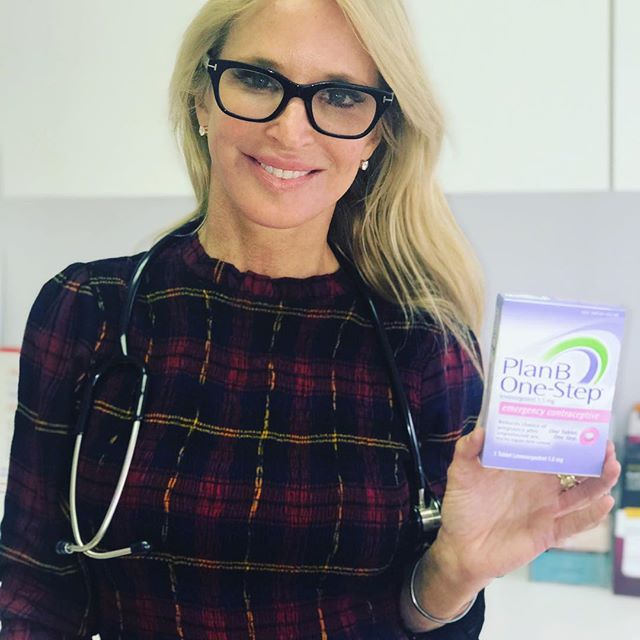
When normal methods of birth control fail, it’s best to have an emergency backup ready at hand. Enter Plan B: the emergency contraception pill, also known as the “morning after” pill. If a condom breaks or you’re otherwise worried about unprotected sex, Plan B will prevent 75-89% of unplanned pregnancies if taken in the three days after sex.
Is It Safe to Take Plan B?
Plan B works by releasing a hormone called levonorgestrel, a lab-made version of progesterone, into your body to delay ovulation and prevent implantation of any eggs into the uterine wall. It may have mild side effects such as an upset stomach or dizziness, but the most common is a change in your period, which may become lighter or heavier, or occur off its normal schedule. Though Plan B should not be used regularly or long-term, it is perfectly safe for occasional pregnancy prevention. According to Dr. Jennifer Berman, “Almost half of women surveyed have taken Plan B, or another form of emergency contraception.” For more information on Plan B, see the full article at https://bestlifeonline.com/how-plan-b-works/ or visit Berman Sexual Health to discuss pregnancy prevention with Dr. Berman, a recognized expert in women’s sexual health.
How Long Do You Have to Take Plan B?
When it comes to taking Plan B, the sooner, the better. For the highest level of effectiveness, you should take Plan B One-Step within 72 hours (three days) of unprotected sex. Acting within this timeframe gives you the best chance of preventing an unplanned pregnancy. However, you do have a slightly larger window than many people realize. According to Yale Health, emergency contraception can still be taken up to 120 hours (five days) after intercourse. It’s crucial to remember that its effectiveness decreases with each day that passes. If you find yourself needing guidance on contraception or have questions about your options, speaking with a women’s health expert can provide clarity and support for your specific needs.
Where to Get Emergency Contraception
When you need emergency contraception, time is of the essence. Fortunately, you have a few reliable options for getting it quickly. The most common choice is purchasing it over-the-counter at your local pharmacy or drugstore. Most major chains carry Plan B or its generic equivalents, and you don’t need a prescription to buy it. However, if you’re looking for guidance or want to discuss other options, seeking professional medical advice is a great step. Knowing where to turn can give you peace of mind and ensure you get the care you need without delay, allowing you to make an informed decision about your health in a timely manner.
Urgent Care Centers
If your regular doctor’s office is closed or you can’t get a timely appointment, an urgent care center is an excellent resource. These clinics are set up to handle immediate medical needs that aren’t life-threatening. According to Centers Urgent Care, these centers can prescribe various forms of birth control, including the morning-after pill. This makes them a convenient and fast option when you need a prescription or professional advice right away. You can walk in, speak with a healthcare provider, and leave with a plan, often in less time than it would take to get an appointment elsewhere.
Your Local OB/GYN or Sexual Health Clinic
Your OB/GYN or a specialized sexual health clinic is another fantastic place to get emergency contraception. These providers offer a supportive and knowledgeable environment where you can discuss your situation confidentially. Clinics like HealthQ emphasize creating a safe space for discussing all aspects of sexual health. For women in the Los Angeles area, a dedicated expert like Dr. Jennifer Berman can provide not only emergency options but also long-term guidance on your overall sexual and urinary tract health. Building a relationship with a trusted provider ensures you have someone to turn to for all your health questions and needs.
Beyond the Morning-After Pill: Other Birth Control Options
While emergency contraception is a crucial tool, it’s designed for occasional use, not as a primary method of birth control. Thinking about a long-term strategy can give you more control and peace of mind. There are many different types of birth control available today, each with its own set of benefits and considerations. From daily pills to long-acting devices, the right option for you depends on your lifestyle, health history, and personal preferences. Exploring these choices with a healthcare provider can help you find a method that fits seamlessly into your life and empowers you to manage your reproductive health proactively.
Barrier Methods
Barrier methods are a straightforward and hormone-free way to prevent pregnancy. As explained by Essex County OB/GYN, these methods work by creating a physical barrier that stops sperm from reaching an egg. The most common examples are male and female condoms, diaphragms, and contraceptive sponges. Condoms also have the added benefit of protecting against sexually transmitted infections (STIs). Barrier methods are used only during sex, making them a good option for people who prefer not to use a daily or long-term method. They are widely available and can be a reliable choice when used correctly and consistently.
Hormonal Methods
Hormonal methods are a popular and highly effective way to prevent pregnancy. These options, which include birth control pills, patches, and shots, use hormones to stop ovulation so there’s no egg to be fertilized. Many women also appreciate the additional benefits of hormonal birth control, such as lighter periods and clearer skin. However, they require consistency—a pill must be taken daily, and patches or shots need to be administered on a strict schedule. Discussing your health history with a doctor is important to ensure a hormonal method is a safe and suitable choice for your body and lifestyle.
Long-Acting Reversible Contraceptives (LARCs)
For those seeking a “set it and forget it” approach, Long-Acting Reversible Contraceptives (LARCs) are an excellent choice. These include devices like IUDs (Mirena, Kyleena, Paragard) and implantable rods like Nexplanon. Once placed by a healthcare provider, LARCs can prevent pregnancy for several years, making them one of the most effective forms of birth control available. They are reversible, so your fertility returns to normal soon after the device is removed. This combination of convenience and effectiveness makes LARCs a top choice for many women who want reliable, long-term protection without a daily routine.
Permanent Birth Control
If you are certain that you do not want to have children in the future, permanent birth control may be the right path for you. These methods, such as tubal ligation for women, are surgical procedures that permanently prevent pregnancy. This is a significant decision that should be made after careful consideration and thorough discussion with your partner and a trusted healthcare provider. While highly effective, it’s important to remember that these procedures are generally not reversible, so they are best suited for individuals who are confident in their decision to prevent pregnancy for the rest of their lives.
How to Access Birth Control and Sexual Health Services
Taking charge of your sexual health starts with finding the right care, but that can sometimes feel like a challenge. The key is to find a provider and a clinic that not only offers the services you need but also makes you feel comfortable, heard, and respected. Modern healthcare offers more flexibility than ever, with options ranging from in-person visits to telehealth consultations. Prioritizing your needs and seeking out a supportive environment will empower you to ask questions openly and make the best decisions for your body. Your health is personal, and your healthcare experience should be, too.
Finding a Provider Who Fits Your Needs
The relationship you have with your healthcare provider is fundamental to your well-being. It’s essential to find someone who provides excellent, evidence-based care while respecting your personal choices and privacy. This is especially true when it comes to sensitive topics like sexual health. A great provider listens without judgment and partners with you to create a personalized care plan. At practices like Dr. Jennifer Berman’s, the focus is on a comprehensive and individualized approach to women’s wellness, ensuring that your unique health concerns are addressed with expertise and compassion in a supportive setting.
Telehealth and Same-Day Appointments
Life is busy, and getting to a doctor’s appointment isn’t always easy. Thankfully, many clinics now offer more flexible scheduling to accommodate your needs. As noted by HealthQ, options like same-day or next-day appointments and evening hours make it much easier to access care when you need it most. Telehealth has also become a game-changer, allowing you to consult with a provider from the comfort of your home. These convenient options remove barriers to care, ensuring you can get timely advice and prescriptions without disrupting your entire schedule.
Confidential and Private Care
Privacy is paramount when it comes to your health, especially sexual health. You need to feel confident that your conversations and medical records are kept secure and confidential. A trustworthy healthcare provider will create a judgment-free zone where you can speak openly about your concerns. This commitment to privacy allows for honest dialogue, which is crucial for receiving the best possible care. When you seek out a provider, look for one who explicitly states their commitment to protecting your information and providing a safe, confidential environment for all your healthcare needs.
Discuss Emergency Contraception in Beverly Hills
Frequently Asked Questions
Is the morning-after pill the same as the abortion pill? This is a common point of confusion, but they are two completely different medications. The morning-after pill, like Plan B, works by preventing or delaying ovulation to stop a pregnancy from ever starting. It will not end an existing pregnancy. The abortion pill, on the other hand, is used to terminate an established pregnancy.
Will taking emergency contraception affect my ability to get pregnant later on? No, there is no evidence to suggest that using emergency contraception has any long-term impact on your fertility. These pills are designed for short-term use and work by temporarily delaying ovulation. Once the hormone leaves your system, your body’s natural cycle and ability to conceive will return to normal.
What should I do if I get sick and throw up after taking the pill? This is a great question because timing is important. If you vomit within two hours of taking the morning-after pill, it may not have been fully absorbed into your system. You should contact a healthcare provider or pharmacist right away to ask if you need to take another dose.
I’ve heard that weight can impact how well the morning-after pill works. Is that true? Some studies suggest that levonorgestrel-based emergency contraception, like Plan B, may be less effective for women over a certain weight. This is one of the most important reasons to speak with a healthcare professional. They can discuss all of your options, including other types of emergency contraception that might be more suitable for you, and ensure you get the most effective care.
After using emergency contraception, how do I choose a regular birth control method? Using emergency contraception is often a wake-up call to find a more reliable, long-term birth control solution. The best method is highly personal and depends on your health, lifestyle, and future plans. Talking with a women’s health expert is the perfect next step. They can walk you through all the choices, from hormonal pills and patches to long-acting options like IUDs, helping you find the one that fits your life perfectly.
Key Takeaways
- Time is Key for Emergency Contraception: The morning-after pill is most effective when taken within 72 hours of unprotected sex, but it remains an option for up to five days. Acting sooner rather than later gives you the best outcome.
- Know Your Access Points: You can purchase Plan B and its generic versions over-the-counter at most drugstores. For professional advice or other options, urgent care centers and your trusted OB/GYN are excellent resources for immediate care.
- Plan for the Future, Not Just the Emergency: Emergency contraception is a backup, not a primary birth control method. This is a perfect opportunity to discuss a consistent, long-term strategy with your doctor to find a method that fits your lifestyle.
Related Articles
- Answers About Plan B One-Step | Dr. Jennifer Berman MD
- How women can deal with low libido when on birth control? | Dr. Jennifer Berman MD
- Announcing My Partnership with Plan B One-Step | Dr. Jennifer Berman MD
- Menopause Beverly Hills & Santa Monica | Dr. Jennifer Berman MD
- Drugs That Can Affect Sexual Response | Dr. Jennifer Berman MD








Leave A Comment
You must be logged in to post a comment.