
It starts small. You cross your legs before you cough. You hesitate before telling a really funny joke. You start opting for the elliptical instead of your favorite high-impact workout class. Soon, you realize you’re making dozens of tiny decisions every day based on the fear of a leak. The problem of a leaky bladder when sneezing women deal with is more than a physical inconvenience; it can quietly shrink your world and chip away at your confidence. It can affect your social life, your fitness routine, and even your intimacy. This isn’t something you have to accommodate. It’s time to stop planning your life around your bladder and start exploring the real solutions that will let you live freely again.
Key Takeaways
- It’s a Physical Issue, Not a Personal Failing: Leaking when you sneeze or laugh is called stress urinary incontinence, and it’s caused by physical pressure on the bladder when your pelvic floor muscles are weakened from things like childbirth or menopause.
- Actionable Steps Start Small: You can begin regaining control with simple lifestyle adjustments, such as targeted Kegel exercises and mindful diet changes. For more powerful support, non-invasive treatments like Emsella offer a way to effectively rebuild pelvic floor strength without surgery.
- Know When to Seek Help: If you find yourself avoiding activities you love or constantly worrying about leaks, it’s time to talk to a specialist. This is a treatable medical condition, and a personalized plan can help you find lasting relief and get your freedom back.
What Is Stress Urinary Incontinence?
Let’s talk about those “oops” moments. You know the ones: a big laugh with friends, a sudden sneeze, or even just picking up your grocery bags, and suddenly you feel a little leak. If this sounds familiar, you might be dealing with something called stress urinary incontinence, or SUI. The name can be a bit misleading; this type of
SUI is the involuntary leakage of urine that happens when movements like coughing, exercising, or laughing put sudden pressure on your abdomen and bladder. It’s an incredibly common issue for women, but that doesn’t mean it’s something you just have to live with. At its core, SUI happens when the muscles and tissues that support your bladder and control the release of urine have weakened. Think of it like a gatekeeper, your urethral sphincter, that can’t quite hold the gate closed when a crowd of pressure pushes against it. Understanding the mechanics is the first step toward finding a solution that gives you back your confidence and control. There are many effective ways to manage and treat incontinence, from simple lifestyle changes to innovative, non-invasive procedures, and you don’t have to figure it out alone.
Why Do I Pee a Little When I Sneeze?
That little leak when you sneeze or cough is the classic sign of stress incontinence. Here’s what’s happening: a sneeze creates a quick, powerful contraction of your abdominal muscles, which puts a sudden squeeze on your bladder. Normally, your pelvic floor muscles would automatically tighten to keep your urethra closed and prevent any urine from escaping. But if those supportive muscles are weakened, they can’t counteract that abrupt pressure effectively. The result is a small, unexpected leak. The same thing can happen when you laugh hard, jump during a workout, or lift something heavy. It’s all about that sudden, downward physical force overwhelming your body’s ability to hold everything in.
Your Pelvic Floor’s Role in Bladder Control
Your pelvic floor is a group of muscles and ligaments that stretches like a supportive hammock from your pubic bone to your tailbone. This muscular sling holds your pelvic organs, including your bladder and urethra, in place. For bladder control, its job is crucial. It helps keep the urethra closed to prevent urine from leaking out. When your pelvic floor is strong, it can easily handle the extra pressure from a cough or a jump. But when these muscles weaken or lose tone, they can’t provide the necessary support. This means the urethra can shift and open slightly under pressure, leading to leaks. Strengthening these foundational muscles is often a key part of regaining control, and modern treatments like Emsella Incontinence Therapy can help you do just that.
What Causes Bladder Leaks in Women?
If you’re dealing with bladder leaks, you’re far from alone. It’s a common experience, but that doesn’t make it any less frustrating. Understanding what’s behind those unexpected leaks is the first step toward finding a solution that works for you. Several factors can weaken the pelvic floor muscles responsible for bladder control, and often, it’s a combination of things. From major life events like childbirth to the natural hormonal shifts that come with age, your body goes through a lot. Let’s look at some of the most common reasons why you might pee a little when you sneeze, laugh, or jump.
The Effects of Pregnancy and Childbirth
Pregnancy and childbirth are incredible, but they put immense strain on your body, especially your pelvic floor. For nine months, your pelvic muscles support the growing weight of your baby. Then, during a vaginal delivery, these muscles and the surrounding nerves can be stretched or damaged. This weakening makes it harder for the sphincter muscles to hold back urine under pressure. It’s one of the most common reasons women develop stress incontinence, and it can happen years after you’ve had children. Restoring strength to this area is key, and treatments like V Tone are designed to help retrain and strengthen these vital muscles.
Hormonal Shifts During Menopause
Menopause brings a whole host of changes, and a dip in estrogen is a big one. This hormone is crucial for keeping the tissues in your bladder and urethra healthy, strong, and elastic. As estrogen levels decline, these tissues can become thinner and weaker, which can interfere with bladder control and lead to leaks. It can also contribute to other issues like vaginal dryness. The good news is that restoring hormonal balance can make a significant difference. Many women find relief through treatments like Bioidentical Hormone Replacement Therapy, which can help improve tissue health and reduce incontinence symptoms.
How Age Affects Pelvic Muscles
While it’s true that muscles can naturally weaken over time, bladder leaks are not an inevitable part of getting older. Stress incontinence affects women of all ages, though the risk can increase as you get older. Think of it less as a symptom of age and more as a sign that your pelvic floor muscles need some attention. Just like any other muscle in your body, they can lose tone if they aren’t maintained. The idea that you just have to “live with it” is a myth. There are many effective ways to manage and treat incontinence so you can stay active and confident.
The Role of Weight and Lifestyle
Your daily habits and overall health also play a significant role in bladder control. Carrying extra weight puts constant pressure on your bladder and pelvic floor muscles, which can weaken them over time and lead to leaks. Similarly, activities that create repeated pressure on your abdomen, like chronic coughing from smoking, frequent heavy lifting, or high-impact exercise, can contribute to stress incontinence. Making small, manageable lifestyle changes can often provide some relief. By understanding how these factors impact your body, you can start taking proactive steps toward better bladder health.
Are Your Bladder Leaks a Bigger Issue?
It’s one thing to experience a tiny leak during a surprise sneeze, but it’s another when you start planning your life around your bladder. Many women dismiss these moments as a normal part of aging or a consequence of childbirth, but frequent leaks aren’t something you just have to live with. Paying attention to the specific situations that trigger leaks and how often they occur is the first step to understanding what’s really going on with your body.
Recognizing the signs of a consistent issue is empowering. It means you can stop guessing and start finding real solutions that give you back your confidence and freedom. If you’re starting to feel like your bladder is calling the shots, it might be time to look a little closer at the symptoms. This isn’t about causing alarm; it’s about giving you the clarity you need to take control of your health.
Symptoms to Watch For (Besides Sneezing)
While a powerful sneeze is a well-known culprit, stress incontinence can show up in many other moments that put sudden pressure on your bladder. Think about whether you experience leaks when you:
- Cough or laugh hard
- Bend over to pick something up
- Lift groceries, a child, or weights at the gym
- Do high-impact exercises like running or jumping
- Are intimate with your partner
If you find yourself hesitating before a good laugh or skipping your favorite workout class, it’s a clear sign that your pelvic floor may need support. These activities shouldn’t come with a side of anxiety.
When an “Oops” Moment Becomes a Pattern
A single, isolated leak is one thing, but when it becomes a recurring event, it’s no longer just an “oops” moment. It’s a pattern. You might notice you’re always crossing your legs before you cough or wearing dark pants just in case. Perhaps you’ve started turning down invitations to social events or avoiding long walks because you’re worried about not being near a restroom. When bladder leaks start to dictate your daily choices and affect your emotional well-being, it’s a clear signal that you’re dealing with a treatable medical condition, not just a minor inconvenience.
Is It Stress Incontinence or Something Else?
The type of leakage we’ve been discussing has a specific name: stress urinary incontinence (SUI). It happens when physical movement or activity puts pressure (or stress) on the bladder, causing urine to leak. This is different from urge incontinence, which involves a sudden, intense urge to urinate followed by an involuntary loss of urine. If your leaks are almost always tied to a physical action like coughing, lifting, or exercising, you are likely dealing with SUI. Understanding the type of incontinence you have is the key to finding the most effective treatment and getting you back to living without worry.
How Bladder Leaks Can Affect Your Life
A little leak when you sneeze might seem like a minor annoyance at first, but its effects can ripple through your entire life. It’s more than just a physical problem; it’s an emotional and social one that can quietly dictate your choices and shrink your world. When you’re constantly worried about an “oops” moment, it can start to feel like you’re losing control over your own body and your confidence. Let’s talk about the real ways incontinence can impact your daily life and why you don’t have to just put up with it.
The Social and Emotional Toll
Let’s be honest: dealing with bladder leaks can feel isolating. The fear of an accident happening in public can make you think twice about going out for dinner with friends, attending a party, or even sitting through a long meeting at work. This constant worry can lead to social withdrawal, making you turn down invitations you’d otherwise love to accept. It can also strain intimacy in relationships, creating a barrier where there once was none. Feeling embarrassed or ashamed is a common reaction, but it’s so important to remember you’re not alone and that effective incontinence treatments are available.
Holding Back from Workouts and Activities
Do you skip your favorite spin class or avoid jumping jacks during a workout because you’re afraid of a leak? You’re not the only one. Stress incontinence can make physical activities feel like a minefield. High-impact exercises like running, dancing, or even lifting heavy groceries can put pressure on your bladder, leading to unwanted leaks. This often forces women to give up the hobbies and fitness routines they love, which can take a toll on both physical health and mental well-being. Regaining control means you can get back to living an active, full life without hesitation.
Common Myths About Bladder Leaks
There’s a lot of misinformation out there about incontinence, and it often keeps women from seeking help. One of the biggest myths is that bladder leaks are just a normal, unavoidable part of aging that you have to accept. While it is more common as we get older, it is absolutely not something you have to live with. Another common misconception is that “stress” incontinence is caused by emotional stress or anxiety. In reality, it refers to physical stress, or pressure, on the bladder. Understanding the facts is the first step toward finding a solution that works for you.
Simple Lifestyle Changes for Better Bladder Control
Before exploring medical treatments, it’s worth knowing that you can gain more control over your bladder with a few adjustments to your daily routine. These simple, effective strategies can make a significant difference and put you back in the driver’s seat of your own body.
Master Your Pelvic Floor with Kegels
You’ve probably heard of Kegels, and for good reason. These exercises are designed to strengthen your pelvic floor muscles, the very muscles that support your bladder and prevent leaks. To do them correctly, you need to isolate and squeeze the same muscles you’d use to stop the flow of urine. Hold the squeeze for a few seconds, then release. The key is consistency. Aim for a few sets throughout the day. It can take four to six weeks to notice an improvement, so be patient with yourself. If you’re unsure you’re targeting the right muscles, we can help guide you toward effective techniques and even introduce you to treatments like Emsella Incontinence Therapy that do the work for you.
Smart Diet and Weight Management Tips
Your overall health plays a big role in bladder control. Extra body weight can put additional pressure on your bladder and pelvic organs, which can contribute to stress incontinence. Maintaining a healthy weight through balanced nutrition and regular movement can relieve some of that pressure and reduce leakage. It’s also helpful to pay attention to what you eat and drink. Certain things like caffeine, alcohol, and spicy foods can irritate the bladder and make symptoms worse for some women. You don’t have to cut them out completely, but being mindful of your intake can be a simple yet powerful step. A holistic approach to your well-being is always a great treatment plan.
Bladder Training and Simple Habit Changes
You can actually train your bladder to behave differently. This technique, sometimes called timed voiding, involves using the bathroom on a set schedule rather than waiting for the urge to strike. You can start by going every hour, then gradually increase the time between visits by 15 minutes each week. The goal is to slowly teach your bladder to hold more urine for longer, giving you more control. Keeping a simple diary of your bathroom habits and leaks can help you spot patterns and track your progress. This proactive approach helps you manage your incontinence and feel more confident as you go about your day.
Modern, Non-Invasive Treatments That Work
While lifestyle changes can make a real difference, sometimes your pelvic floor needs more targeted support to fully recover its strength. The great news is that you don’t have to resort to invasive surgery to find lasting relief. Modern medicine offers incredible non-invasive treatments that help you rebuild pelvic strength, restore tissue, and regain bladder control without any downtime. These technologies are designed to work with your body, giving it the help it needs to function at its best. Think of them as a powerful, high-tech personal trainer for your pelvic floor, helping you achieve results that Kegels alone might not.
Strengthen Your Pelvic Floor with Emsella
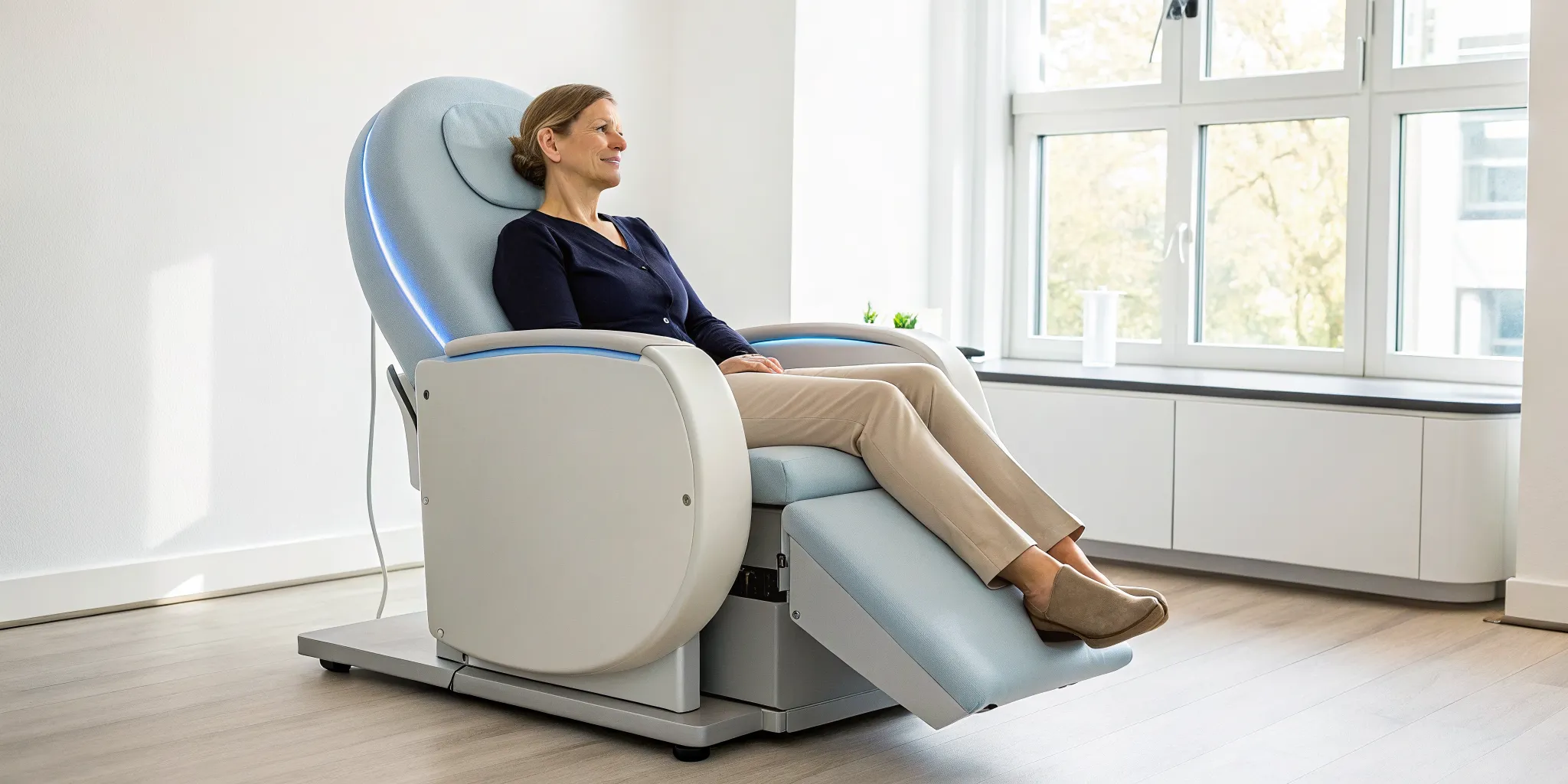
Imagine doing thousands of perfectly executed Kegels in under 30 minutes without breaking a sweat. That’s the power of Emsella Incontinence Therapy. This breakthrough treatment uses a special chair that sends high-intensity electromagnetic energy directly to your pelvic floor muscles, causing them to contract and strengthen far more effectively than you could on your own. You remain fully clothed during the entire session, making it a comfortable and discreet option. By re-educating and strengthening these crucial muscles, Emsella helps restore the support your bladder needs, significantly reducing or even eliminating those unexpected leaks when you sneeze, laugh, or exercise.
Tone and Tighten with V Tone and Forma V
For a comprehensive approach to pelvic floor health, treatments like V Tone and Forma V work to tone muscles and tighten surrounding tissues. V Tone is a gentle, non-surgical treatment that uses electrical muscle stimulation to strengthen weak pelvic floor muscles from the inside out. It’s an effective way to address the root cause of stress and urge incontinence. To complement this, Forma V uses gentle radiofrequency heat to promote collagen production and tighten the tissues in the vaginal canal. This process improves circulation and helps restore elasticity, providing better overall support for your bladder and pelvic organs.
Rejuvenate Tissue with Morpheus 8-V
Over time, the tissues in the pelvic region can lose their strength and resilience, contributing to bladder leaks. Morpheus 8-V is a cutting-edge treatment designed to address this by remodeling and rejuvenating these vital tissues. It combines microneedling with radiofrequency energy to stimulate your body’s natural healing response deep within the vaginal walls. This process encourages the production of new collagen and elastin, resulting in firmer, more youthful tissue. By restoring the structural integrity of the area, Morpheus 8-V not only improves bladder control but also enhances overall vaginal health and function.
When Is It Time to See a Specialist?
It can be hard to know when a seemingly small annoyance, like a little leak when you sneeze, is worth a doctor’s visit. Many of us are taught to push through minor discomforts. But when it comes to your health and quality of life, seeking professional advice is a powerful move. You don’t have to accept bladder leaks as a normal part of life. Understanding when to reach out is the first step toward finding a solution that works for you.
Key Signs You Need Professional Help
Let’s be honest, it’s easy to brush off bladder leaks. You might tell yourself it’s not a big deal or feel too embarrassed to bring it up. But if you find yourself mapping out bathrooms before you go anywhere, skipping your favorite spin class, or turning down invitations because you’re worried about an accident, it’s time to talk to someone. Any symptom that gets in the way of your daily activities or causes you distress is a valid reason to seek help. Remember, stress urinary incontinence is a medical condition, not a personal failing. A specialist can help you understand the cause and find the right path forward.
Your Personalized Treatment Plan with Dr. Berman
Seeing a specialist doesn’t automatically mean surgery or invasive procedures. Dr. Berman focuses on creating a personalized treatment plan that fits your body, lifestyle, and goals. After listening to your concerns and understanding your unique situation, she’ll walk you through a range of modern, effective options. This could include non-invasive therapies like Emsella Incontinence Therapy, which uses a special chair to strengthen your pelvic floor muscles for you. The goal is to find a solution that not only works but also makes you feel comfortable and confident. Your treatment is a partnership, and you’ll be in control every step of the way.
Your First Step Toward Lasting Relief
Taking that first step is often the hardest part, but it’s also the most important. Putting off a conversation with a doctor won’t make the problem go away, and in some cases, symptoms can worsen over time if left unaddressed. Scheduling a consultation is an act of self-care that puts you back in the driver’s seat. It’s a chance to get clear answers, explore your options, and create a plan for lasting relief. Many women find that with the right treatment, their symptoms can improve dramatically or even disappear completely. You deserve to live without constantly worrying about bladder leaks.
Frequently Asked Questions
Is it really normal to leak a little when I laugh or sneeze? While it’s incredibly common, you shouldn’t have to accept it as your new normal. Think of it as a signal from your body. Those little leaks are a classic sign of stress urinary incontinence, which means the pelvic floor muscles that support your bladder have weakened. It’s a treatable medical condition, not just a fact of life you have to put up with.
I’ve tried Kegels, but they don’t seem to be working. What now? You’re not alone in feeling that way. Kegels can be effective, but it’s often difficult to know if you’re doing them correctly, and it takes a lot of consistency to see results. If you’re not getting the improvement you want, it doesn’t mean you’re out of options. Modern treatments like Emsella can strengthen your pelvic floor muscles more powerfully and efficiently than you could on your own, taking the guesswork out of the process.
Does treating stress incontinence always involve surgery? Absolutely not. This is a common misconception that stops many women from seeking help. Today, there are highly effective, non-invasive treatments that can restore bladder control without any surgery or downtime. Technologies like Emsella, V Tone, and Morpheus 8-V are designed to strengthen your muscles and rejuvenate tissue from the outside in, helping you get back to your life with confidence.
How do I know if my bladder leaks are a big enough deal to see a specialist? The best way to gauge this is by its impact on your life. If you find yourself avoiding workouts, turning down social invitations, or feeling anxious about a sudden cough or laugh, then it’s a big enough deal. Your quality of life matters. You don’t have to wait for the problem to become severe to seek a solution that helps you feel comfortable and in control again.
Are bladder leaks just an inevitable part of getting older or having kids? Not at all. While childbirth and the hormonal shifts that come with age are definitely major contributors to a weakened pelvic floor, incontinence is not a life sentence. Your pelvic floor is a group of muscles, and just like any other muscle, it can be retrained and strengthened. Effective treatments are available to help you regain control at any age.